
Why Work With An OEM Jewelry Manufacturer?
-
OEM jewelry manufacturer partnerships support stable quality, custom jewelry production, and scalable supply for global brands.
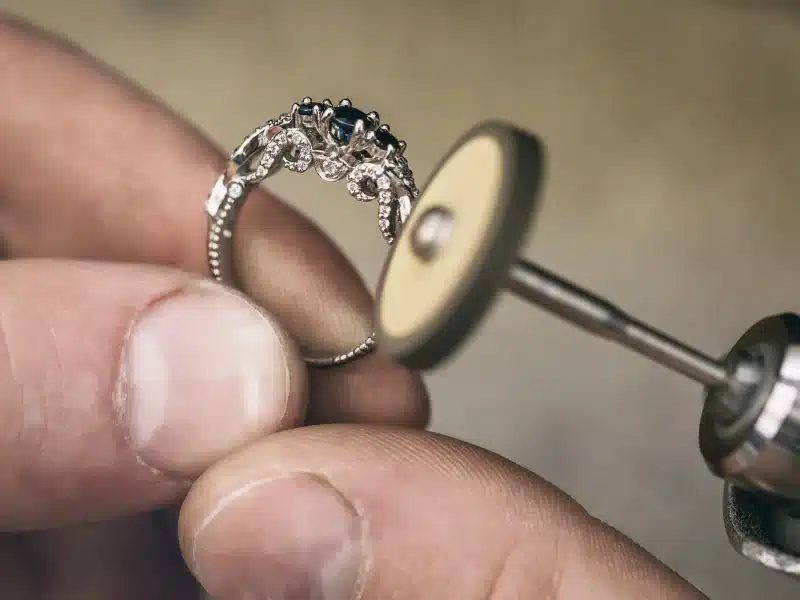
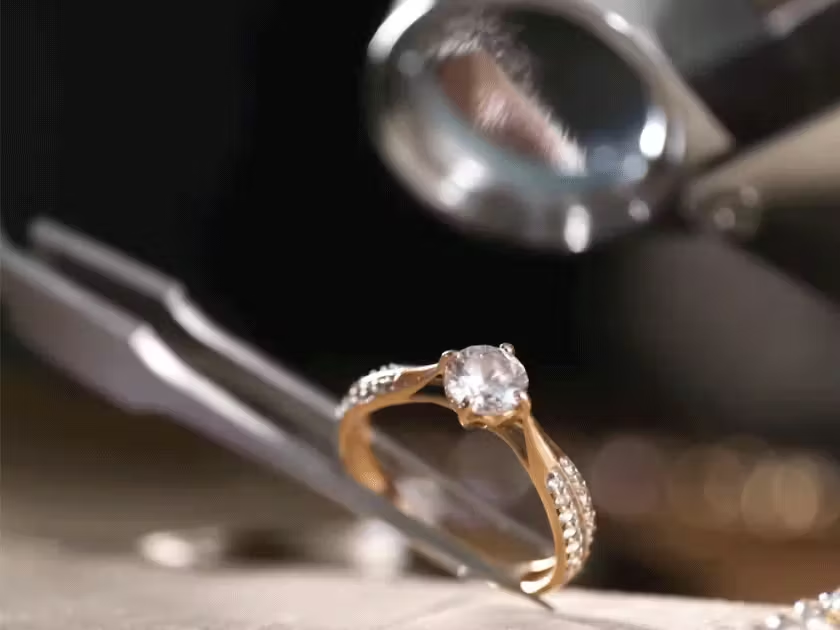
Why Brands Choose An OEM Jewelry Manufacturer
Global jewelry brands require stable production and flexible development support. An OEM jewelry manufacturer helps companies maintain product consistency across expanding sales channels. Many retailers prefer OEM cooperation because custom production strengthens brand identity. Reliable factories also simplify sourcing management for large seasonal collections. Strong engineering teams improve communication during sampling and mass production stages. Experienced suppliers reduce manufacturing delays through organized workflow systems.Jewelry businesses often require rapid design adjustments before product launches. OEM production supports these changes without damaging delivery schedules.Buyers also gain better control over packaging, plating, and gemstone selection.
Long-term cooperation creates operational efficiency for distributors, wholesalers, and online jewelry brands. Competitive companies usually prioritize suppliers with technical expertise and export experience. Professional factories also help brands react faster to changing fashion trends.
OEM Jewelry Manufacturer Services Improve Product Consistency
An OEM jewelry manufacturer improves consistency through standardized production systems and technical supervision. Casting departments carefully control molten metal temperatures during production cycles. Stable temperatures reduce porosity problems inside jewelry structures significantly. Skilled workers inspect stone alignment before polishing and plating operations begin. Many factories use microscope inspection systems for pavé rhinestone applications. Accurate setting methods reduce stone loss during transportation and retail handling. Electroplating quality also affects durability, color retention, and corrosion resistance. Advanced plating lines maintain uniform coating thickness across multiple jewelry surfaces. Consistent polishing improves reflective performance and visual product quality substantially. Manufacturers often separate silver, brass, and stainless-steel processing lines carefully. Independent processing areas reduce contamination between different production materials. Professional factories also document production standards for repeat orders. Organized quality systems help international buyers maintain stable customer satisfaction rates globally.
Material Selection Shapes Jewelry Performance
Material selection directly affects jewelry durability, comfort, and long-term surface stability. Sterling silver remains popular because it balances value and premium appearance effectively. Brass provides strong casting performance for detailed fashion jewelry structures. Stainless steel offers excellent corrosion resistance for daily wearable accessories. Gold alloy ratios also influence hardness, flexibility, and polishing performance greatly. Factories usually test raw materials before production begins each month. Nickel release standards remain important for European and North American markets. REACH compliance testing helps brands reduce legal and regulatory complications internationally. Protective coatings improve oxidation resistance on silver and brass components. E-coating technology creates an additional transparent protective surface layer. Many suppliers also evaluate gemstone hardness before assembly procedures start. Cubic zirconia remains common because it delivers stable clarity and affordability. Some collections include hot sale men’s fashion charm bracelet products using stainless steel and black plating combinations. Professional material planning helps factories maintain visual consistency across large production quantities.
Production Equipment Supports Large Volume Orders
Modern jewelry factories rely on specialized machinery for efficient production scaling. CNC machining systems create accurate molds with minimal dimensional variation. High-precision molds improve casting consistency during mass production operations. Vacuum casting equipment reduces air bubbles inside metal structures effectively. Laser welding systems strengthen delicate connection points on thin jewelry components. Automated polishing drums improve production speed for basic metal finishing tasks. Advanced factories also use ultrasonic cleaning systems after plating procedures finish. These cleaning systems remove chemical residues from detailed jewelry surfaces safely. Many production facilities separate manual and automated manufacturing stages strategically. This workflow improves efficiency without sacrificing detailed craftsmanship requirements. Computerized inventory systems also help factories monitor raw material consumption rates. Production planning software improves scheduling during peak seasonal demand periods. Organized manufacturing systems reduce delivery delays for international wholesale clients significantly. Strong technical infrastructure also improves scalability for rapidly growing jewelry brands worldwide.
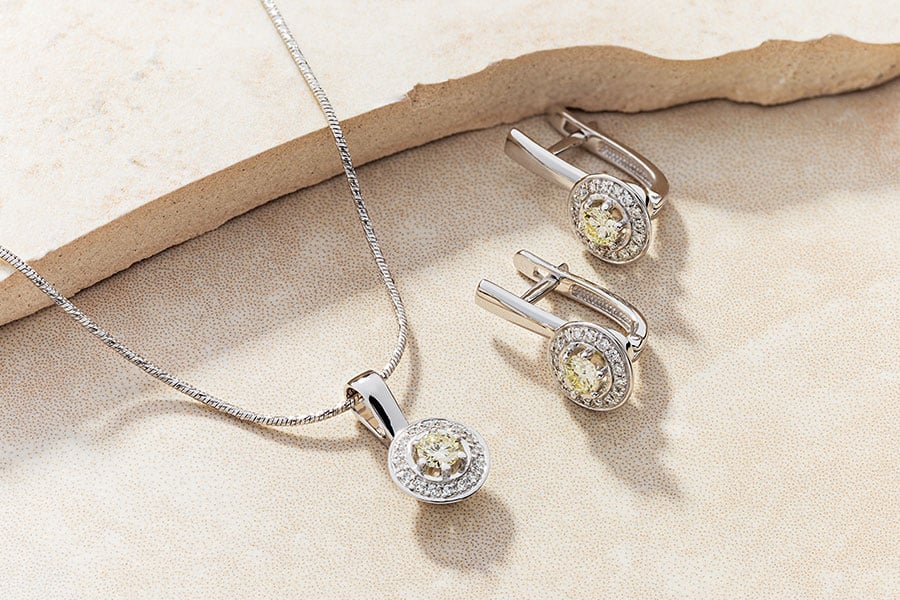
Why Custom Development Matters For Jewelry Brands
Custom development helps jewelry companies create exclusive collections with stronger market recognition. CAD software allows engineers to build precise digital jewelry structures quickly. Designers can modify dimensions before expensive mold production begins successfully. Prototype development also helps buyers evaluate wearability and visual balance early. Factories usually provide wax samples or resin prototypes during development stages. Technical communication becomes easier when suppliers provide detailed engineering support consistently. Packaging customization also strengthens brand positioning in competitive retail environments. Many jewelry businesses request logo engraving and branded gift box production. Professional suppliers coordinate these requirements through integrated manufacturing workflows efficiently. Some fashion collections also include OEM three layer colorful rhinestone bracelet products targeting seasonal retail campaigns. Flexible suppliers adjust plating colors and crystal arrangements according to market preferences. Organized development systems reduce costly revisions during bulk production stages. Strong customization support helps brands launch differentiated collections across multiple international sales channels.
OEM Jewelry Manufacturer Partnerships Reduce Supply Chain Risk
Supply chain stability remains critical for wholesale jewelry distributors and retail brands. Experienced suppliers help buyers manage production schedules with greater accuracy consistently. Organized factories coordinate material sourcing before production timelines become restricted. Early planning reduces shortages during high-demand seasonal sales periods significantly. Many manufacturers maintain long-term relationships with plating and gemstone suppliers. Stable partnerships improve purchasing consistency and raw material availability substantially. Export documentation also requires careful management during international jewelry shipments. Professional factories coordinate customs paperwork and logistics communication efficiently. Buyers often prefer suppliers with integrated warehouse and packaging capabilities. Combined operations reduce transportation handling and inventory management complications considerably. Manufacturing transparency also improves trust between factories and global jewelry brands. Production reports help clients monitor order progress throughout manufacturing stages clearly. Reliable operational systems reduce delays, defects, and unexpected sourcing disruptions effectively.
Manufacturing Certifications Increase Buyer Confidence
International certifications help jewelry factories demonstrate manufacturing reliability and operational professionalism. ISO 9001 quality systems standardize inspection procedures across polishing, casting, and plating departments carefully. Structured documentation improves traceability during large export manufacturing and supplier auditing processes. Many buyers also request BSCI and Sedex SMETA social responsibility audits before cooperation agreements. OSHA workplace safety standards influence operational efficiency and employee retention rates positively. Responsible factories maintain industrial ventilation systems for electroplating and polishing workshops properly. Environmental management also follows ISO 14001 wastewater treatment and chemical disposal requirements strictly. REACH Regulation EC No 1907/2006 remains essential for jewelry exports entering European commercial markets. EN 1811 nickel release testing protects consumers from allergic skin reactions during wear. Professional laboratories analyze alloy composition through XRF spectrometer testing procedures regularly. Some buyers also require ASTM B117 salt spray testing for plated jewelry collections. These tests evaluate corrosion resistance under controlled humidity and saline exposure conditions. Certified production systems improve credibility for international distributors and private label jewelry companies.
Comparison Between OEM And Traditional Jewelry Sourcing
| Factor | OEM Production | Traditional Wholesale |
|---|---|---|
| Customization | High flexibility for branding | Limited design modification |
| Quality Control | Factory inspection systems | Depends on trader sourcing |
| Packaging | Custom logo support | Generic packaging |
| Lead Time Stability | Production scheduling control | Inventory fluctuation risk |
| Scalability | Supports bulk expansion | Limited production influence |
Structured OEM production improves operational efficiency for growing jewelry businesses significantly. Traditional sourcing models usually provide lower development flexibility for private label expansion. Direct manufacturing communication also improves correction speed during production stages. Many brands prefer OEM cooperation because stronger oversight reduces quality variation risks. Organized factories maintain better control over plating consistency and stone setting precision. Long-term cooperation also creates stronger forecasting capability during seasonal demand fluctuations. Buyers gain improved visibility across material sourcing and production scheduling systems. Professional manufacturers usually provide dedicated account management for large international customers. Stable cooperation supports faster response times during urgent order adjustments and product revisions.
Production Standards And Technical Capabilities
| Production Area | Technical Standard | Business Benefit |
|---|---|---|
| Electroplating | Micron thickness control | Longer color retention |
| Stone Setting | Microscope inspection | Reduced stone loss |
| Casting | Vacuum pressure systems | Lower porosity rates |
| Polishing | Multi-stage finishing | Improved surface reflection |
| Material Testing | Spectrometer analysis | Stable alloy composition |
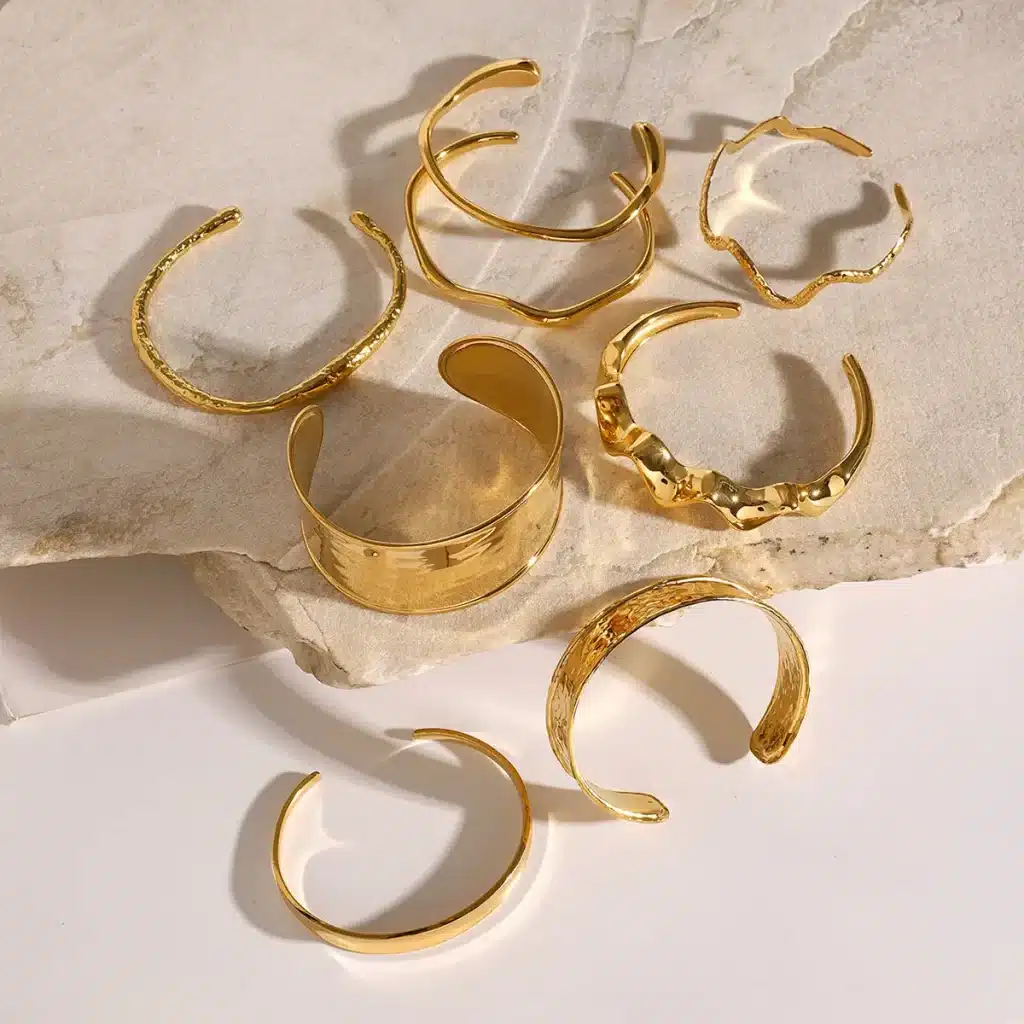
Technical capabilities directly influence jewelry appearance, durability, and retail performance outcomes. Advanced plating control improves corrosion resistance for long-term customer satisfaction. Precise casting systems also reduce structural defects during high-volume production operations. Strong inspection procedures improve consistency across repeated wholesale manufacturing projects. Many international buyers evaluate technical standards before selecting long-term production partners. Factories with advanced machinery usually deliver faster production scalability and better quality stability. Detailed engineering capability also improves communication during custom jewelry development stages. Reliable technical systems support stronger operational planning for expanding jewelry brands globally.
Key Factors When Evaluating Jewelry Production Partners
Selecting the right manufacturing partner requires detailed operational and technical evaluation procedures. Buyers often review factory specialization before discussing long-term production cooperation seriously. Important evaluation areas include:
- Production capacity during peak seasonal demand
- Metal testing and plating inspection procedures
- CAD development and prototype engineering capability
- Export experience with international jewelry markets
- Communication speed during revision processes
- Packaging customization and branding support
- Compliance documentation and audit certifications
- Minimum order quantity flexibility
Professional suppliers usually provide transparent production information during factory evaluations. Clear communication reduces misunderstandings during product development and shipment preparation stages. Experienced factories also support buyers through technical troubleshooting and material recommendations. Strong partnerships improve manufacturing efficiency across multiple jewelry collection launches successfully.
Long-Term Cooperation Creates Competitive Advantages
Long-term cooperation creates operational advantages for expanding jewelry businesses worldwide. Stable suppliers improve production forecasting and inventory planning accuracy significantly. Consistent communication also accelerates sampling and revision approval procedures effectively. Many brands develop exclusive collections through close manufacturing collaboration over time. Dedicated engineering teams become more familiar with technical product requirements gradually. This familiarity improves production efficiency and reduces repeated development errors substantially. Professional factories also support market expansion through scalable manufacturing infrastructure systems. Reliable quality standards strengthen customer trust across online and offline retail channels. Buyers often achieve better cost management through predictable manufacturing relationships. Stable cooperation also improves delivery consistency during busy international sales seasons. Strategic manufacturing partnerships help jewelry companies compete more effectively within global wholesale markets.
FAQ
What services does an OEM jewelry manufacturer usually provide?
An OEM jewelry manufacturer normally provides product development, sampling, casting, polishing, plating, and packaging support. Many factories also offer CAD drawing services and technical engineering consultation. Professional suppliers usually manage gemstone sourcing and logo customization simultaneously. Some factories provide integrated warehouse and export coordination for international shipments. Buyers often request anti-tarnish coating and custom packaging during private label production projects. Experienced manufacturers also support material testing and inspection reporting before shipment approval. Large factories may include automated production planning systems for stable scheduling control. Comprehensive manufacturing support helps jewelry brands maintain quality consistency while expanding product collections across international wholesale and retail markets.
How do jewelry factories maintain stable production quality?
Jewelry factories maintain quality through inspection systems, standardized workflows, and controlled manufacturing environments. Production departments inspect mold dimensions before casting procedures begin each day.Many factories use microscope inspection during stone setting operations for improved precision. Electroplating thickness also receives testing to improve color retention and corrosion resistance.
Professional suppliers usually separate production lines according to metal categories carefully. Organized quality control teams inspect products before polishing, plating, and packaging stages. Some factories also perform salt spray testing for plated jewelry collections. Strong technical supervision reduces defects and improves consistency across repeated manufacturing orders. Reliable quality systems help brands maintain stronger customer satisfaction globally.
Why do B2B jewelry brands prefer OEM cooperation?
B2B jewelry brands prefer OEM cooperation because it improves customization flexibility and operational control. Direct manufacturing partnerships simplify communication during sampling and production planning stages. Professional suppliers also support branded packaging and exclusive jewelry collection development. Many businesses require scalable manufacturing capacity for seasonal retail demand increases. OEM cooperation helps companies manage these requirements more efficiently. Organized factories usually maintain better quality consistency than traditional wholesale sourcing channels. Buyers also gain stronger visibility across production scheduling and raw material planning systems. Stable manufacturing relationships improve delivery reliability and long-term operational efficiency. These advantages help jewelry brands strengthen competitiveness within international wholesale and retail markets.