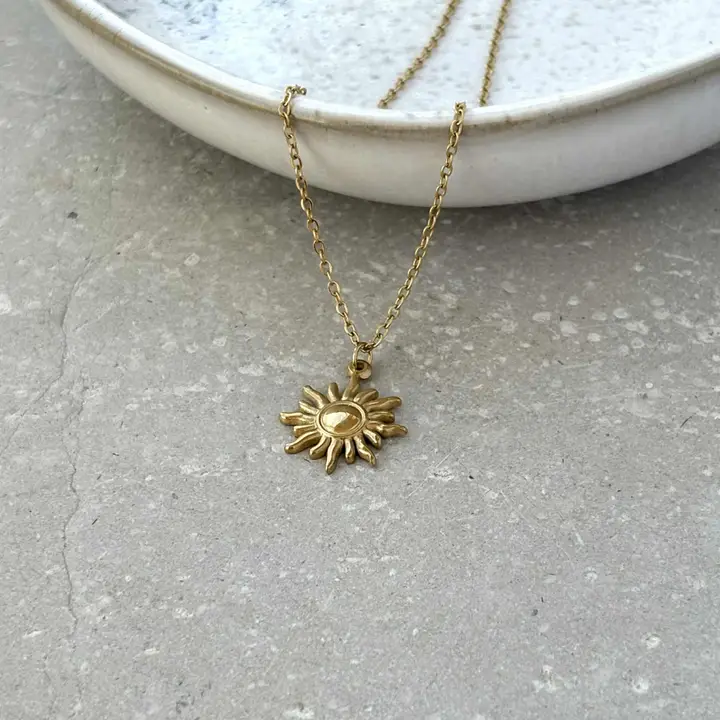
What Makes A Reliable Waterproof Jewelry OEM Partner?
-
Waterproof jewelry OEM production depends on coating stability, material grades, testing precision, and factory consistency.
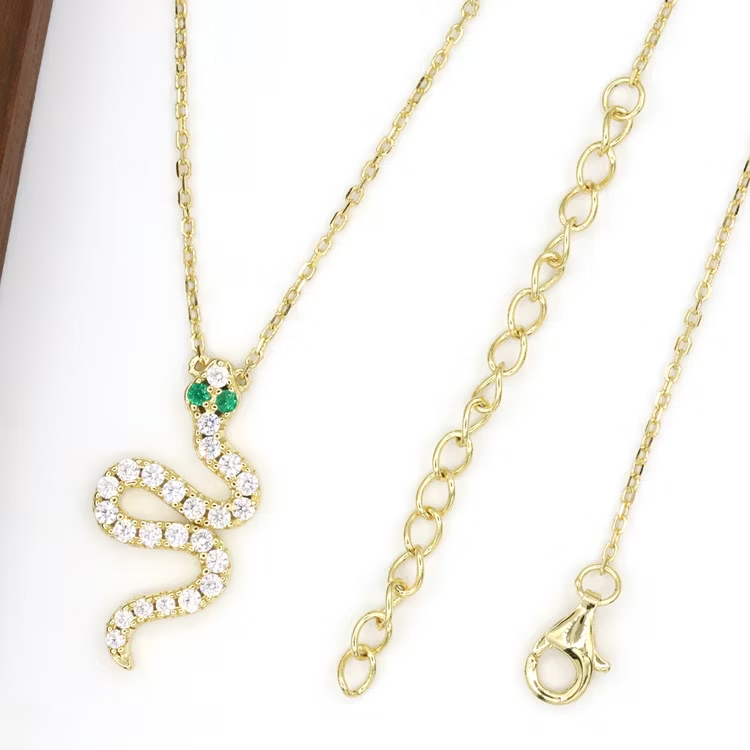
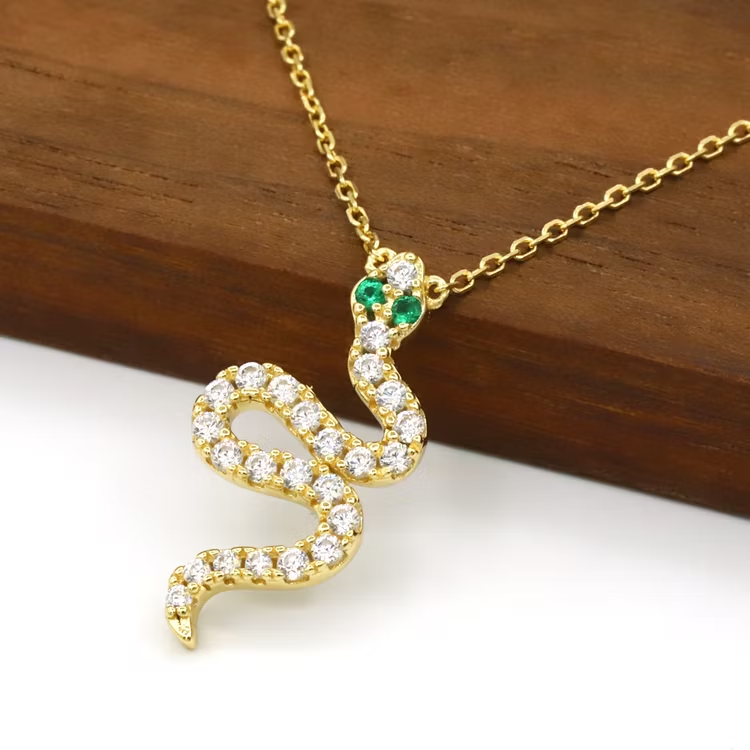
A professional waterproof jewelry OEM factory controls durability from raw material selection to final inspection. Buyers often compare coating systems, corrosion resistance, and production accuracy before cooperation begins. Stable factories provide consistent quality during large wholesale orders. Experienced suppliers also maintain clear communication during sampling and revisions. Stainless steel remains popular because it resists sweat, moisture, and oxidation effectively. Many manufacturers use PVD coating technology for stronger color retention. Quality control departments usually inspect welding precision and plating consistency carefully. Strong OEM factories also maintain production records for every shipment batch. International buyers prefer suppliers with export experience and stable compliance systems. Reliable production management reduces delivery risks during seasonal demand increases. Professional factories also support customized branding and packaging requirements for distributors worldwide.
Waterproof Jewelry OEM Material Selection and Metal Stability
Material quality directly affects long-term product performance in demanding environments. Most premium factories use 316L stainless steel because it offers excellent corrosion resistance. Titanium also performs well under repeated water exposure and humid conditions. Lower-grade alloys often discolor faster after sweat contact or chemical exposure. Professional suppliers inspect metal composition through laboratory testing procedures regularly. Surface density also influences polishing quality and edge smoothness during manufacturing stages. Buyers often request nickel-free and lead-free compliance certifications before production approval. Strong factories maintain stable sourcing systems for raw materials throughout the year. Moisture resistance improves significantly when manufacturers combine premium steel with advanced coating methods. Consistent metal quality reduces customer complaints and protects wholesale brand reputation during global distribution activities.
Surface Coating Technology in Waterproof Jewelry OEM Production
Surface engineering determines whether jewelry maintains appearance during daily exposure conditions. Many waterproof jewelry OEM factories prefer PVD coating instead of traditional electroplating methods. Vacuum coating technology creates stronger adhesion between metal surfaces and protective color layers. Stable adhesion reduces peeling, fading, and oxidation during long-term wear cycles. Professional technicians monitor chamber temperatures and coating duration carefully during processing stages. Thickness consistency also affects scratch resistance and color durability significantly. Some factories conduct multiple polishing stages before coating application begins. Smooth surfaces improve coating uniformity across necklaces, rings, and bracelets. Reliable suppliers often provide abrasion testing reports for wholesale verification procedures.
A premium product such as Retro Style 18K Gold Plated Pearl Pendant Necklace requires precise polishing and balanced coating thickness. High-quality surface treatment increases perceived value in international jewelry markets substantially.
Manufacturing Equipment Used in Professional Jewelry Factories
Production equipment strongly influences consistency during large-scale jewelry manufacturing operations. Advanced factories use CNC polishing machines for stable surface finishing accuracy. Laser welding systems improve structural strength around delicate jewelry connections and clasps. Ultrasonic cleaning equipment removes microscopic polishing residue before coating procedures begin. Automatic plating systems help maintain stable color distribution across multiple production batches. Some suppliers also use spectrometers to verify alloy composition before manufacturing starts. Precision casting machines reduce structural defects during mold development stages significantly. Strong factories calibrate inspection tools regularly to maintain production accuracy standards. Modern workshops also separate polishing, welding, and coating zones for cleaner operations. Controlled environments reduce contamination risks during surface treatment procedures. Equipment investment often reflects a supplier’s long-term commitment to consistent OEM manufacturing quality.
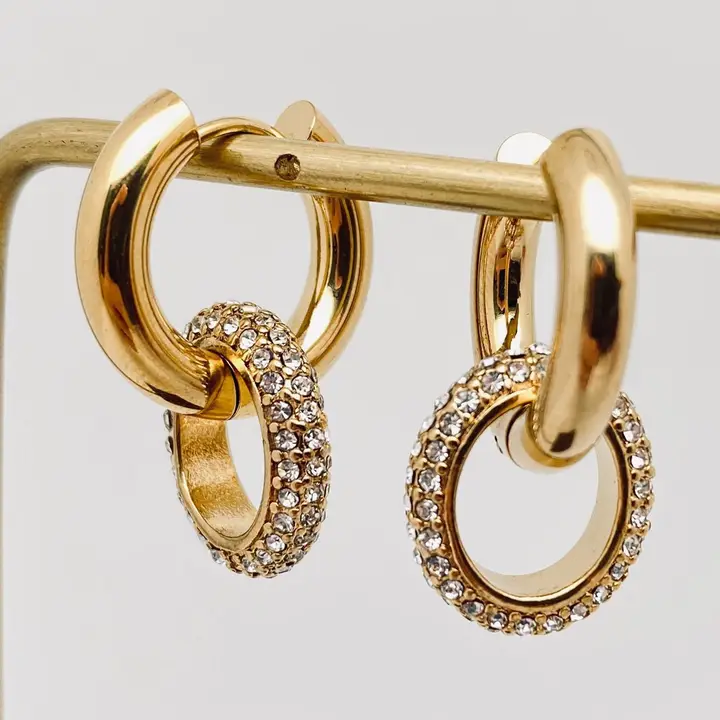
| Production Component | Industrial Specification | Function in Waterproof Jewelry |
|---|---|---|
| 316L Stainless Steel | Low Carbon Medical Grade | Improves corrosion resistance |
| PVD Coating | 0.03–0.05 μm Thickness | Enhances color durability |
| Laser Welding | ±0.02 mm Precision | Prevents structural gaps |
| Ultrasonic Cleaning | Industrial Frequency Cleaning | Removes surface contaminants |
Testing Procedures That Improve Waterproof Jewelry Performance
Testing systems help factories verify durability before international shipment begins. Salt spray testing measures resistance against oxidation under controlled environmental conditions. Sweat simulation inspections evaluate stability during long-term skin contact exposure. Abrasion tests determine whether coatings remain stable during repeated friction cycles. Some suppliers also conduct temperature fluctuation testing for structural reliability analysis. Professional laboratories inspect coating adhesion through cross-cut evaluation procedures regularly. Reliable factories document every testing result for wholesale buyer verification processes. Moisture exposure inspections also reveal microscopic defects around welding positions and joints. Many buyers request testing videos before approving final mass production orders. Strong inspection systems reduce product return risks after market distribution begins. Stable testing standards support long-term partnerships between suppliers and global jewelry distributors.
Supply Chain Management in Waterproof Jewelry OEM Cooperation
Supply chain stability affects delivery consistency and wholesale inventory management directly. Reliable waterproof jewelry OEM suppliers maintain long-term relationships with raw material providers. Stable sourcing reduces production interruptions during seasonal demand fluctuations significantly. Experienced factories also manage inventory through digital production planning systems efficiently. Buyers often evaluate warehouse organization and packaging procedures before cooperation agreements. Professional suppliers coordinate export documentation carefully for international customs clearance requirements. Production scheduling transparency also improves communication between factories and wholesale clients. Some manufacturers provide weekly updates during large-volume order processing stages. Reliable logistics coordination reduces shipping delays during global transportation operations. Professional factories usually maintain backup suppliers for critical production materials. Consistent supply chain systems support stable business expansion across international jewelry markets.
| Testing Method | Inspection Purpose | Typical Benchmark |
|---|---|---|
| Salt Spray Testing | Corrosion resistance evaluation | 24–72 hours |
| Sweat Simulation | Skin exposure durability | Acidic environment testing |
| Abrasion Inspection | Scratch resistance analysis | Repeated friction cycles |
| Temperature Cycling | Structural stability testing | Rapid thermal variation |
Customization Support and Branding Development Services
OEM cooperation often requires flexible customization support for different market segments. Strong suppliers provide CAD drawing confirmation before sample production begins. Prototype revisions help distributors verify dimensions, finishes, and logo placements carefully. Professional factories also support customized packaging for premium retail positioning strategies. Some buyers request engraved branding on clasps, pendants, or bracelet components directly. Reliable communication shortens development cycles during urgent seasonal product launches. Factories with experienced design departments usually respond faster during revision discussions. A customized product such as OEM Three Layer Colorful Crystal Rhinestone Bracelet requires balanced crystal positioning and secure structural assembly. Sampling precision strongly influences buyer confidence before mass production approval stages. Professional OEM coordination improves efficiency across branding, manufacturing, and international distribution procedures simultaneously.
Long-Term Business Value Created by Professional OEM Factories
Long-term cooperation with a waterproof jewelry OEM supplier depends on consistent quality and transparent operational standards. Buyers prefer factories with stable management systems and experienced technical departments. Reliable suppliers usually maintain structured inspection procedures during every manufacturing stage. Professional communication also reduces misunderstanding during customization and packaging discussions. Experienced factories often provide market recommendations based on regional jewelry trends. Stable partnerships help distributors maintain inventory consistency during business expansion periods. Some suppliers also support low MOQ orders for new market testing activities. Strong technical capability improves production flexibility across multiple jewelry categories. Wholesale buyers often prioritize factories with stable lead times and clear compliance documentation. Reliable operational systems create stronger trust between manufacturers and international jewelry distributors over extended cooperation cycles.
FAQ
What materials work best for waterproof jewelry manufacturing?
316L stainless steel remains one of the strongest materials for waterproof jewelry production. This metal resists corrosion during sweat exposure and humid environmental conditions. Titanium also provides excellent durability and lightweight performance for premium collections. Many professional factories combine stainless steel with PVD coating technology for stronger surface protection. Lower-quality alloys often fade faster after repeated water exposure cycles. Reliable manufacturers inspect metal purity before production begins. Material density also influences polishing smoothness and structural consistency. Some suppliers conduct nickel-release testing for international compliance requirements. Strong material selection improves product lifespan significantly. Buyers should always verify laboratory reports before confirming large-scale wholesale production agreements with suppliers.
How do factories inspect jewelry durability before shipment?
Professional factories perform several inspections before final packaging and export procedures begin. Salt spray testing measures oxidation resistance under controlled humidity exposure conditions. Sweat simulation testing evaluates coating stability during long-term skin contact situations. Abrasion inspections analyze surface durability during repeated friction cycles carefully. Some factories also conduct temperature variation testing for structural reliability confirmation.
Laser welding inspections identify microscopic gaps around jewelry connections and clasps. Professional laboratories usually record inspection results for wholesale verification processes. Reliable factories maintain quality records for every production batch systematically. Consistent testing standards reduce return risks during international distribution operations. Strong inspection systems also improve buyer confidence during long-term OEM cooperation partnerships.
Why does coating quality affect wholesale jewelry performance?
Coating quality directly influences durability, appearance retention, and corrosion resistance during long-term product usage. PVD coating technology creates stronger adhesion compared with traditional electroplating systems. Stable adhesion reduces fading, peeling, and oxidation under daily exposure conditions. Professional factories monitor coating thickness carefully throughout production procedures. Surface preparation also affects final coating smoothness and structural stability significantly. Poor polishing often creates uneven coating distribution across jewelry surfaces. Reliable suppliers usually perform adhesion inspections before packaging procedures begin. Strong coating systems improve scratch resistance and customer satisfaction simultaneously. Many premium wholesale collections rely on advanced vacuum coating technologies. Buyers should always verify coating specifications before approving final production orders with manufacturers.