WechatIMG1079 拷贝

GET A QUOTE

Quote Now

Please write your message, ask for price, we will reply you soon, thanks.

Please enable JavaScript in your browser to complete this form.

Wholesale Jewelry Manufacturer & Product Categories

  1. Home
  2. /
  3. INDUSTRY NEWS
  4. /
  5. What To Expect From An...

≡ Categories

INDUSTRY NEWS

JOYCHICCO NEWS

What To Expect From An ODM Brass Jewelry Supplier?

  • Partner with an ODM brass jewelry supplier. Source premium custom designs, strict quality controls, and scalable wholesale production.

best jewelry manufacturer in Yiwu
how to buy jewelry in bulk

Global jewelry brands require reliable partners to scale their inventory efficiently. Securing a trusted ODM brass jewelry supplier guarantees access to expert craftsmanship and premium raw materials. Many retail businesses struggle with maintaining consistent design pipelines. Professional manufacturers solve this issue by offering pre-designed catalogs with flexible customization options. They employ skilled engineers who transform creative concepts into retail-ready collections quickly. Furthermore, these factories manage the entire manufacturing cycle from drafting to final packaging. A dedicated partner helps you minimize production risks while maximizing market competitiveness. This cooperative model reduces overhead costs significantly for growing jewelry enterprises worldwide. By streamlining the development phase, brands can focus entirely on marketing and sales strategies. Ultimately, choosing the right manufacturer secures your supply chain and elevates your brand reputation.

Why Partnering with an ODM Brass Jewelry Supplier Accelerates Growth

Establishing a strong market presence demands rapid product iteration and superior quality control. When businesses collaborate with an ODM brass jewelry supplier, they bypass expensive tooling and design fees. Expert designers continuously monitor global fashion trends to create highly marketable styles for clients. These manufacturers provide finished designs that buyers can easily brand as their own creations. Such agility allows retail stores to launch new seasonal collections ahead of their competitors. Additionally, established factories possess sophisticated machinery that ensures high daily output volumes. This high-volume capacity helps buyers scale their businesses without worrying about stock shortages. With reliable manufacturing support, wholesale distributors can confidently secure larger corporate client accounts. Selecting an experienced manufacturing vendor ensures long-term operational stability and sustainable commercial growth.

Essential Base Metal Standards in Professional Jewelry Manufacturing

High-quality brass serves as an ideal base metal due to its exceptional durability and workability. Professional manufacturers typically utilize H65 or H62 lead-free brass alloys for premium production lines. These specific alloys provide excellent tensile strength and prevent casting defects during high-temperature operations. Compliance with safety regulations remains a top priority for reputable European and American wholesale buyers. Factories must strictly limit heavy metal concentrations to satisfy EN 1811 nickel release standards. Using advanced spectrometers, technicians inspect every batch of incoming raw materials for chemical purity. This meticulous verification process prevents allergic skin reactions and ensures safe consumer usage daily. By maintaining clean metallurgical standards, producers create reliable products that withstand rigorous wear tests. Safe materials also shield retail brands from costly product recalls and legal compliance challenges. Investing in pure brass compositions establishes a foundation for premium finishing and plating.

The CAD Drafting and Rapid Prototyping Phase Explained

Modern creation workflows rely heavily on precise computer-aided design systems to model custom pieces. Engineers transform basic sketches into complex three-dimensional CAD files with exact mechanical tolerances. This digital phase allows technicians to verify gemstone prongs and clasp mechanisms before printing. Once finalized, high-resolution 3D printers generate wax prototypes that serve as the casting foundation. Such advanced modeling techniques ensure that complex geometric shapes replicate with absolute precision. Clients can also request physical resin samples to check the dimensions and comfort beforehand. In addition to brass options, top factories customize Wedding 18k Gold Plate Stainless Steel Jewelry. Providing multiple material capabilities allows brands to expand their catalog selections under one manufacturer. Using detailed digital previews minimizes development mistakes and cuts down sample turnaround times. Ultimately, digital modeling bridges the gap between creative concepts and physical product success.
Plating Type Micron Thickness Durability Rating Typical Application
Flash Plating 0.1 - 0.2 microns Low Fast fashion accessories
Standard Micron 1.0 - 1.5 microns Medium-High B2B mid-range jewelry
Heavy Gold Plating 2.5 - 3.0 microns High Premium luxury collections

Analysis of Professional Electroplating Specifications and Lifespans

Selecting the appropriate plating thickness determines the commercial lifespan of finished wholesale products. Our data indicates that flash plating only suits fast fashion due to its thin protective layer. In contrast, premium jewelry lines require standard micron plating to resist daily friction and oxidation. A professional ODM brass jewelry supplier recommends at least one micron of real gold deposition. This standard prevents copper molecules from migrating to the surface and causing green discoloration. Furthermore, heavy gold plating offers the ultimate protection for brands aiming at premium markets. Using protective e-coating after plating seals the precious metal layer against ambient humidity. Such an extra step ensures that pieces maintain their signature luster during long storage periods. Choosing the correct specification allows brands to balance production costs with consumer expectations.

Test Parameter Methodology Standard Limit B2B Pass Criteria
Lead Content XRF Spectrometry < 0.05% Zero tolerance exceedance
Nickel Release EN 1811 Testing < 0.28 µg/cm²/week Certified laboratory pass
Tarnish Resistance Salt Spray Chamber 24 - 48 hours No visible surface oxidation

Evaluating Laboratory Testing and Chemical Safety Standards

Rigorous laboratory verification guarantees that metal accessories align with international market safety regulations. As shown above, spectrometers inspect raw materials to prevent heavy metal contamination during melting. Salt spray chambers test the structural resilience of finished plating coatings under humid environments. Passing these tests ensures that your inventory maintains physical integrity under diverse climates worldwide. Additionally, professional manufacturers produce premium items like the Waterproof Stainless Steel 18K Zircon Open Cuff Bracelet. These specialty pieces exhibit supreme water resistance alongside traditional brass jewelry production lines. Conducting regular batch inspections builds trust between global wholesale buyers and their suppliers. Ensuring compliance with REACH guidelines protects retail businesses from costly cross-border shipping delays. Ultimately, thorough safety evaluations guarantee consumer satisfaction and build long-term brand credibility. Proactive testing procedures elevate manufacturing reliability and secure a competitive edge in B2B markets.

  • Raw Material Analysis: Verifying lead and nickel concentrations using XRF technology.
  • Physical Inspection: Checking surface smoothness, polishing quality, and gemstone settings.
  • Tensile Strength Testing: Ensuring clasps, joints, and solder points withstand normal wear tension.
  • Adhesion Testing: Performing cross-hatch tape tests to verify plating layer stability.

Implementing a Structured Quality Assurance System for Wholesale Shipping

Implementing a multi-stage inspection system represents the core of a reliable production facility. Each checkpoint in the quality list ensures that bulk shipments arrive in flawless condition. A certified production facility conducts these rigorous checks at every step of fabrication. For example, tension tests confirm that delicate chains do not snap under sudden pressure. Adhesion testing prevents the plating layers from peeling off during subsequent transportation or retail display. Furthermore, final aesthetic audits eliminate pieces with surface blemishes or loose prong settings. By standardizing these quality assurance steps, factories reduce the rate of defective goods dramatically. This systematic approach guarantees that global distributors receive consistent stock with every bulk order. Minimizing defective products directly helps businesses protect their operational margins and customer satisfaction.

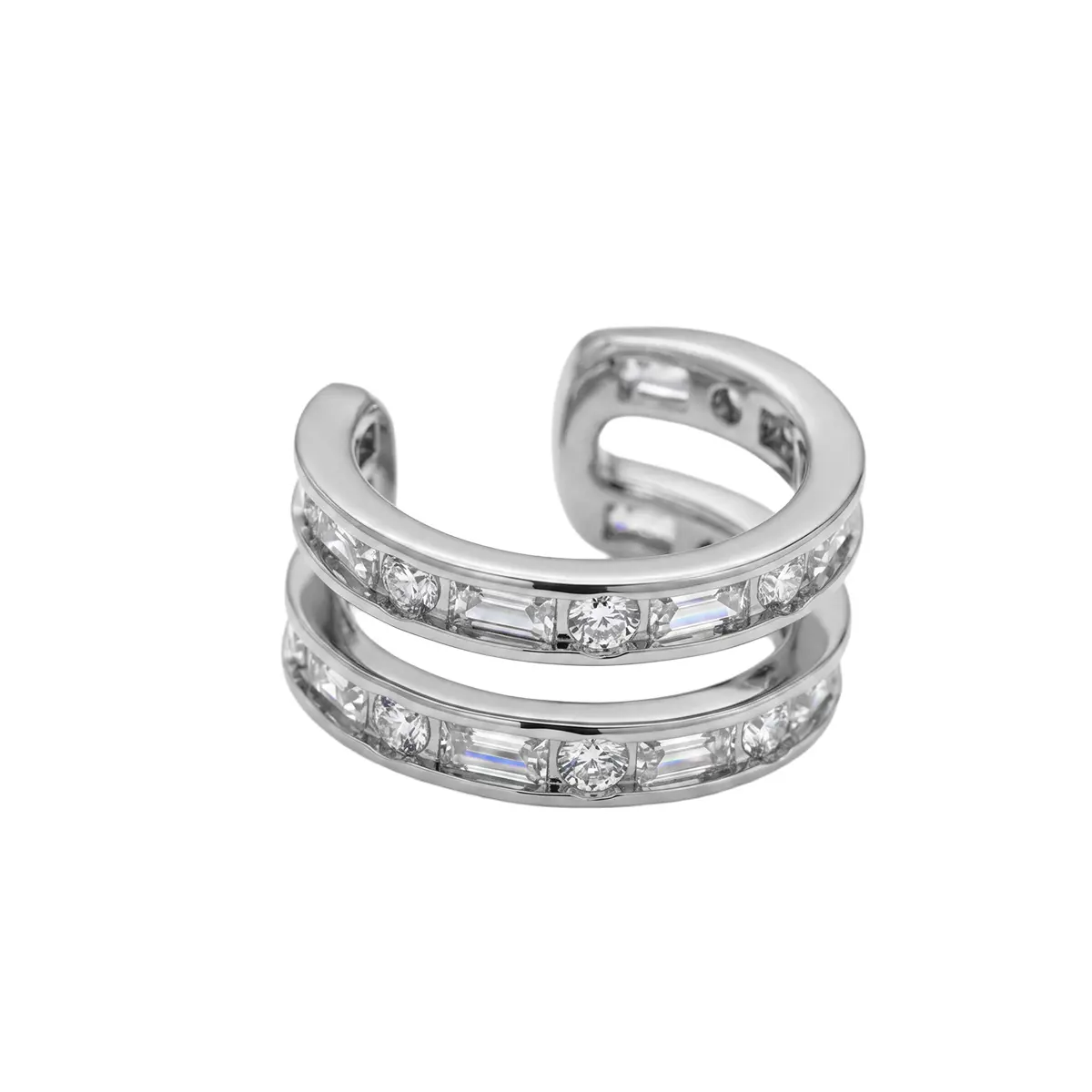
jewelry production with low MOQ

Evaluating Packaging Solutions and Global B2B Logistics

Proper storage and shipping methods protect brass goods from oxidation during long transit times. Professional shipping departments utilize custom anti-tarnish paper and moisture-absorbing silica bags inside wholesale cartons. These protective barriers shield plated surfaces from moisture and sulfur compounds in the air. An experienced logistics department coordinates with major international freight forwarders for rapid delivery. They offer tailored air and ocean shipping configurations to meet strict delivery deadlines. Furthermore, bulk packages receive dense bubble wrap layerings to avoid abrasive friction during transport. Clear customs documentation avoids unnecessary administrative delays at international import ports. By optimizing the logistics flow, brands receive their inventory quickly and in pristine showroom condition. Secure shipping practices safeguard your financial investments and maintain a highly efficient supply chain.

FAQ

What is the typical lead time for custom brass production?

Custom brass production schedules generally span four to six weeks depending on design complexity. Initially, engineering teams spend one week creating three-dimensional models and physical resin prototypes. Upon receiving digital design approval, the factory requires two weeks to manufacture casting molds. Mass casting, automated polishing, and electroplating require an additional two weeks of production time. Furthermore, shipping to international warehouses usually takes between five and ten business days via express courier. Planning bulk purchases three months in advance prevents stock depletion during peak retail seasons.

How do factories ensure brass products comply with safety standards?

Reputable manufacturing facilities utilize state-of-the-art laboratory testing equipment to verify metal composition safety. Technicians analyze raw brass materials with X-ray fluorescence analyzers to detect trace elements. This direct scientific screening ensures that lead levels remain strictly below regulatory legal limits.Additionally, independent testing bodies perform artificial sweat tests to verify nickel release standards. Acquiring third-party test certifications provides transparent safety proof for global retail distribution networks. These extensive preventive measures guarantee that finished goods are completely safe for consumer wear.

What are the primary advantages of ODM over OEM partnerships?

Choosing original design manufacturing reduces product development times and expensive initial mold investments. Instead of developing designs from scratch, buyers select styles from existing factory catalogs. This business approach allows retail brands to test new market trends with lower financial risks. Additionally, established molds mean factories can start production quickly without long tooling delays. Clients still enjoy the freedom to customize plating colors, logos, and packaging options. These features combined make collaborative design options ideal for fast-growing fashion accessories brands.

Ready to Create Your Own Jewelry Brand?

Built for Your Business Growth

Global brands switch to Joychicco

Competitive Manufacturing Efficiency

Optimized production workflows and stable material sourcing help reduce manufacturing costs while maintaining reliable quality standards.

Consistent Quality Standards

Multi-stage inspections and standardized production processes ensure stable quality across every order and reorder.

Scalable Production Capacity

Flexible production capacity supports both new collection launches and large-volume repeat orders with reliable lead times.

Long-Term Production Partnership

We support growing jewelry brands with dependable communication, stable production planning, and long-term manufacturing consistency.