
WechatIMG1079 拷贝

GET A QUOTE

Quote Now

Please write your message, ask for price, we will reply you soon, thanks.

Please enable JavaScript in your browser to complete this form.

Wholesale Jewelry Manufacturer & Product Categories

  1. Home
  2. /
  3. Uncategorized
  4. /
  5. Why Is OEM Jewelry For...

≡ Categories

INDUSTRY NEWS

JOYCHICCO NEWS

Why Is OEM Jewelry For Brands Growing Worldwide?

  • The rise of OEM jewelry for brands reshapes the fashion landscape through exceptional technical precision and certified material quality.
how to buy jewelry in bulk

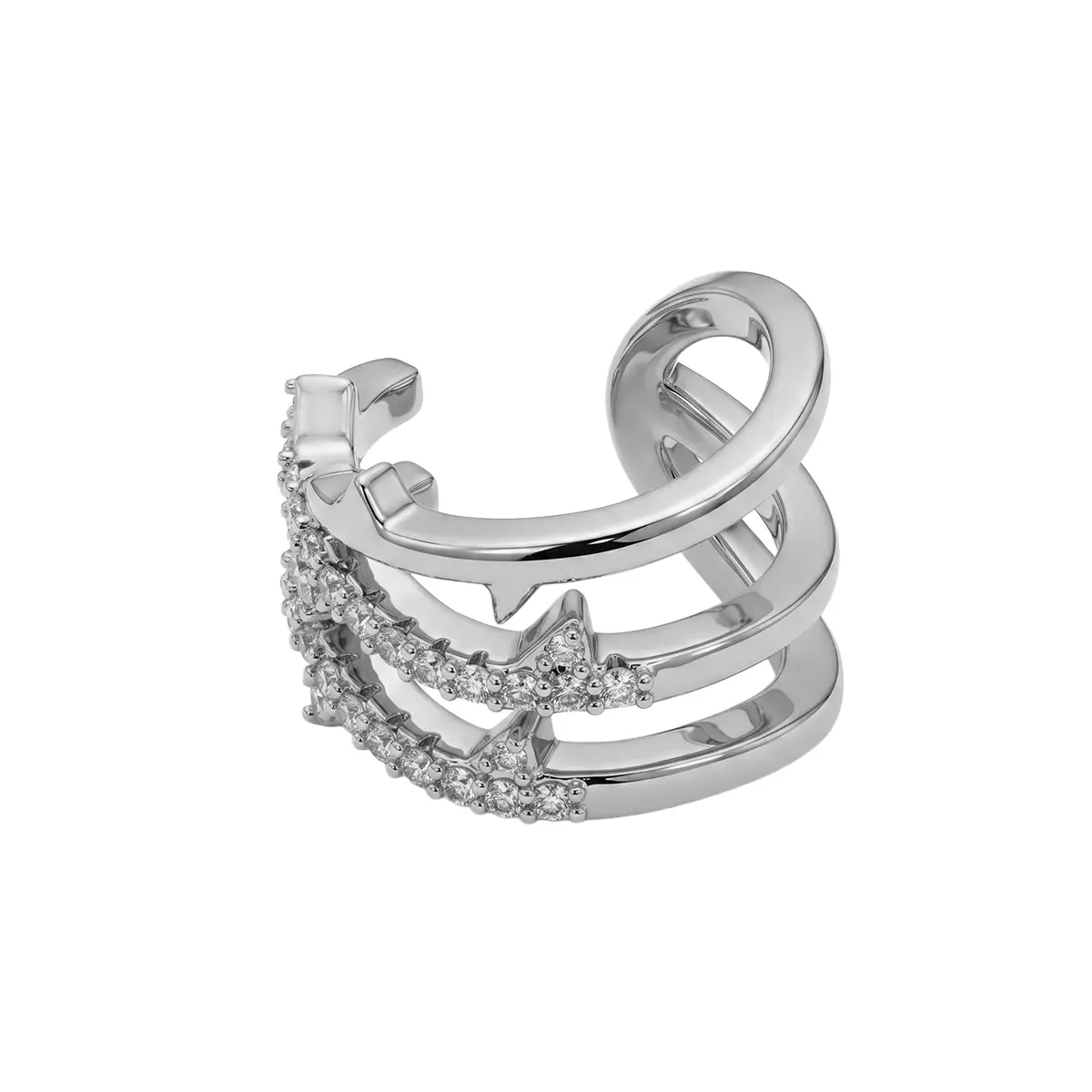
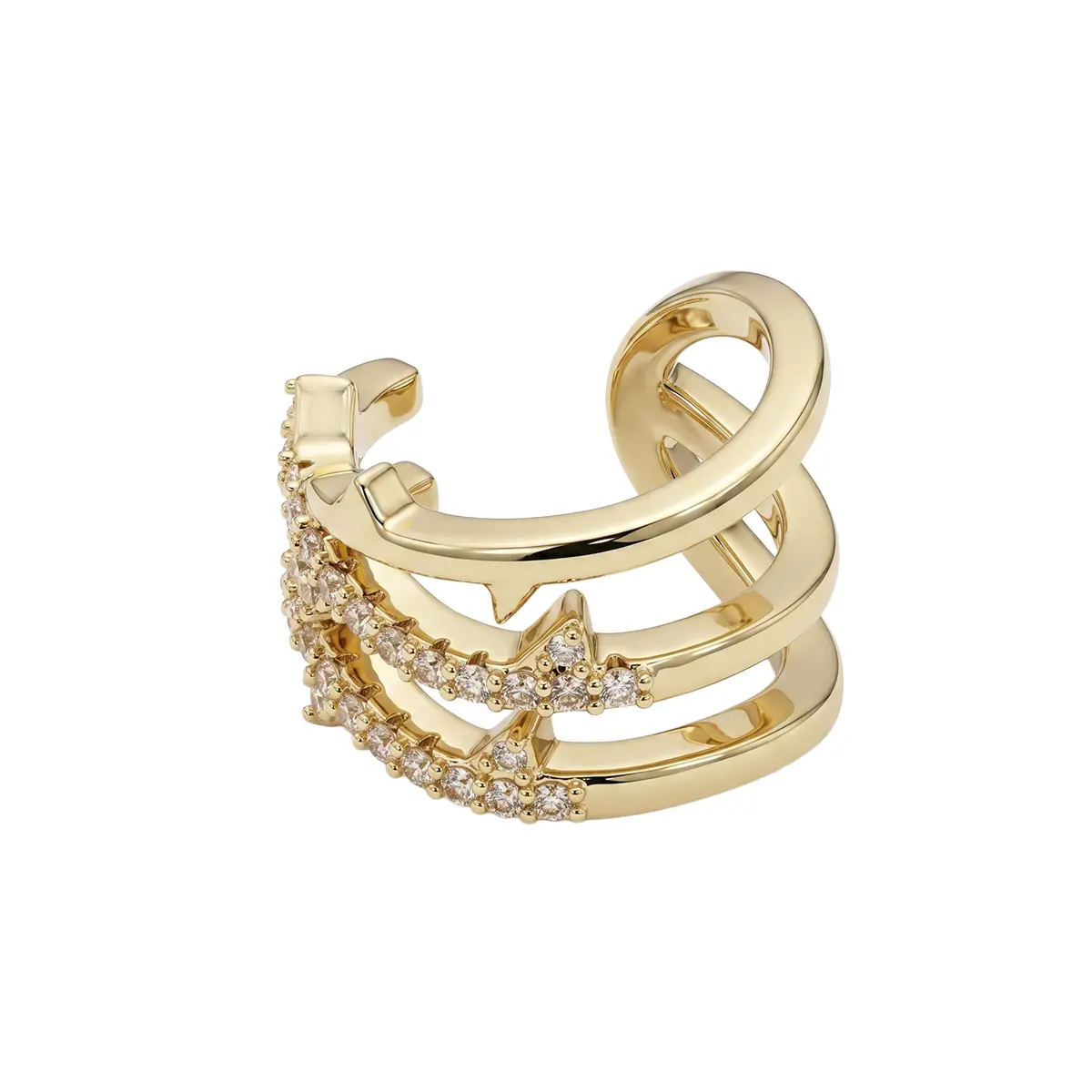
The global fashion market experiences rapid growth. Retailers need agile supply chain partners to maintain consumer interest. Many businesses utilize specialized OEM jewelry for brands to scale their operations. This modern manufacturing approach streamlines product development cycles. Companies launch unique collections without purchasing heavy casting machinery. For example, a retailer can introduce Delicate Bamboo Shaped Earrings quickly. Specialized factories handle the complex mold creation and metal polishing steps. Experienced craftsmen ensure each item meets strict retail quality standards. Business owners reduce upfront capital costs while maintaining superior product quality. Consequently, international labels secure a stronger competitive market position. Flexible factories support rapid growth in highly competitive digital spaces. Outsourcing allows brands to focus entirely on marketing and customer service.

How OEM Jewelry for Brands Maximizes Profit Margins

Manufacturing jewelry in-house requires immense capital. Companies must buy precision drills, furnaces, and polishing wheels. They also pay high wages to skilled pewter and silver artisans. Partnering with a factory reduces these operational expenses. Established companies buy OEM jewelry for brands to maximize yield. Factories achieve massive economies of scale by purchasing raw metals in bulk. This process lowers the cost per unit significantly. Savings help businesses invest more resources into marketing campaigns. Furthermore, corporate buyers avoid expensive machinery maintenance bills. External manufacturing partners absorb these facility management costs. Jewelry companies preserve precious cash flow for critical scaling activities. Efficient resource allocation drives higher profitability over long fiscal periods. Strategic sourcing creates a highly resilient financial structure.

Logistical and Distribution Efficiency

Efficient distribution routes speed up market delivery times significantly. Specialized suppliers package and label products according to custom specifications. They coordinate with major courier networks to ensure prompt delivery. Retail stores receive ready-made shipments directly at their warehouses. This seamless shipping process prevents retail supply chain blockages. Consequently, business owners spend less time solving logistical problems. Dedicated factory agents monitor transit statuses using advanced digital tracking. Quick transit ensures merchants refresh retail displays without long waiting periods. Customers enjoy constant access to fresh fashion products in-store. High availability strengthens brand reputation among modern active buyers. Reliable shipping frameworks support physical and digital sales channels. Efficient logistics turns simple supply chains into powerful competitive advantages. Strategic delivery models enhance retail resilience in unstable global economies.

Financial Performance Comparison of Jewelry Sourcing Models

Sourcing Metric In-House Manufacturing OEM Partnership Model
Initial Capital Setup High (Machinery & Facilities) Zero Equipment Investment
Per-Unit Production Cost High (No Bulk Purchasing) Low (Economies of Scale)
Design Development Speed Slow (Manual Prototyping) Rapid (CAD and 3D Printing)
Labor Overhead Risks High (Artisan Salaries) Zero Permanent Payroll

Analyzing Cost Efficiency and Infrastructure Savings

The table illustrates clear financial differences between production models. Business owners face extreme costs when setting up factories. They must buy specialized tools and maintain clean workspaces. Contrarily, outsourcing removes these initial capital barriers. Professional manufacturing partners possess established infrastructure already. Brands immediately leverage these ready-made production lines. Consequently, product design development speeds up significantly. Skilled factory engineers utilize advanced software for precision modeling. This digital process eliminates costly manual errors during prototyping. Retailers launch collections faster without paying permanent artisan salaries. They enjoy flexible cost structures that adjust to market demands. Financial flexibility protects companies during sudden economic changes. Strategic partnerships turn fixed overheads into variable expenses easily. This transition secures corporate safety and boosts quarterly profits.

Material Performance and Durability Standards

Material Category Durability Level Tarnish Resistance Hypoallergenic Status
925 Sterling Silver Moderate (Requires Care) High (With Rhodium Plating) Excellent (Nickel-Free)
Brass High (Strong Base Metal) Moderate (Needs Protective Seal) Good (With Proper Barrier)
Stainless Steel Extreme (Highly Resilient) Excellent (Does Not Rust) Superb (Surgical Grade)

Deciding the Right Materials for Luxury Jewelry Lines
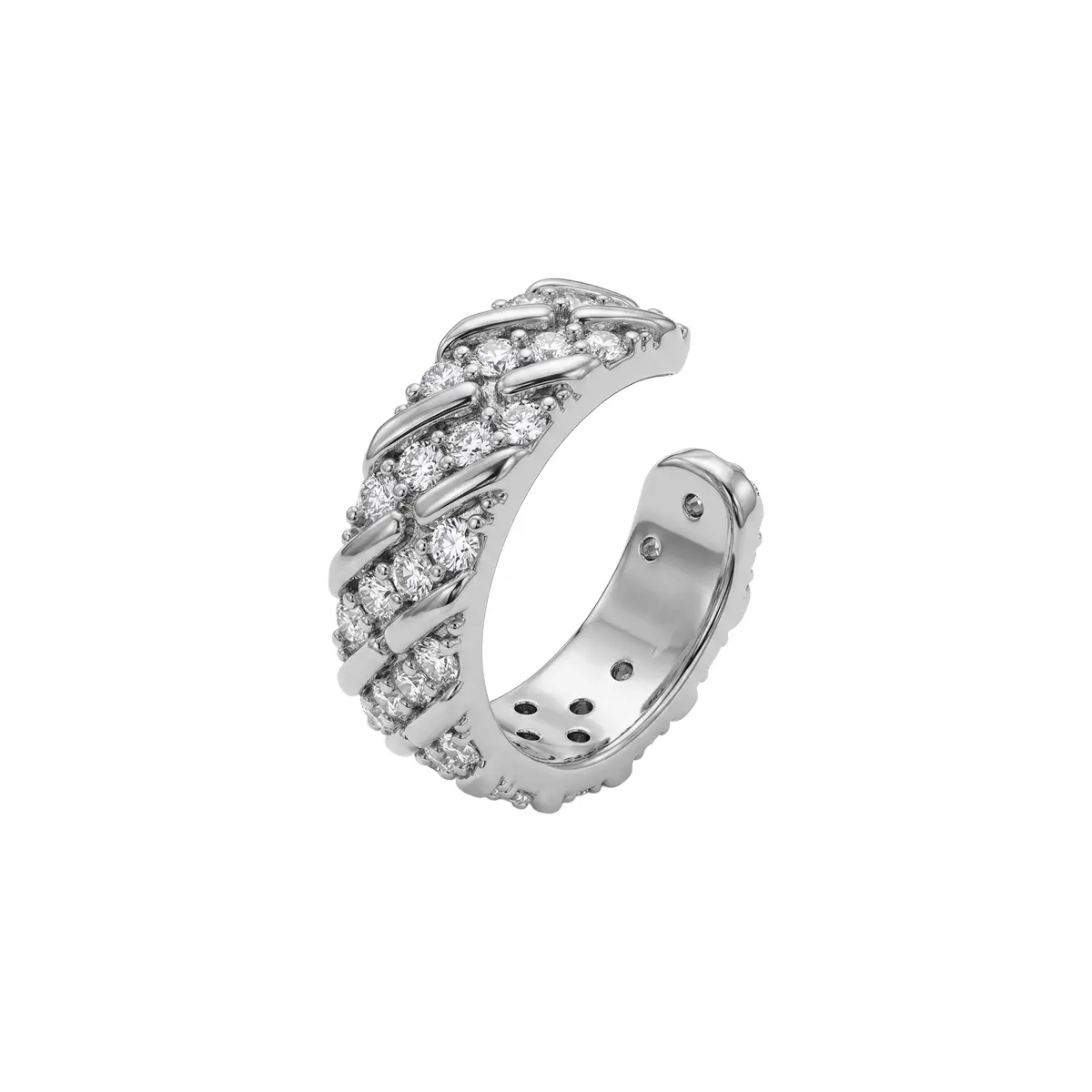
Choosing the correct base metal determines product longevity. Table data indicates that stainless steel provides immense physical durability. It resists scratching and daily wear effectively. Meanwhile, sterling silver represents a classic luxury option. Silversmiths apply rhodium plating to protect silver from oxidation. This step ensures the silver retains its bright shine. Brass offers an excellent alternative for chunky fashion pieces. Manufacturers seal the brass to prevent skin discoloration. Quality factories apply hypoallergenic coatings to protect sensitive skin. These safety measures prevent customer complaints and returns. Brands selecting materials must align choices with customer expectations. Careful material selection guarantees positive reviews and repetitive sales. Reliable supply chains deliver consistent physical properties every time. Consistent quality builds deep trust with luxury consumers globally.

Why Global Firms Source OEM Jewelry for Brands

  • Strict Design Protection: Factories use robust security protocols to guard client blueprints.
  • Advanced Plating Techniques: Modern facilities offer physical vapor deposition for lasting color.
  • Chemical Safety Certifications: Partners supply items meeting European environmental regulations.
  • Flexible Scaling Options: Manufacturing lines adjust output based on seasonal demand fluctuations.

Strategic Operational Advantages of Outsourced Production

Scalability benefits allow businesses to expand without taking big risks. Factories handle both small batches and massive production runs. For example, a brand might launch an Irregular Matt Gold Geometry Brass Earring. The manufacturing partner produces this intricate piece to precise specifications. Advanced plating techniques keep the gold layer intact for years. Additionally, strict security protocols protect original designs from duplication. Successful companies choose OEM jewelry for brands to secure these advantages. Secure development pipelines protect valuable corporate intellectual property. Environmental compliance certificates ensure easy customs clearance worldwide. Regulatory issues never block shipment deliveries at international ports. Business owners bypass operational headaches and focus on marketing. Professional factories execute the physical labor with extreme accuracy. Strategic partnerships yield highly reliable results for growing businesses.

Technical Benchmarks and Chemical Verification Methods
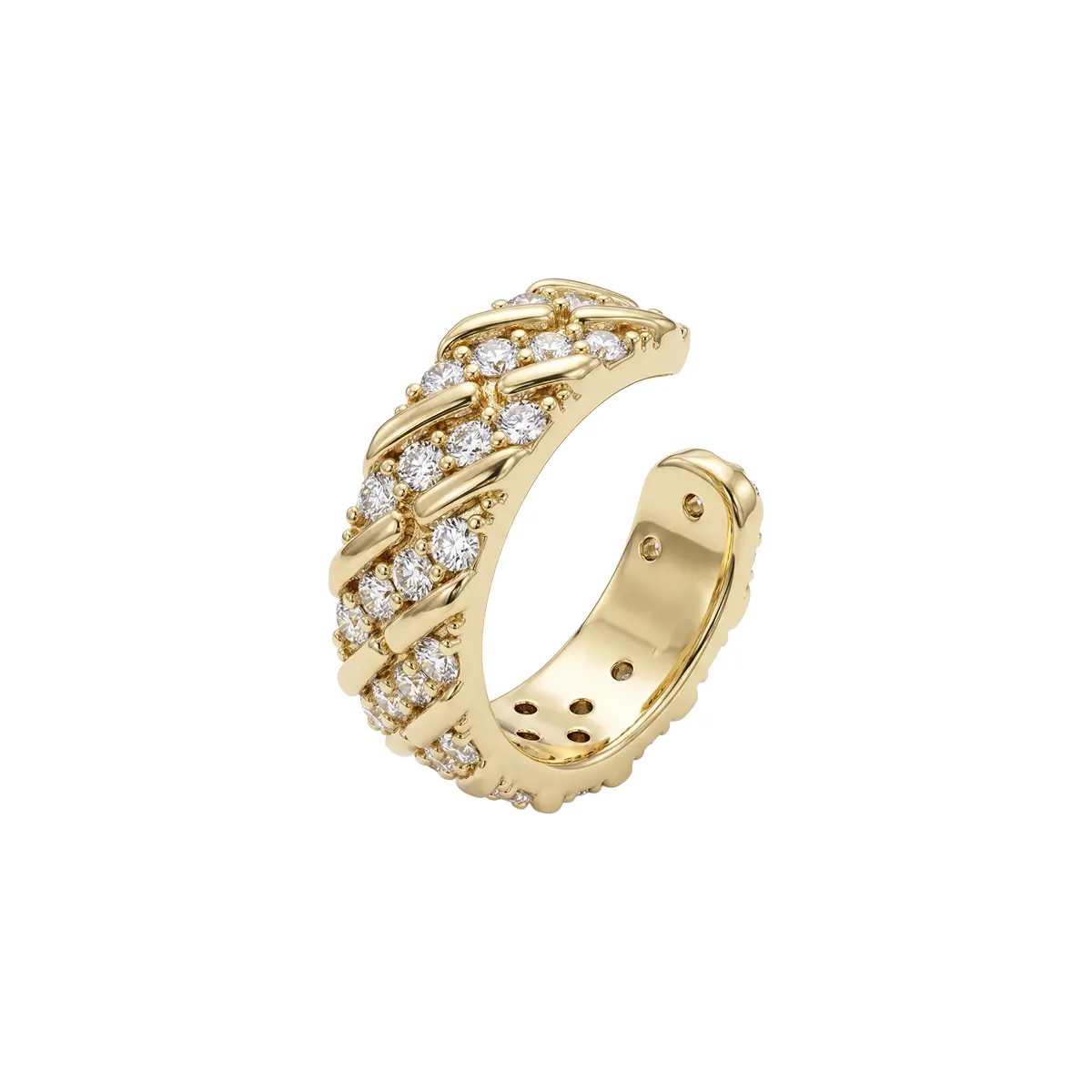
Modern jewelry creation relies on exceptional technical precision. Factories utilize computer numerical control milling machines for complex shapes. This equipment cuts solid metals with sub-millimeter accuracy. Technicians analyze every metal batch using optical emission spectrometers. Testing ensures total compliance with international environmental standards. Jewelry must remain free from lead, cadmium, and nickel. Meeting REACH regulations protects consumers from hazardous chemical exposure. Furthermore, factories apply physical vapor deposition plating inside vacuum chambers. This technique bonds real gold particles directly to base metals. The resulting finish resists sweat and saltwater damage beautifully. Global clients require OEM jewelry for brands to guarantee safety. Strict quality verification procedures build long-term consumer trust. Certified laboratories verify raw materials before final assembly begins. Professional standards define excellence in modern luxury production.

how to buy jewelry in bulk

Building Sustainable Growth in Jewelry Retail

Expanding a business requires careful supply chain management. Retailers face fluctuating market trends and rising metal prices. Smart companies outsource production to maintain high agility. Sourcing quality OEM jewelry for brands provides necessary flexibility. Partners handle raw materials, design scaling, and strict safety testing. Consequently, brand owners can focus on digital marketing strategies. This distribution of labor minimizes operational waste. Businesses avoid heavy machinery debt and focus cash on growth. Reliable manufacturing alliances ensure a stable product flow. This constant stream of inventory satisfies impatient consumers. Retail stores remain stocked with fashionable, compliant jewelry pieces. Long-term relationships with quality suppliers drive commercial success. Reliable factory partners elevate emerging fashion businesses. Strategic sourcing builds a foundation for global expansion.

FAQ

What is the typical minimum order quantity for custom manufacturing?

Minimum order requirements vary depending on raw material selections. Factories usually ask for one hundred pieces per design. Precious metals like sterling silver require higher cash deposits. Brass and steel items offer lower entry thresholds. High limits ensure factories cover initial machinery setup costs. Creating custom molds consumes precious labor and material resources. Small brands can start with semi-custom options to lower risks. Large orders decrease the production cost per individual piece. Business buyers discuss initial requirements with representatives before starting. Suppliers negotiate flexible terms for promising long-term partnerships. Clear communication prevents production delays during early phases. Brands evaluate their budget capacity before placing order requests.

How do manufacturers protect intellectual property and custom designs?

Professional manufacturing units establish strict safety protocols to protect property. Partners sign legally binding non-disclosure agreements before sharing designs. Digital files remain on highly secure private servers. Only authorized engineers access 3D models during production. Furthermore, physical molds stay inside locked storage rooms. Factories prohibit workers from taking personal cameras into workspaces. Strict rules stop design leaks to external competitors. Serious partners value corporate trust and protect client blueprints. Retailers should verify factory security policies during early negotiations. Legal contracts outline heavy penalties for unauthorized design duplication. Safe production environments safeguard corporate creations against theft. Secure processes give retail brands complete confidence during launches.

Which materials are best suited for commercial jewelry lines?

Metal selection depends on retail price points and aesthetics. Sterling silver attracts consumers looking for fine jewelry characteristics. It holds value well and takes rhodium plating beautifully. Brass provides a highly durable base for chunky designs. This material allows craftsmen to carve detailed physical textures. Stainless steel offers maximum strength and resists daily tarnishing. It suits active wearers because it does not rust. Designers choose hypoallergenic options to protect diverse customer bases. Each material has unique benefits for specific retail sectors. Smart merchants select metals based on target audience expectations. Quality materials ensure positive consumer reviews and repeated purchases. Consistent supply chains help retail lines scale up easily.

Ready to Create Your Own Jewelry Brand?

Built for Your Business Growth

Global brands switch to Joychicco

Competitive Manufacturing Efficiency

Optimized production workflows and stable material sourcing help reduce manufacturing costs while maintaining reliable quality standards.

Consistent Quality Standards

Multi-stage inspections and standardized production processes ensure stable quality across every order and reorder.

Scalable Production Capacity

Flexible production capacity supports both new collection launches and large-volume repeat orders with reliable lead times.

Long-Term Production Partnership

We support growing jewelry brands with dependable communication, stable production planning, and long-term manufacturing consistency.