WechatIMG1079 拷贝

GET A QUOTE

Quote Now

Please write your message, ask for price, we will reply you soon, thanks.

Please enable JavaScript in your browser to complete this form.

Wholesale Jewelry Manufacturer & Product Categories

  1. Home
  2. /
  3. INDUSTRY NEWS
  4. /
  5. How Does Jewelry OEM Development...

≡ Categories

INDUSTRY NEWS

JOYCHICCO NEWS

How Does Jewelry OEM Development Benefit Your Brand?

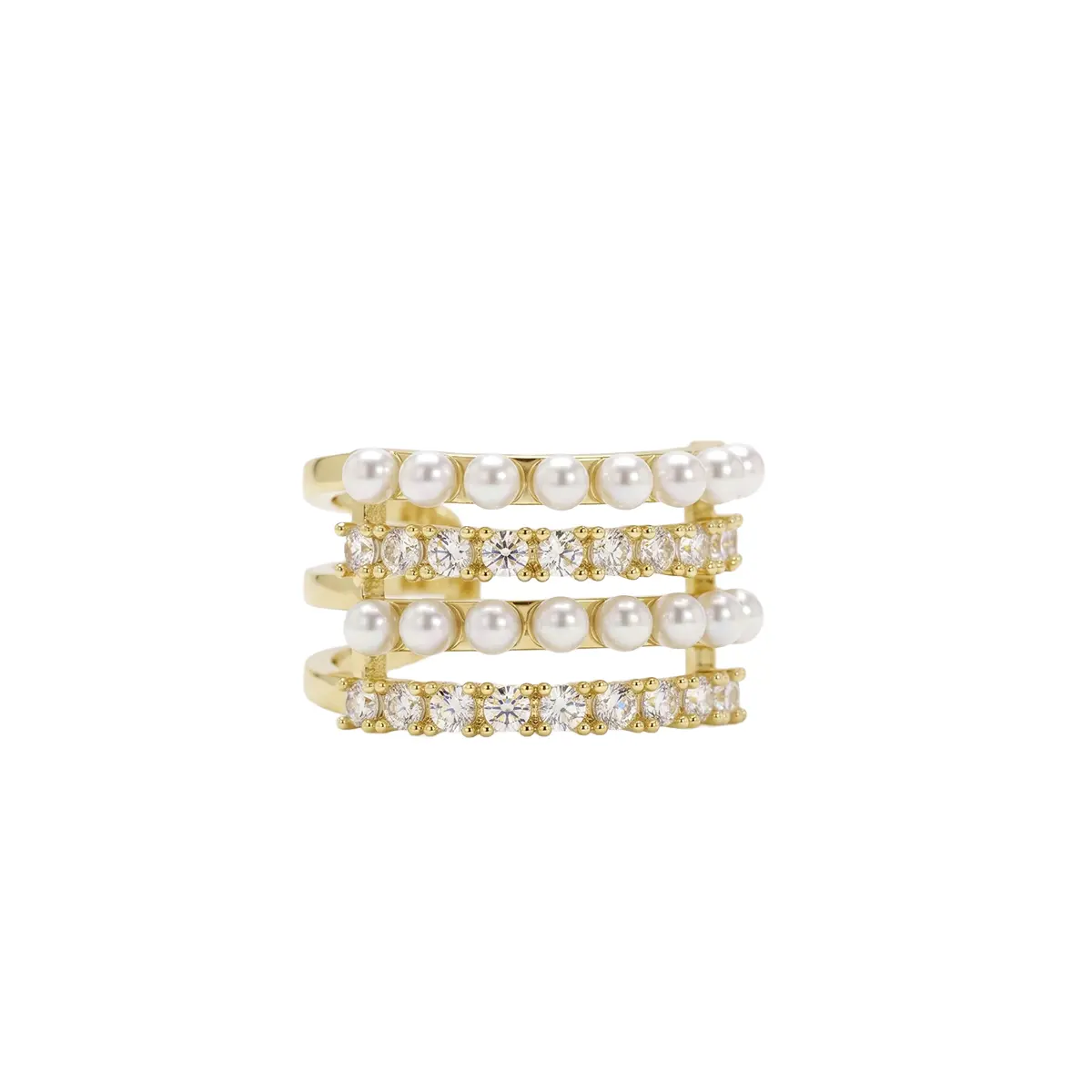
  • Establish consistent quality in jewelry OEM development. Access advanced casting and plating through specialized factories.
jewelry fashion coordination

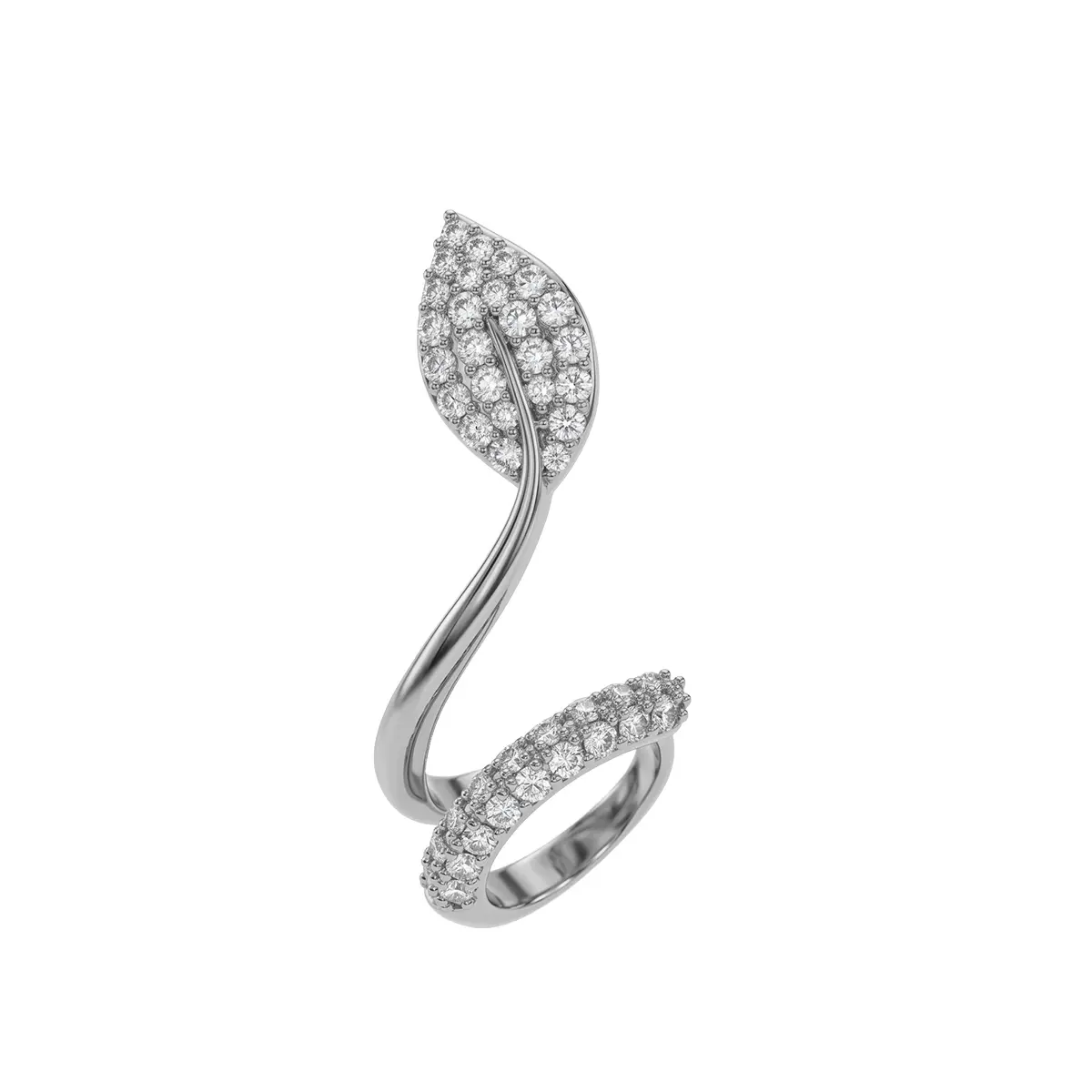
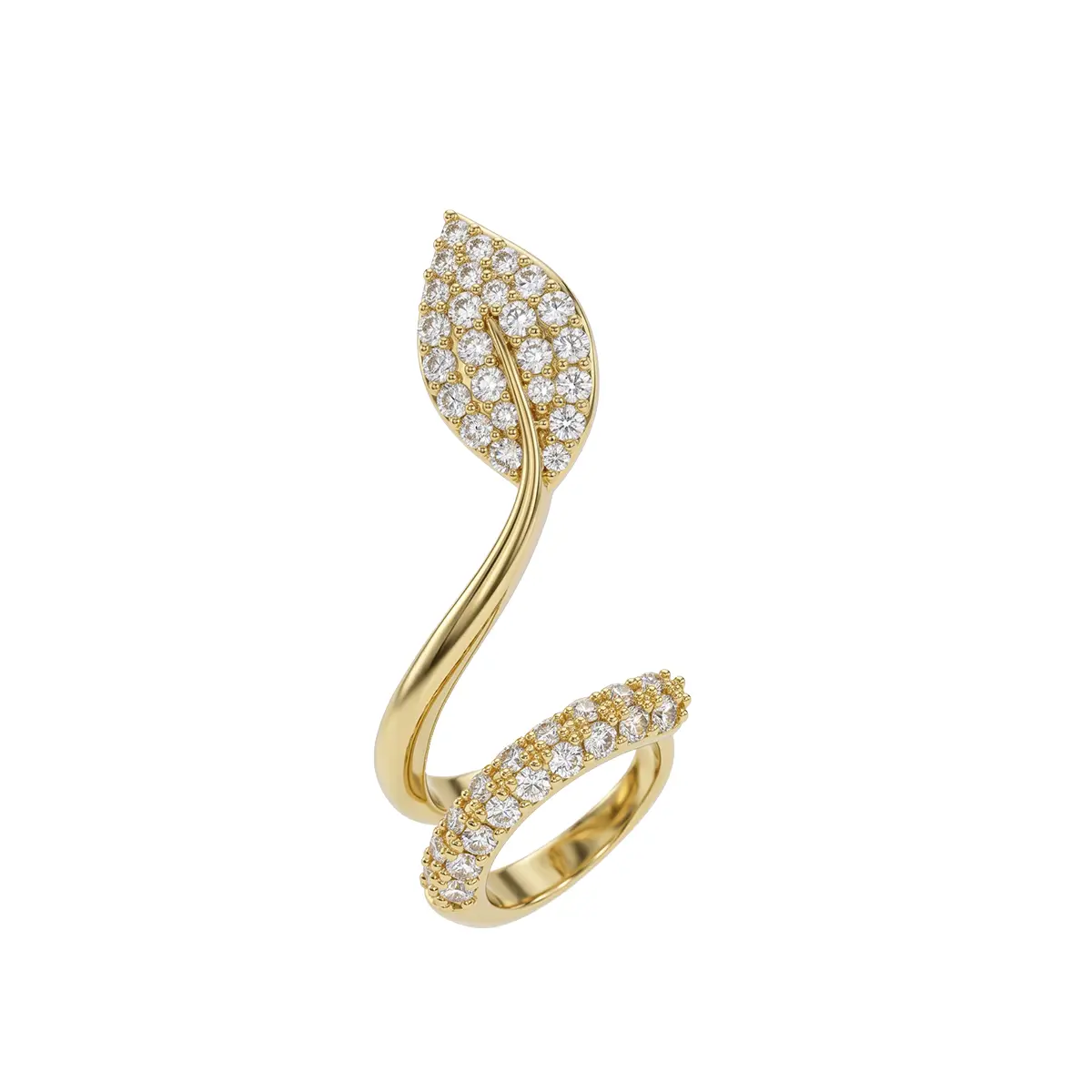
Global retail markets require rapid scaling to maintain a competitive advantage in the luxury sector. Brands must secure dependable supply chains to meet volatile customer demands efficiently. Utilizing professional jewelry OEM development allows business owners to focus on core marketing strategies. Experienced manufacturing partners handle raw material procurement and meticulous quality checks. This strategic delegation reduces operational risks and guarantees exceptional craftsmanship for every batch. Modern factories utilize specialized machinery to produce consistent results under tight shipping schedules. Companies can quickly expand their product catalogs without investing in expensive manufacturing equipment. Outsourcing remains the most efficient path to scale a retail brand today. Professional suppliers deliver retail-ready products that elevate brand reputation in competitive markets.

Streamlining Production Through Jewelry OEM Development

Efficiency dictates profitability in the modern fashion and fine accessories industry. Retailers often struggle with production bottlenecks when managing creation processes in-house. Transitioning to professional jewelry OEM development resolves these manufacturing challenges. Trusted manufacturing facilities optimize every single stage of production for maximum efficiency. They employ skilled artisans who operate high-precision machinery with extreme accuracy. Every workflow undergoes rigorous assessment to eliminate unnecessary waste and delay. Faster turnaround times allow businesses to capitalize on rapidly emerging seasonal trends. Reliable partners ensure that finished products match the original design specifications exactly. Your business can maintain consistent inventory levels during peak holiday shopping seasons. Optimized processes translate directly into higher profit margins and happier retail clients.

Accessing Advanced Materials and Engineering Expertise

Creating modern accessories requires deep metallurgical knowledge and advanced casting technologies. Premier manufacturing plants utilize specialized computer-aided design systems for perfect prototyping. Engineers analyze metal alloy behavior to prevent future tarnishing or structural weakness. For instance, the creation of Irregular Flower Matte Earrings with Advanced and Versatile Style demands high-precision molds. Master molders apply specific matte finishes to the brass base to achieve a soft luster. This delicate texture contrasts beautifully with high-polish metallic accents on modern statement pieces. Advanced vacuum plating processes deposit thick layers of gold or rhodium onto base metals. These protective layers ensure long-lasting wear and prevent allergic skin reactions for consumers. Partnering with experts guarantees access to these complex chemical and mechanical treatments.

Reducing Operational Overhead and Capital Expenditures

Operating an independent jewelry manufacturing facility requires massive capital investment in specialized tools. Business owners must purchase expensive casting furnaces, laser welders, and heavy polishing machines. They must also hire and train expert jewelers to manage complex assembly lines. Outsourcing production to an external facility removes these heavy financial burdens entirely. Brands can redirect precious capital toward creative marketing campaigns and digital platform expansion. For example, producing the 18K Gold Plated Big Baroque Pearl Textured Irregular Rings requires highly specialized artisans. Skilled workers must carefully select unique organic pearls that fit irregular cast ring bands. Entrusting this complex task to an external factory guarantees superb execution at low unit costs. Smart financial management dictates outsourcing these intricate technical processes to certified facilities.

Key Services in Custom Jewelry Production

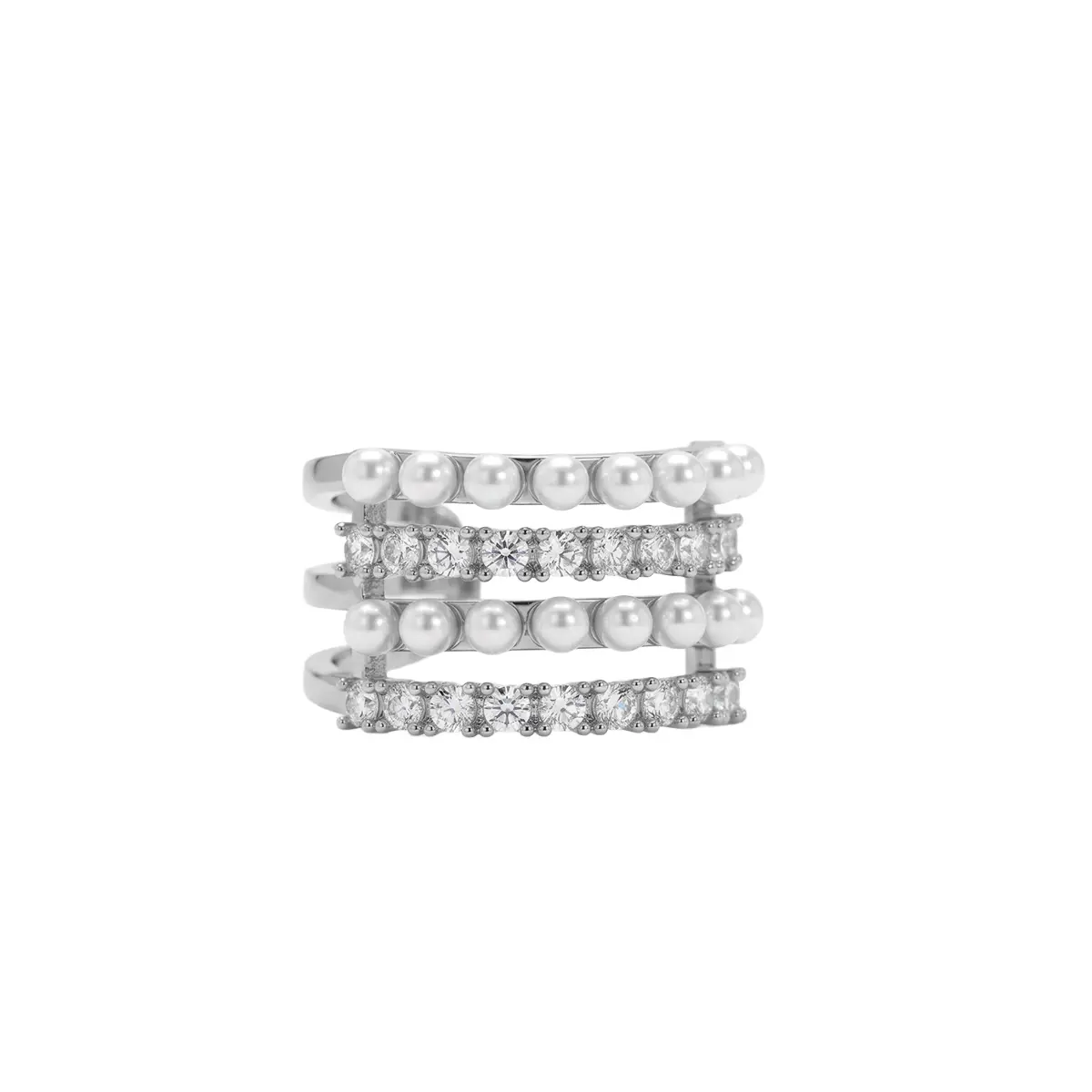
Elite partners offer a comprehensive suite of services that cover the entire product lifecycle. Brands receive support from the initial conceptual sketch to the final retail packaging stage. Specialized designers transform basic ideas into detailed digital files using three-dimensional modeling software. These digital models undergo physical testing through advanced high-speed resin printing systems. Seamless jewelry OEM development depends on executing each step with maximum technical precision. Our manufacturing facility maintains dedicated departments for casting, hand polishing, and stone setting. Dedicated quality inspectors verify the integrity of every piece before bulk shipping. This complete integration ensures consistent product quality and eliminates shipping delays. The list below highlights the core technical phases of our modern manufacturing process.

  • 3D CAD Modeling: Converting creative hand sketches into precise digital blueprints.
  • Wax Prototyping: Printing highly detailed wax models using high-resolution 3D printers.
  • Vacuum Casting: Melting precious metal alloys inside controlled, oxygen-free vacuum chambers.
  • Manual Stone Setting: Securing genuine gemstones or cubic zirconia using micro-prong techniques.
  • Electroplating & Coating: Applying thick layers of gold and protective anti-tarnish seals.
Analyzing Custom Production Capabilities

Each technical phase described in the list directly impacts the retail value of fine accessories. Precise digital modeling eliminates design flaws before metal casting begins, saving valuable time. Vacuum casting prevents microscopic air bubbles from forming inside the hot metal structure. This specialized step ensures that the final product remains strong and highly durable. Hand setting gemstones requires immense concentration and decades of specialized workshop experience. Artisans secure each stone carefully to prevent loose fittings under daily wear conditions. Electroplating adds a thick gold barrier that protects the inner brass or silver base. Finally, applying an anti-tarnish coating preserves the radiant shine of the metal surface. These integrated steps yield premium products that easily meet international consumer safety standards. Partnering with a skilled factory secures these technical benefits for your growing business.

Comparing Jewelry Production Workflows

Choosing the right production model directly affects long-term business scalability and capital efficiency. Brands must evaluate the true costs associated with internal workshops versus outsourced manufacturing. Professional jewelry OEM development offers clear benefits regarding volume flexibility and quality control. Factories employ specialized management protocols that optimize raw material utilization and reduce waste. In contrast, running a small private workshop often leads to higher raw material overhead. Small facilities struggle to negotiate favorable bulk discounts for precious metals and gemstones. Large-scale manufacturing partners pass these direct cost savings along to their business clients. The HTML table below compares these two manufacturing models across vital operational metrics. Examining these differences helps executives make informed choices for their product sourcing strategy.

Operational Metric In-House Workshop Professional OEM Factory
Initial Equipment Investment Extremely High (Purchasing Machinery) Zero (Outsourced Infrastructure)
Production Capacity Limit Low (Constrained by local labor) Virtually Unlimited (Scalable Shifts)
Quality Control Consistency Variable (Manual inspection variation) High (Standardized ISO workflows)
Material Bulk Pricing Discount Minimal (Low volume orders) Maximum (Large volume purchasing)
jewelry fashion coordination

Interpreting the Strategic Manufacturing Comparison

The comparative data highlights the financial barriers associated with operating independent manufacturing facilities. Startups often exhaust their initial funding by buying heavy casting and polishing equipment. Outsourcing eliminates these equipment costs and frees up working capital for growth. Large manufacturing facilities operate standardized ISO quality systems to maintain consistent production levels. This systematic approach guarantees that every jewelry piece meets strict metal purity requirements. Furthermore, these factories purchase raw precious metals in massive quantities to secure discounts. They pass these material savings directly to retail brands through lower unit costs. Brands can maintain excellent retail profit margins while offering competitive prices to customers. Utilizing these external capabilities represents a highly logical move for growing retail enterprises.

Comparing Technical Plating and Alloy Standards

Selecting the correct materials and plating thickness determines the retail price of fine jewelry. Brands must specify these details before starting the main production run with factories. Different base metals require distinct plating techniques to guarantee perfect adhesion and color. For instance, brass bases and sterling silver bases react differently during electroplating processes. Premium products often receive thick layers of genuine gold to prevent premature wear. Standardized testing ensures that the plating thickness matches the certified technical specifications. Retailers can request specific thickness levels depending on their target market price points. The HTML table below details the technical standards for popular metal and plating combinations. This detailed data assists product managers in selecting optimal options for new collections.

Base Metal Plating Material Standard Thickness Target Durability Rating
925 Sterling Silver 18K Yellow Gold 2.5 Microns (Vermeil) Very High (Daily Wear)
H65 Environmental Brass 14K Rose Gold 1.0 Microns High (Fashion Wear)
316L Stainless Steel Physical Vapor Deposition (PVD) Gold 0.5 Microns Excellent (Waterproof)

Explaining Premium Material and Plating Standards

The tabulated metrics demonstrate why material selection plays a critical role in brand positioning. Sterling silver paired with gold vermeil plating represents a premium choice for high-end consumers. This combination provides a beautiful weight and luxurious look at reasonable manufacturing prices. Environmental brass offers a highly cost-effective alternative for fast-fashion seasonal lines. Modern vacuum plating techniques apply a very dense gold coat to stainless steel. Such advanced processes produce highly durable, waterproof accessories that resist scratches effectively. Customers can wear these durable pieces daily without worrying about discoloration or damage. Brands can carefully match these physical specifications to their specific customer demographic expectations. Working with a competent factory ensures exact compliance with these precise metallurgical standards.

FAQ

What is the typical timeline for custom sample creation?

Sample manufacturing timelines vary depending on design complexity and master mold specifications. Initial CAD design phases require approximately three business days to complete accurately. Skilled designers modify the digital files until the retail brand approves the product dimensions. Next, high-resolution 3D wax printers create a precise master mold in twenty-four hours. This physical wax model undergoes liquid plaster casting to form the primary metal prototype. Artisans manually polish the metal sample and perform extensive electroplating tests. The entire sample creation process typically takes twelve to fifteen working days. Fast sample delivery helps brands verify product quality before authorizing large mass orders. Our specialized workshop prioritizes rapid prototyping to keep your projects moving forward quickly.

How do manufacturers guarantee metal purity standards?

Premium factories implement strict material verification protocols to guarantee alloy purity standards. Quality inspectors melt raw gold and silver inside separate, clean induction furnaces. They extract random material samples from every single batch for professional chemical analysis. Modern laboratories use advanced X-ray fluorescence machines to verify precious metal concentrations.

This scientific testing ensures that sterling silver contains exactly ninety-two point five percent pure silver. All raw materials must comply strictly with international REACH and RoHS chemical standards. Compliance prevents toxic heavy metals like lead or nickel from contaminating our premium alloys. Brands receive official metal assay certificates with every completed bulk shipment we deliver. These transparent quality reports build trust and protect your brand from serious legal liabilities.

What are the minimum order requirements for production?
Minimum order requirements depend heavily on the specific materials and manufacturing methods used. Standard custom casting orders typically require one hundred pieces per design style. This volume ensures that manufacturing lines run efficiently and raw metal melting remains cost-effective. However, factories often offer lower minimum orders for premium silver or brass designs. Brand managers can negotiate customized terms when launching complex or high-value capsule collections. We aim to support growing businesses by offering flexible manufacturing options whenever possible. Higher production volumes naturally reduce the individual unit cost of each finished accessory. Our sales team provides customized volume quotes based on your specific design requirements. Contact our experienced agents to discuss custom manufacturing plans tailored to your brand budget.

Ready to Create Your Own Jewelry Brand?

Built for Your Business Growth

Global brands switch to Joychicco

Competitive Manufacturing Efficiency

Optimized production workflows and stable material sourcing help reduce manufacturing costs while maintaining reliable quality standards.

Consistent Quality Standards

Multi-stage inspections and standardized production processes ensure stable quality across every order and reorder.

Scalable Production Capacity

Flexible production capacity supports both new collection launches and large-volume repeat orders with reliable lead times.

Long-Term Production Partnership

We support growing jewelry brands with dependable communication, stable production planning, and long-term manufacturing consistency.