WechatIMG1079 拷贝

GET A QUOTE

Quote Now

Please write your message, ask for price, we will reply you soon, thanks.

Please enable JavaScript in your browser to complete this form.

Wholesale Jewelry Manufacturer & Product Categories

  1. Home
  2. /
  3. INDUSTRY NEWS
  4. /
  5. What Services Do OEM Jewelry...

≡ Categories

INDUSTRY NEWS

JOYCHICCO NEWS

What Services Do OEM Jewelry Production Factories Offer?

  • An OEM jewelry fast production factory provides rapid prototyping, bulk casting, and custom electroplating for global brands.
best jewelry supplier Yiwu
how to buy jewelry in bulk

Modern retail brands require rapid turnarounds to capture fast-moving fashion trends. A dedicated OEM jewelry fast production factory meets this urgent demand with advanced digital workflows. Engineering teams first convert hand-drawn sketches into highly precise computer-aided design files. Specialized technicians then feed these digital files into high-resolution stereolithography three-dimensional printers. These printers produce solid wax models with micrometer-level accuracy in mere hours. This swift digital process eliminates traditional hand-carving errors completely. Clients receive exact virtual renderings before physical production even starts. Consequently, bulk manufacturers accelerate the initial product approval stage significantly. This seamless transition from design to physical prototype ensures rapid market entry. Brand owners can test consumer interest without committing to massive initial inventories. Additionally, digital archiving allows factories to retrieve and modify older designs effortlessly. Global companies scale their production up or down based on real-time consumer feedback.

Precision Molding Solutions for Scalable Jewelry Manufacturing

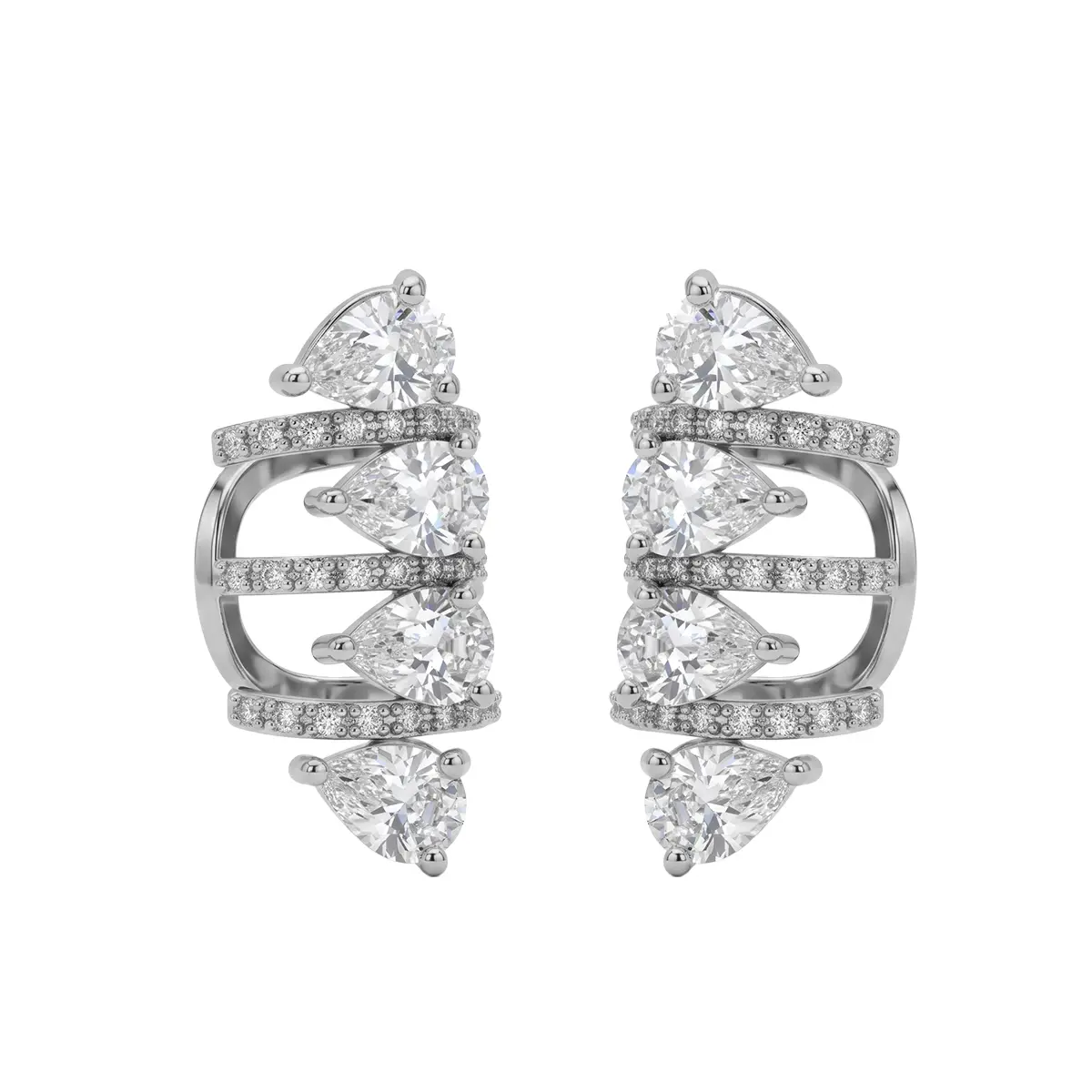
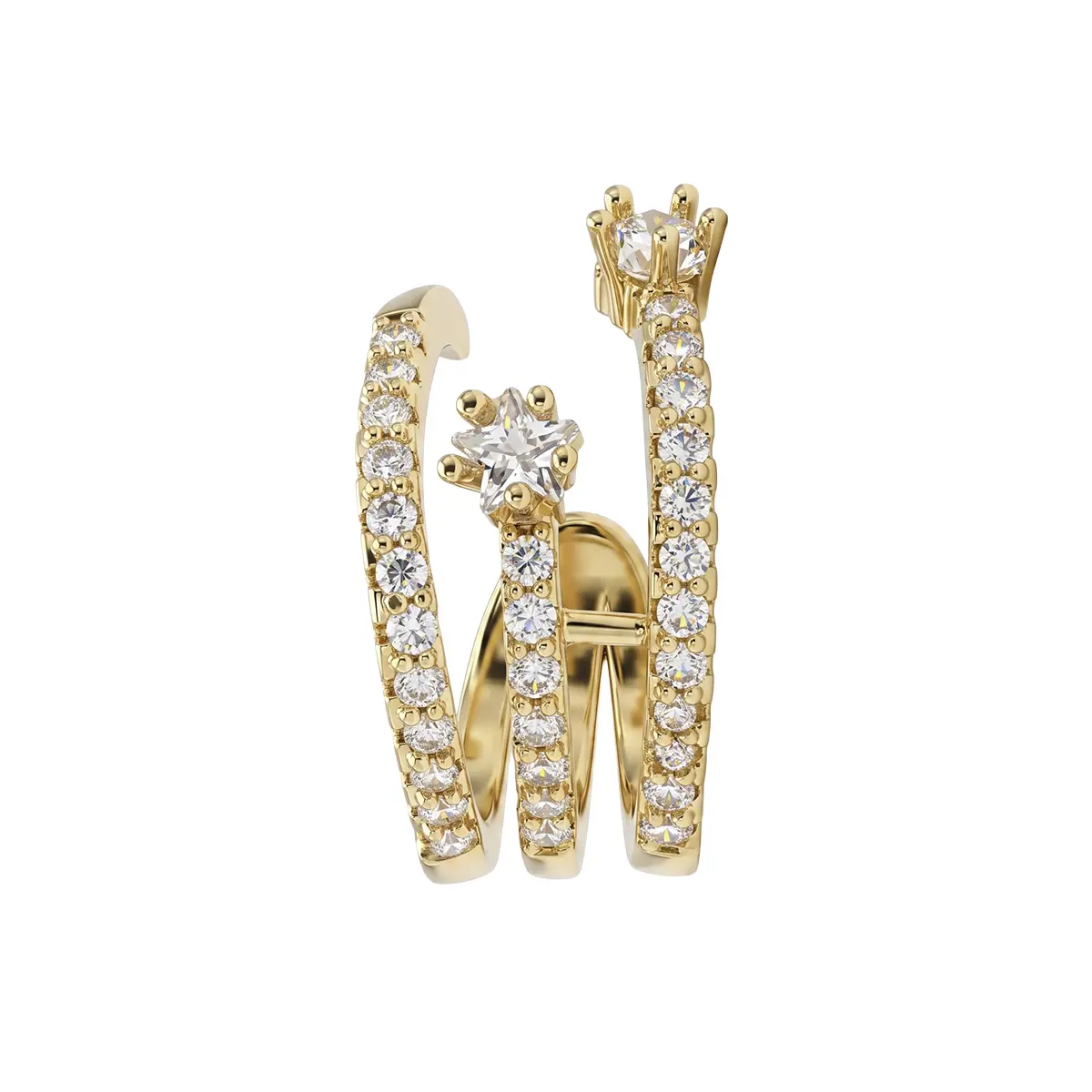
High-volume replication depends heavily on the creation of durable physical molds. Technicians compress raw rubber sheets around the metal master pattern under high heat. This vulcanization process creates a highly detailed cavity for molten wax injection. Silicone molds provide a flexible alternative for intricate, fragile filigree designs. Injecting liquid wax into these molds yields consistent replicas for mass manufacturing. Every single wax replica represents the exact dimensions of the final jewelry piece. For example, this precise method shapes delicate items like Fashion Gold Plated Zircon Earrings for Women. Workers inspect each wax piece under magnifying lamps to remove surface imperfections. Flawless wax replicas ensure that the subsequent casting stage yields pristine metallic structures. This meticulous mold-making stage serves as the foundation for excellent surface quality. Furthermore, proper mold maintenance prevents dimensional warping during repeated production cycles. Jewelry brands secure consistent product dimensions across multiple large-scale delivery batches.

Bulk Castings Utilizing Advanced Vacuum Induction Technology

Vacuum loss-wax casting transforms wax trees into sparkling precious metal batches. Operators assemble multiple wax replicas onto a central runner to form a tree structure. They pour liquid plaster over the tree inside a heavy steel flask. High-temperature kilns burn away the wax completely, leaving empty, detailed plaster chambers. An experienced OEM jewelry fast production factory utilizes induction heating to melt metals rapidly. The liquid metal flows into the plaster mold under strong vacuum pressure. This pressure forces the molten alloy into the tiniest details of the cavity. Water quenching breaks the hot plaster away, revealing raw metal jewelry castings. Technicians then cut the individual pieces from the central metal runner carefully. This thermal process requires precise temperature controls to avoid structural metal porosity. Additionally, casting operators analyze the grain structure of the cooled metal batches regularly. Strict heating parameters guarantee excellent mechanical strength for everyday jewelry wear.

Comprehensive Automated Polishing and Fine Finishing Services

Raw metal castings emerge from the quench tanks with dull, oxidized surfaces. Mass-finishing machines resolve this initial roughness through automated rotary or vibratory tumbling. Steel media and specialized chemical solutions remove the coarse casting scale effectively. Artisans then take over the fine detail work using bench-mounted polishing wheels. They apply different grades of abrasive compounds to achieve a brilliant shine. This laborious step requires steady hands and consistent pressure to prevent detail loss. Modern facilities utilize automated magnetic pin tumblers for highly complex jewelry geometries. The tiny steel pins reach into deep crevices that traditional hand wheels cannot touch. As a result, every piece receives an even, smooth texture across its entire surface. Professional factories categorise these options to match the specific stylistic needs of global brands. Furthermore, dedicated finishing teams inspect the polished batches under intense specialized lighting panels. Clean surfaces prepare the raw jewelry pieces for the subsequent chemical plating process.

  • Standard High-Polish Mirror Finish
  • Satin Matte Brushed Finish
  • Hammered Antique Texture
  • Micro-Sandblasted Velvet Surface

Technical Standards for High-Quality Surface Finishes
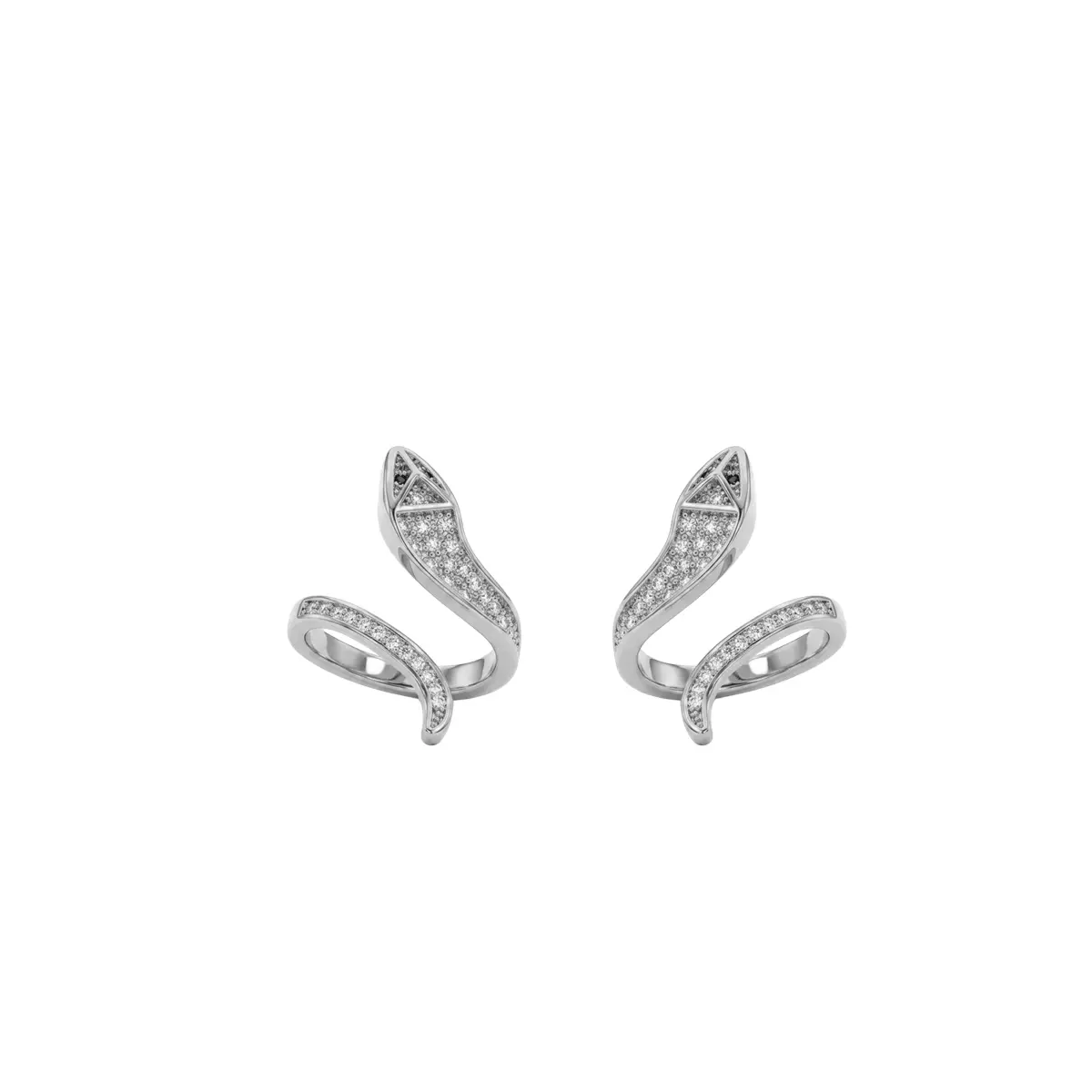
Different design styles command distinct surface aesthetics to appeal to targeted consumer demographics. A mirror polish reflects maximum light, which enhances classic and elegant precious metal designs. In contrast, satin matte finishes scatter light softly to create a contemporary, understated appearance. Manufacturers often apply these specialized textures to bold streetwear items. For instance, the hammered texture adds rugged depth to Europe and America Hip hop Ring Cubic Zircon Brass Jewelry. Technicians measure the resulting surface roughness with specialized electronic profilometers. They ensure the texture depth meets the exact specifications of the client. Consistent finishing protects the metal from premature wear and sweat-induced corrosion. Therefore, standardized mechanical finishing directly influences the longevity of the wholesale jewelry product. Brands rely on these repeatable standards to maintain brand reputation across thousands of units. Properly textured surfaces also optimize the adhesion of subsequent protective nano-coatings. This advanced step prevents early oxidation of the underlying silver or brass alloys.

Quality Assurance Metrics inside an OEM jewelry fast production factory

Maintaining exceptional product consistency requires rigorous inspection phases throughout the manufacturing cycle. Quality inspectors at an OEM jewelry fast production factory check every incoming raw metal ingot. They utilize X-ray fluorescence spectrometers to verify alloy purity levels instantly. This strict testing prevents lead or nickel contamination from entering the casting stream. After casting, workers perform micro-structural scans to detect hidden internal air pockets. They also run tensile pull tests on clasps and chain links to guarantee durability. Prong-set stones undergo manual push tests under stereo microscopes to prevent stones from falling out. These intensive quality measures reduce return rates for retail brands significantly. The table below summarizes standard production lead times and tolerance limits for key metal categories. Careful evaluation at this stage prevents downstream manufacturing errors during assembly. Furthermore, tracking these parameters ensures smooth transitions through subsequent manufacturing steps.

Metal Category Lead Time (Days) Purity Tolerance
Sterling Silver 10 - 12 Days ± 0.05%
Brass Alloys 14 - 16 Days ± 0.10%

Industrial Lead Times and Quality Tolerance Thresholds

The listed timelines demonstrate how base material properties dictate the speed of manufacturing. Sterling silver cast items require shorter molding periods because the metal melts at lower temperatures. In contrast, brass alloys require longer cooling cycles inside the plaster flasks. Engineers closely monitor these cooling rates to prevent metal warping. They also enforce strict purity tolerances to protect sensitive skin. Slight deviations in alloy purity can cause allergic reactions in retail consumers. Therefore, strict quality metrics prevent substandard goods from leaving the facility floor. Efficient workflow planning relies on these predictable material-specific lead times. To provide deeper insight into operational efficiency, we must analyze the specific mechanical defect rates. The subsequent data set illustrates the acceptable defect thresholds across different assembly stages. We gather this metric tracking data through daily automated reporting tools. These analytical reports assist floor managers in optimizing daily resource allocation plans.

Assembly Stage Acceptable Defect Rate Key Metric Checked
Tumbling Stage < 0.5% Acceptable Surface Scratches
Stone Setting < 0.2% Acceptable Prong Alignment
how to buy jewelry in bulk

Technical Analysis of Defect Tolerance and Plating Standards

Strict threshold limits ensure that bulk exports remain consistently flawless for global distribution. Minor surface scratches represent the highest risk during the automated tumbling process. Experienced quality control personnel examine batch samples to isolate defective items early. If a batch exceeds the limit, technicians immediately recalibrate the tumbling machinery. Similarly, prong alignment errors require immediate attention to avoid gemstone loss. A modern OEM jewelry fast production factory uses electronic calipers to verify stone placement. They maintain low defect rates through daily calibration of all precision pneumatic tools. This proactive maintenance schedule minimizes waste and keeps production on schedule. Consequently, international retail brands secure highly reliable supply chains for their seasonal launches. Consistent execution of these technical guidelines guarantees long-term commercial success in competitive markets. Furthermore, structured defect tracking feeds useful performance data directly back to casting engineers. This continuous optimization cycle improves production yields significantly over time.

FAQ

What is the standard minimum order quantity for custom jewelry runs?

Standard minimum order quantities typically range between one hundred and three hundred pieces per design. An OEM jewelry fast production factory establishes these limits to optimize raw material usage during vacuum casting. Smaller orders often incur higher setup costs due to mold preparation requirements. However, factories offer flexible tiers for established retail brands with diverse product portfolios. Clients can mix silver and brass components to meet the cumulative batch weight thresholds. Clear communication regarding volume requirements allows technicians to schedule raw material sourcing efficiently. This structural planning guarantees lower unit costs and faster manufacturing turnaround times. Ultimately, buyers enjoy predictable delivery windows and excellent wholesale pricing.

How do engineering teams protect proprietary client designs?

Engineering departments enforce strict data security protocols to safeguard client intellectual property. They sign legally binding non-disclosure agreements before receiving any proprietary design files. All incoming three-dimensional computer-aided design models remain on secure local servers. These internal systems utilize advanced firewalls to block unauthorized external access.Additionally, physical production molds stay in restricted storage zones with monitored access control.

Technicians destroy surplus castings and temporary wax models immediately after production runs end. This strict confidentiality protocol builds trust with high-profile global jewelry retailers. Secure waste management processes prevent any design leakage into secondary markets. Consequently, companies safely launch exclusive seasonal collections without piracy concerns.

Which international certifications ensure jewelry material safety?
Reputable manufacturers strictly comply with international safety standards to protect end consumers. They regularly obtain registration, evaluation, authorization, and restriction of chemicals certificates. This verification guarantees that metal alloys contain zero harmful lead or cadmium elements. Independent testing laboratories conduct chemical assay tests on random finished products. They also check plating thickness to ensure compliance with hypoallergenic wear requirements. Meeting these rigorous safety regulations permits hassle-free customs clearance in major global markets. Retail brands import these certified items with full confidence in their chemical safety profiles. Proper compliance documentation accompanies every bulk export shipment to simplify import processes. As a result, business owners minimize legal risks and protect their brand integrity.

Ready to Create Your Own Jewelry Brand?

Built for Your Business Growth

Global brands switch to Joychicco

Competitive Manufacturing Efficiency

Optimized production workflows and stable material sourcing help reduce manufacturing costs while maintaining reliable quality standards.

Consistent Quality Standards

Multi-stage inspections and standardized production processes ensure stable quality across every order and reorder.

Scalable Production Capacity

Flexible production capacity supports both new collection launches and large-volume repeat orders with reliable lead times.

Long-Term Production Partnership

We support growing jewelry brands with dependable communication, stable production planning, and long-term manufacturing consistency.