
WechatIMG1079 拷贝

GET A QUOTE

Quote Now

Please write your message, ask for price, we will reply you soon, thanks.

Please enable JavaScript in your browser to complete this form.

Wholesale Jewelry Manufacturer & Product Categories

  1. Home
  2. /
  3. INDUSTRY NEWS
  4. /
  5. Is A Gold Plated OEM...

≡ Categories

INDUSTRY NEWS

JOYCHICCO NEWS

Is A Gold Plated OEM ODM Jewelry Manufacturer Worth It?

  • A gold plated OEM ODM jewelry manufacturer offers standard micron thickness and chemical compliance for premium wholesale B2B collections.
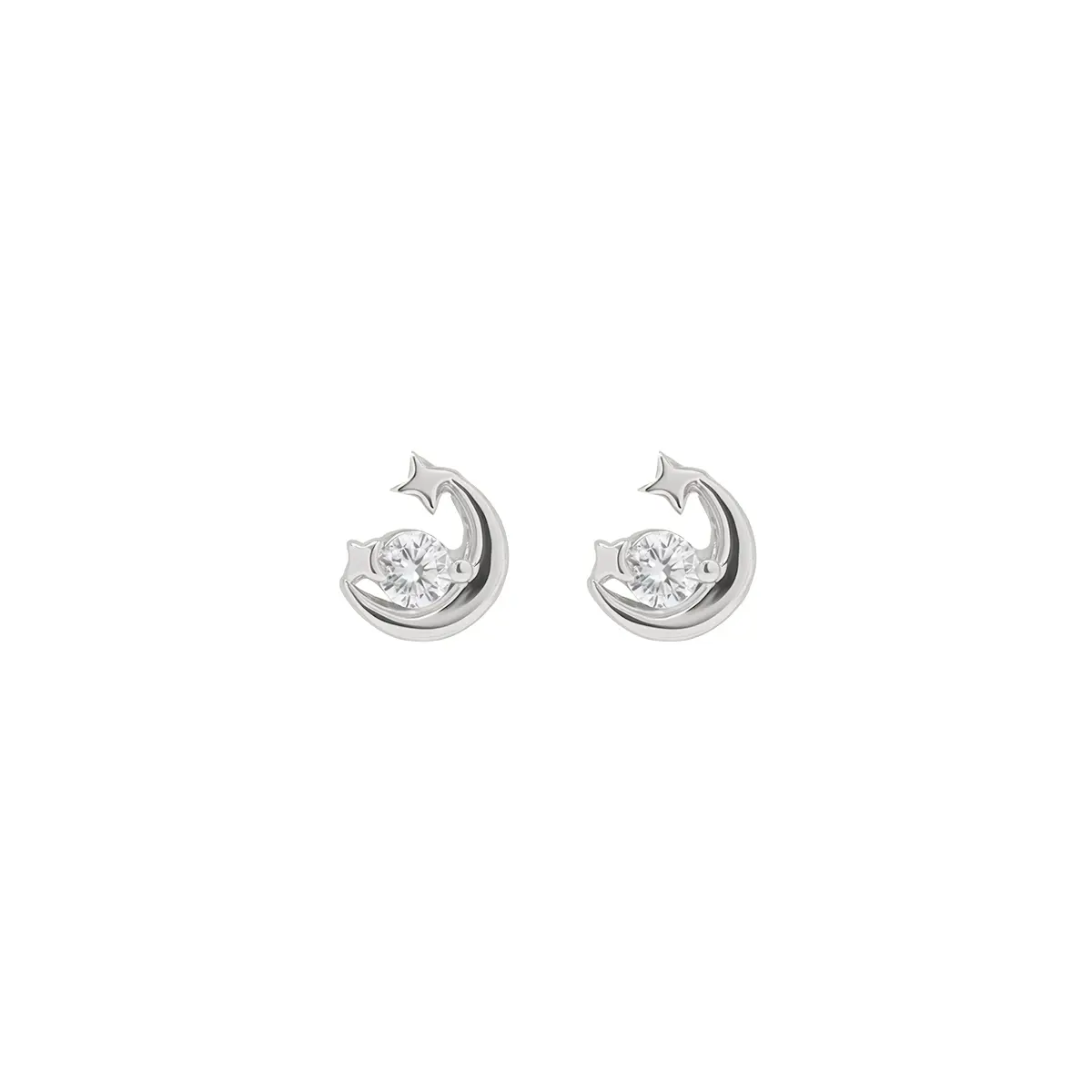
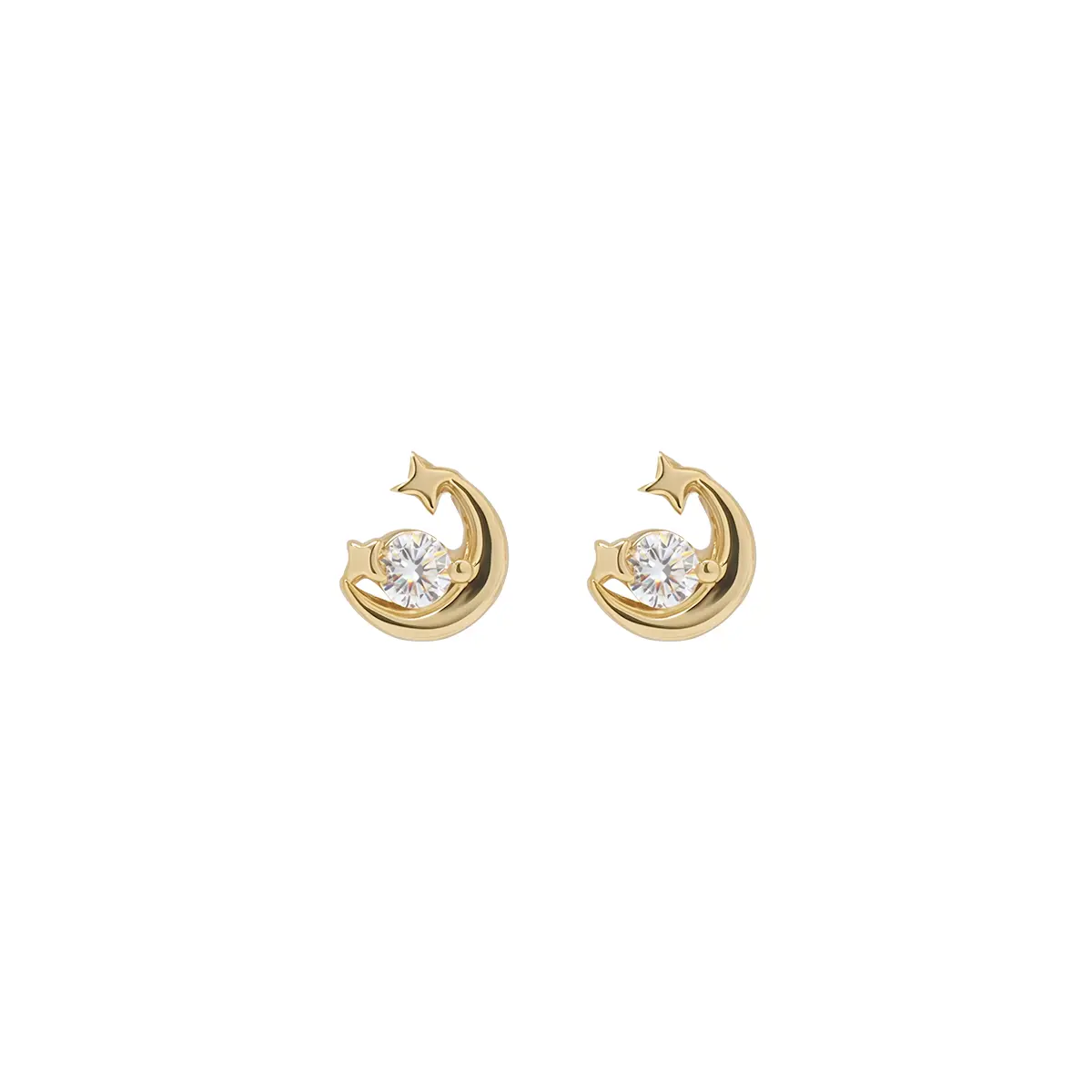
how jewelry manufacturers ensure quality control

Global jewelry brands often seek specialized production partners to scale their inventory. A gold plated OEM ODM jewelry manufacturer provides the necessary infrastructure for rapid business growth. These factories utilize advanced electroplating machinery to deposit gold onto various base metals. Experienced engineers oversee the chemical baths to ensure consistent plating thickness across bulk orders. This method allows businesses to deliver retail-grade items without investing in heavy machinery. Professional creators select partners based on technical compliance and metal purity standards. Reliable sourcing agents negotiate terms to secure the best pricing for wholesale collections. Smart buyers prioritize factories that offer comprehensive quality certifications. Ultimately, this collaboration helps retail brands maintain high profit margins during peak sales seasons.

Technical Distinctions Between Original Equipment and Design Production

Corporate clients must distinguish between custom blueprints and pre-existing catalog selections. Original Equipment Manufacturing requires the client to supply detailed three-dimensional CAD designs. The factory then executes the physical fabrication according to these exact technical parameters. Conversely, Original Design Manufacturing relies on the pre-made designs of the factory. Brands simply add their unique logos to these catalog options. Each method suits different marketing strategies and capital investment levels. Small startups often favor catalog selections to minimize upfront molding costs. Large enterprises typically request custom tooling to secure exclusive market designs. Experienced designers analyze both pathways before signing manufacturing service agreements. Strategic planning ensures that chosen methods align with long-term brand goals. Decisions regarding custom molds impact the initial launch timeline significantly.

Metallurgy and Base Metal Options in Modern Sourcing

Selecting the correct substrate material remains a vital phase in production planning. Brass offers excellent workability and receives gold plating easily. High-end collections often utilize sterling silver to attract luxury consumers. Stainless steel provides unmatched durability and resists corrosion in daily wear. Each base metal reacts differently during the physical electroplating process. Jewelers apply a copper barrier layer to improve plating adhesion on brass. This prevents the base metal from migrating into the exterior gold layer. For instance, the 18k Gold Stainless Steel Classic Hoop Square Zircon Earrings demonstrate superb structural integrity. Such a premium item highlights the compatibility of steel with heavy gold plating. Quality control managers test each batch to verify chemical compositions before finishing. Product longevity depends heavily on these initial metallurgical selections.

Electroplating Chemistry and Thickness Classification Standards
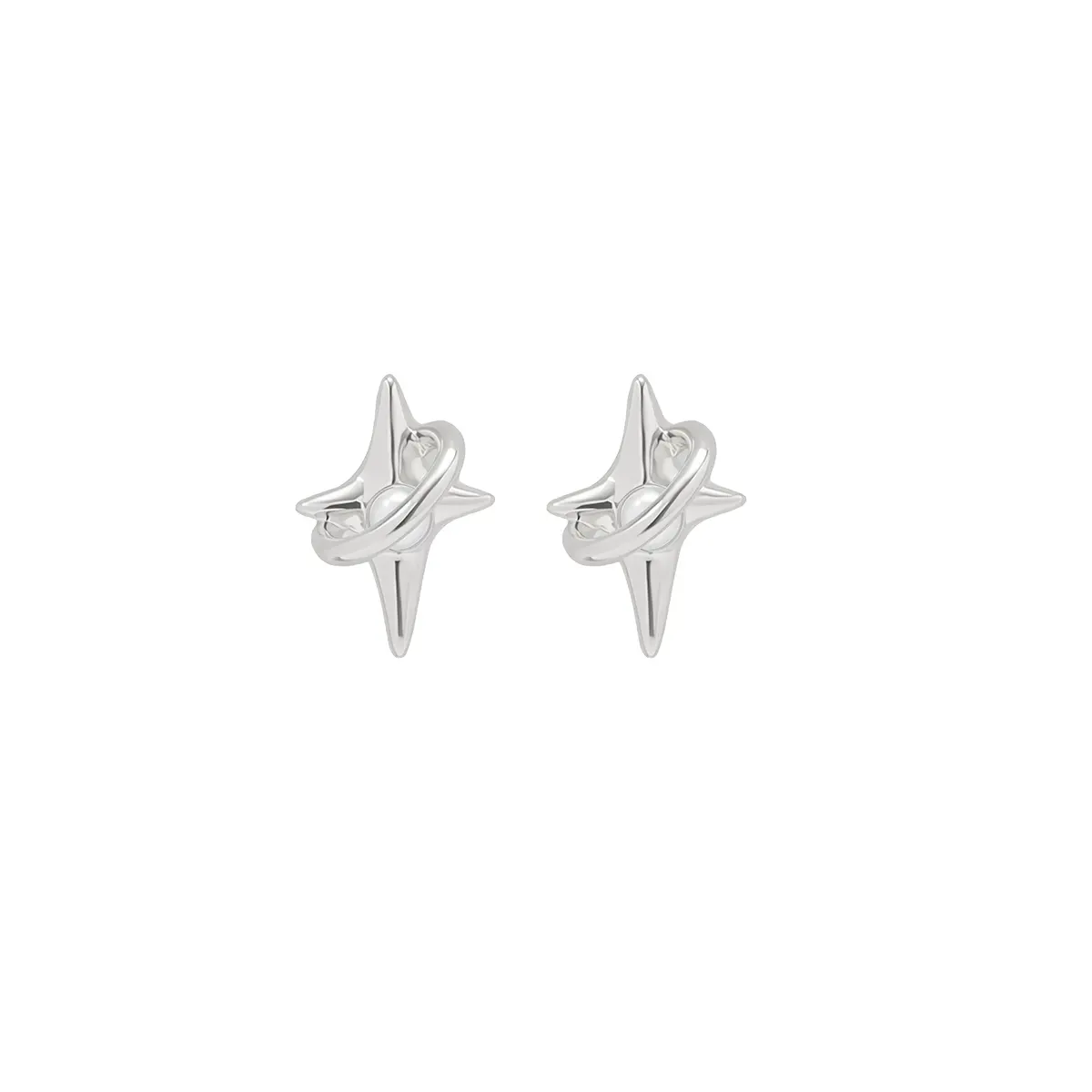
Plating longevity depends on the thickness of the applied precious metal. Industrial standards categorize plating quality based on precise micron measurements. Flash plating coats the metal with a very thin gold layer. This temporary finish wears off quickly under daily friction. High-quality fashion jewelry requires at least one micron of gold deposition. Luxury items often feature two or more microns for lasting brilliance. Factory technicians use potassium gold cyanide solutions during the electroplating bath. They carefully regulate electric currents to control the deposition rate. This precise scientific management ensures uniform thickness across all surfaces. B2B buyers must specify these metrics when partnering with a gold plated OEM ODM jewelry manufacturer. Clear documentation prevents manufacturing defects during large-scale production runs.

Plating Category Micron Range Expected Lifespan Target Market
Flash Plating 0.1 - 0.25 microns 1 - 3 months Budget Fashion
Standard Plating 0.5 - 1.0 microns 6 - 12 months Mid-tier Retail
Heavy Plating 1.5 - 2.5 microns 12 - 24 months Premium Brands
Vermeeil Plating 2.5+ microns 36+ months Luxury Market

Evaluating Gold Plated OEM ODM Jewelry Manufacturer Quality

The table highlights how plating thickness directly impacts retail lifespan. Luxury brands must avoid flash plating to protect their reputation. Selecting standard or heavy plating guarantees that products resist daily wear. Each tier represents different chemical deposition times in the plating tanks. Factory workers monitor these duration cycles with computerized timing systems. Premium brands typically request a minimum of one point five microns. This thickness protects the underlying base metal from air exposure. Sourcing managers utilize this scale to negotiate realistic warranty terms with suppliers. Our team recommends heavy plating for items subject to constant skin friction. Adherence to these strict parameters prevents premature tarnishing and customer complaints. Experienced buyers verify these metrics using specialized beta-backscatter measuring tools. Consistent verification builds trust between international retailers and foreign production facilities.

Base Metal Tarnish Resistance Allergy Safety Molding Versatility
Brass Moderate Low High
Sterling Silver Low High Very High
Stainless Steel Very High High Moderate
Zinc Alloy Low Low Extremely High

Strategic Selection of Metallic Alloys for Custom Jewelry

The provided comparison highlights the physical trade-offs of each base metal. Brass offers excellent malleability but requires protective nickel-free barrier coats. Sterling silver appeals to high-end buyers despite its natural tarnishing tendencies. Stainless steel resists oxidation completely but limits intricate molding options. Brands must choose their base materials according to target retail pricing. For example, budget-conscious retailers often select brass for complex geometric designs. Conversely, healthcare-focused brands utilize stainless steel to avoid metal allergies. Quality manufacturers adjust their plating techniques to match the selected substrate. Analyzing these chemical relationships helps procurement teams avoid production delays. Technical success relies on selecting the appropriate metal for each product category. Designers balance aesthetic goals with functional limits to optimize production outcomes. This strategic approach minimizes defect rates during mass manufacturing cycles.

Maximizing Procurement Efficiency via Manufacturing Agreements

Strategic sourcing requires clear communication regarding raw material costs and factory capacity. B2B buyers should negotiate pricing agreements based on seasonal volume projections. Large orders allow factories to purchase precious metals in bulk. This reduces the overall cost of gold plating per piece. Additionally, established brands secure priority scheduling during busy holiday production months. Clear contracts outline the liability for defective items discovered during arrival inspections. Smart importers establish strict quality gates before authorizing final wire transfers. This proactive financial management protects capital reserves against manufacturing errors. Successful brands cultivate long-term partnerships with their gold plated OEM ODM jewelry manufacturer. Regular audits verify that the factory continues to meet international standards. Mutual trust drives sustainable growth in the competitive fashion jewelry industry.

  • Laser engraving for brand logos on clasps and tags
  • Custom packaging solutions including velvet pouches and embossed boxes
  • Adjustable chain lengths on necklaces and delicate pendants
  • Custom stone setting options including pave and bezel configurations
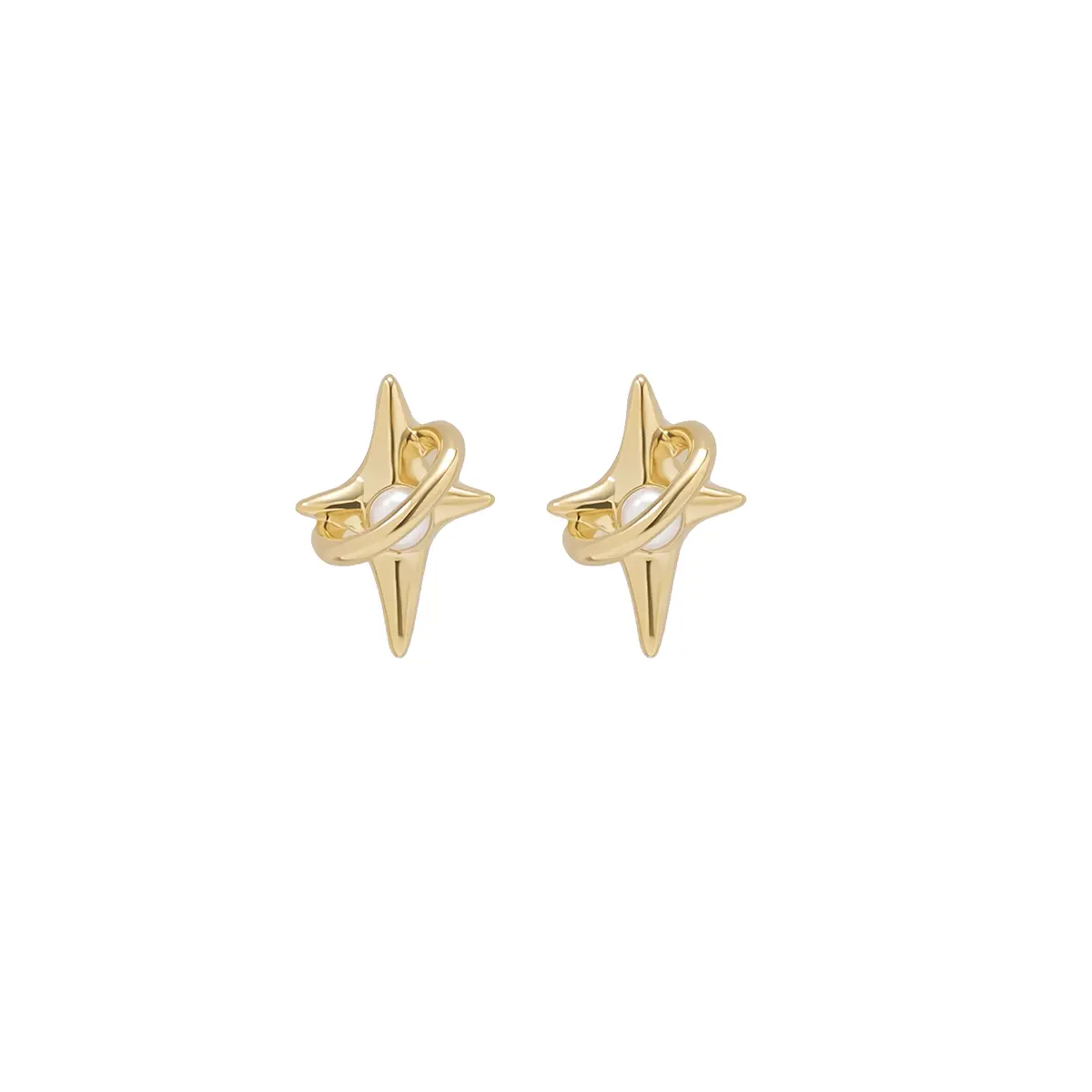
jewelry production with low MOQ

Deep Integration of Brand Customization Services

The listed options allow retail brands to establish a distinct market identity. Laser engraving on tiny metal tags adds immediate luxury value to simple chains. Custom packaging enhances the unboxing experience for the final consumer. Retailers often utilize these specialized services to support high retail markups. Furthermore, offering adjustable chain lengths broadens the target demographic for necklaces. Specialized stone settings secure precious gems against accidental damage. Factory engineers work closely with brand designers to implement these custom features. Brands that leverage these detailed services report higher customer loyalty. For example, a Waterproof Stainless Steel 18K Cubic Zircon Open Cuff Bracelet relies on precise metal stamping. 

This popular item benefits from customized sizing to fit diverse wrist dimensions. Strategic accessory detailing separates average designs from premium market leaders. Importers must finalize these custom requirements prior to tooling creation.

Quality Control and Compliance Standards in Global Sourcing

Professional brands require rigorous quality control testing on every production batch. International markets enforce strict chemical safety limits on lead and cadmium content. Reputable factories provide material safety data sheets to verify chemical compliance. Technicians perform cross-cut tape tests to evaluate gold plating adhesion. This physical test ensures that the gold layer does not peel off. Additionally, salt spray chambers simulate long-term wear in humid conditions. Retailers utilize these objective test results to guarantee long-term customer satisfaction. High-quality production methods prevent costly product recalls and legal liabilities. Brand protection requires constant vigilance over factory floor quality standards. Sourcing teams should request independent lab verifications annually. Meticulous record keeping allows brands to trace raw material origins easily. This documentation builds credibility during major retail presentation pitches.

Mitigating Logistics Risks in Precious Metal Supply Chains

Shipping high-value accessories across international borders presents several logistical challenges. Importers must secure appropriate cargo insurance to cover potential transit losses. Customs brokers expedite the clearing process by filing accurate tariff declarations. Proper classification under international harmonized system codes prevents expensive customs holds. Additionally, secure double-walled packaging protects delicate plated items during heavy handling. Sourcing agents recommend air freight for time-sensitive seasonal product launches. Long-term success relies on maintaining a diversified shipping carrier network. Experienced logistics managers coordinate directly with the gold plated OEM ODM jewelry manufacturer. These professional arrangements protect profit margins from rising global transport fees. Strategic planning ensures that inventory arrives on store shelves before peak shopping seasons.

Final Evaluation of Outsource Sourcing Partnerships

Outsourcing accessory production remains a highly profitable strategy for growing brands. Selecting a professional gold plated OEM ODM jewelry manufacturer yields significant competitive advantages. This collaborative business model eliminates the need for expensive in-house machinery. Brands redirect their valuable resources toward creative marketing and customer acquisition. Factory partners handle the complex chemical processes and mechanical quality checks. Clear manufacturing agreements protect corporate clients from unexpected production delays. This structured division of labor maximizes overall supply chain efficiency. Companies quickly scale their retail collections to match emerging seasonal trends. Ultimately, outsourcing allows jewelry retailers to maximize profitability while maintaining superior product quality. Long-term industrial partnerships lay the foundation for sustainable corporate expansion.

FAQ

What is the typical minimum order quantity for custom plated designs?

Most custom factories require clients to meet specific volume targets before launching production. For bespoke designs, the minimum order quantity usually ranges from one hundred to three hundred pieces per style. This threshold justifies the high initial setup costs of custom molds and technical tooling. Additionally, purchasing raw precious metals in bulk reduces the per-unit plating costs for the business. Brands can request smaller quantities when selecting items directly from the existing factory catalog. Negotiation remains possible for long-term partners planning multi-season product rollouts over the fiscal year. Clear volume commitments help secure the most competitive wholesale prices.

How do factories test the durability of precious gold plating?
Technicians use advanced scientific methods to verify the structural integrity of plated gold coatings. They perform salt spray testing to simulate long-term exposure to human sweat and moisture. This test reveals how quickly the outer gold layer will oxidize under normal conditions.

Furthermore, quality inspectors apply mechanical wear machines to simulate physical friction against fabrics. Sourcing agents also use X-ray fluorescence analysis to measure gold thickness without damaging the sample. These meticulous testing procedures guarantee that the final products meet international luxury standards. Retailers receive complete testing reports before factories ship the final bulk inventory. Verified chemical reports prevent customer returns and protect retail brand equity.


Can retailers request custom metal alloys for base substrates?

Professional manufacturers accommodate custom metallurgical requests to satisfy different regional compliance laws. Clients can specify nickel-free brass formulations to target sensitive consumer markets in Europe. Factory engineers adjust copper and zinc ratios to achieve the desired metal tensile strength. These custom alloys must undergo strict lab analysis before entering the molding machines. Brands pay specialized tooling fees to develop these exclusive metal substrates for their collections. This customization level helps premium brands separate their products from generic wholesale market offerings. Reliable suppliers maintain strict material segregation to prevent cross-contamination during production runs. Quality raw materials ensure excellent electroplating adhesion during the final manufacturing stages.

Ready to Create Your Own Jewelry Brand?

Built for Your Business Growth

Global brands switch to Joychicco

Competitive Manufacturing Efficiency

Optimized production workflows and stable material sourcing help reduce manufacturing costs while maintaining reliable quality standards.

Consistent Quality Standards

Multi-stage inspections and standardized production processes ensure stable quality across every order and reorder.

Scalable Production Capacity

Flexible production capacity supports both new collection launches and large-volume repeat orders with reliable lead times.

Long-Term Production Partnership

We support growing jewelry brands with dependable communication, stable production planning, and long-term manufacturing consistency.