
WechatIMG1079 拷贝

GET A QUOTE

Quote Now

Please write your message, ask for price, we will reply you soon, thanks.

Please enable JavaScript in your browser to complete this form.

Wholesale Jewelry Manufacturer & Product Categories

  1. Home
  2. /
  3. INDUSTRY NEWS
  4. /
  5. Why Choose Nickel Free Jewelry...

≡ Categories

INDUSTRY NEWS

JOYCHICCO NEWS

Why Choose Nickel Free Jewelry OEM Suppliers?

  • Partner with a certified nickel free jewelry OEM. Enhance brand safety and meet international compliance standards easily.
jewelry wholesale in Yiwu

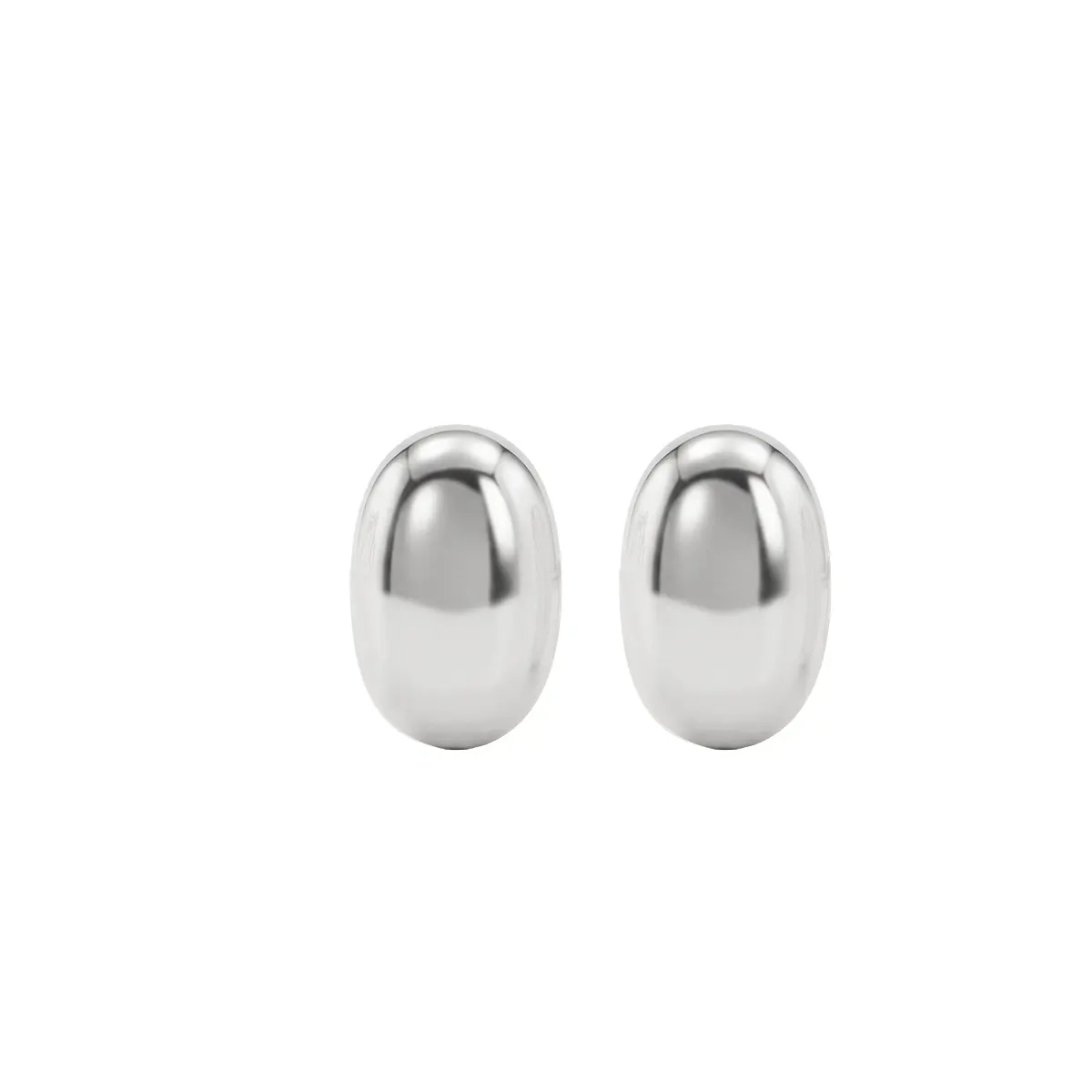
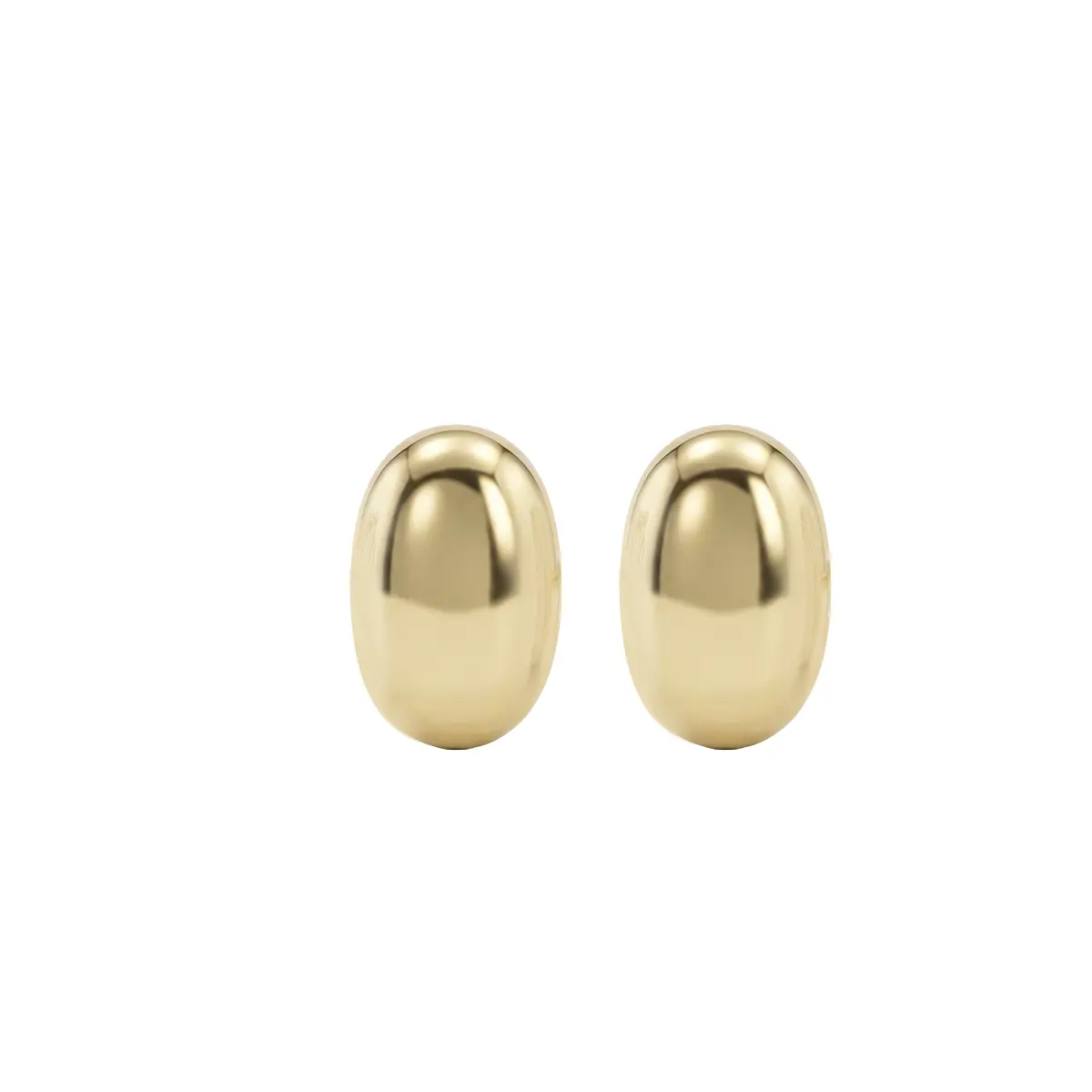
Modern consumers prioritize safety when purchasing fashion accessories. They search for hypoallergenic products to avoid skin irritation. Many successful jewelry brands now partner with a reliable nickel free jewelry OEM to meet these demands. These specialized manufacturers deliver beautiful, safe items for global markets. For instance, the popular Dainty Vintage 18k Gold Plated Freshwater Irregular Pearl Bracelets Set showcases exquisite design and strict material safety. Proper metal testing guarantees skin comfort. Safety certifications help build lasting consumer trust. Retailers can avoid customer complaints by choosing safe metals. This strategic sourcing choice protects your brand reputation. It also expands your market reach. Safe jewelry sells faster in competitive online marketplaces. Your customers will feel confident wearing your products daily. Buying certified products secures your business future.

Defining the True Standards of Nickel Free Materials

International laws regulate metal content in fashion accessories. The European Union enforces strict REACH regulations for wearable goods. These laws limit nickel release to protect human skin from allergies. Specifically, the EN 1811 standard dictates testing methods. Manufacturers must measure how much nickel escapes from an object over time. Safe alloys like high-grade titanium and surgical steel minimize skin reactions. Copper and sterling silver also provide excellent bases for hypoallergenic lines. Competent factories perform laboratory testing to verify chemical compositions before casting. They ensure that every batch meets global requirements. This careful material selection prevents legal issues for your business. Reliable quality control maintains high product standards. Customers appreciate this dedication to health. Your brand gains a powerful competitive edge through compliance.

Why Partner with a Certified Nickel Free Jewelry OEM

Experienced manufacturers provide critical technical support for custom creations. They recognize the unique challenges of creating sensitive-skin accessories. Factories utilize specialized casting equipment to avoid cross-contamination with cheap base metals. Furthermore, they source premium raw materials from verified mining corporations. Professional teams assist you through each production phase. Designers transform your initial sketches into precise digital models. You receive detailed physical samples before full assembly begins. This validation process ensures that your final batch matches your vision. Quality partners offer competitive pricing through bulk purchasing agreements. They also manage complex international logistics for your company. This comprehensive service saves valuable time for growing retail brands. You can focus entirely on marketing and sales strategies.

Comprehensive Quality Control in Hypoallergenic Jewelry Production
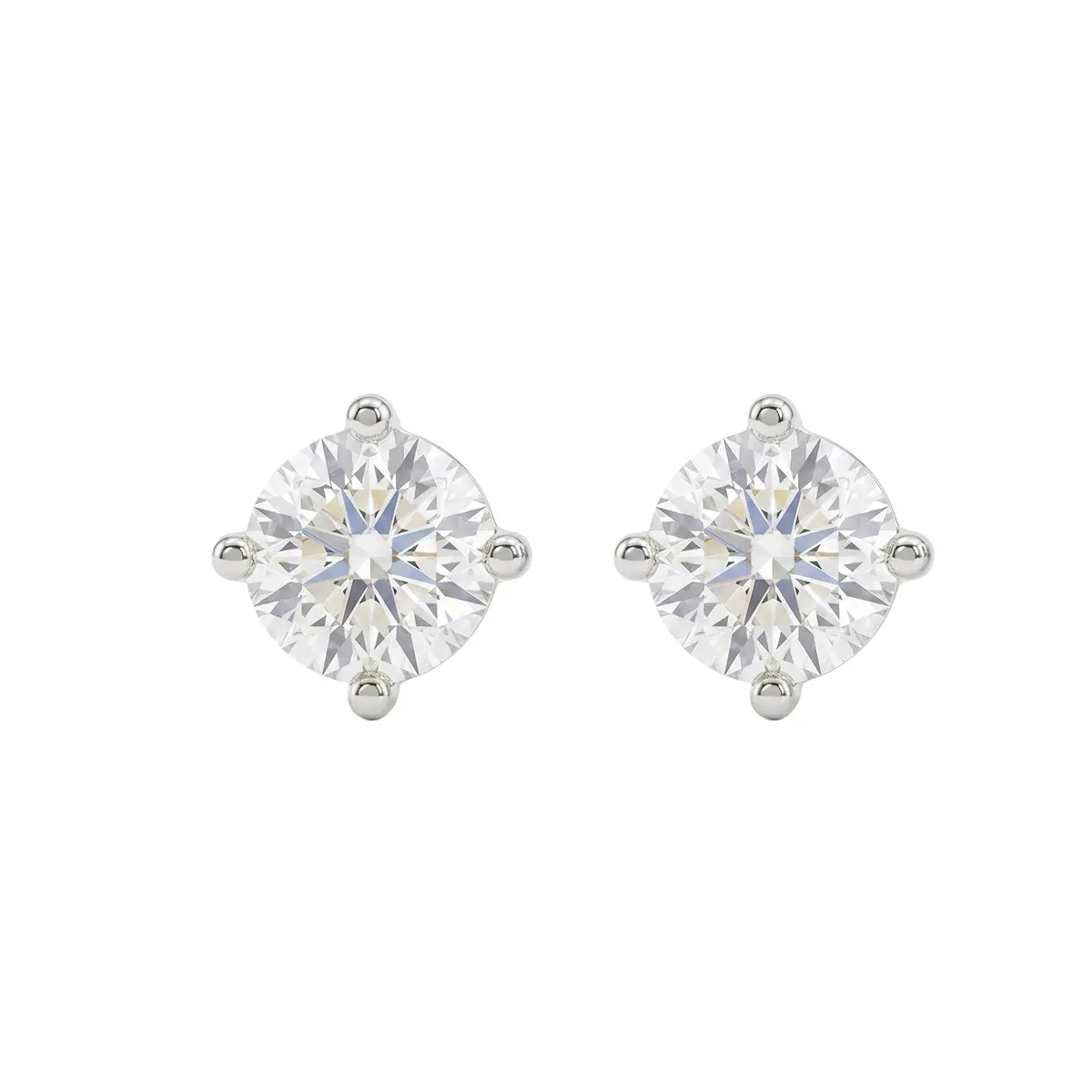
Advanced testing facilities verify compliance at every step. Engineers analyze raw material batches using highly sensitive XRF spectrometers. This technology detects trace elements of restricted materials instantly. Workers also conduct sweat test simulations on finished items. These simulated tests guarantee long-term durability in daily wear scenarios. Strict control prevents contaminated materials from entering the main assembly line. Factory supervisors document these safety results for your legal protection. You can present these certificates to your distributors with confidence. Such transparency increases customer loyalty and brand authority. Many consumer advocacy groups recommend buying from verified safe factories. Investing in premium manufacturing practices pays off through lower return rates. Your business will experience fewer chargebacks and complaints. Strong quality control establishes your brand as an industry leader.

Comparison of Common Plating Materials in Jewelry Manufacturing

Plating Option Typical Base Metal Durability Rating Nickel Release Risk
18K Gold Plating Brass / Sterling Silver High Extremely Low
Rhodium Plating White Gold / Silver Very High Zero Risk
E-Coating Protection Various Alloys Medium Low Risk

Detailed Analysis of Plating Longevity and Safety Standards

The data reveals clear differences in metal performance across different coatings. Thicker layers of precious metals protect sensitive skin. Reliable partners apply rhodium to create an impervious barrier over base metals. This technique prevents toxic elements from touching your skin. Choosing a professional nickel free jewelry OEM ensures that factories apply thick coatings. Cheap alternatives often wear off quickly and expose harmful alloys underneath. Selecting gold plating with an electroplated clear coat delivers optimal results. This combination prolongs the life of fashionable retail items. It also reduces customer returns due to discoloration. Brands must request precise thickness reports from their manufacturers. Your business benefits from superior protective layers. This proactive step ensures customer safety and builds brand reputation.

Technical Comparison of Hypoallergenic Base Metals

Base Metal Composition Standard Allergy Risk Best Use Case
316L Stainless Steel ASTM F138 Compliant Negligible Everyday Wear Jewelry
Titanium (Grade 1-4) ASTM F67 Certified Zero Body Piercing Pieces
Sterling Silver (925) 92.5% Pure Silver Very Low Fine Fashion Jewelry

Explaining the Chemical Composition of Safe Jewelry Alloys
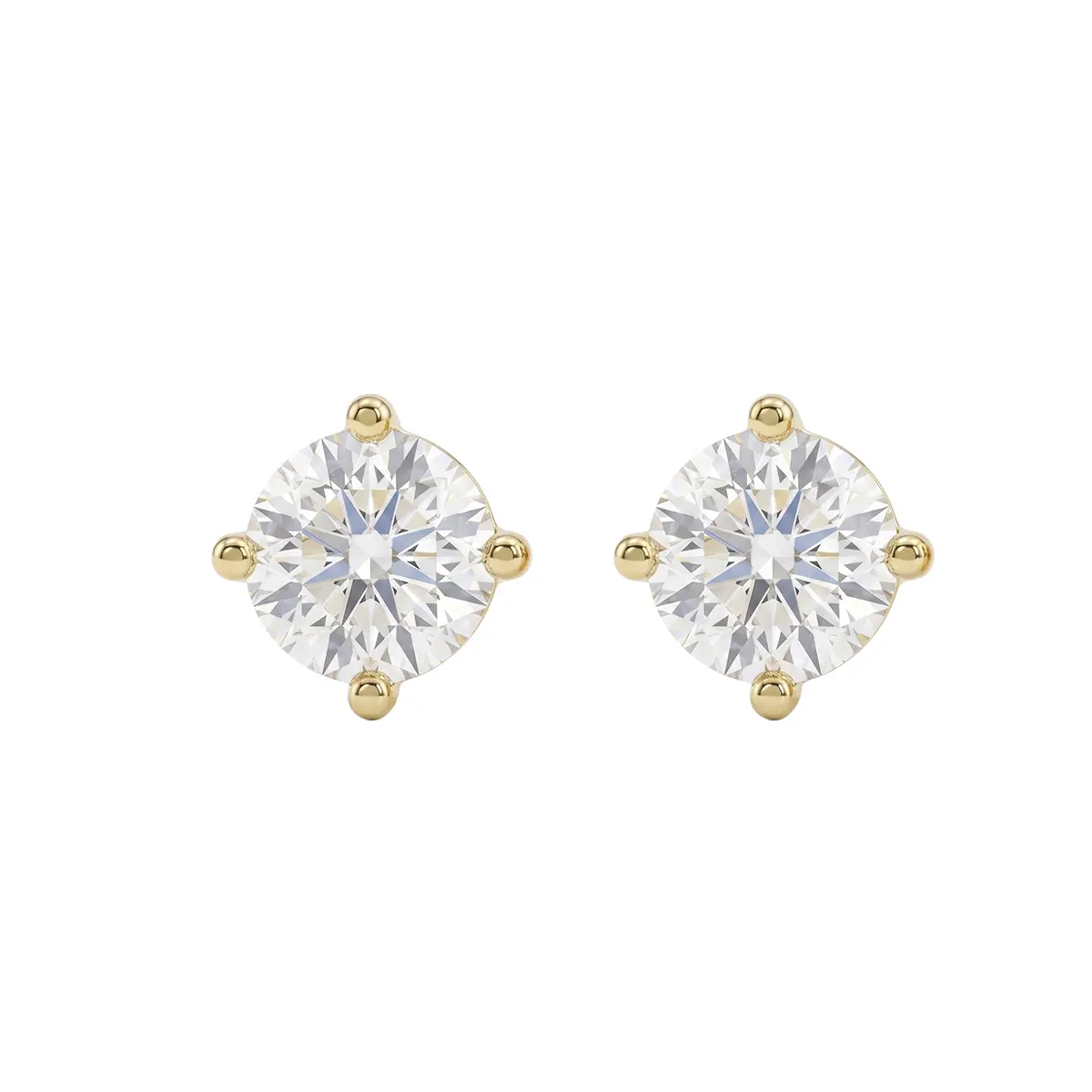
The listed metals offer the safest alternatives for delicate skin types. Surgical steel provides high tensile strength and resists corrosion. Titanium remains the premium option for clinical applications. Many designers prefer sterling silver for its brilliant luster and moldability. Purchasing Brass Hoop Earrings Zircon Gold Plated Trendy Minimalist Jewelry guarantees carefully purified brass to eliminate impurities. This high manufacturing standard ensures complete skin comfort. Factory chemical tests prove that purified metals prevent allergic contact dermatitis. You should request clear testing documentation from suppliers before placing bulk orders. This precaution protects your business from costly product recalls. It also builds trust with safety-conscious retail buyers. Customers will always reward your brand with repeat purchases. Quality materials establish a foundation for long-term retail success.

jewelry wholesale in Yiwu

Essential Steps in the Custom Jewelry Production Process

  • 3D CAD Modeling and Digital Prototyping
  • Wax Pattern Creation and Precision Casting
  • De-gating, Polishing, and Surface Preparation
  • Multi-stage Electroplating and Protective Coating
  • XRF Spectrometry and Allergy Testing

Deep Analysis of the Manufacturing Lifecycle

This manufacturing process requires specialized machinery to maintain absolute product purity. CAD modeling ensures perfect dimensions before physical tooling begins. 

Technicians polish every item thoroughly to prepare the surface for electroplating. They apply precious metals in controlled chemical baths. Partnering with an expert nickel free jewelry OEM ensures strict adherence to these steps. Expert factories use distinct polishing wheels to prevent contamination. This meticulous care prevents microscopic particles of cheap metals from sticking to safe products. Brands must choose suppliers who follow these protocols diligently. This vigilance prevents quality issues and ensures high safety ratings. Your retail clients will recognize the superior finish of your products. Reliable manufacturing partners ensure consistent quality across all production batches.

Strategic Growth with a Nickel Free Jewelry OEM

Expanding your product line requires careful planning and robust logistics. Growing brands often face challenges with supply chain consistency. Specialized manufacturing partners solve these issues by providing scalable manufacturing capacities. They maintain stable raw material costs through direct supplier contracts. This cost stability protects your profit margins during market shifts. Working with certified experts helps you enter strict international markets without regulatory delays. You can confidently sell your jewelry collections in Europe and North America. This legal compliance builds immense brand value over time. Smart businesses select manufacturers with proven international export experience. These suppliers deliver retail-ready products that comply with all health laws. Your business will grow rapidly with safe and beautiful products. Customer satisfaction will reach new heights with these premium options.

FAQ

What certification standards ensure jewelry is truly nickel safe?

European and American safety organizations define specific jewelry safety regulations. The EU REACH regulation sets a strict nickel release limit. Specifically, items must release less than 0.5 micrograms per square centimeter each week. Testing laboratories use the EN 1811 protocol to measure this rate accurately. American standards under ASTM F2923 enforce similar chemical limits for consumer goods. Partnering with a verified nickel free jewelry OEM guarantees adherence to these limits. These certified manufacturers provide formal chemical laboratory certificates with every delivery. This documentation protects your retail brand from local regulatory audits. Safe metal sourcing ensures complete peace of mind for business owners.

How do OEM factories prevent cross-contamination during production?

Advanced jewelry factories implement strict segregation protocols to avoid material mixing. Workers handle hypoallergenic metals on dedicated workbenches inside clean production zones. 

They use separate tools and specialized polishing wheels for different metals. This strict separation prevents contamination from lead or nickel residues. Production managers color-code containers to keep alloy batches distinct during manufacturing. Automated systems track materials throughout the casting and finishing stages. Clean environments eliminate the danger of accidental skin-irritating coatings. This careful process protects the integrity of your jewelry collections. Brands receive safe, certified items that perform beautifully in wear tests.

Which base metals are best for hypoallergenic custom jewelry?
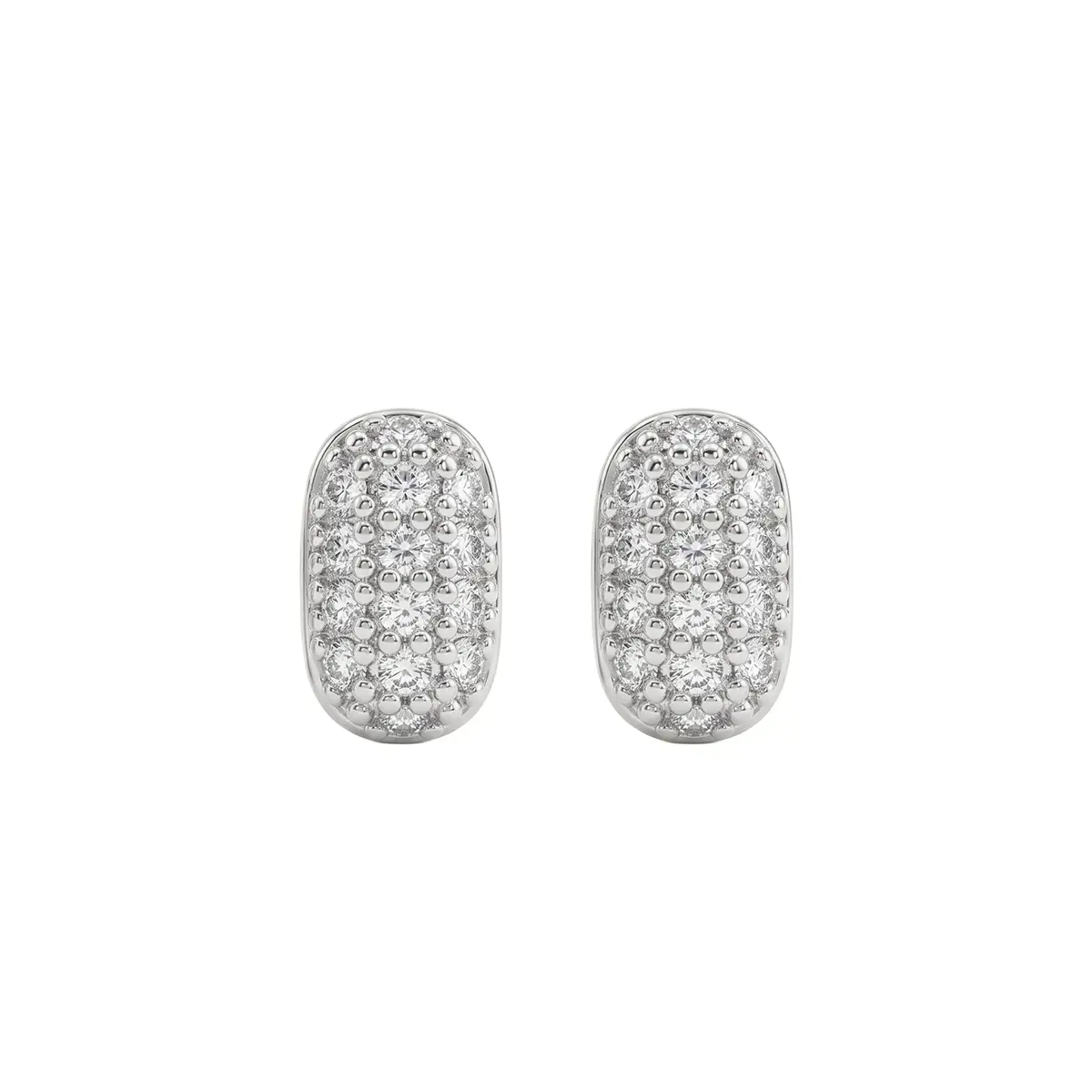
Surgical stainless steel remains an excellent and cost-effective choice for modern jewelry lines. It exhibits outstanding corrosion resistance and durability. High-grade titanium offers absolute safety because it resists chemical reactions. Sterling silver provides a classic option for high-end fashion collections. Copper alloys with certified safe coatings work well for complex designs. Professional factories avoid cheap zinc alloys that release harmful substances. Selecting certified safe raw materials keeps your customers happy. It prevents allergic skin reactions and builds brand loyalty. Your business will thrive by offering clean, high-quality jewelry products.

Ready to Create Your Own Jewelry Brand?

Built for Your Business Growth

Global brands switch to Joychicco

Competitive Manufacturing Efficiency

Optimized production workflows and stable material sourcing help reduce manufacturing costs while maintaining reliable quality standards.

Consistent Quality Standards

Multi-stage inspections and standardized production processes ensure stable quality across every order and reorder.

Scalable Production Capacity

Flexible production capacity supports both new collection launches and large-volume repeat orders with reliable lead times.

Long-Term Production Partnership

We support growing jewelry brands with dependable communication, stable production planning, and long-term manufacturing consistency.