
WechatIMG1079 拷贝

GET A QUOTE

Quote Now

Please write your message, ask for price, we will reply you soon, thanks.

Please enable JavaScript in your browser to complete this form.

Wholesale Jewelry Manufacturer & Product Categories

  1. Home
  2. /
  3. INDUSTRY NEWS
  4. /
  5. Is Durable Fashion Jewelry OEM...

≡ Categories

INDUSTRY NEWS

JOYCHICCO NEWS

Is Durable Fashion Jewelry OEM Worth Choosing?

  • A durable fashion jewelry OEM delivers consistent quality through PVD plating technology and strict chemical compliance testing.
Jewelry sourcing
Jewelry supply chain solutions

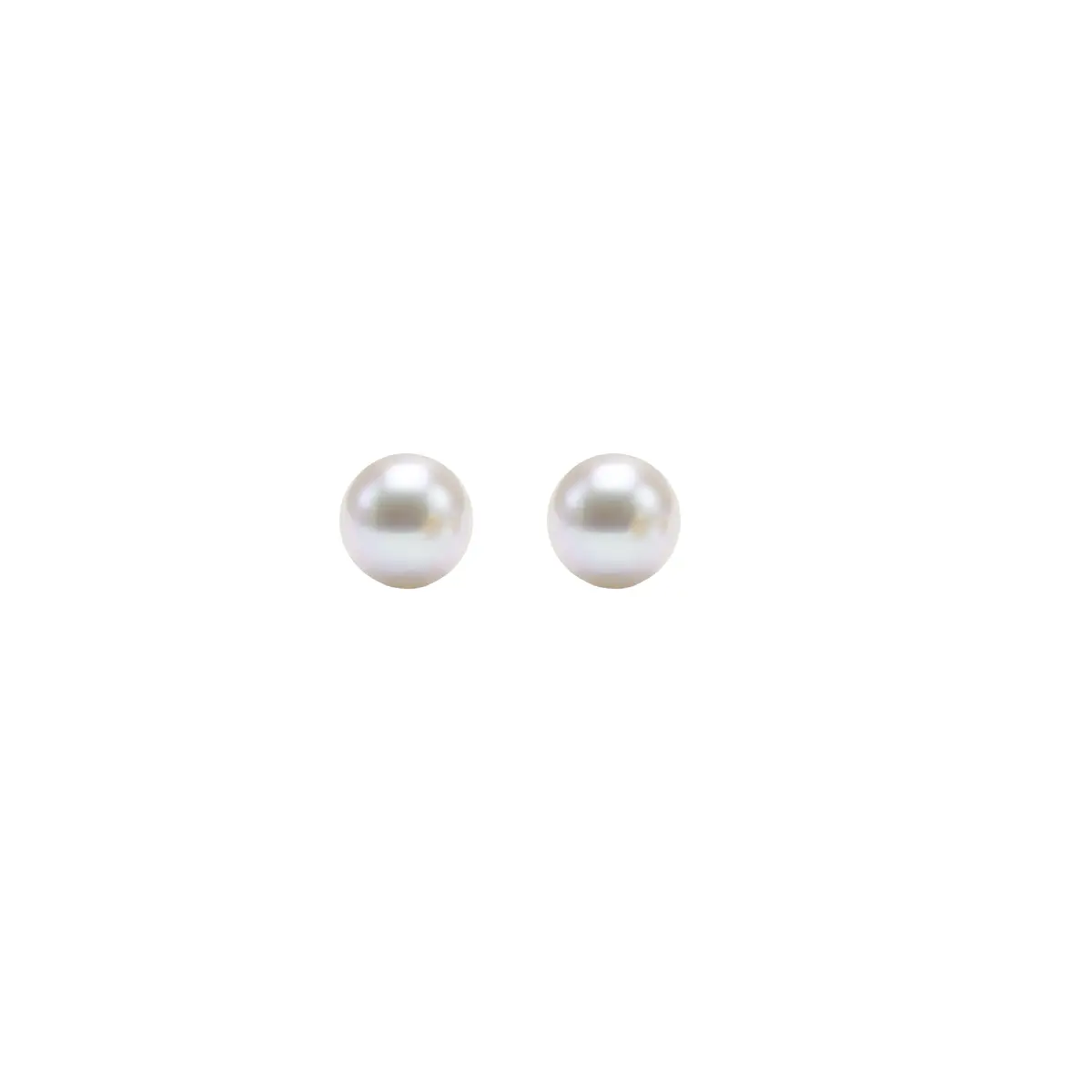
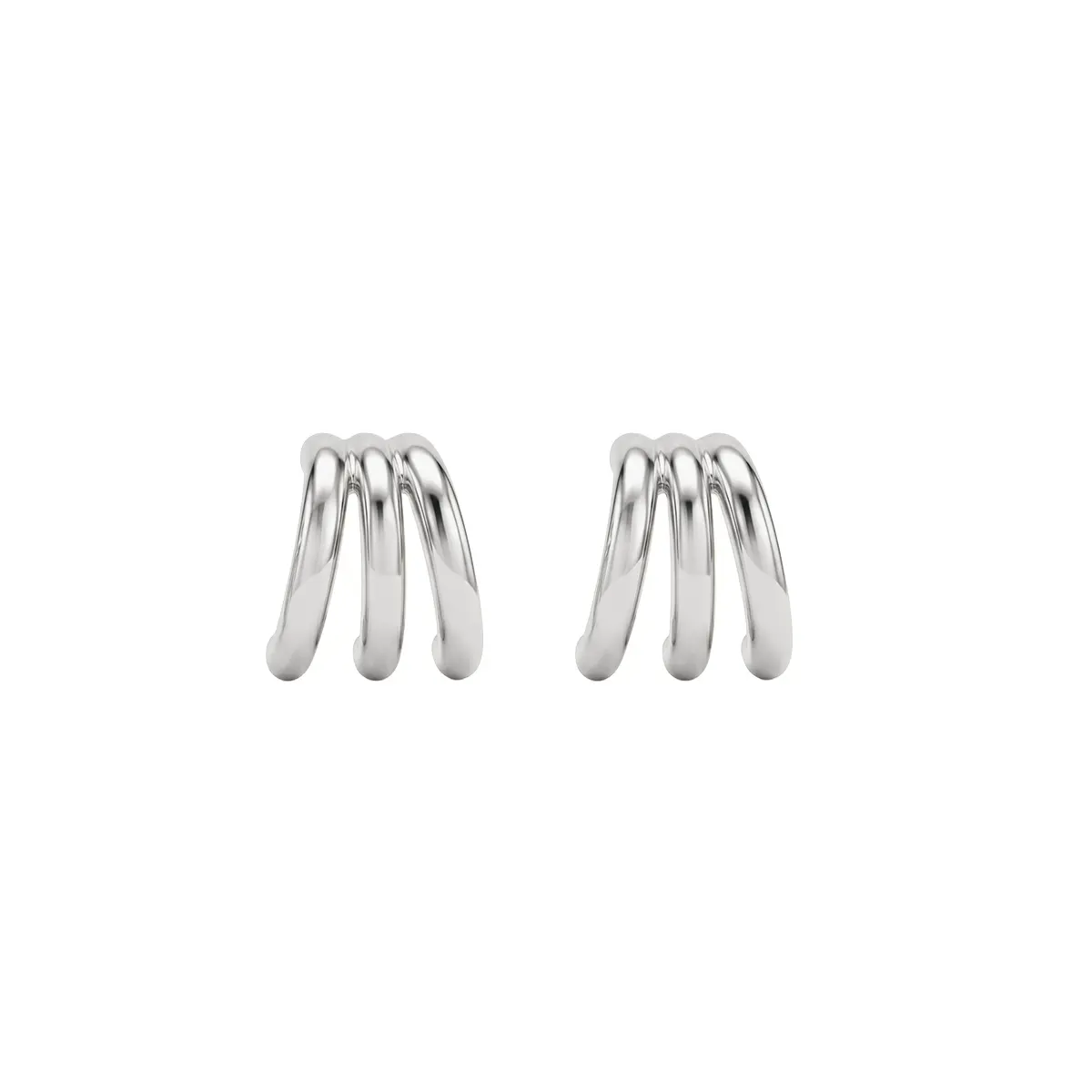
Global jewelry brands constantly seek reliable production partners to maintain high market standards. Selecting a competent durable fashion jewelry OEM remains a critical decision for scaling business operations. Experienced partners guarantee consistent material quality and reduce overall product defect rates significantly. For instance, manufacturing complex items like the Irregular Flower Matte Earrings with Advanced and Versatile Style Earrings requires precision tooling. Such intricate designs demand advanced casting methods to preserve fine textures during mass production. Reliable factories utilize specialized rubber molds to capture every delicate detail of custom collections. This systematic approach ensures that every batch meets the exact specifications of international buyers. Consequently, retail businesses secure better consumer satisfaction and build long-term brand reputation effortlessly.

Base Metals and Resilient Fashion Accessories Manufacturing Standards

Base metals dictate the longevity and safety of modern fashion accessories in the commercial market. Reputable manufacturers favor marine-grade 316L stainless steel for its superior corrosion resistance and strength. This solid material resists tarnishing even when exposed to sweat, moisture, and daily cosmetic products. Producing delicate items like the 18K Gold Plated Stainless Steel Teardrop Red Glass Bead Tassel Earrings demands high-grade metal bases. Furthermore, hypoallergenic alloys prevent adverse skin reactions, which remains vital for consumer safety compliance. Premium factories test raw materials using specialized spectrometer devices to verify elemental purity before casting. This preventative measure guarantees that final shipments do not contain harmful traces of cadmium. Ultimately, utilizing superior alloys protects your brand from costly product recalls and legal disputes.

Advanced Plating Methods for Long-Lasting Custom Jewelry Production

Modern surface finishing relies on advanced techniques to achieve long-lasting color retention on metal bases. Physical Vapor Deposition technology offers a superior alternative to traditional water electroplating methods. This advanced vacuum coating process bonds real gold particles directly to the stainless steel substrate. Technicians typically apply a thick layer of eighteen-karat gold measuring up to two microns. Such precise thickness ensures the jewelry resists wear and friction during everyday consumer use. Moreover, reputable suppliers conduct rigorous forty-eight-hour salt spray testing to evaluate corrosion resistance. Products that pass this chemical test withstand coastal humidity and acidic perspiration without fading. Buyers receive highly resilient products that maintain their brilliant luster for several years of wear.

Global Chemical Regulations and Safety Compliance Metrics

International trade regulations demand strict adherence to chemical safety standards for fashion accessories. Sourcing agents must verify that factories comply with rigorous European REACH and California Proposition 65 rules. These legal standards limit the concentration of heavy metals like lead, nickel, and mercury. High-quality manufacturers employ independent laboratories like SGS or TUV to perform regular chemical audits. They obtain official test certificates for every batch of custom products before shipping. Displaying these compliance documents builds immense consumer trust and simplifies custom clearance processes. 

Failing to meet these safety expectations can result in heavy customs fines and brand damage. Professional partnerships eliminate these regulatory risks through proactive chemical screening of all components.

Bespoke Jewelry Supplier Collaboration and Cost Optimization
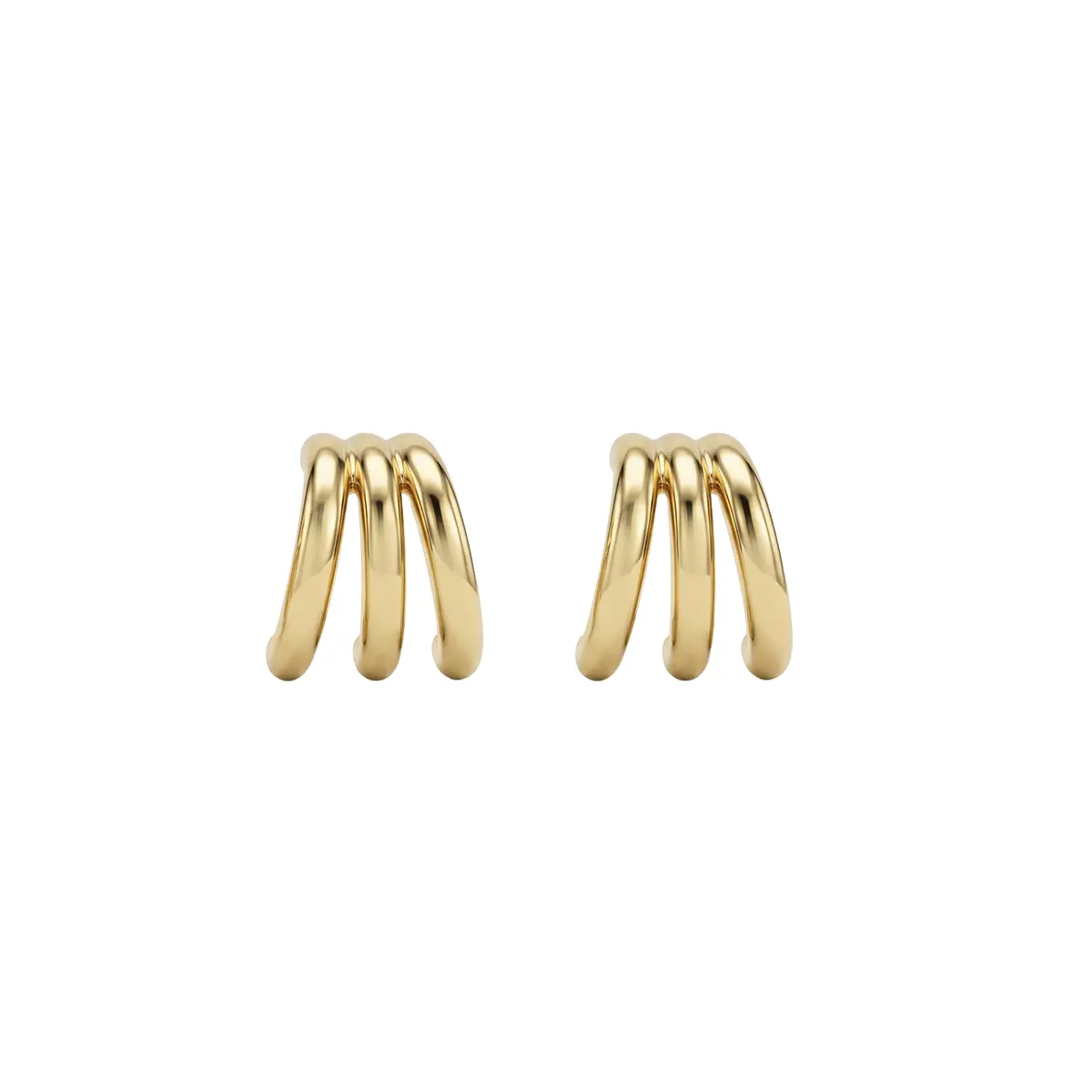
Financial efficiency remains a key driver for brands choosing custom manufacturing models over wholesale. Utilizing a specialized durable fashion jewelry OEM allows companies to minimize their upfront capital investments. Factories absorb the high costs of advanced production machinery and specialized labor forces. B2B buyers only pay for initial tooling fees and the direct cost of manufactured units. This arrangement lowers unit costs significantly when ordering large quantities of custom goods. Furthermore, bulk purchasing of raw metals helps manufacturers secure stable pricing against market fluctuations. Growing brands reinvest these substantial savings into aggressive marketing campaigns and retail channel expansion. Ultimately, this economic model maximizes profit margins and accelerates business growth in competitive markets.

Comparative Performance Metrics of Sourcing Models

Sourcing Method Design Customization Average Minimum Order Profit Margin Potential
OEM Production Complete customization based on buyer blueprint 300 to 500 pieces per style High (up to 70 percent)
ODM Production Minor adjustments to pre-existing factory models 100 to 200 pieces per style Medium (up to 50 percent)
Wholesale Sourcing Zero custom options (buying stock inventory) Low (often 10 pieces minimum) Low (typically 20 to 30 percent)

Analysis of Sourcing Models and Manufacturing Metrics

The data illustrates how different sourcing models impact overall business control and financial yields. Choosing a reliable custom manufacturing facility provides the highest level of design exclusivity for brands. Buyers maintain total ownership of their custom blueprints and mold files throughout the contract. This exclusivity prevents direct competitors from selling identical products in the same target market. Although minimum order quantities remain higher, the potential profit margins easily justify the investment. Wholesale alternatives require less upfront capital but leave brands vulnerable to intense price competition. Custom manufacturing pathways establish a unique identity that supports premium pricing strategies. Consequently, long-term brand equity increases when companies invest in dedicated custom production runs.

Material Durability Comparison and Tensile Properties

Material Base Type Tensile Strength Rating Tarnish Resistance Hypoallergenic Safety
316L Stainless Steel Excellent (high impact resistance) Excellent (no oxidation) Excellent (medical-grade alloy)
925 Sterling Silver Moderate (prone to bending) Moderate (requires polishing) Good (mostly allergen-free)
Eco-friendly Brass Moderate (sturdier than silver) Low (needs protective coating) Moderate (must be lead-free)

Evaluation of Material Selection and Quality Retention
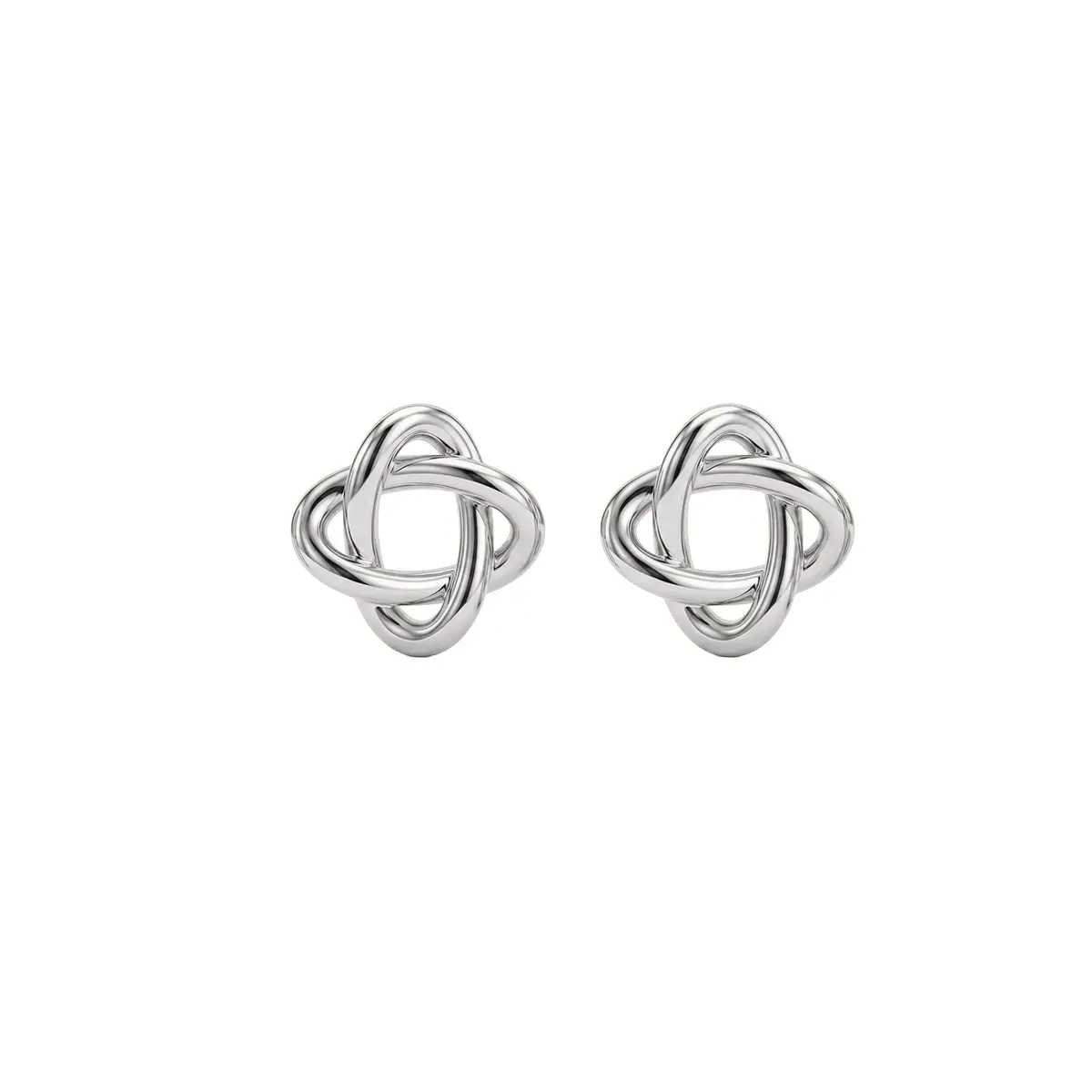
Material comparison metrics highlight why stainless steel serves as an ideal base for commercial lines. Selecting a competent durable fashion jewelry OEM ensures your products utilize these high-performance materials. Stainless steel provides unmatched mechanical strength, protecting delicate structural designs from bending or snapping. Sterling silver remains a classic precious metal choice but demands frequent maintenance to prevent tarnish. Brass offers a highly cost-effective alternative for intricate details when paired with thick protective lacquers. Professional manufacturers analyze these material properties to align production with your specific brand requirements. This careful material selection guarantees consumer satisfaction and lowers return rates significantly. Successful jewelry brands rely on these technical distinctions to build credible product descriptions.

jewelry production with low MOQ

Key Steps in Production Quality Assurance

  • Raw Material Verification: Conducting spectroscopy tests on incoming metals to guarantee purity and hypoallergenic qualities.
  • Mold Precision Auditing: Inspecting the silver masters and rubber production molds to ensure accurate design replication.
  • Plating Adhesion Testing: Utilizing cross-hatch adhesion and salt spray tests to evaluate gold layer durability.
  • Tensile Strength Inspection: Applying force to chains, clasps, and jump rings to verify structural integrity under pressure.

Interpretation of Factory Inspection Processes

These rigorous quality assurance steps are vital for maintaining high product consistency in mass production. 

A top-tier durable fashion jewelry OEM implements these procedures at every stage of the manufacturing cycle. Regular audits prevent surface blemishes and structural weaknesses from reaching final packaging stages. Experienced quality inspectors check every single piece manually under high-magnification lenses before shipping. They measure plating thickness using specialized X-ray fluorescence machines to ensure accurate gold distribution. This meticulous inspection process protects retail brands from negative customer reviews and product returns. Consequently, businesses establish a reputation for delivering reliable and premium fashion accessories consistently. Consistent quality remains the most effective tool for building buyer loyalty in the global marketplace.

Final Business Verdict on Durable Fashion Jewelry OEM Services

Choosing a professional manufacturing partner directly influences your brand trajectory and market position. Partnering with a skilled factory partner yields the complete expertise required to scale your business. This strategic decision allows you to offer premium custom collections with high profit potential. Buyers benefit from rigorous quality control, regulatory compliance, and advanced physical vapor deposition plating. These essential factors elevate your product offerings above standard low-cost wholesale marketplace items. Furthermore, your business gains exclusive manufacturing rights to unique and proprietary jewelry designs. This exclusive edge helps your brand command premium retail pricing and secure customer loyalty. Ultimately, this custom manufacturing approach offers the most reliable path to sustainable long-term profitability.

FAQ

What plating thickness ensures long-term wear resistance?

Premium surface durability depends heavily on the thickness of the precious metal layer. Commercial fashion brands typically require a minimum thickness of one micron of gold plating. However, high-end brands often require two to three microns of gold applied via physical vapor deposition. This advanced vacuum process creates a highly resilient barrier that resists daily scratches, sweat, and friction. A reliable durable fashion jewelry OEM meets these exact specifications with exceptional technical precision. Ultimately, thick plating prevents early fading and ensures your customers receive beautiful accessories that maintain their luxurious luster.

How do factories verify chemical compliance standards?

Responsible manufacturing facilities implement strict chemical screening protocols to ensure global safety compliance. First, technicians use advanced X-ray fluorescence spectrometers to inspect incoming metal shipments. 

This non-destructive testing method identifies trace elements of harmful substances like lead and cadmium immediately. Additionally, factories send representative product samples to accredited third-party laboratories like SGS for independent validation. These laboratories perform wet chemical analysis to confirm complete adherence to REACH regulations. Finally, buyers receive certified test reports for each production batch before customs clearance. This rigorous process prevents costly shipment rejections at international borders.

What average tooling lead times should buyers expect?
Creating custom jewelry components requires a systematic timeline to ensure design accuracy and quality. The technical process begins with generating digital three-dimensional computer-aided design files for client approval. This initial design phase typically takes three to five business days to complete. Next, technicians utilize high-precision wax printers to create a physical prototype model. Mold makers then cast the silver master pattern and build the final vulcanized rubber production molds. This tooling phase usually requires ten to fifteen business days. Consequently, buyers should allocate approximately three weeks for complete mold creation and sample approval.

Ready to Create Your Own Jewelry Brand?

Built for Your Business Growth

Global brands switch to Joychicco

Competitive Manufacturing Efficiency

Optimized production workflows and stable material sourcing help reduce manufacturing costs while maintaining reliable quality standards.

Consistent Quality Standards

Multi-stage inspections and standardized production processes ensure stable quality across every order and reorder.

Scalable Production Capacity

Flexible production capacity supports both new collection launches and large-volume repeat orders with reliable lead times.

Long-Term Production Partnership

We support growing jewelry brands with dependable communication, stable production planning, and long-term manufacturing consistency.