
Why Choose A One Stop Jewelry ODM Solution Provider?
-
One stop jewelry ODM solution provider delivers custom designs, quality manufacturing, and complete jewelry services for brands.
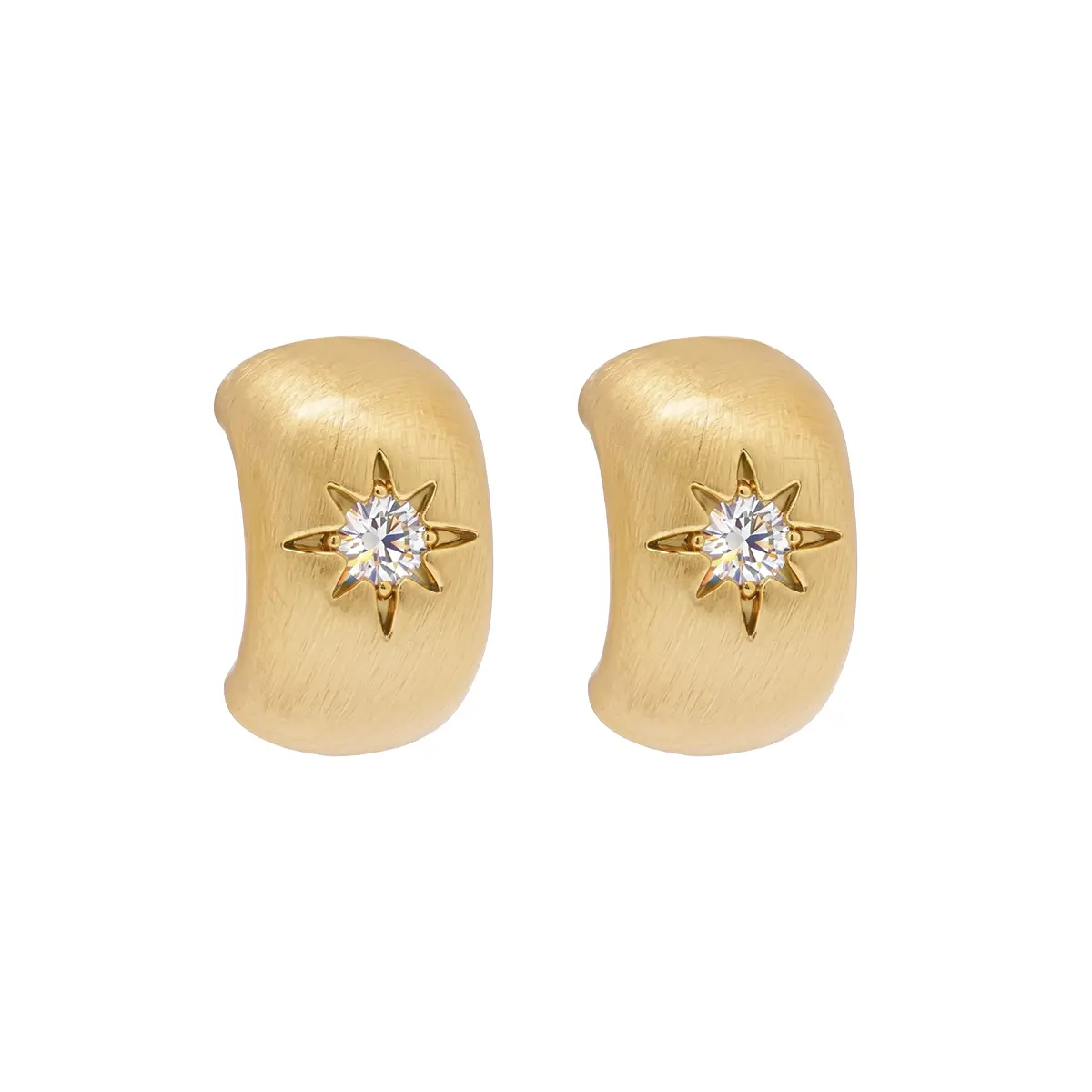
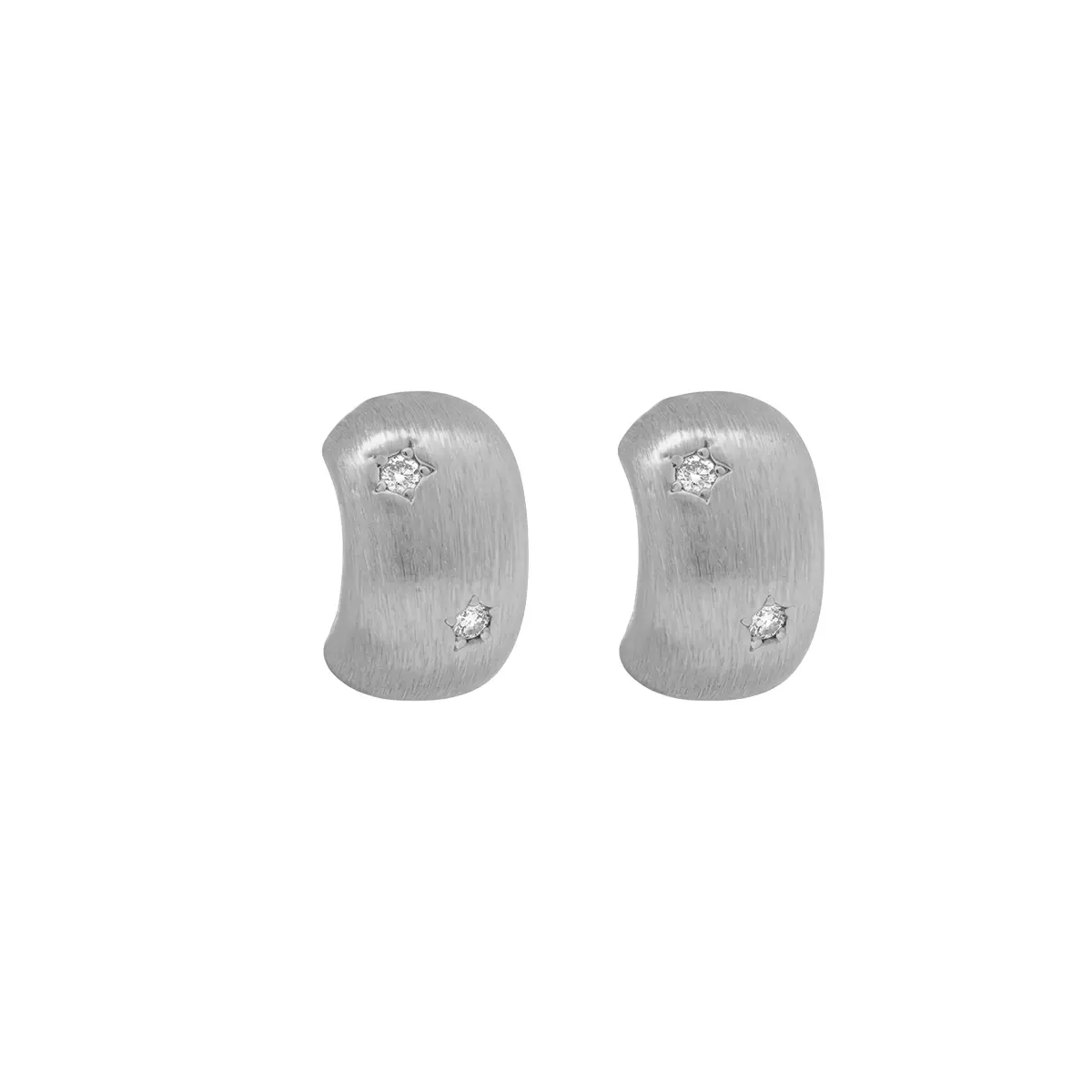
The jewelry market changes quickly as brands compete for unique designs, stable quality, and faster launches. A one stop jewelry ODM solution provider helps businesses manage product development through integrated services. Professional partners combine design, material sourcing, manufacturing, and quality inspection in one workflow. This approach reduces communication barriers and improves project efficiency. Brands can create distinctive collections without building complex internal production teams. Experienced ODM partners also provide technical suggestions based on market demands, customer preferences, and manufacturing capabilities. Their industry experience supports better decisions during each development stage. A reliable partnership creates stronger product value and improves long-term business performance.
Integrated Jewelry Design And Customization Services Improve Product Development Efficiency
Modern jewelry development requires creative concepts and practical production solutions. Professional ODM teams provide complete support from initial ideas to finished samples. Designers analyze market trends, customer preferences, and brand positioning before developing product concepts. They use professional drawing methods and digital modeling tools to improve communication accuracy. Sample production allows brands to evaluate appearance, structure, and wearing comfort before mass manufacturing. Customization services also include material selection, plating finishes, logo engraving, stone arrangement, and packaging options. These flexible solutions help brands create exclusive collections with stronger market recognition. Creative teams can recommend improvements in design details and production methods. This process reduces unnecessary adjustments and improves development efficiency for different jewelry projects.
Advanced Material Selection Creates Competitive Jewelry Collections
Material selection directly affects jewelry appearance, durability, and customer satisfaction. Professional ODM teams evaluate different materials based on product positioning, target prices, and market expectations. Stainless steel provides corrosion resistance and strong durability for daily jewelry products. Brass offers excellent flexibility for detailed designs and decorative styles. 925 silver delivers a premium feeling with suitable polishing performance. Gold plating requires careful control of thickness and surface preparation to achieve stable color retention. Cubic zirconia provides sparkling visual effects while maintaining cost efficiency. For example, Octagram Stud Earrings Cubic Zircon Shiny Fashion Jewelry demonstrates how crystal elements can enhance fashionable product designs through precise craftsmanship.
| Jewelry Material | Main Features | Suitable Applications |
|---|---|---|
| Stainless Steel | High durability, corrosion resistance, easy maintenance | Daily jewelry, fashion accessories |
| Brass | Excellent shaping ability, suitable for complex structures | Statement pieces, customized designs |
| 925 Silver | Premium appearance, good polishing performance | High-value jewelry collections |
| Cubic Zirconia | Strong shine, affordable decorative gemstone option | Luxury-inspired fashion jewelry |
Material Expertise Strengthens Jewelry Product Performance
Choosing suitable materials requires technical experience and market awareness. Different regions have different expectations regarding jewelry quality, pricing, and style preferences. Professional ODM teams evaluate material characteristics before recommending suitable solutions. They consider factors such as hardness, weight, color stability, and production complexity. Surface treatment also influences customer experience because plating quality affects product appearance over time. Reliable suppliers conduct testing during development to maintain stable performance. Material knowledge allows brands to balance design creativity and manufacturing practicality. This professional approach improves product consistency and supports stronger customer trust in competitive markets.
Manufacturing Control And Supply Chain Integration Ensure Stable Operations
Manufacturing capability determines whether creative jewelry concepts become reliable commercial products.A one stop jewelry ODM solution provider manages multiple production stages with experienced technicians and quality teams.
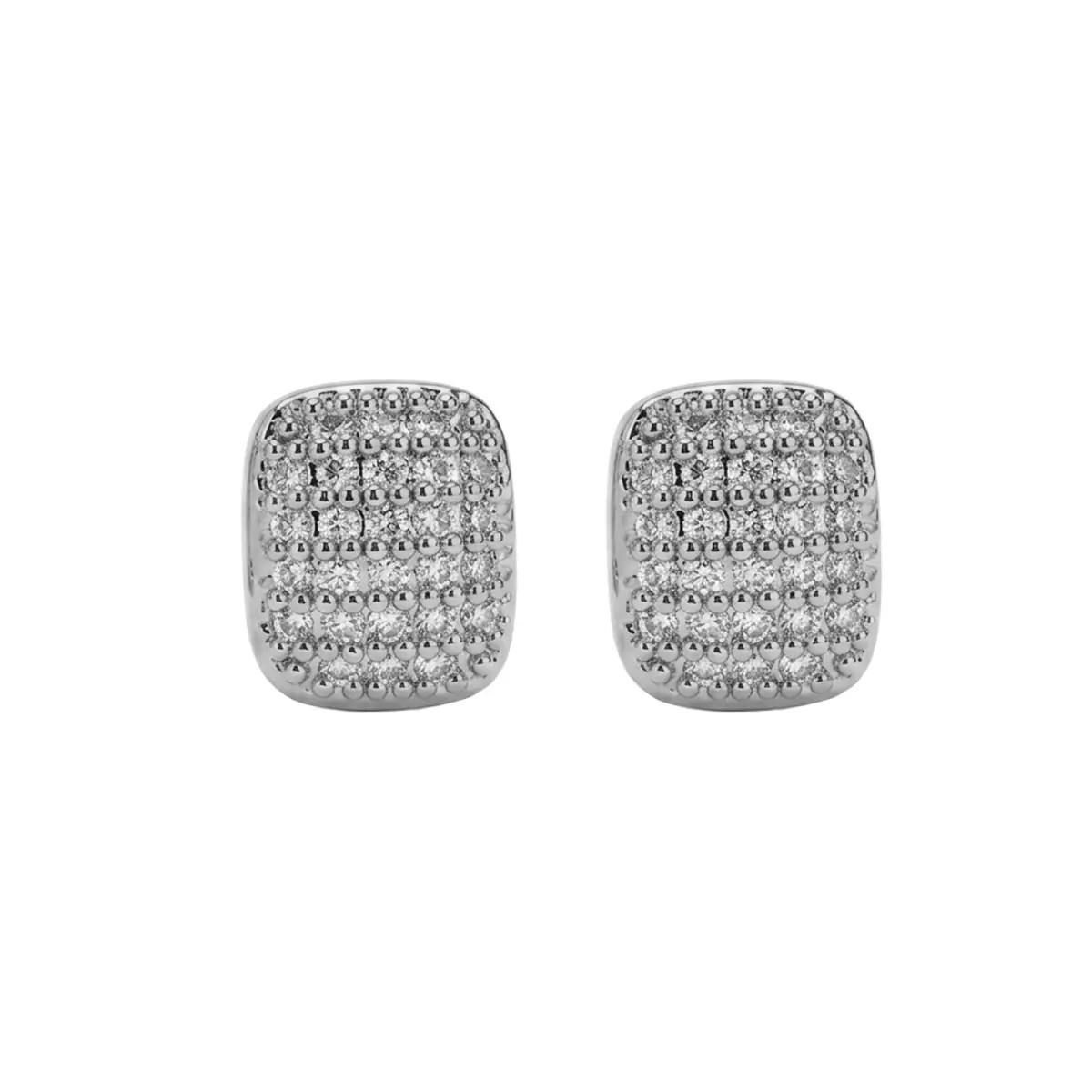
These stages include mold development, casting, polishing, stone setting, electroplating, assembly, and final inspection. Each process requires precise operation because small production errors may affect appearance and customer satisfaction. Skilled workers check surface smoothness, connection strength, plating color, and structural stability during manufacturing. Advanced equipment improves production consistency and reduces unexpected defects. A coordinated supply chain also supports material sourcing, production schedules, packaging, and shipment preparation. Brands can reduce supplier communication pressure while improving project efficiency and delivery reliability.
| Production Stage | Key Operation | Quality Focus |
|---|---|---|
| Mold Development | Create accurate product structures and detailed patterns | Design accuracy and production feasibility |
| Polishing | Remove surface imperfections and improve finishing effects | Smoothness and visual appeal |
| Electroplating | Add protective and decorative surface layers | Color consistency and durability |
| Final Inspection | Check finished products before shipment | Appearance, size, and functional quality |
Production And Supply Chain Management Improve Delivery Reliability
A complete manufacturing system requires coordination between different departments and production stages. Professional suppliers create clear workflows to manage materials, samples, production schedules, and inspections. Effective planning prevents delays caused by shortages or process problems. Quality teams monitor important checkpoints throughout manufacturing instead of checking only finished products. This method helps identify potential issues earlier and reduces waste. Businesses can receive better production updates through organized communication systems. Strong management abilities improve delivery stability and create smoother cooperation between brands and suppliers. An organized supply chain creates better operational flexibility and strengthens competitiveness in the global jewelry market.
Quality Inspection Systems Protect Jewelry Brand Reputation
Quality control is a critical factor for jewelry businesses because product defects can affect customer trust. Professional suppliers apply inspection systems throughout the manufacturing process. These systems may include size measurement, appearance evaluation, plating adhesion tests, and corrosion resistance checks. Jewelry products also require attention to details such as stone placement, clasp performance, and surface finishing. Different markets may have specific requirements related to material safety and product standards. Experienced teams evaluate these factors before shipment to reduce quality risks. Copper-based jewelry requires proper surface treatment to improve durability and maintain appearance. Careful inspection procedures help brands deliver reliable products and build stronger customer relationships.
Custom Branding Services Create Long Term Jewelry Market Value
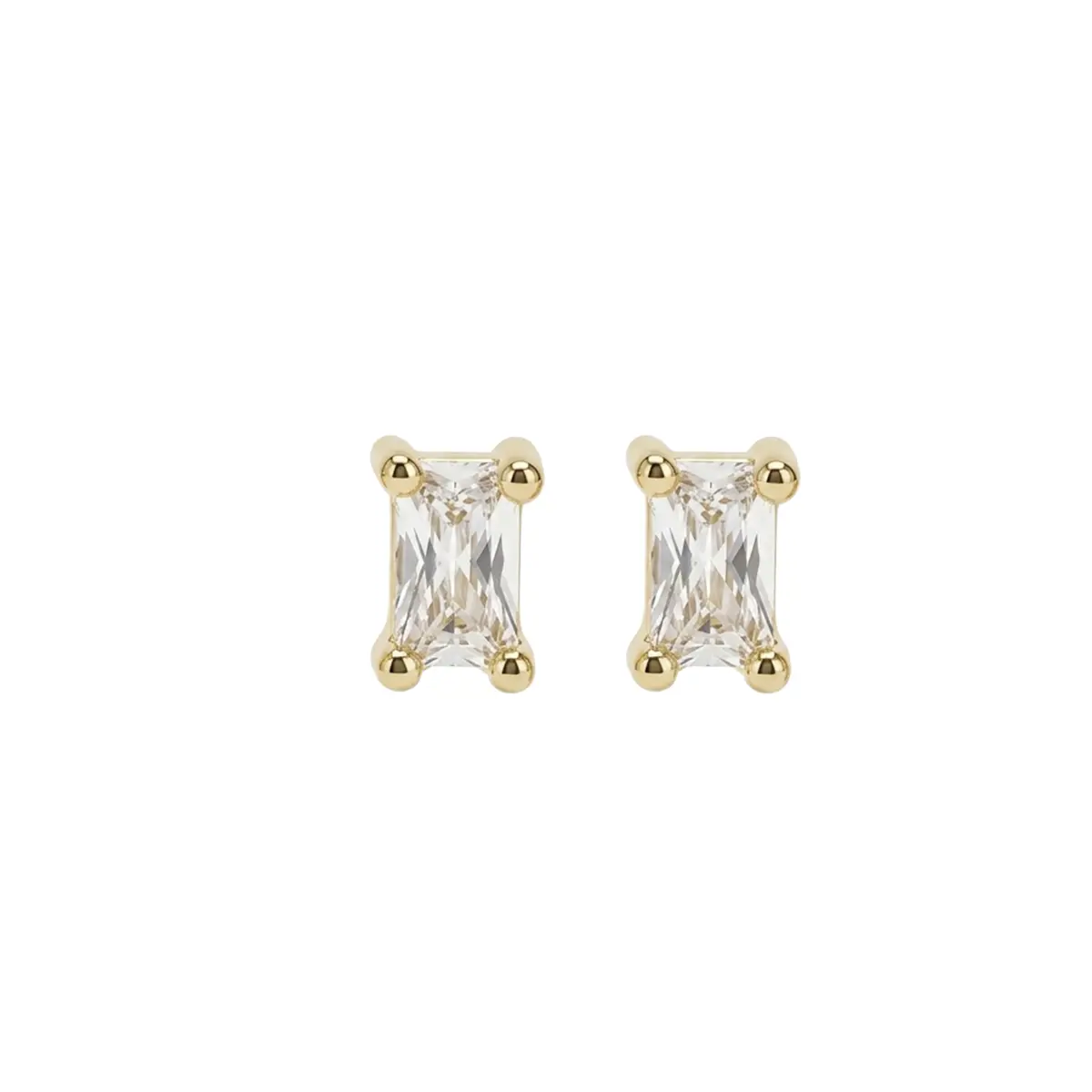
Packaging and branding influence how customers perceive jewelry products before purchase. Professional ODM services often include customized packaging solutions that match brand positioning. Options may include logo boxes, jewelry cards, protective bags, and premium gift packaging. These elements create stronger connections between products and brand identity. Customized services can also include product photography support, catalog preparation, and labeling solutions. Irregular Grain Retro Ring Copper Adjustable Fashion Jewelry represents how distinctive product styles can benefit from coordinated branding strategies. A complete service model helps brands improve product presentation and create memorable customer experiences. Long-term cooperation with professional partners supports continuous product development and stronger market competitiveness.
Choosing A Reliable Jewelry ODM Partner Requires Key Evaluation Factors
Selecting the right supplier requires careful evaluation of production experience, technical capability, and service quality. A professional one stop jewelry ODM solution provider should offer transparent cooperation from initial concepts to final delivery. Brands should review design resources, manufacturing processes, quality systems, and communication efficiency. Experience with different jewelry categories shows whether suppliers can manage various production challenges. Flexibility is also important because market demand changes frequently. Reliable partners usually provide clear timelines, professional recommendations, and stable quality control. These factors help businesses reduce risks and establish sustainable cooperation.
How One Stop Jewelry ODM Solution Provider Creates Future Business Advantages
The jewelry industry requires speed, creativity, and dependable production support. Working with a one stop jewelry ODM solution provider allows brands to access complete development resources through a unified process. This model combines creative design, material expertise, manufacturing control, and quality management. Brands can reduce internal workload while improving product innovation efficiency. Professional partners help transform ideas into finished collections with practical production solutions. Integrated services create advantages for businesses seeking stable growth. Strategic ODM cooperation supports stronger product positioning, efficient operations, and improved competitiveness in international jewelry markets.
FAQ
What Services Does A One Stop Jewelry ODM Solution Provider Offer?
A professional jewelry ODM partner offers complete services covering design, material selection, sample development, manufacturing, quality inspection, packaging, and shipment support. Brands can communicate product concepts and receive assistance throughout the development process. Design teams help optimize styles, while production specialists ensure manufacturing feasibility. Material experts recommend suitable options based on product positioning and target markets.
Quality teams monitor important production stages to maintain consistency. Packaging support improves brand presentation and product recognition. This complete service model reduces coordination pressure and allows businesses to focus on sales strategies and customer engagement.
How Does A Jewelry ODM Partner Help Brands Reduce Product Development Costs?
A jewelry ODM partner reduces development costs by combining multiple resources within one service system. Brands do not need to build independent design teams, production facilities, or supplier networks. Professional suppliers already have manufacturing experience, material resources, and technical knowledge. This reduces unnecessary testing expenses and shortens product development cycles. Efficient communication also decreases delays caused by multiple suppliers. ODM teams provide practical suggestions that improve design feasibility and production efficiency. Through integrated cooperation, brands can create competitive jewelry collections while controlling investment risks. This approach supports better resource allocation and stronger business performance.
What Factors Should Brands Check Before Selecting A Jewelry ODM Supplier?
Brands should evaluate several factors before choosing a jewelry ODM supplier. Important points include design capability, production experience, quality control systems, customization flexibility, and communication efficiency. A reliable supplier should provide clear production processes and consistent product standards. Businesses should also review whether suppliers can handle different materials, styles, and order requirements. Professional teams should offer technical support during product development and provide solutions for production challenges. Strong service ability helps create smoother cooperation. Careful supplier evaluation allows brands to select partners that support long-term growth and maintain reliable product quality.