
How To Choose A Custom Chain Necklace OEM Factory?
-
Choose a custom chain necklace OEM factory with quality control, custom designs, skilled production, and stable jewelry support.
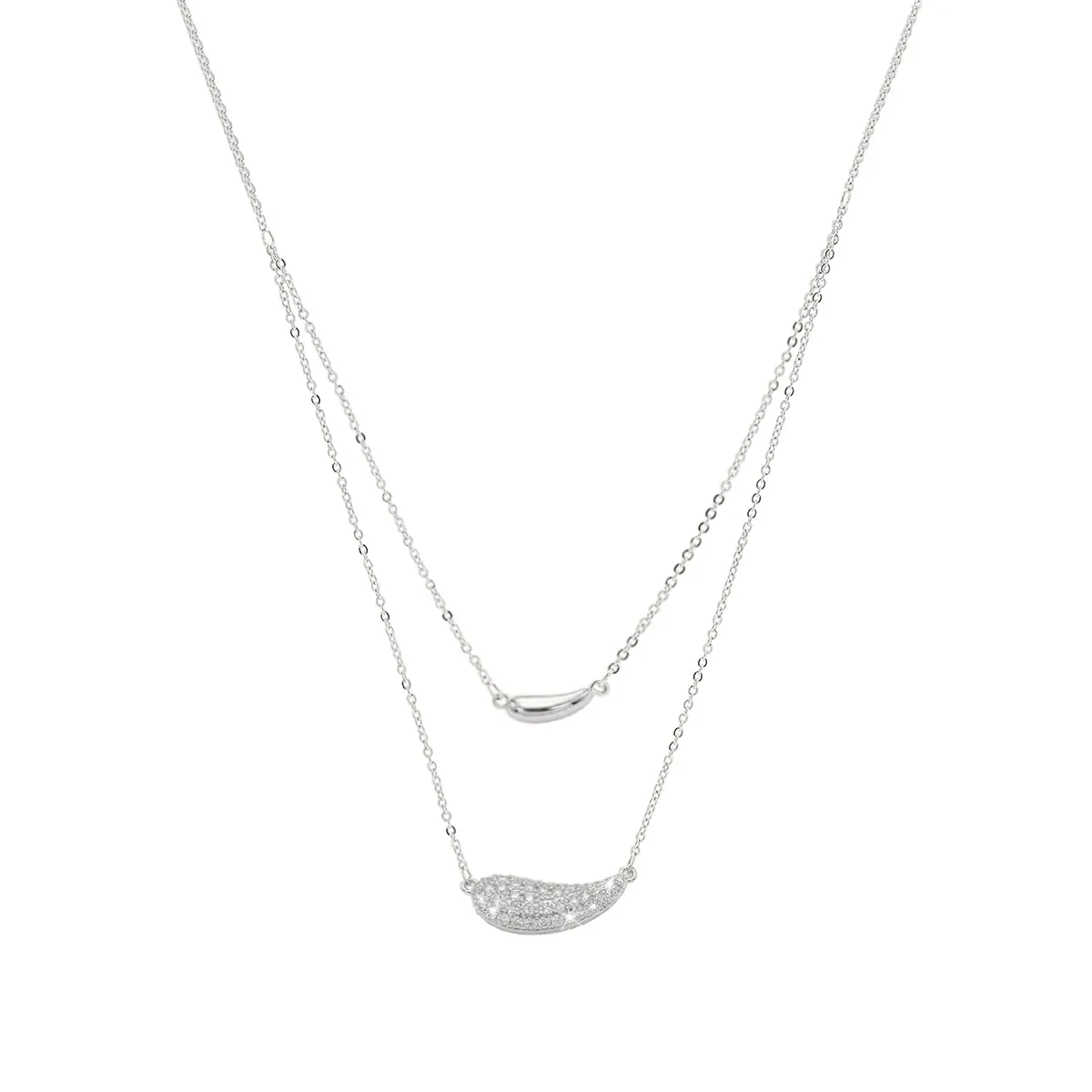
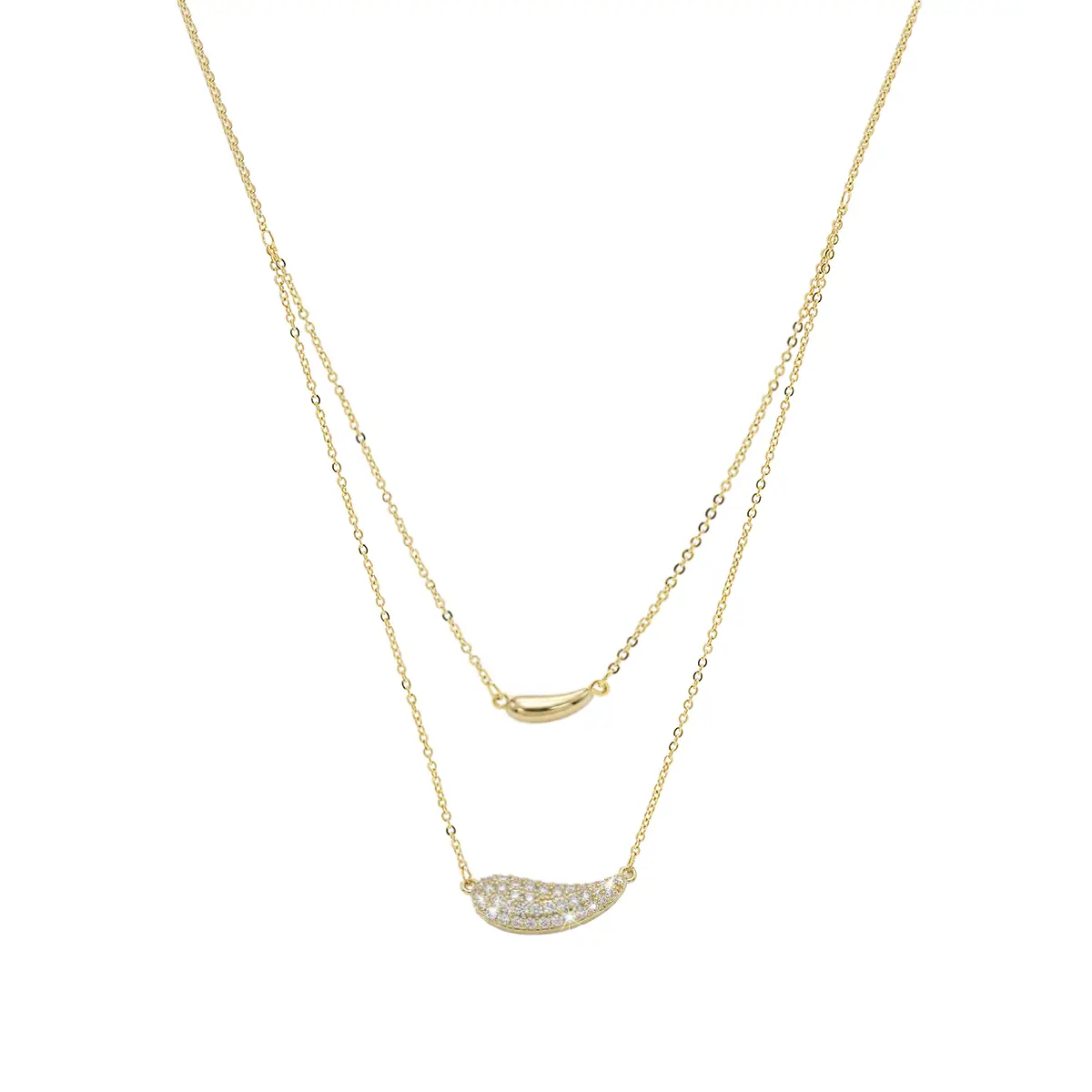
Choosing the right custom chain necklace OEM factory requires careful evaluation of production ability, material knowledge, and quality management systems. Jewelry brands need reliable partners that can transform creative concepts into finished products with consistent results. A professional manufacturer should provide design support, accurate sampling, and stable production processes. Buyers should review factory experience, equipment capability, and craftsmanship before making decisions. Chain necklaces involve multiple manufacturing stages, including metal forming, polishing, plating, assembly, and inspection. Each stage influences the final appearance and durability. A qualified supplier can reduce production risks while supporting long-term business growth through dependable manufacturing solutions and flexible customization services.
Manufacturing Experience And Jewelry Production Capability
Experienced suppliers provide stronger technical support because they handle various necklace structures and production challenges. A factory with years of jewelry manufacturing experience usually has skilled workers, organized workflows, and improved problem-solving abilities. Buyers should check whether the manufacturer has experience with different chain styles, including cable chains, box chains, curb chains, and customized patterns. Production capacity also affects order stability because large projects require consistent output. Advanced machinery supports precise cutting, welding, and polishing operations. Skilled technicians manage details such as link connection strength and surface finishing. A reliable production team can maintain quality standards during both sample development and mass manufacturing stages.
Material Selection And Advanced Chain Manufacturing Techniques
Material quality directly influences necklace appearance, durability, and customer satisfaction. Professional manufacturers should provide multiple material choices, including stainless steel, brass, sterling silver, and gold-plated alloys. Each material requires specific processing techniques to achieve consistent results. Stainless steel offers strong corrosion resistance and structural stability, while brass supports flexible designs and cost-effective production. Plating thickness affects color durability, surface protection, and overall product performance. Manufacturers should clearly explain plating processes, coating standards, and testing methods before production starts. Jewelry brands should also evaluate supplier knowledge of metal characteristics, polishing methods, and finishing techniques. These factors help create products with stronger market appeal and extended service life.
Key Manufacturing Factors For Custom Jewelry Projects
| Evaluation Area | Important Factors | Business Impact |
|---|---|---|
| Material Control | Metal quality, plating thickness, durability testing | Improves product reliability and customer trust |
| Production Ability | Equipment, skilled workers, manufacturing capacity | Supports stable delivery and larger orders |
| Quality Management | Inspection systems, defect control, final checking | Reduces returns and protects brand reputation |
| Customization Service | Design support, sampling, packaging options | Creates unique market positioning |
Quality control processes determine whether jewelry products meet commercial expectations. Reliable manufacturers create inspection procedures throughout production rather than checking only finished items. Raw materials should receive evaluation before manufacturing begins. During production, workers inspect dimensions, connections, surface conditions, and plating results. Final inspections usually include appearance checks, weight verification, and functional testing. These procedures help identify issues before shipment. Buyers should request information about quality systems and testing methods. A supplier with clear inspection standards demonstrates stronger production responsibility and professional management.
Consistent quality control also helps brands maintain customer satisfaction across different product collections and repeated orders.
Custom Chain Necklace OEM Factory Communication And Development Process
Effective communication plays an important role in successful jewelry customization projects. Brands need manufacturers that respond quickly and provide accurate technical feedback. A professional supplier should discuss design drawings, material choices, dimensions, packaging needs, and production schedules clearly. Sample development is another important stage because prototypes reveal possible design adjustments. Manufacturers with strong engineering support can suggest practical improvements without changing the original concept. For example, they may recommend stronger chain structures or better plating solutions. Clear communication reduces misunderstandings and prevents unnecessary delays. A cooperative production relationship allows brands to achieve better results while maintaining creative control throughout the development process.
Evaluating Customization Services And Order Flexibility
Customization ability separates ordinary suppliers from specialized jewelry partners. Brands often require unique designs, personalized packaging, and different finishing options to compete in crowded markets. A capable supplier should support small trial orders, large production runs, and repeated customization requests. Flexible services help emerging brands test new collections without excessive inventory pressure. Buyers should also review sample fees, production timelines, and modification policies. Products such as Waterproof Elegant Style Acrylic Pearl Tassel Earrings require attention to material matching, decorative details, and visual consistency during production. Manufacturers with strong customization systems can manage complex requirements while maintaining efficient workflows. This ability creates better opportunities for brands seeking distinctive jewelry collections.
Quality Standards And Certification Requirements For Jewelry Suppliers
Selecting a reliable supplier requires attention to production standards, compliance systems, and factory management practices. Professional manufacturers usually maintain structured procedures for material inspection, production tracking, and final product evaluation. Certifications and audits can provide additional confidence because they reflect operational discipline and responsible business practices. Buyers should review whether factories follow recognized quality requirements for jewelry production, including material safety checks and environmental control procedures. A supplier with complete documentation can support smoother cooperation and reduce risks during international transactions. Strong management systems also improve communication between design teams, production departments, and quality inspectors. These capabilities create stable foundations for long-term partnerships.
| Supplier Evaluation Category | Recommended Review Points | Expected Result |
|---|---|---|
| Factory Background | Production history, customer experience, technical team | Reliable manufacturing support |
| Quality System | Inspection process, testing equipment, quality records | Stable product consistency |
| Customization Ability | Design adjustment, sampling speed, finishing options | Flexible product development |
| Supply Management | Material sourcing, production scheduling, delivery control | Predictable order fulfillment |
Production management directly affects delivery reliability and business cooperation. Jewelry brands should examine how suppliers organize materials, production schedules, and inventory planning. A well-managed factory can prevent delays caused by poor coordination or limited resources. Manufacturing teams should maintain clear workflows from design approval to final shipment. Inventory control also influences production efficiency because essential materials must remain available during busy periods. Companies working with international markets need suppliers that can handle different order volumes and changing demand patterns. Effective production management supports stable delivery performance while allowing brands to expand product lines. Reliable operations create stronger partnerships between buyers and manufacturers.
Checklist For Selecting A Professional Jewelry Manufacturing Partner
Before choosing a supplier, buyers should evaluate several important areas. A detailed review process helps identify factories with suitable capabilities and long-term cooperation potential.
- Review factory experience with similar jewelry categories.
- Check available materials, plating methods, and finishing options.
- Evaluate sample development speed and design support.
- Confirm quality inspection procedures and production standards.
- Assess delivery management and communication efficiency.
These evaluation points help buyers compare different suppliers with practical criteria. Factory experience shows whether the manufacturer can manage complex designs.
Material knowledge reflects technical capability because different metals require different treatments. Sample development reveals the supplier’s ability to transform ideas into physical products. Quality inspection procedures demonstrate manufacturing responsibility. Delivery management indicates whether the supplier can support consistent business operations. A complete evaluation process reduces uncertainty and improves purchasing decisions. Brands can build stronger supplier relationships when they focus on production capability rather than only comparing prices.
Custom Chain Necklace OEM Factory Long-Term Partnership Strategies
Building a stable relationship with a professional manufacturer requires continuous communication and mutual cooperation. A dependable custom chain necklace OEM factory supports brands through product improvements, market changes, and future collection development. Long-term cooperation allows manufacturers to gain deeper knowledge of brand requirements and provide more efficient services. Regular feedback between both sides can improve designs, reduce production issues, and shorten development cycles. Suppliers should also provide suggestions about materials, trends, and production methods based on practical experience. Strong partnerships create benefits beyond individual orders because both parties can improve efficiency and market response. Reliable cooperation becomes a valuable advantage in competitive jewelry industries.
Jewelry Product Development Considerations For Brand Expansion
Expanding jewelry collections requires attention to design variety, customer preferences, and production consistency. Brands often combine different accessories to create attractive product ranges. For example, Cubic Zircon Open Cuff Bracelet Bangle for Girls represents a design direction that requires precise decorative placement and surface finishing control. Similar attention should be applied to chain necklaces because small details influence customer perception. Manufacturers should help brands maintain consistent quality across multiple product categories. They need technical knowledge about gemstones, metals, coatings, and assembly methods. Product development becomes more efficient when suppliers provide professional suggestions during early planning stages. A strong manufacturing partner can support brands in creating collections that match market expectations.
Selecting A Reliable Supplier Through Practical Comparison
Comparing suppliers requires more than checking product prices. Buyers should analyze manufacturing capability, service quality, and production reliability together. Low-cost options may create hidden risks if they lack quality control or technical support. Professional suppliers provide transparent information about materials, processes, and production schedules. They also maintain communication throughout different project stages. Brands should request samples, review previous production examples, and discuss customization requirements before placing large orders.
A detailed comparison helps companies avoid production problems and maintain consistent product standards. Choosing the right partner creates better opportunities for sustainable growth and successful jewelry collections.
FAQ
What Makes A Custom Chain Necklace OEM Factory Reliable?
A reliable supplier combines manufacturing experience, quality control systems, and strong communication abilities. Professional factories manage materials, production processes, and inspections carefully to maintain consistent results. They provide accurate samples before bulk manufacturing and offer technical suggestions for design improvements. Reliable manufacturers also maintain organized production schedules and clear cooperation procedures. Buyers should review factory capability, previous projects, and quality management methods before making decisions. A trustworthy partner focuses on long-term cooperation rather than short-term transactions. This approach helps brands achieve stable product quality and build stronger market confidence.
How Do Brands Evaluate Jewelry OEM Production Quality?
Brands evaluate jewelry production quality through materials, craftsmanship, inspection systems, and finished product performance. They should review metal selection, plating technology, polishing methods, and assembly accuracy. Professional manufacturers usually perform multiple inspections during production to identify possible issues early. Sample evaluation is also important because it allows buyers to check appearance, structure, and durability before larger orders. Suppliers should provide clear information about manufacturing procedures and quality standards. Consistent production quality helps brands reduce customer complaints and maintain positive market reputation. Careful evaluation creates better cooperation opportunities with experienced jewelry manufacturers.
What Should Buyers Ask Before Choosing A Necklace Manufacturer?
Buyers should ask about production capability, customization services, material options, quality procedures, and delivery management before selecting a manufacturer. Important questions include factory experience with similar products, available design support, sample timelines, and production capacity. Brands should also confirm plating standards, inspection methods, and packaging options. Clear communication during early discussions helps prevent misunderstandings during production. Suppliers should provide professional answers and practical solutions based on technical experience. A detailed evaluation process allows buyers to select manufacturers that match their business goals and support future product expansion.