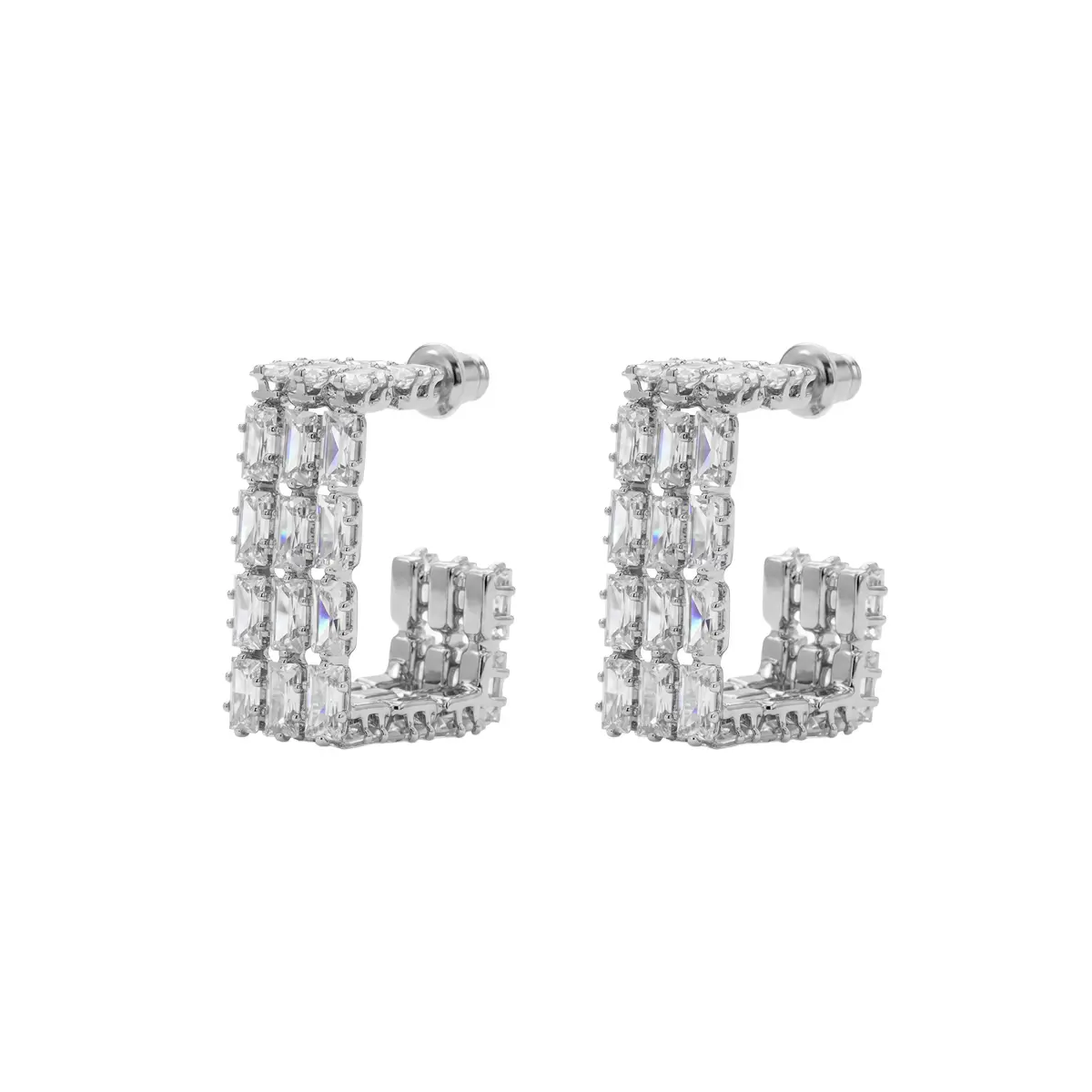
Stainless Steel Vs Brass Jewelry: Which Material Is Better For Wholesale?
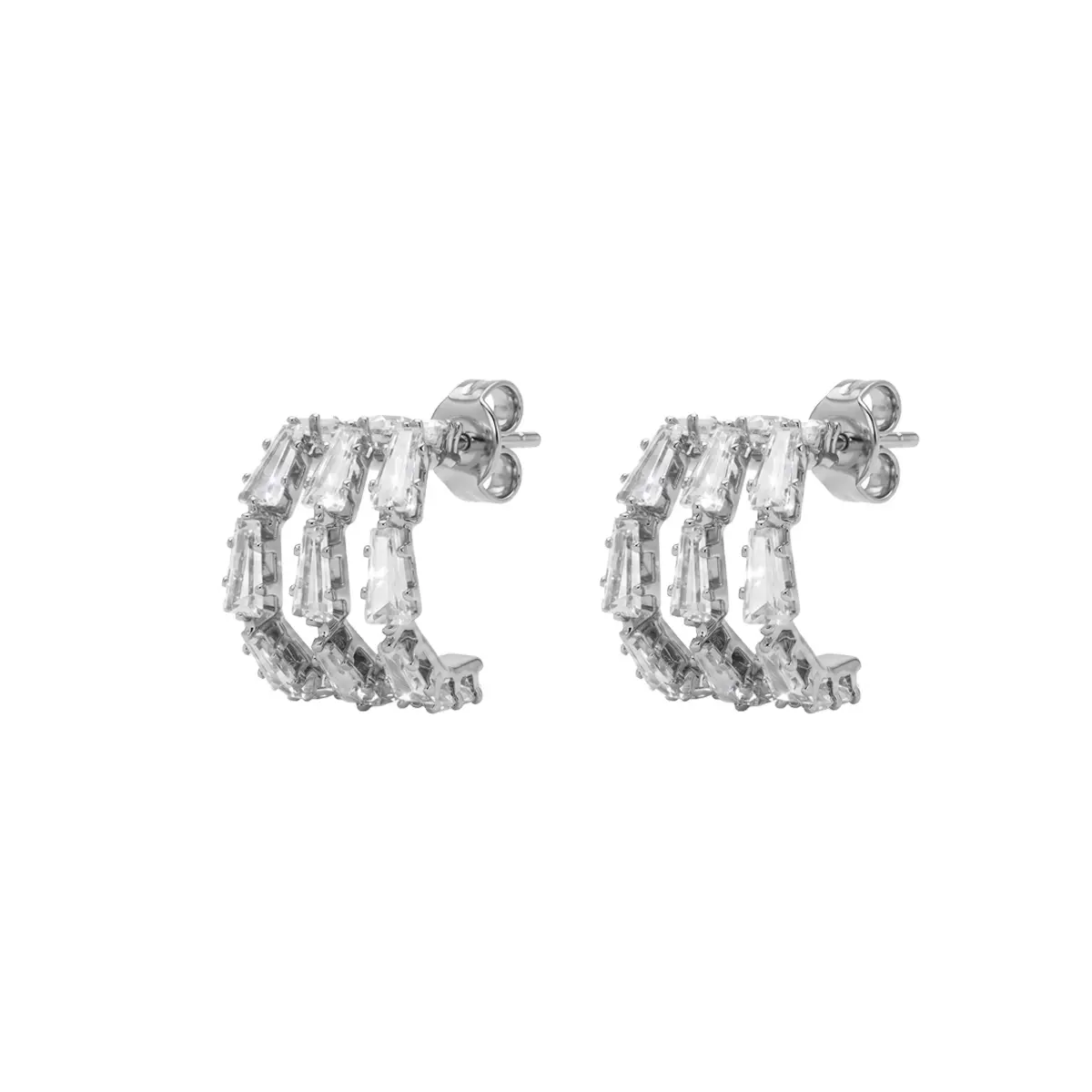
If you’re planning to launch a jewelry brand or expand your wholesale collection, one of the first decisions you’ll need to make is selecting the right base material.
Among the many options available, stainless steel and brass are two of the most widely used materials in fashion jewelry manufacturing.
At first glance, they may appear similar. Both can be plated in gold, silver, or rose gold. Both are suitable for necklaces, earrings, bracelets, and rings. Both are popular in the global wholesale market.
However, these materials differ significantly in manufacturing methods, durability, customization options, production costs, and long-term performance.
Choosing the wrong material may lead to higher manufacturing costs, limited design possibilities, or products that don’t match your target market.
In this guide, we’ll compare stainless steel and brass from a manufacturer’s perspective to help you make an informed sourcing decision.
Why Material Selection Matters
Material selection influences far more than the appearance of a finished product.
It directly affects:
- Manufacturing methods
- Product weight
- Surface finishing
- Plating quality
- Durability
- Production costs
- MOQ requirements
- Lead times
- Customer satisfaction
For jewelry brands, choosing the right material means balancing aesthetics, functionality, and commercial goals.
Understanding Stainless Steel Jewelry
Stainless steel is an iron-based alloy containing chromium and, in some grades, nickel and molybdenum.
The chromium creates a protective oxide layer that makes stainless steel highly resistant to corrosion and rust.
Common grades used in jewelry manufacturing include:
- 304 Stainless Steel
- 316 Stainless Steel
- 316L Stainless Steel
Among these, 316L stainless steel is widely regarded as the premium choice due to its excellent corrosion resistance and skin-friendly properties.
Advantages of Stainless Steel Jewelry
Excellent Durability
Stainless steel is highly resistant to scratches, bending, and everyday wear.
This makes it suitable for:
- Men’s jewelry
- Minimalist collections
- Everyday accessories
- Outdoor lifestyle brands
Strong Corrosion Resistance
Unlike many other metals, stainless steel does not easily oxidize or tarnish when exposed to moisture.
Low Maintenance
Customers appreciate jewelry that requires minimal care.
Stainless steel generally retains its appearance without frequent polishing.
Hypoallergenic Properties
High-quality 316L stainless steel is often preferred for customers with sensitive skin.
Understanding Brass Jewelry
Brass is a copper-zinc alloy that has been used in jewelry manufacturing for decades.
Because of its excellent casting properties, brass is one of the most popular materials for custom fashion jewelry.
Note: Some buyers casually refer to brass products as “copper jewelry” because brass is primarily composed of copper. However, in the jewelry manufacturing industry, the correct material term is brass, as its zinc content gives it the strength, workability, and finishing characteristics required for commercial jewelry production.
Advantages of Brass Jewelry
Outstanding Design Flexibility
Brass is easier to cast into intricate shapes than stainless steel.
This makes it ideal for:
- Fashion jewelry
- Statement earrings
- Charm necklaces
- Textured pendants
- Complex rings
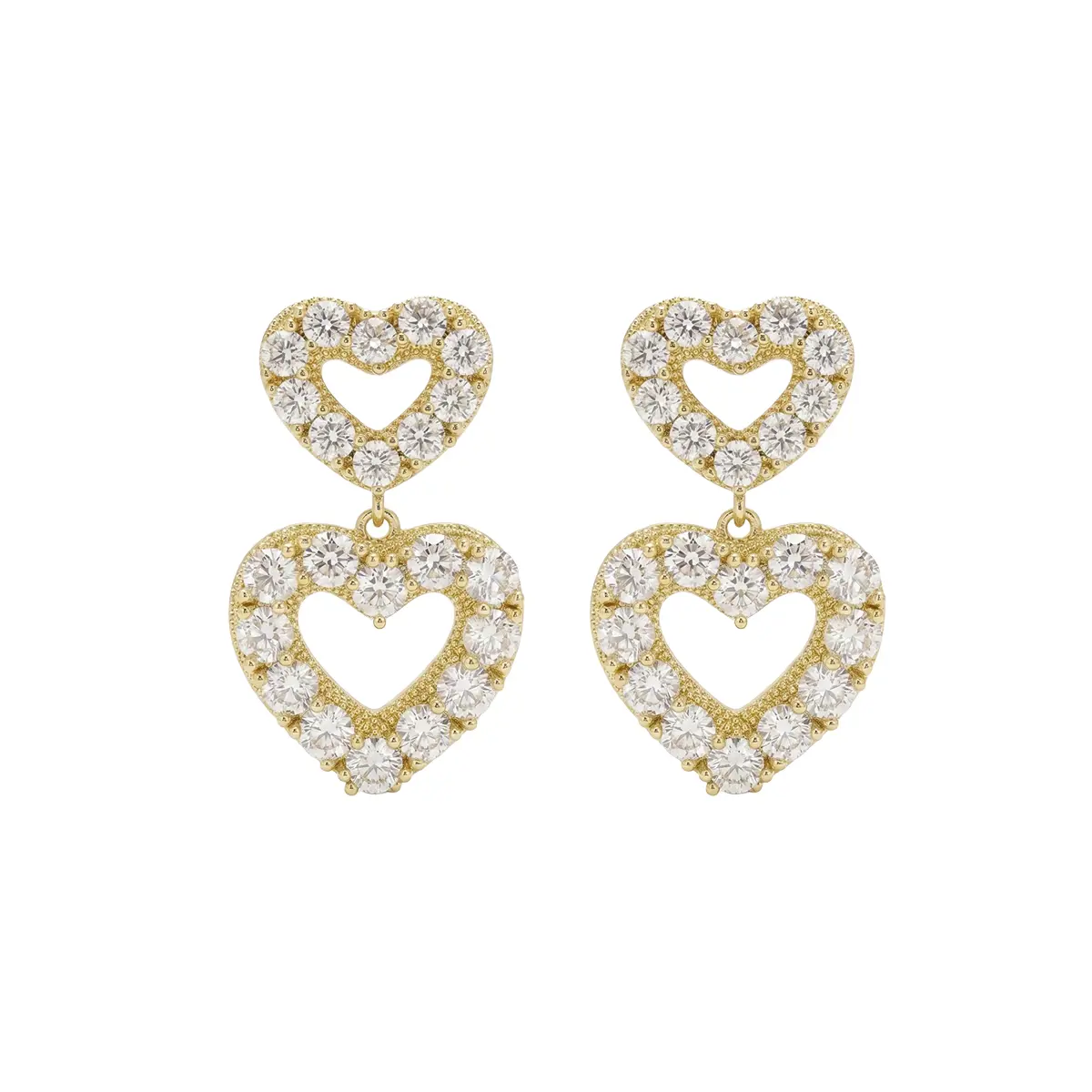
Manufacturers can achieve finer details and more creative designs with brass.
Superior Gold Plating Performance
Brass has excellent plating adhesion.
It is widely used for:
- 18K Gold Plating
- 14K Gold Plating
- Rose Gold Plating
- Rhodium Plating
When combined with proper pre-treatment and anti-tarnish coatings, brass jewelry offers a premium appearance suitable for mid-to-high-end fashion brands.
Better OEM Customization
Brass supports:
- Intricate logos
- Fine engraving
- Complex stone settings
- Hollow structures
- Multi-part assemblies
This makes it the preferred material for custom OEM jewelry manufacturing.
Stainless Steel vs Brass Jewelry: A Side-by-Side Comparison
Choosing between stainless steel and brass isn’t about deciding which material is universally better.
The better choice depends on your product positioning, target customers, retail price, and manufacturing requirements.
The comparison below highlights the most important differences buyers should consider.
| Feature | Brass Jewelry | Stainless Steel Jewelry |
|---|---|---|
| Custom Design Flexibility | ★★★★★ | ★★★☆☆ |
| Casting Complex Shapes | ★★★★★ | ★★☆☆☆ |
| Gold Plating Performance | ★★★★★ | ★★★★☆ (PVD Recommended) |
| Scratch Resistance | ★★★☆☆ | ★★★★★ |
| Corrosion Resistance | ★★★☆☆ | ★★★★★ |
| Product Weight | Medium | Heavy |
| Production Cost | Moderate | Moderate to High |
| Small MOQ Availability | Excellent | Limited for Custom Designs |
| OEM Customization | Excellent | Good |
| Luxury Appearance | Excellent | Modern & Minimalist |
As you can see, each material has strengths that suit different market segments.
Let’s look at these differences in more detail.
Design Flexibility: Brass Has a Clear Advantage
If your collection includes intricate details, textured surfaces, or sculptural elements, brass is generally the preferred material.
Brass is softer and easier to process than stainless steel, allowing manufacturers to create highly detailed products through precision casting.
Examples include:
- Floral earrings
- Vintage-style pendants
- Layered charms
- Hollow geometric designs
- Organic textures
- Custom logo pendants
Because of its excellent casting properties, brass can reproduce even very fine design details with high consistency.
This is one of the main reasons why most fashion jewelry brands choose brass for custom collections.
Manufacturing Process Comparison
Although both materials can produce high-quality jewelry, the manufacturing process is very different.
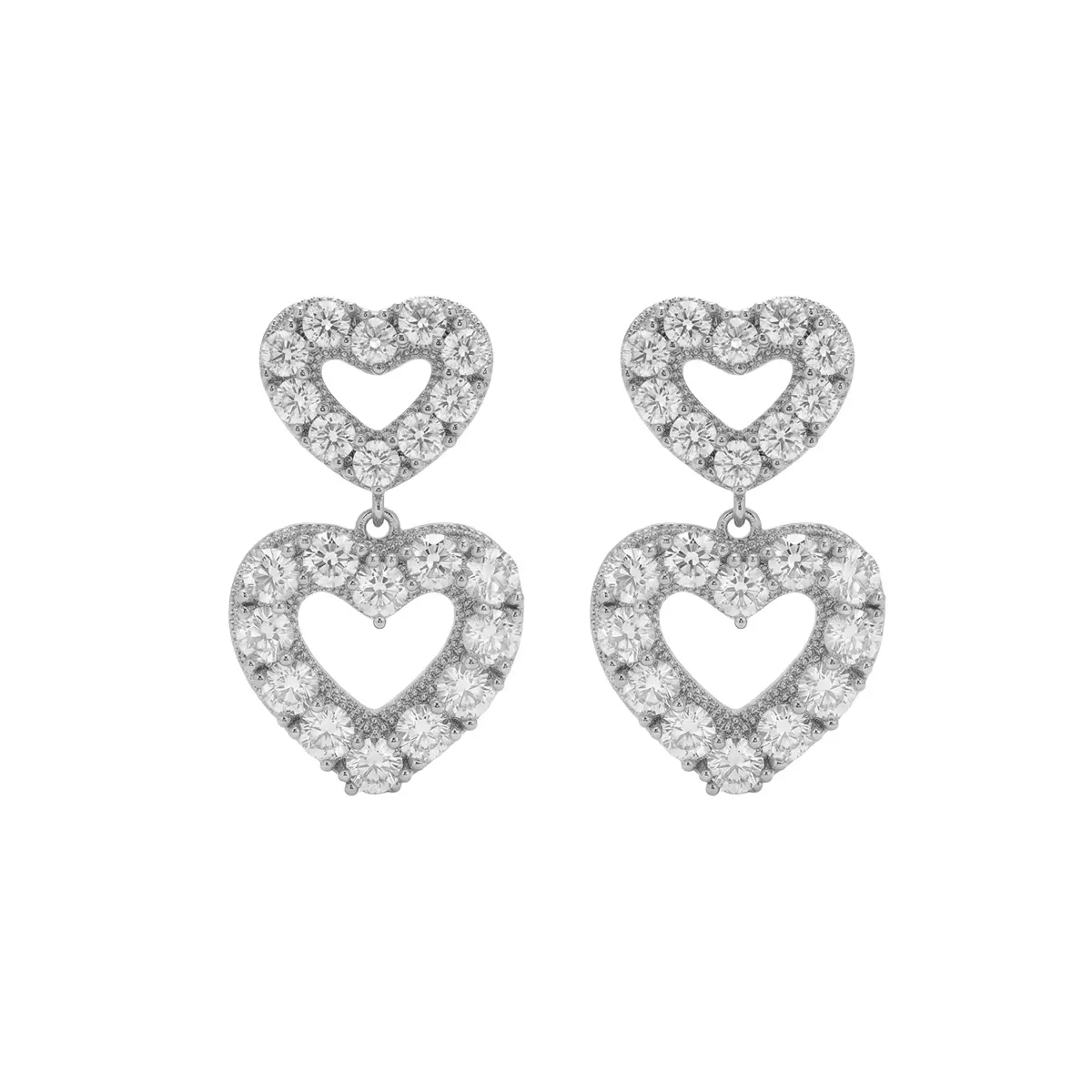
Brass Jewelry Manufacturing
Most brass jewelry is produced using the lost-wax casting process, which is ideal for detailed and artistic designs.
A typical production workflow includes:
- CAD Design
- 3D Printing or Wax Model
- Mold Making
- Brass Casting
- Grinding
- Hand Polishing
- Electroplating
- Stone Setting
- Assembly
- Quality Inspection
Because brass flows well during casting, it allows manufacturers to produce complex shapes with excellent precision.
Stainless Steel Jewelry Manufacturing
Stainless steel is significantly harder than brass.
Instead of casting, many stainless steel products are manufactured using:
- Laser Cutting
- CNC Machining
- Stamping
- Welding
- Precision Polishing
- PVD Coating
These techniques produce exceptionally durable products but are generally less suitable for highly decorative shapes.
As a result, stainless steel collections often feature clean lines and minimalist aesthetics.
Gold Plating Performance
One of the most common questions buyers ask is:
Which material holds gold plating better?
The answer depends on the plating technology used.
Brass Jewelry
Brass has long been the preferred base material for electroplated fashion jewelry.
Its smooth surface allows plating layers to bond effectively, creating a rich, luxurious finish.
Common plating options include:
- 14K Gold
- 18K Gold
- 24K Gold
- Rhodium
- Rose Gold
- Silver
When proper pre-treatment and anti-tarnish coatings are applied, brass jewelry can achieve excellent appearance and durability.
Stainless Steel Jewelry
Traditional electroplating on stainless steel is more challenging because of its dense surface.
Many manufacturers now use PVD (Physical Vapor Deposition) coating instead.
PVD offers:
- Excellent scratch resistance
- Better wear resistance
- Long-lasting color
- Improved corrosion resistance
This makes PVD-coated stainless steel especially popular for men’s jewelry and everyday accessories.
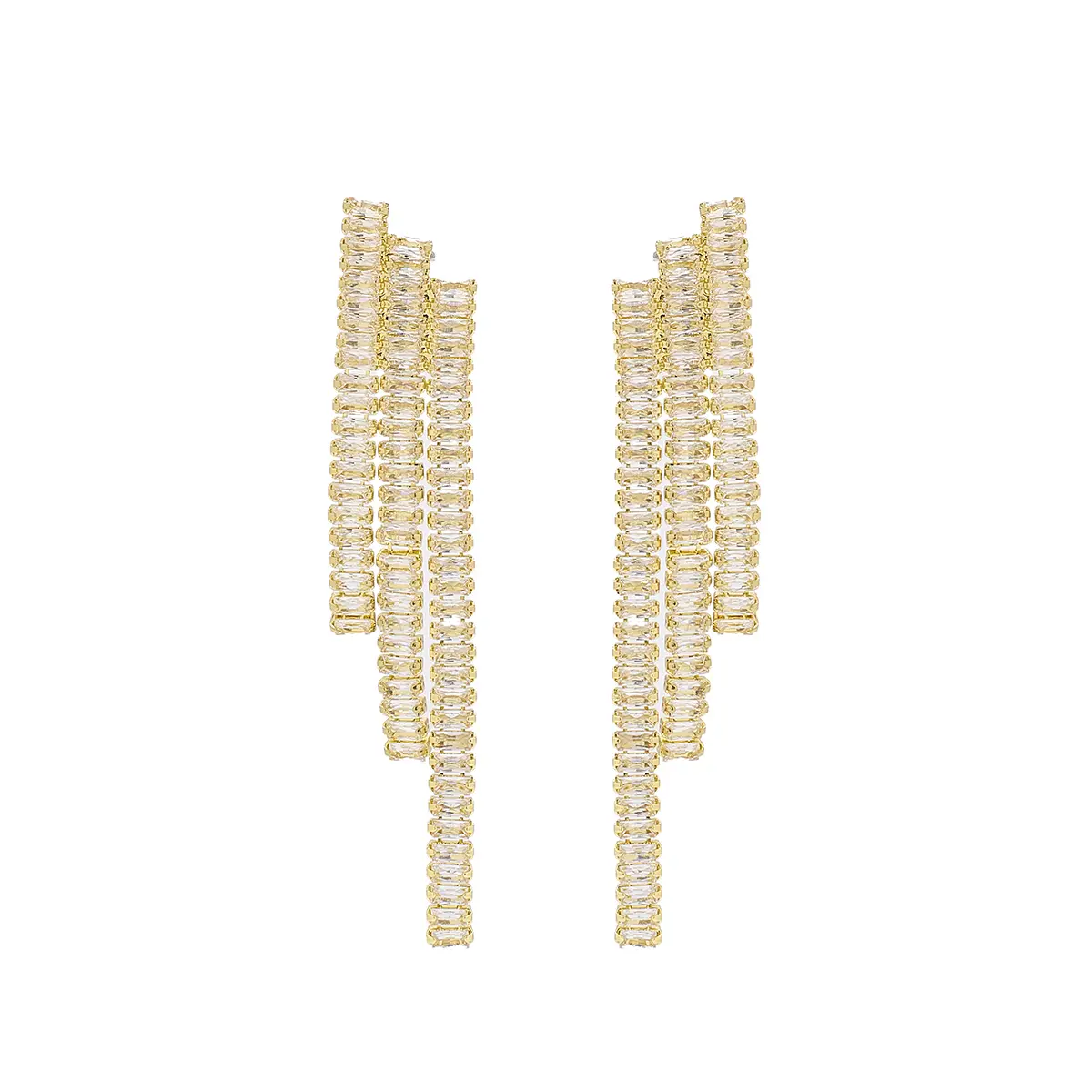
Durability Comparison
If durability is your highest priority, stainless steel is difficult to beat.
Stainless Steel
Benefits include:
- Outstanding scratch resistance
- Excellent corrosion resistance
- High structural strength
- Long service life
These properties make it ideal for:
- Men’s bracelets
- Chain necklaces
- Signet rings
- Outdoor lifestyle jewelry
- Sports-inspired collections
Brass
Brass is durable enough for everyday fashion jewelry but requires proper plating to protect the surface.
Without protective coatings, brass may gradually oxidize after prolonged exposure to moisture, cosmetics, or chemicals.
This is why professional manufacturers recommend:
- Thick gold plating
- Protective top coating
- Proper jewelry care instructions
With these measures, brass jewelry can maintain its appearance for a long time under normal wear conditions.
Weight and Wearing Comfort
Material density affects how jewelry feels when worn.
Brass Jewelry
Brass offers a balanced weight.
It feels substantial enough to communicate quality while remaining comfortable for larger statement pieces.
This makes it suitable for:
- Fashion earrings
- Layered necklaces
- Large pendants
- Charm bracelets
Stainless Steel Jewelry
Stainless steel is generally heavier.
Some customers associate this extra weight with durability and premium quality.
However, for oversized earrings or elaborate necklaces, excessive weight may reduce comfort during extended wear.
When designing collections, it’s important to consider not only aesthetics but also the customer experience.
Customization Capabilities
For OEM and private label projects, customization is often a deciding factor.
Brass Offers Greater Creative Freedom
Brass supports:
- Deep logo engraving
- Intricate textures
- Openwork designs
- Multi-part assemblies
- Complex stone settings
- Decorative patterns
Because of these advantages, brass remains the dominant material for fashion jewelry manufacturers producing customized collections.
Stainless Steel Is Better for Minimalist Designs
Although stainless steel can also be customized, it is better suited for:
- Laser engraving
- Simple geometric shapes
- Clean surfaces
- Modern branding
- Personalized text
Highly detailed decorative designs may require significantly more machining time and higher production costs.
Production Cost Comparison
Many buyers assume stainless steel is always less expensive than brass.
In reality, the total manufacturing cost depends on several factors.
These include:
- Material prices
- Manufacturing method
- Labor requirements
- Finishing process
- Plating technology
- Order quantity
For highly decorative fashion jewelry, brass is often more cost-effective because casting complex shapes is efficient.
For simple minimalist products produced in large quantities, stainless steel can become increasingly competitive.
Instead of comparing raw material prices alone, buyers should evaluate the total manufacturing cost, including tooling, finishing, labor, and production efficiency.
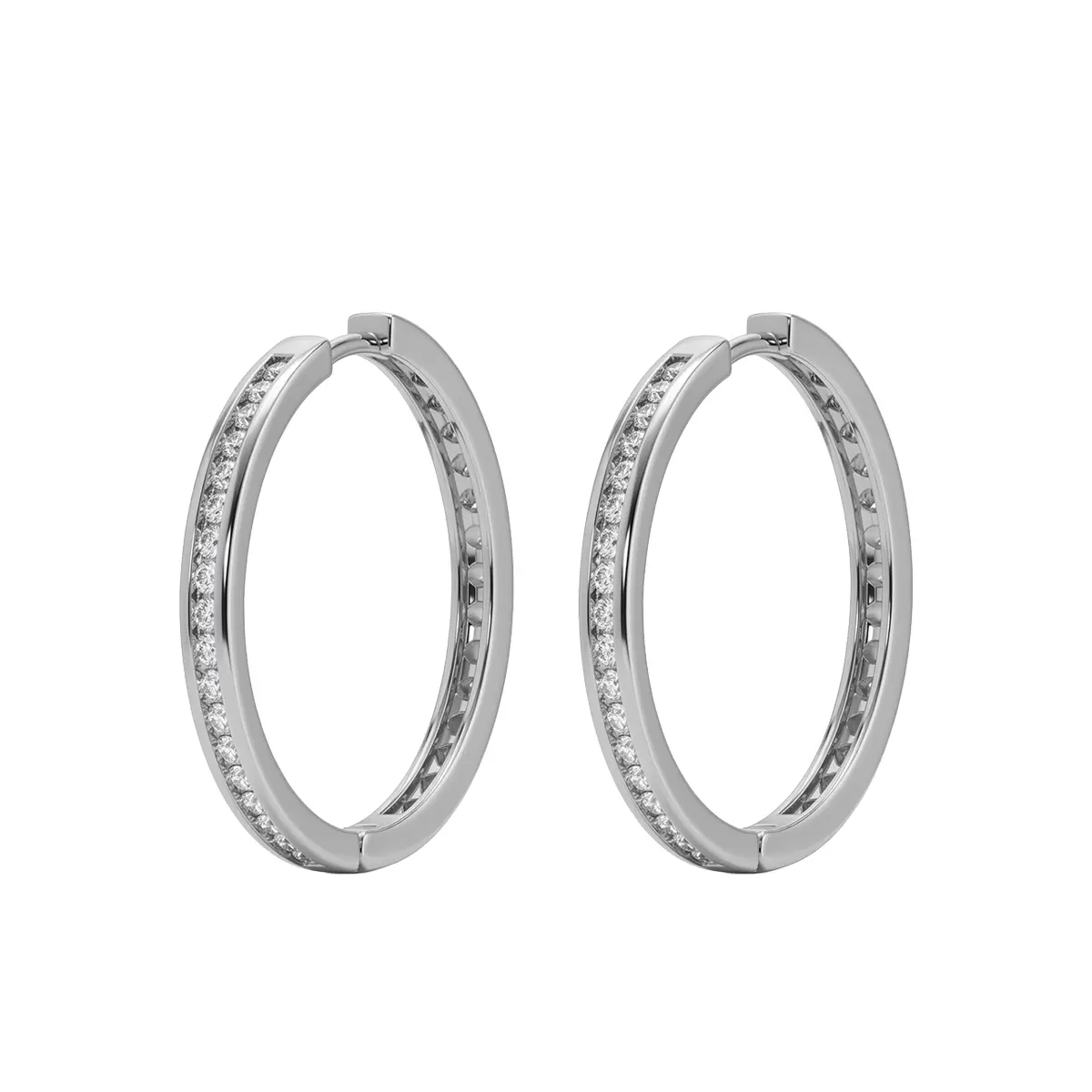
MOQ Comparison
Minimum order quantity is another important consideration.
Brass Jewelry
Because brass casting is highly adaptable, many manufacturers can offer:
- Low MOQ
- Sample development
- Mixed-style production
- Flexible customization
This makes brass an excellent choice for startups and boutique brands.
Stainless Steel Jewelry
Custom stainless steel production often involves specialized tooling and machining.
As a result:
- MOQs may be higher
- Custom development may take longer
- Engineering costs may increase
However, for existing catalog products, many manufacturers can still accommodate relatively small wholesale orders.
Which Material Is Better for Different Business Models?
There is no single “best” jewelry material.
The right choice depends on your target customers, product positioning, retail pricing, and long-term business strategy.
Below are some practical recommendations based on different business models.
For Startup Jewelry Brands
Recommended Material: Brass
If you’re launching your first jewelry collection, brass is usually the better option.
Why?
- Lower development costs
- Flexible MOQ
- Easier customization
- Better gold plating performance
- Greater design freedom
These advantages allow startups to test the market without committing to excessive inventory.
For Fashion Jewelry Brands
Recommended Material: Brass
Fashion jewelry changes rapidly with seasonal trends.
Collections often feature:
- Organic shapes
- Layered structures
- Textured surfaces
- Decorative stone settings
These designs are much easier to manufacture in brass.
Because brass supports highly detailed casting, it remains the preferred material for most OEM fashion jewelry manufacturers.
For Men’s Jewelry Collections
Recommended Material: Stainless Steel
Men’s jewelry usually emphasizes:
- Durability
- Simplicity
- Industrial aesthetics
- Everyday wear
Products such as:
- Cuban chains
- Dog tag pendants
- Signet rings
- ID bracelets
are commonly produced using stainless steel due to its exceptional strength and scratch resistance.
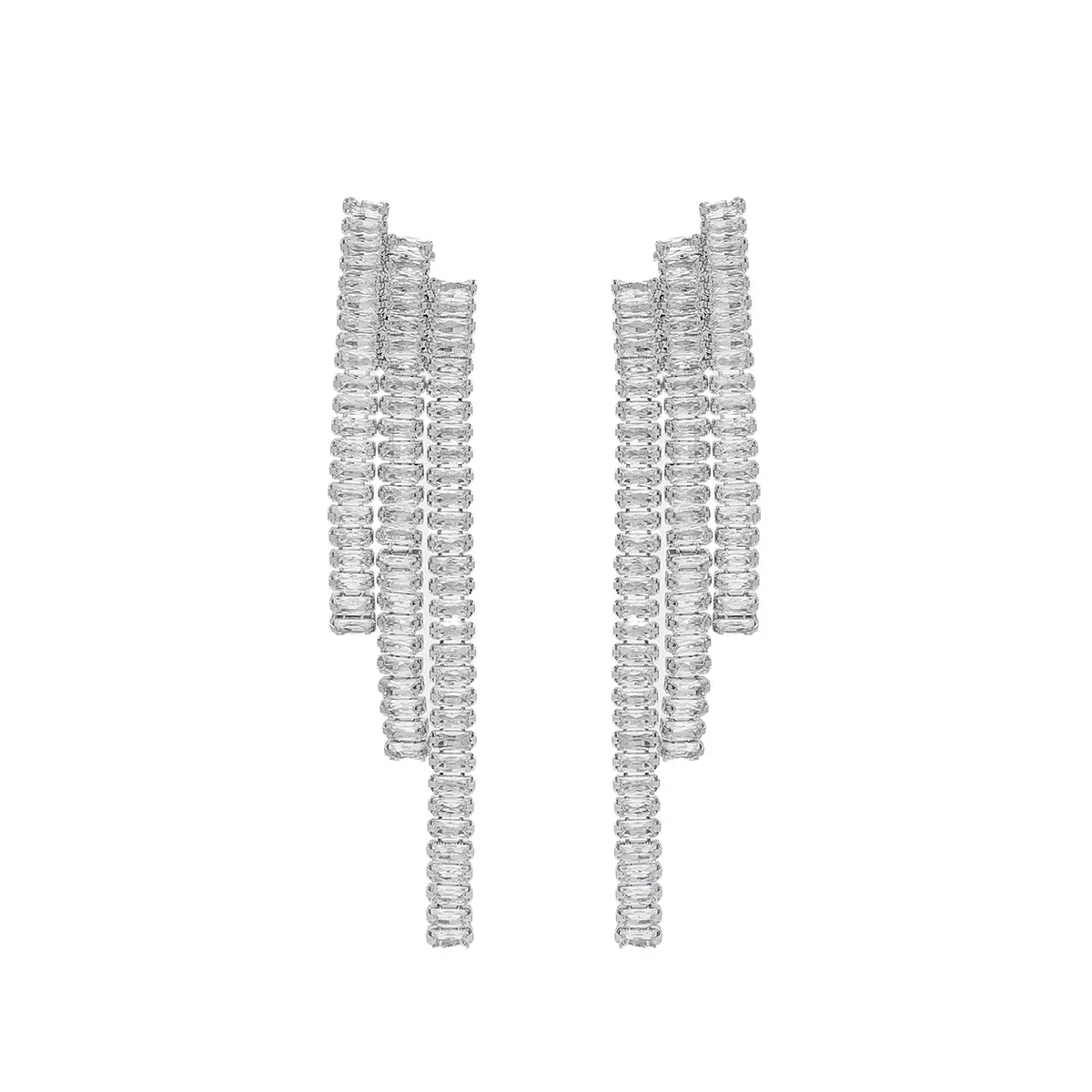
For Luxury Gold-Plated Collections
Recommended Material: Brass
Premium fashion jewelry brands frequently choose brass because it provides:
- Smooth surfaces
- Excellent plating adhesion
- Fine detailing
- High-end appearance
When combined with thick gold plating and protective coatings, brass jewelry can closely resemble fine jewelry while remaining cost-effective.
For Private Label Jewelry Brands
If your goal is to build a recognizable brand rather than simply resell generic products, brass generally offers more flexibility.
It allows for:
- Custom logos
- Exclusive designs
- Unique textures
- Personalized packaging
- Proprietary collections
These features help brands differentiate themselves in a competitive market.
Common Mistakes Buyers Make When Choosing Jewelry Materials
Selecting the wrong material can increase costs, delay production, and reduce customer satisfaction.
Here are some of the most common mistakes buyers should avoid.
Choosing Based Only on Material Price
Many buyers compare only the raw material cost.
However, the total manufacturing cost also includes:
- Tooling
- Labor
- Surface finishing
- Stone setting
- Plating
- Quality inspection
- Packaging
A material with a lower raw material price may ultimately cost more to manufacture.
Always evaluate the complete production cost.
Ignoring the Target Customer
Different customers expect different product characteristics.
For example:
Fashion-conscious consumers often prioritize:
- Appearance
- Trend-driven designs
- Lightweight comfort
Meanwhile, customers purchasing men’s jewelry may value:
- Durability
- Scratch resistance
- Minimal maintenance
Understanding your audience should guide your material selection.
Overlooking Production Capabilities
Not every manufacturer specializes in both brass and stainless steel.
Before selecting a supplier, ask:
- Which material do you manufacture most frequently?
- Can you show previous projects?
- What plating methods do you use?
- Do you support OEM customization?
Choosing a manufacturer with expertise in your preferred material generally leads to better product quality.
Assuming One Material Fits Every Collection
Many successful jewelry brands use multiple materials.
For example:
A brand may produce:
- Gold-plated fashion earrings in brass
- Men’s bracelets in stainless steel
- Premium collections in sterling silver
Using different materials strategically allows brands to optimize both design and profitability.
Frequently Asked Questions
Which material is better for gold-plated jewelry?
Brass is generally preferred because it provides excellent plating adhesion and supports intricate designs.
With proper plating thickness and protective coatings, brass can achieve a premium finish suitable for fashion jewelry.
Does brass jewelry tarnish?
Brass can oxidize naturally over time if left unprotected.
However, professional manufacturers apply electroplating and anti-tarnish coatings to significantly improve durability and maintain appearance.
Proper storage and routine care will also help extend the life of brass jewelry.
Is stainless steel jewelry completely tarnish-proof?
High-quality stainless steel is highly resistant to corrosion and tarnishing.
While no material is entirely maintenance-free under all conditions, stainless steel generally performs exceptionally well for everyday wear.
Which material is better for custom jewelry?
Brass is typically the better choice for OEM and private label projects because it supports:
- Complex shapes
- Detailed casting
- Fine engraving
- Decorative stone settings
These characteristics make it ideal for customized fashion jewelry.
Is stainless steel more expensive than brass?
Not necessarily.
Material prices fluctuate, and the overall manufacturing cost depends on:
- Design complexity
- Production method
- Finishing
- Order quantity
- Surface treatment
Rather than comparing material prices alone, evaluate the total production cost.
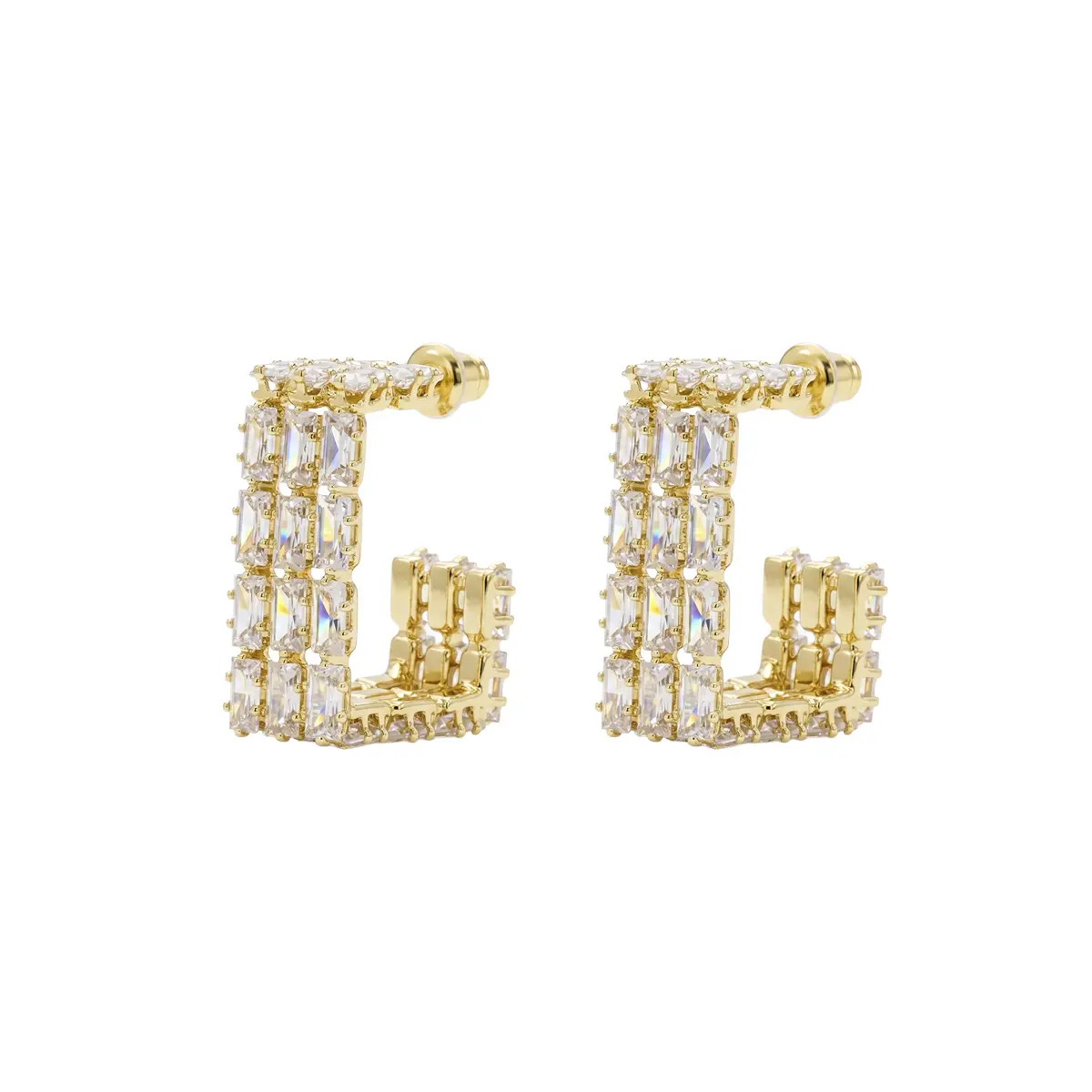
Which material offers a lower MOQ?
Many brass jewelry manufacturers offer more flexible MOQs for custom projects.
Stainless steel customization often requires additional machining and specialized production, which can increase minimum order quantities.
Which material is better for sensitive skin?
High-quality 316L stainless steel is widely recognized for its skin-friendly properties.
For brass jewelry, using high-quality plating and protective coatings helps minimize direct contact between the skin and the base metal.
If your target market prioritizes hypoallergenic jewelry, discuss material options and finishing methods with your manufacturer before production.
Can one jewelry collection combine both materials?
Absolutely.
Many successful brands combine brass and stainless steel within the same collection.
For example:
- Fashion necklaces in brass
- Men’s rings in stainless steel
- Layered bracelets using both materials
Selecting materials according to each product’s function and design often produces the best commercial results.
Final Thoughts
Both brass and stainless steel have important roles in today’s jewelry industry.
Rather than asking which material is universally better, buyers should ask:
Which material is better for my brand, my customers, and my product strategy?
For fashion jewelry brands seeking creative freedom, intricate designs, premium gold plating, and flexible OEM production, brass remains the industry standard.
For minimalist collections, men’s jewelry, and products designed for maximum durability and everyday wear, stainless steel is an outstanding choice.
The most successful jewelry brands understand the strengths of each material and select the one that best aligns with their product goals—not simply the lowest material cost.
Working with an experienced manufacturer early in the product development process can help you evaluate design feasibility, optimize production costs, and choose the most suitable material before investing in mass production.
Looking for a Reliable Custom Jewelry Manufacturer?
At Joychicco, we help jewelry brands around the world develop high-quality custom collections tailored to their market positioning.
Our Manufacturing Capabilities Include:
✔ OEM & ODM jewelry manufacturing
✔ Brass and stainless steel jewelry production
✔ Premium gold plating and anti-tarnish finishing
✔ CAD design and product development
✔ Prototype and sample making
✔ Low MOQ for startups and growing brands
✔ Strict quality control throughout production
✔ Private label and custom logo services
✔ Global shipping and export support
Whether you’re developing a fashion jewelry collection, expanding your wholesale business, or launching a new private label brand, our experienced team can recommend the most suitable materials based on your design, target market, and budget.
Contact Joychicco today to discuss your project and receive expert guidance on material selection and custom jewelry manufacturing.