What To Look For In A Custom Charm Bracelet Manufacturer?
-
Minimalist bangle wholesale supplier selection covering materials, quality control, MOQ, customization, pricing, and reliable production.
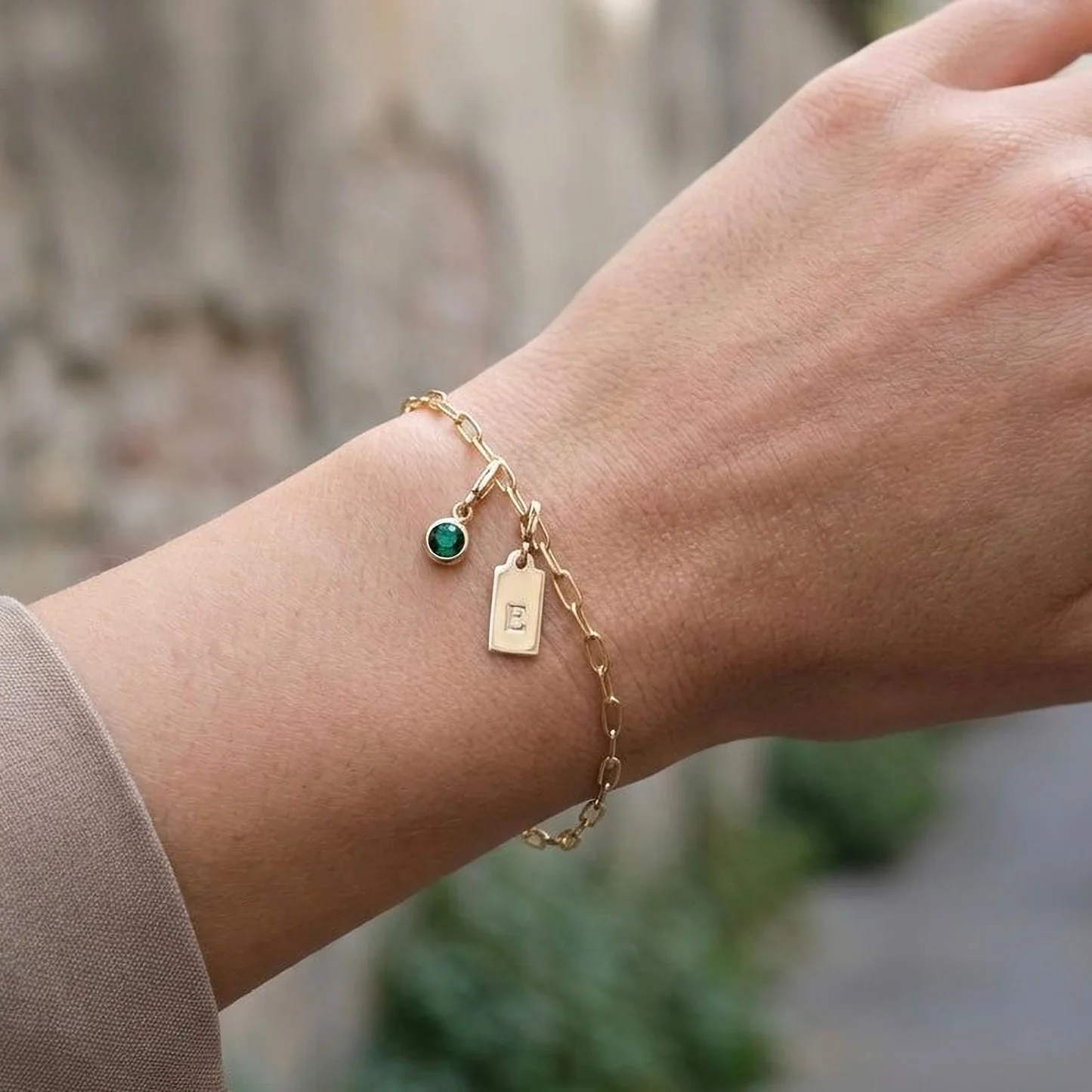
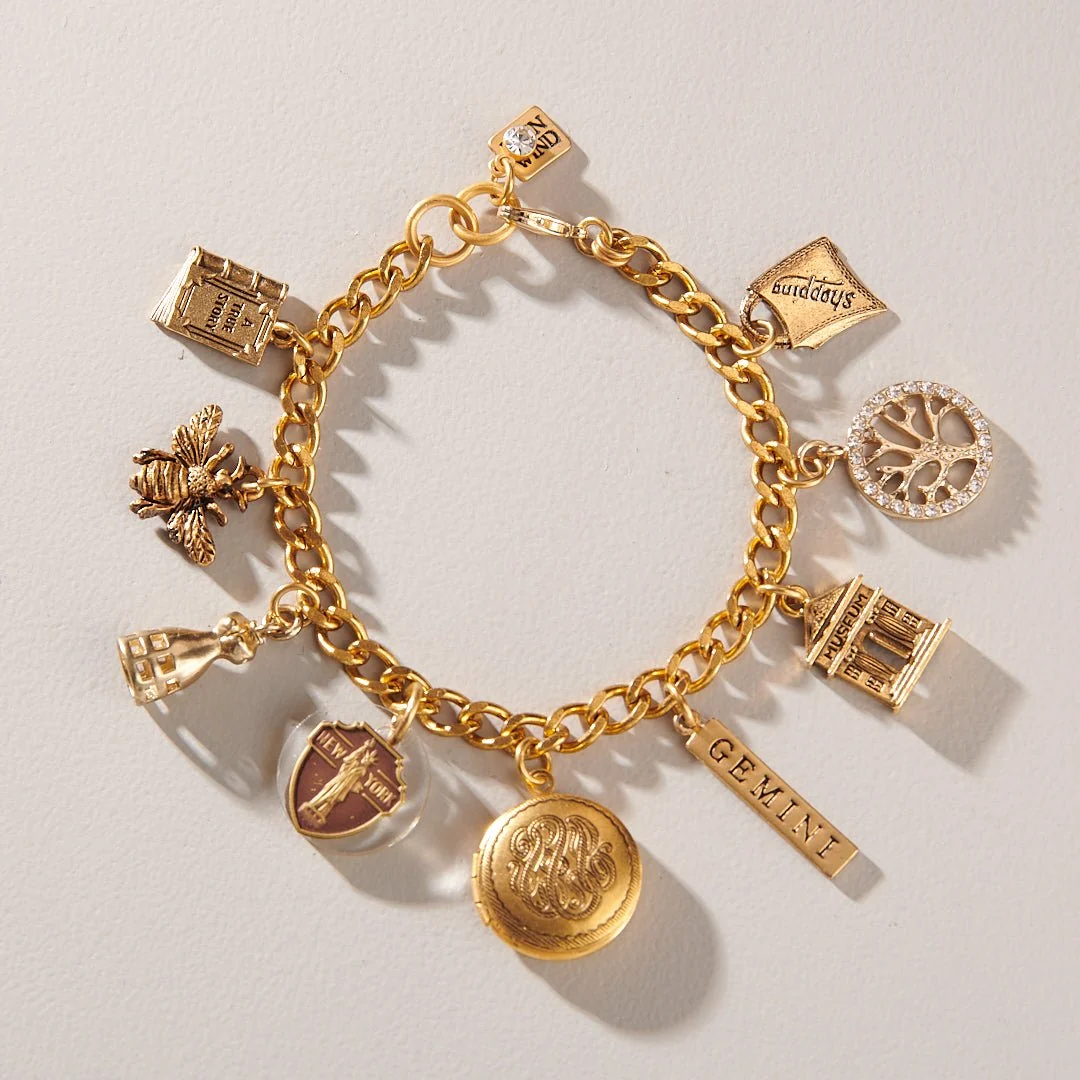
Choosing a custom charm bracelet manufacturer requires more than comparing quoted prices. Buyers should evaluate materials, engineering, production controls, sampling, and delivery performance. A capable supplier should convert creative concepts into repeatable specifications. Material choices affect durability, weight, appearance, and customer perception. Manufacturing methods influence dimensional accuracy and surface quality. Sampling creates an important checkpoint before larger production begins. Quality controls then protect consistency throughout the order. Buyers should also review communication practices, documentation, packaging, and after-sales support. A strong supplier can identify technical risks before they become expensive production problems. This broader evaluation method gives purchasing teams a clearer basis for supplier selection. It also reduces the chance of receiving attractive samples that cannot be reproduced consistently at commercial volumes. Price remains relevant, but it should follow a careful review of total quality, service, and production capability.
Material Selection And Charm Construction
Material selection directly affects bracelet performance, appearance, and production cost. Stainless steel provides strong corrosion resistance and good structural stability for everyday jewelry. Brass offers excellent forming characteristics and supports many decorative finishes. Sterling silver creates a premium appearance but requires more care against tarnishing. Surface treatment also deserves close evaluation. Common options include electroplating, PVD coating, polishing, brushing, and oxidation. Each process produces different visual and functional results. Charm construction matters because thin components can deform during handling. Buyers should check charm thickness, edge finishing, connection points, and jump ring strength. A reliable supplier should specify the base metal and finishing process clearly. Plating thickness and color should also receive written confirmation before sampling. These technical details create a consistent production reference and reduce disputes over finished appearance.
| Material | Main Advantage | Key Consideration | Suitable Positioning |
| Stainless Steel | Corrosion resistance | Surface finish | Daily-wear jewelry |
| Brass | Easy forming | Tarnish protection | Fashion collections |
| 925 Sterling Silver | Premium appearance | Tarnishing and cost | Higher-value designs |
| Zinc Alloy | Complex shape capability | Surface durability | Decorative charms |
Design Customization Capabilities
Design customization should cover both decorative details and functional components. A professional supplier should work from sketches, drawings, digital files, or physical references. Logo engraving may use laser marking, stamping, or other suitable processes. Different techniques create different depths, edges, and levels of detail. Charm dimensions also require careful control because small changes can affect bracelet balance. Buyers should define bracelet length, clasp type, charm quantity, spacing, and connection hardware. Surface finishes should receive written approval before production starts. Packaging requirements can also form part of the final specification. Custom cards, boxes, bags, and labels may require separate artwork approvals. A strong development process normally includes design review, prototype production, feedback, revision, and final confirmation. This sequence limits avoidable changes during mass production. It also gives both parties a clear technical reference for later repeat orders.
Production Capacity And Manufacturing Equipment
Production capability determines whether a supplier can maintain quality across different order volumes. Bracelet manufacturing may involve stamping, casting, CNC machining, polishing, plating, laser engraving, and assembly. Each process requires suitable equipment and trained operators. Stamping works efficiently for selected flat or formed metal charms. Casting supports more complex three-dimensional designs. CNC machining can provide tighter dimensional control for specific components. Polishing removes surface imperfections before decorative finishing begins. Plating equipment applies controlled surface layers according to the selected finish. Assembly then combines clasps, chains, rings, and charms into complete products. Buyers should ask how these stages connect within the production workflow. They should also review monthly capacity and equipment availability. A custom charm bracelet manufacturer should have sufficient resources for current orders and potential growth. Capacity claims matter most when they are supported by consistent production records and quality results.
Quality Control For Custom Bracelet Orders
Quality control should begin before production and continue until finished products leave the facility. Incoming materials should match approved specifications for metal type, dimensions, and surface condition. During production, operators should inspect component dimensions and visible defects at defined checkpoints. Finished bracelets require additional inspection because assembly can create new problems. Inspectors should check clasp operation, charm attachment, plating consistency, scratches, burrs, and deformation. Functional testing can identify weak connection points before shipment. Color consistency also matters when plated components come from different production batches. Inspection standards should be established before mass production rather than after defects appear. Buyers can request documented inspection criteria when appropriate.
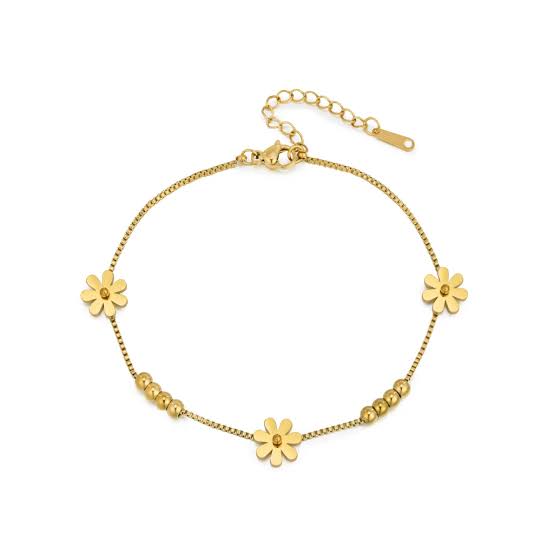
A capable custom charm bracelet manufacturer should maintain consistent checkpoints across incoming materials, production, finishing, assembly, and final packing. This structured approach helps reduce batch variation and protects the expected retail appearance.
| Quality Stage | Inspection Focus | Typical Risk | Timing |
| Material Inspection | Metal type and dimensions | Incorrect material | Before production |
| Surface Inspection | Scratches and polishing | Visible defects | During production |
| Plating Inspection | Color and coverage | Uneven finish | During finishing |
| Assembly Inspection | Clasps and connections | Loose components | During assembly |
| Final Inspection | Overall appearance | Mixed defects | Before packing |
How Does Quality Control Affect Custom Bracelet Consistency?
Consistent inspection directly affects the commercial reliability of customized jewelry. Small differences become noticeable when hundreds of bracelets appear together in one retail display. Plating color should remain visually consistent within the same production batch. Charm dimensions should also stay within agreed tolerances. Loose jump rings can cause charms to detach during normal use. Poor polishing may leave scratches or uneven reflective areas. Excessive plating variation can change the perceived tone of gold or silver finishes. Buyers should establish physical reference samples for appearance and construction. Production teams can then compare finished components against an approved benchmark. This method reduces subjective decisions during manufacturing. Consistency becomes even more important when buyers reorder identical designs several times. A supplier should retain clear production specifications for repeat orders. Accurate records help preserve dimensions, materials, finishing details, and assembly methods across future batches.
Sampling And Prototype Development
Sampling provides a practical test before a larger production commitment. The first prototype should confirm dimensions, proportions, materials, finishes, and assembly details. Buyers should inspect how charms sit on the bracelet during normal movement. Heavy charms can change bracelet balance and wearing comfort. Sharp edges may create discomfort even when the overall design looks attractive. Engraving depth should remain suitable for the selected material and surface. Prototype evaluation should include visual and functional checks. Buyers may request modifications after reviewing the initial sample. Suppliers should record approved changes to prevent confusion during later production. A final sample can become the physical quality reference for mass manufacturing. A premium collection may include the 18K Gold Plated Stainless Steel Freshwater Pearl Bracelet Set as a visual reference. Its metal finishing and freshwater pearls require careful component matching. Pearl size, surface quality, drilling, and attachment methods can affect the finished appearance. These details show why visual approval should accompany technical specifications.
Minimum Order Quantity And Production Flexibility
Minimum order quantity can strongly affect inventory planning and product testing. High minimums may increase financial pressure when a new design has uncertain demand. Lower quantities provide greater flexibility for testing several design variations. However, smaller production runs can carry higher unit costs. Tooling, setup, plating, packaging, and labor may create fixed expenses. Buyers should therefore compare total project costs instead of focusing only on unit price. A custom charm bracelet manufacturer should explain how order volume affects pricing. Different charm shapes may require separate molds or tooling expenses. Reusing suitable components can sometimes reduce development costs. Buyers should ask whether the supplier supports smaller trial orders before larger commitments. Flexible production can help brands test new designs while limiting excess inventory. Clear pricing structures also make future purchasing decisions easier and support more controlled product planning.
Lead Times And Order Management
Lead time depends on design complexity, material availability, tooling, sampling, production volume, and finishing requirements. A simple bracelet can move faster than a design requiring multiple custom molds. Plating and packaging may also add separate production stages. Buyers should request a realistic schedule covering each major milestone. The process can include artwork approval, tooling, sampling, revisions, material preparation, production, inspection, and packing. Every milestone should have a responsible contact and expected completion date. Production delays become easier to manage when suppliers communicate problems early. A custom charm bracelet manufacturer should provide timely updates when major schedule changes occur. Buyers should also confirm how urgent modifications affect delivery dates. Clear order management reduces uncertainty and supports inventory planning. Strong communication becomes particularly important during seasonal launches, promotional campaigns, and repeat orders with fixed retail deadlines.
Certifications And Compliance Documentation
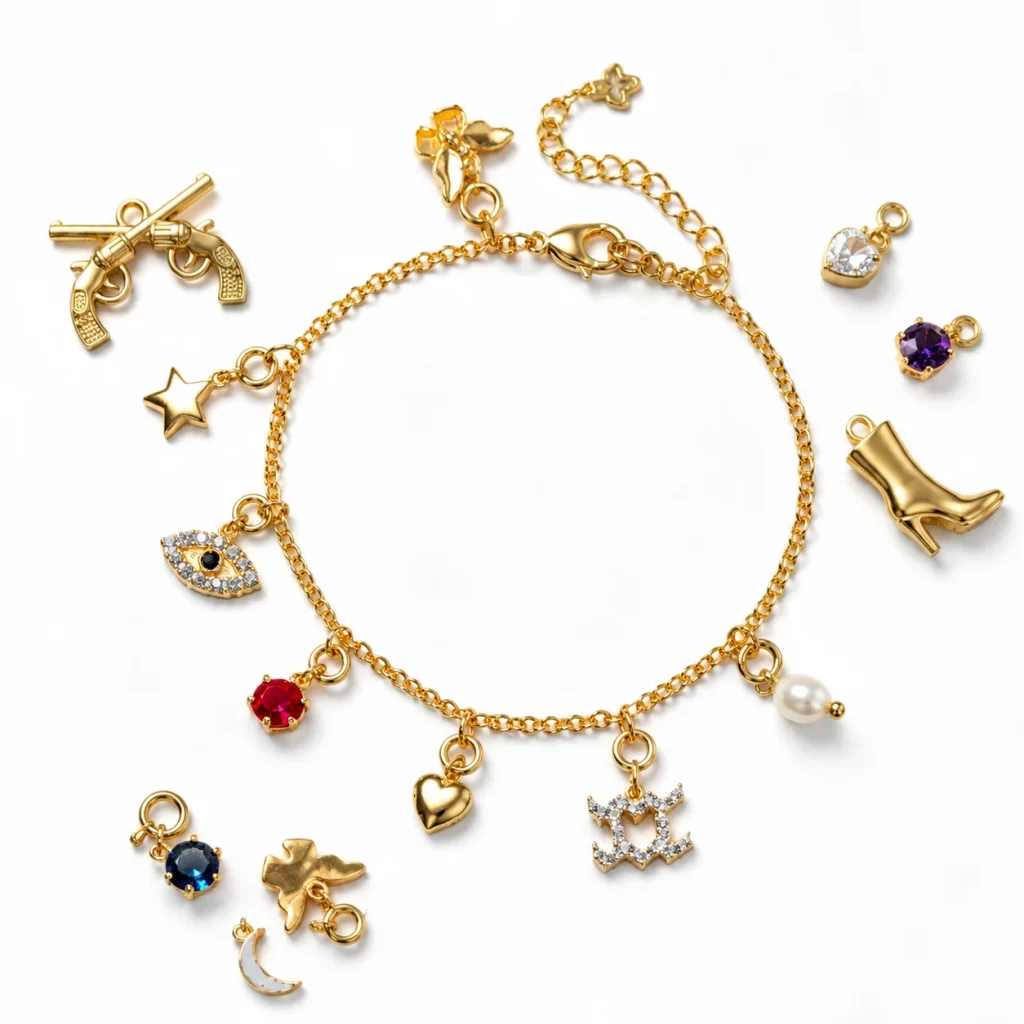
Compliance requirements depend on the destination market and product specifications. Buyers should identify applicable material and chemical restrictions before production begins. Documentation may include material declarations, laboratory reports, or supplier compliance statements. Testing requirements can vary according to regional regulations and product composition. Plating materials deserve particular attention because surface treatments may contain restricted substances. Nickel release can also matter for products intended for prolonged skin contact. Buyers should request current documentation rather than relying on outdated certificates. Product specifications should match tested samples whenever possible. Changes in base metals, plating systems, or production sources may require additional verification. A custom charm bracelet manufacturer with organized documentation can simplify compliance management. Reliable records also support communication with retailers and downstream customers. Proper documentation provides stronger evidence of product specifications and helps reduce avoidable regulatory concerns.
Communication And Technical Support
Communication quality often determines how efficiently a custom project moves from concept to production. Technical teams should clarify ambiguous dimensions instead of making assumptions. They should identify conflicts between decorative details and manufacturing limitations. Buyers benefit when suppliers explain how design changes affect tooling, cost, durability, or lead time. Clear drawings and written specifications can reduce misunderstandings between purchasing and production teams. Communication should also continue after sample approval. Unexpected issues may appear during tooling, plating, assembly, or inspection. A responsive supplier should provide practical solutions rather than simply reporting problems. For example, a design team may adjust charm thickness or connection geometry when a component lacks sufficient strength. Technical support adds value because it connects creative requirements with manufacturing reality. A reliable custom charm bracelet manufacturer should combine responsive communication with practical production knowledge throughout the order lifecycle. The Stainless Steel Heart Chain Bracelet with Pendant also requires careful coordination between chain dimensions, pendant weight, clasp strength, and connection rings.
How To Compare A Custom Charm Bracelet Manufacturer?
Supplier comparison should use a balanced evaluation rather than a single price figure. Buyers should review material quality, customization capability, production equipment, sampling procedures, quality controls, minimum quantities, lead times, documentation, and communication. The following points provide a practical purchasing checklist:
- Confirm the base metal and surface treatment.
- Request a physical prototype before larger production.
- Check charm dimensions and connection strength.
- Review quality inspection procedures.
- Confirm minimum order quantities and tooling costs.
- Request a detailed production timeline.
- Verify relevant compliance documentation.
- Evaluate packaging and branding support.
- Assess communication speed and technical support.
A capable custom charm bracelet manufacturer should perform consistently across these areas. Strong performance in only one category does not guarantee dependable commercial results. Buyers should compare evidence from samples, specifications, production records, and communication. This approach creates a more complete supplier evaluation. It also helps identify potential risks before an order becomes difficult to change. The best choice is usually the supplier offering a practical balance between quality, flexibility, cost, and delivery reliability.
FAQ
What Materials Are Commonly Used For Custom Charm Bracelets?
Stainless steel, brass, sterling silver, and zinc alloy are common choices for customized charm bracelets. Stainless steel offers strong corrosion resistance and good structural stability. Brass provides flexible forming characteristics and supports many decorative finishes. Sterling silver gives products a premium appearance but requires greater attention to tarnishing. Zinc alloy can support detailed decorative shapes because it works well with casting processes. Buyers should also evaluate surface treatments because plating and polishing influence appearance and durability. Material selection should match the intended price level, wearing conditions, design complexity, and target market. Suppliers should clearly confirm the base material before sampling. A written material specification can prevent substitutions and provide a reliable reference for repeat production.
How Long Does Custom Charm Bracelet Production Usually Take?
Production time varies according to design complexity, tooling, material availability, order quantity, finishing requirements, and packaging. Simple designs may require fewer development stages, while intricate charms can require custom molds and several sample revisions. Buyers should separate sampling time from mass production time when reviewing quotations. The development stage may include drawings, tooling, prototype production, feedback, and final approval. Production then adds material preparation, forming, polishing, plating, assembly, inspection, and packing. Buyers should request a milestone-based schedule instead of relying on one estimated completion date.
Early communication is also important when delays affect materials or tooling. A clear timeline helps purchasing teams coordinate inventory, marketing activities, seasonal launches, and downstream delivery commitments.
What Should Buyers Check Before Placing A Custom Bracelet Order?
Buyers should verify materials, dimensions, finishing methods, samples, quality standards, minimum quantities, tooling costs, lead times, packaging, and compliance documents. The approved sample should match the technical specifications used for production. Attention should also focus on clasp strength, charm connections, surface quality, plating consistency, and edge finishing. Pricing should include relevant development and tooling costs rather than only the final unit price. Buyers should confirm how production changes are communicated and documented. Repeat orders also require clear records for materials, dimensions, finishes, and packaging. A dependable supplier should answer technical questions clearly and provide practical production information. Reviewing these factors before placing an order reduces quality risks, limits unexpected costs, and creates stronger conditions for consistent long-term purchasing.