What Makes A Good Gold Plated Stud Earrings Manufacturer?
-
Gold plated stud earrings manufacturer selection depends on plating quality, materials, customization, quality control, and delivery.
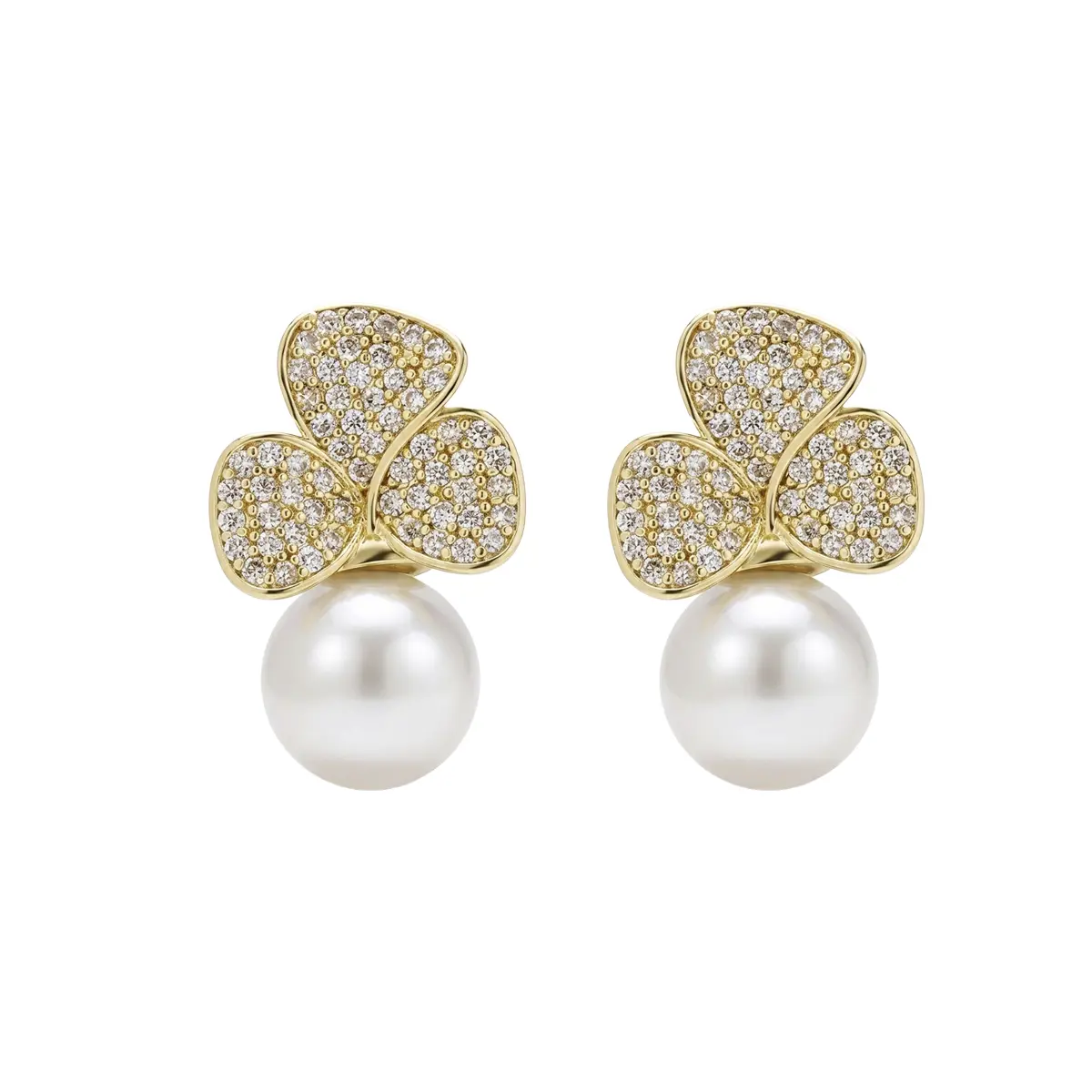
Choosing a gold plated stud earrings manufacturer requires more than checking product photos or quoted prices. Buyers need to evaluate materials, plating processes, production controls, customization options, and delivery performance. A reliable supplier should maintain consistent quality across repeated production batches. Manufacturing precision also matters because stud earrings contain small structural components with limited tolerance for defects. Ear posts, backs, settings, and decorative elements must work together smoothly. Surface finishing deserves equal attention because uneven plating can quickly affect perceived value. Experienced manufacturers usually document specifications before production starts. They also maintain inspection procedures throughout the manufacturing process. Strong communication helps buyers confirm technical details before sampling. These factors create a practical foundation for evaluating manufacturing reliability and reducing avoidable purchasing risks.
How Does Material Selection Affect Earring Quality?
Base metal selection directly influences durability, appearance, weight, and plating performance. Stainless steel offers strong corrosion resistance and good structural stability. Brass provides convenient forming characteristics and often supports detailed decorative designs. Copper also works well for certain lightweight jewelry structures, although its surface requires careful preparation before plating. The selected substrate must have a clean and stable surface. Oils, oxidation, polishing residue, and microscopic contaminants can weaken coating adhesion. Manufacturers should therefore control cleaning and pretreatment before electroplating. Buyers should also check the material used for posts and backs. These components experience repeated movement and skin contact during everyday use. A suitable material combination helps maintain structural integrity while supporting a consistent gold-colored surface. Material specifications should appear clearly in product documentation and sampling records.
What Gold Plating Processes Support Better Durability?
Gold plating quality depends on more than the visible color of the finished surface. A controlled process normally includes cleaning, surface activation, undercoating, gold deposition, rinsing, and final finishing. Each stage affects adhesion and appearance. The base surface needs proper preparation before the first coating reaches the metal. An appropriate underlayer can improve adhesion and reduce surface defects. Gold deposition then requires stable control of current, solution conditions, temperature, and processing time. Thickness consistency matters because thin areas can experience faster wear. Edges, corners, and raised decorative sections often require additional process attention. Quality teams should inspect color uniformity and surface coverage after plating. Buyers can request plating specifications and sample comparisons before confirming larger orders. Consistent process control helps maintain similar appearance across repeated production batches.
What Manufacturing Precision Matters for a Gold Plated Stud Earrings Manufacturer?
Small jewelry components require accurate forming and assembly because minor deviations can affect usability. Ear posts should align correctly with the main decorative body. Misalignment can make earrings uncomfortable or cause them to sit unevenly. Earring backs also need a suitable fit without excessive looseness or resistance. Decorative stones require stable settings that prevent unnecessary movement during wear. Welded or connected sections should show clean joins without visible gaps. Edges need polishing because sharp points can create discomfort or damage clothing. Mold quality also influences repeated production accuracy. A well-maintained mold can preserve shape consistency across large quantities. Production teams should inspect critical dimensions during manufacturing instead of waiting until final inspection. Such controls reduce variation and help buyers receive products that maintain a consistent appearance throughout an order.
How Should Quality Control Cover Different Production Stages?
Effective inspection starts before manufacturing begins. Incoming materials should match approved specifications for composition, dimensions, and surface condition. During forming, workers can check shape accuracy and structural dimensions. Assembly inspection should focus on posts, backs, stone settings, welded connections, and decorative components. Plating inspection should examine color, coverage, adhesion, and visible surface defects. Final inspection should also assess cleanliness and packaging condition. A practical quality system can divide inspection responsibilities across several stages:
- Verify incoming metal and component specifications.
- Check dimensions after forming and machining.
- Inspect connections and decorative settings during assembly.
- Examine plating coverage and surface consistency.
- Test finished products against approved samples.
- Record defects and corrective actions before shipment.
This staged approach gives quality teams more opportunities to identify defects before products reach final packing. It also creates clearer records for repeated orders and future production adjustments.
How Does Quality Control Influence Manufacturing Consistency?
Quality control becomes especially important when buyers reorder the same design. A supplier may produce an attractive first batch but struggle to maintain identical results later. Consistency requires documented specifications, approved reference samples, inspection records, and controlled production procedures. Buyers should compare repeat batches against the original approved sample. Color differences may indicate changes in plating conditions or material preparation. Shape differences can reveal mold wear or forming inconsistencies. Loose components may indicate assembly problems that require process adjustment. Inspection records can help production teams identify recurring defects rather than treating each issue separately. A capable gold plated stud earrings manufacturer should maintain clear quality checkpoints throughout production. Buyers can also request defect standards before mass production. Clear acceptance criteria reduce disputes because both sides share the same quality expectations.
Which Customization Capabilities Should Buyers Evaluate?
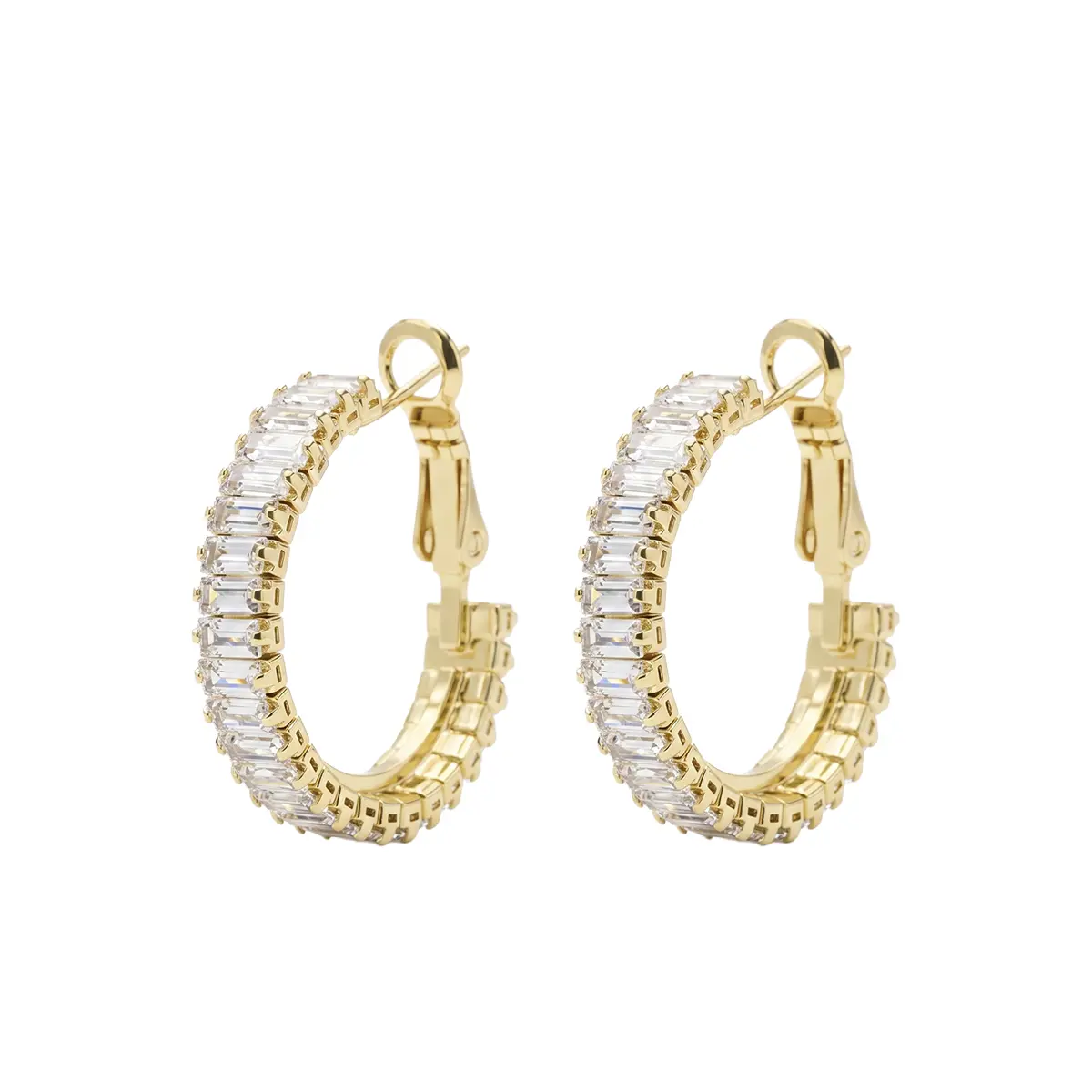
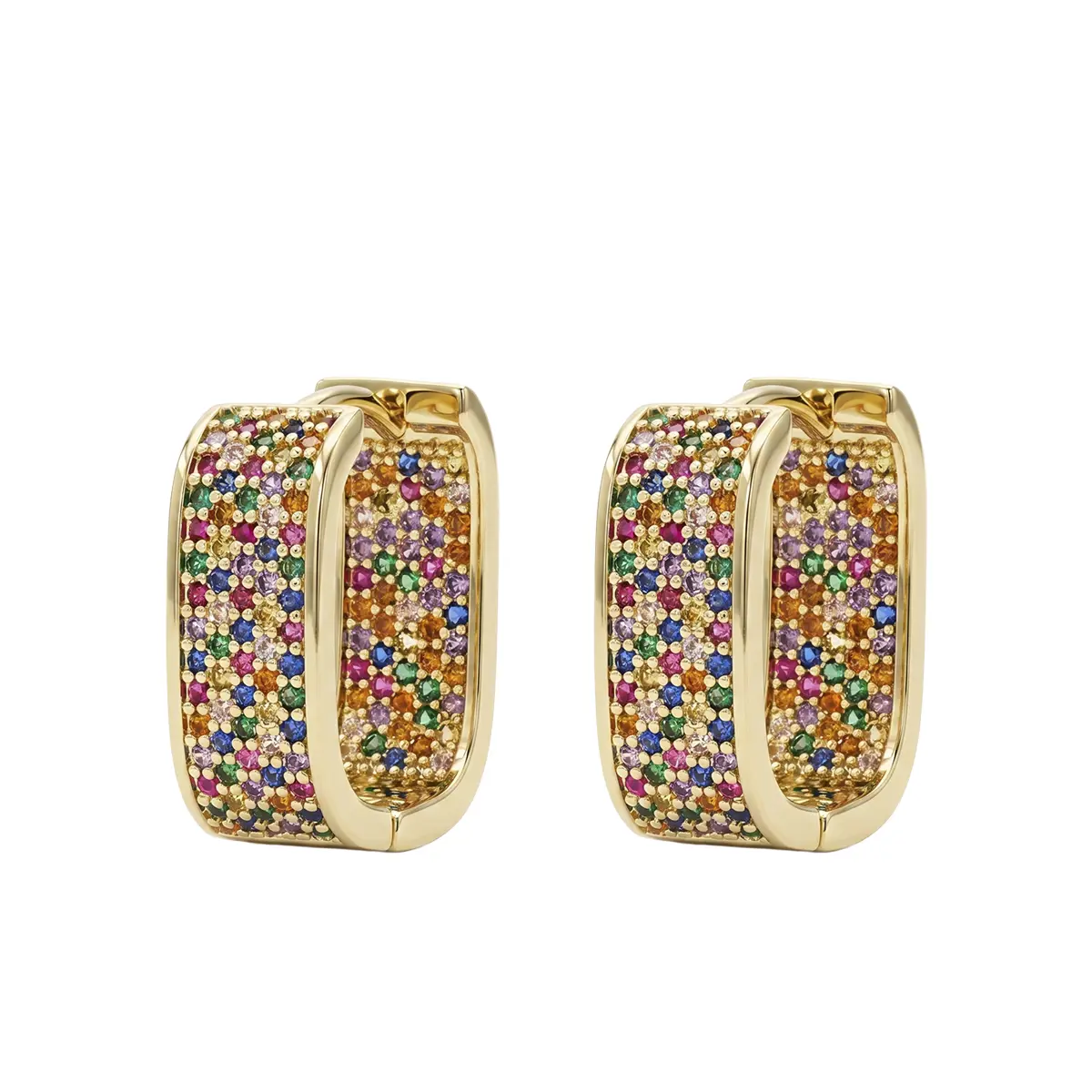
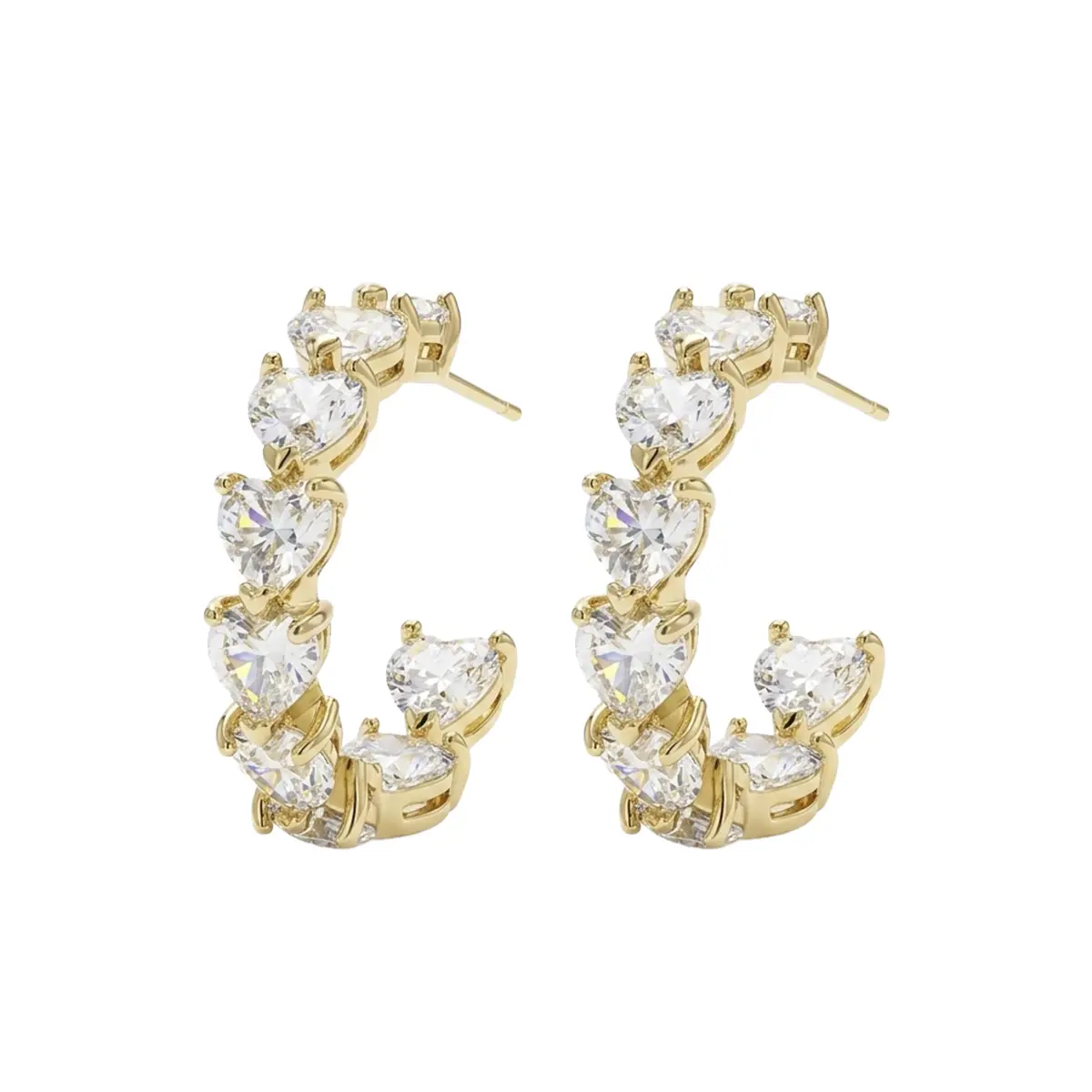
Customization capability extends beyond changing the color or adding a logo. Jewelry buyers may need modifications to dimensions, stone arrangements, shapes, finishes, posts, backs, packaging, and branding details. An experienced gold plated stud earrings manufacturer should evaluate whether a proposed design can move efficiently from concept to production. Sampling provides an important checkpoint before mass manufacturing. Buyers can use samples to review proportions, surface appearance, component fit, and overall comfort. Manufacturers should also communicate design limitations when a requested structure creates production risks. For example, extremely thin sections may deform during forming or polishing. Small decorative stones may require specific setting structures for stability. Packaging can also receive customization, including cards, boxes, labels, and protective inserts. Clear specifications reduce ambiguity and make later production runs easier to reproduce.
How Do Production Capacity and Lead Times Affect Orders?
Production capacity should reflect more than a factory’s stated monthly output. Buyers should evaluate available equipment, skilled labor, material supply, quality controls, and current production commitments. A supplier may have sufficient theoretical capacity but limited availability during seasonal demand. Sampling schedules also affect overall lead time because design changes can create additional production cycles. Material availability can influence production when specific metals, stones, coatings, or packaging components require advance preparation. Buyers should therefore confirm the expected timeline for sampling, approval, production, inspection, and shipment. A reliable gold plated stud earrings manufacturer should communicate these stages clearly. Order planning becomes easier when suppliers provide realistic schedules rather than optimistic estimates. Stable lead times help retailers coordinate launches, promotional campaigns, inventory replenishment, and seasonal collections without unnecessary pressure.
How Can Buyers Evaluate Sample Quality Before Bulk Production?
Samples provide direct evidence of manufacturing capability because they reveal details that product photographs cannot show. Buyers should inspect plating color under consistent lighting and compare multiple pieces when possible. Surface texture should appear smooth without obvious stains, pits, scratches, or uneven coverage. Structural components deserve close attention because posts and backs affect everyday usability. Stone settings should hold decorative elements securely without visible gaps. Edges should feel smooth when buyers inspect them carefully. Weight also matters because major differences from the approved specification may indicate material changes. For customized designs, buyers should compare dimensions against technical drawings or agreed specifications. Products such as 18K Gold Stainless Steel Ribbed Square Zircon Stud Earrings can also demonstrate how surface texture, stone placement, and structural details interact. Careful sample evaluation provides stronger evidence than relying on catalog images alone.
What Should Packaging Standards Include for a Gold Plated Stud Earrings Manufacturer?
Packaging protects jewelry during handling, storage, and transportation. Even a high-quality plated surface can develop scratches when pieces rub against each other. Individual compartments can reduce contact between metal surfaces and decorative components. Soft inserts can provide additional protection around exposed areas. Moisture control also deserves attention because prolonged humidity may affect certain base metals and packaging materials. Manufacturers should select packaging according to shipment conditions and product structure. Retail packaging may require branded cards, boxes, labels, and barcodes. Bulk packaging may prioritize separation, protection, counting accuracy, and efficient carton utilization. Products such as Octagram Stud Earrings with Cubic Zircon require secure packaging because their decorative surfaces and stone settings need protection during transportation. Buyers should confirm packaging specifications before production begins. Clear packaging requirements prevent last-minute changes that can delay shipment. Good packaging supports product quality beyond the factory floor and helps preserve the finished appearance until customers receive the earrings.
How Does Communication Affect Custom Jewelry Production?
Clear communication reduces errors when products contain multiple technical requirements. Buyers should provide drawings, reference photos, dimensions, material specifications, plating requirements, stone details, and packaging instructions whenever available. Manufacturers should confirm unclear points before production rather than making assumptions. Sample approval should also create a fixed reference for later manufacturing. Any change after approval needs written confirmation to prevent conflicting instructions. Production updates become more useful when they identify completed stages and remaining actions. A professional gold plated stud earrings manufacturer should also communicate potential risks early. For example, a requested finish may require additional polishing or a specific undercoating process. Early communication allows buyers to adjust specifications before production costs increase. Strong communication creates a more predictable workflow and supports better cooperation during repeat orders.
How Can Buyers Compare Different Manufacturer Options?
Price should not become the only comparison point when buyers evaluate jewelry suppliers. A lower unit price may reflect differences in base metal, plating thickness, inspection coverage, packaging, or production support. Buyers can create a structured comparison based on measurable criteria. The following table provides a practical framework:
| Evaluation Factor | Key Question | Why It Matters |
|---|---|---|
| Base Material | Is the material clearly specified? | Supports durability and consistent production. |
| Plating | Are finish and process specifications available? | Influences appearance and wear resistance. |
| Quality Control | Are inspections performed during production? | Reduces repeated defects. |
| Customization | Can designs, stones, sizes, and packaging change? | Supports differentiated product collections. |
| Capacity | Can the supplier meet expected quantities? | Reduces delays during larger orders. |
| Lead Time | Are production schedules realistic? | Supports inventory and launch planning. |
These criteria help buyers compare suppliers using production evidence rather than marketing claims. Samples, specifications, inspection records, and communication quality can provide stronger signals than unit price alone. A second supplier may cost slightly more while delivering better consistency and fewer defects. Buyers should therefore evaluate the total purchasing outcome instead of focusing only on the initial quotation.
What Manufacturing Details Should Buyers Confirm Before Ordering?
Before placing an order, buyers should confirm every specification that could affect appearance, durability, or delivery. Written confirmation helps prevent differences between sales discussions and factory production instructions. The following table summarizes important information to verify:
| Item | Details to Confirm |
|---|---|
| Material | Base metal, component material, and applicable specifications |
| Plating | Gold color, coating requirements, surface finish, and process details |
| Dimensions | Overall size, thickness, post length, and component measurements |
| Stones | Stone type, size, color, setting method, and placement |
| Quality | Inspection points, defect limits, and approved reference samples |
| Packaging | Individual protection, retail packaging, labels, and carton requirements |
| Delivery | Sample timeline, production schedule, inspection date, and shipment plan |
Confirming these details before production creates a clearer technical baseline. Buyers can then compare finished goods against documented requirements instead of relying on memory or informal conversations. This approach also makes future repeat orders easier because both parties can reuse approved specifications. Clear records become particularly valuable when several designs share similar components but require different dimensions, finishes, or packaging.
Why Does Long-Term Manufacturing Reliability Matter?
A dependable supplier should perform consistently across new products, repeat orders, and seasonal demand. Long-term reliability depends on stable materials, controlled production, responsive communication, and repeatable inspection procedures. Buyers should review how suppliers handle defects rather than only asking about normal production. Effective corrective action should identify the cause, define the solution, and prevent recurrence. Production records can support this process by showing where defects appeared and how teams responded. Repeat orders also provide useful evidence because consistent products demonstrate stronger process control. Over time, reliable cooperation can reduce sampling effort and simplify specification management. A capable supplier should also adapt when buyers introduce new designs or packaging requirements. Selecting a gold plated stud earrings manufacturer with these qualities can support stable product development and more predictable purchasing results.
FAQ
What materials are commonly used for gold plated stud earrings?
Gold plated stud earrings commonly use stainless steel, brass, copper, or other suitable metal substrates. Stainless steel offers strong corrosion resistance and good structural stability. Brass provides convenient forming characteristics and supports many decorative shapes. Copper can support lightweight designs but needs careful surface preparation before plating. Material choice should consider the earring structure, intended use, plating process, and target price. Buyers should also check the material used for posts and backs because these components experience repeated movement. Clear material specifications help prevent unexpected changes between samples and production batches. For customized orders, buyers should confirm all material requirements before sampling. A consistent substrate provides a more stable foundation for subsequent polishing, coating, assembly, and quality inspection.
How can buyers check gold plating quality before bulk orders?
Buyers can evaluate plating quality by examining samples under consistent lighting and comparing several pieces. The surface should show consistent color, smooth coverage, and clean edges. Visible stains, scratches, pits, discoloration, or uneven areas may indicate process problems. Buyers should also inspect areas around corners, settings, posts, and other difficult surfaces. These locations can reveal whether the plating process provides consistent coverage. If durability matters, buyers can request relevant coating specifications or appropriate testing information from the supplier.
Sample comparison also helps reveal batch variation. Written plating requirements should accompany the approved sample before mass production. This creates a clear reference for quality inspection and reduces disagreements about acceptable appearance after production begins.
What should buyers ask a manufacturer before placing an order?
Buyers should ask about base materials, plating specifications, sample procedures, production capacity, inspection methods, packaging, lead times, and customization options. Material questions should cover the substrate and important components. Plating discussions should address color, finish, and applicable process requirements. Sample procedures should clarify how design changes receive approval before production. Quality discussions should identify inspection stages and defect standards. Buyers should also confirm realistic production schedules and packaging specifications. For customized jewelry, technical drawings and reference samples can reduce production ambiguity. Communication expectations also matter because quick clarification can prevent costly errors. Finally, buyers should request clear confirmation of approved specifications before mass production. Written records provide a stronger foundation for repeat orders and quality consistency.