How Can A Minimalist Stud Earrings Factory Ensure Quality?
-
How can a minimalist stud earrings factory ensure quality through materials, precision production, inspection, finishing, and traceability?
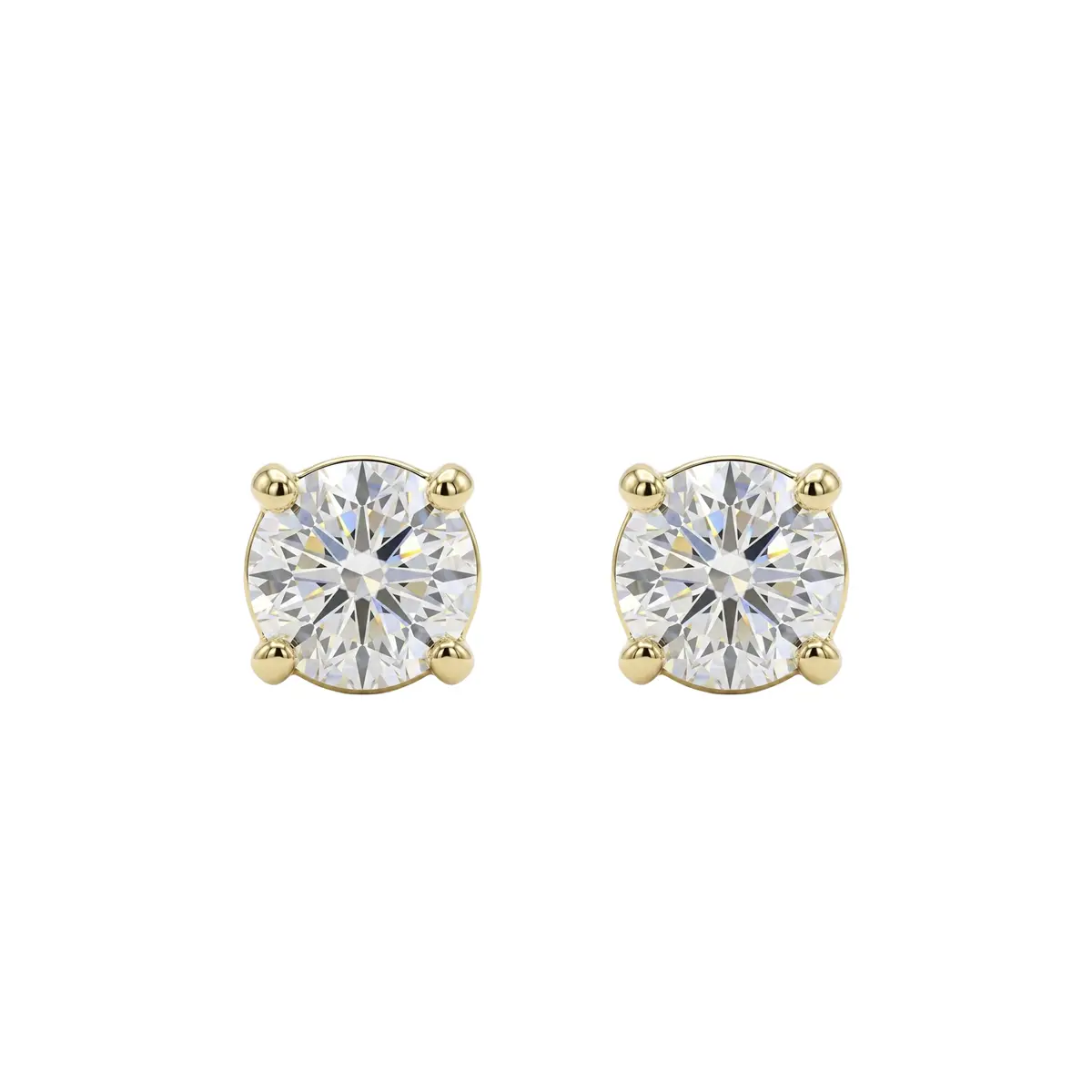
A minimalist stud earrings factory needs precise quality standards before production starts. Simple jewelry exposes small defects because its designs use clean lines. Scratches, uneven edges, and loose posts can quickly affect product appeal. Quality standards should cover dimensions, weight, materials, finishes, and assembly strength. Buyers should approve reference samples before larger production begins. Production teams can compare finished pieces against these approved specifications. Dimensional tolerances should cover the stud body, post, setting, and critical components. Surface standards should define acceptable marks, scratches, and coating variations. Functional standards should address post strength and backing performance. Clear criteria reduce disagreements during inspection and shipment. Each requirement should remain measurable whenever possible. This approach creates consistent decisions across purchasing, production, and quality teams. Strong standards also provide a practical foundation for repeat orders and long-term product consistency.
Material Selection Controls Long-Term Earring Performance
Material selection directly affects durability, appearance, comfort, and corrosion resistance. Stainless steel provides strong mechanical stability and excellent moisture resistance. Sterling silver offers a bright appearance and premium market positioning. Brass supports efficient forming and flexible decorative finishing. Each material requires suitable processing parameters and surface preparation. Suppliers should provide material specifications for every delivered batch. Incoming teams should verify material information before production begins. They should also inspect thickness, surface condition, and visible contamination. Inconsistent hardness can affect stamping and forming accuracy. Surface contamination can weaken later plating adhesion. Material substitutions should require buyer approval before production changes. Consistent material control reduces downstream defects and unnecessary rework. It also helps maintain stable appearance across repeated orders. Good material management creates a reliable foundation for finished jewelry quality.
Precision Manufacturing Protects Minimalist Stud Designs
Precision manufacturing plays a major role in maintaining consistent small jewelry components. Minimalist designs often contain clean edges and simple geometric shapes. These features make dimensional differences easier to notice. Production teams should control cutting, stamping, drilling, forming, and setting operations carefully. Properly maintained molds help preserve consistent dimensions across production batches. Worn tooling can gradually create uneven edges or dimensional drift. First-piece inspection should confirm critical measurements before larger production begins. Operators should monitor process conditions during production. Calipers can verify small dimensions on posts and decorative components. Digital scales can identify unusual weight differences between matching pieces. Production records should document important measurements and process changes. Consistent precision helps preserve symmetry and reduce correction work. It also improves the visual consistency buyers expect from simple jewelry designs. Stable tooling remains essential when production volumes increase.
Surface Finishing Determines Appearance And Durability
Surface finishing strongly influences the final appearance of small jewelry products. Polishing removes minor machining marks and improves surface smoothness. Brushing creates controlled directional lines for selected design requirements. Electroplating adds decorative metal layers over prepared substrates. PVD coating can provide durable decorative finishes under suitable conditions. Coating quality depends heavily on cleaning and surface preparation. Plating thickness should remain consistent across visible and difficult areas. Inspectors should check color uniformity under controlled lighting. They should also inspect scratches, pits, stains, and coating gaps. Edges and corners require additional attention during visual inspection. Weak adhesion can cause premature coating failure during everyday wear. Finishing teams should record process parameters for repeat orders. Stable finishing practices help maintain appearance across different production batches. Consistent surface preparation also reduces color variation between production runs.
Incoming Inspection Prevents Material And Component Problems
Incoming inspection should begin before materials enter the production process. Inspectors should verify material grades, component dimensions, and surface conditions. Random sampling can identify problems without delaying every production activity. Higher-risk materials may require additional checks and tighter sampling. Each inspection should record supplier information and received quantities. Defective materials should remain separated from approved inventory. This prevents accidental use during assembly or finishing. Inspectors should compare components with approved samples when appearance matters. Color differences can indicate material or supplier process changes. Thickness differences can affect forming and assembly accuracy. Damaged components may create additional defects during later operations. Early detection limits production waste and reduces unnecessary rework. Detailed incoming records also strengthen supplier performance evaluations. Effective receiving inspection protects production efficiency and finished product consistency.
Assembly Control Keeps Stud Earrings Secure
Assembly quality affects wearing comfort, product safety, and long-term reliability. The ear post should connect firmly with the decorative component. Excessive movement can indicate weak joining or inaccurate component fitting. Inspectors should check post alignment after assembly. Sharp edges require special attention because they may cause discomfort. Earring backs should provide secure retention without excessive resistance. Threaded structures should engage smoothly when applicable. Adhesive connections require suitable bonding conditions and controlled curing. Mechanical joints should withstand reasonable handling without separation. Matching pairs should maintain consistent alignment and visual balance. Sample pull tests can provide useful evidence of connection strength. Assembly records should identify recurring problems and affected production batches. A minimalist stud earrings factory should treat assembly as a critical quality stage. Reliable assembly control combines appearance, function, and wearing safety.
Inspection Methods Support Consistent Finished Products
A structured inspection system combines visual, dimensional, and functional checks. Visual inspection can identify scratches, discoloration, burrs, and coating gaps. Calipers can verify critical dimensions on posts and decorative components. Digital scales can identify unusual weight differences between matching pieces. Magnification tools can reveal small surface defects that normal viewing misses. Functional checks should confirm secure connections and proper backing engagement. Sampling plans should reflect order size and product complexity. Previous defect rates can also influence inspection intensity. Final inspection should occur before approved products enter retail packaging. Failed samples should remain available for root-cause investigation when necessary. Inspection teams should record defect categories instead of simple pass or fail results. Detailed records help production teams identify recurring weaknesses. A combination of methods provides stronger coverage than one inspection alone. Quality teams should review results before every major shipment.
| Quality Stage | Main Check | Typical Risk | Control Method |
|---|---|---|---|
| Incoming | Material and component condition | Wrong grade or damaged parts | Sampling and specification review |
| First Piece | Dimensions and appearance | Tooling or setup errors | Measurement and sample comparison |
| In-Process | Shape and assembly | Dimensional drift | Periodic inspection |
| Finishing | Color and coating | Uneven plating | Visual and adhesion checks |
| Final | Appearance and function | Mixed defects | Final sampling inspection |
Key Quality Checks For Finished Stud Earrings
A detailed checklist helps inspectors cover critical quality characteristics consistently. Teams should divide checks into material, dimensional, visual, functional, and packaging categories. Each category needs measurable acceptance criteria and suitable inspection methods. Essential checks should include the following items:
- Material grade and batch verification
- Dimensional and weight consistency
- Ear post alignment and connection strength
- Surface smoothness and edge condition
- Plating color and coating coverage
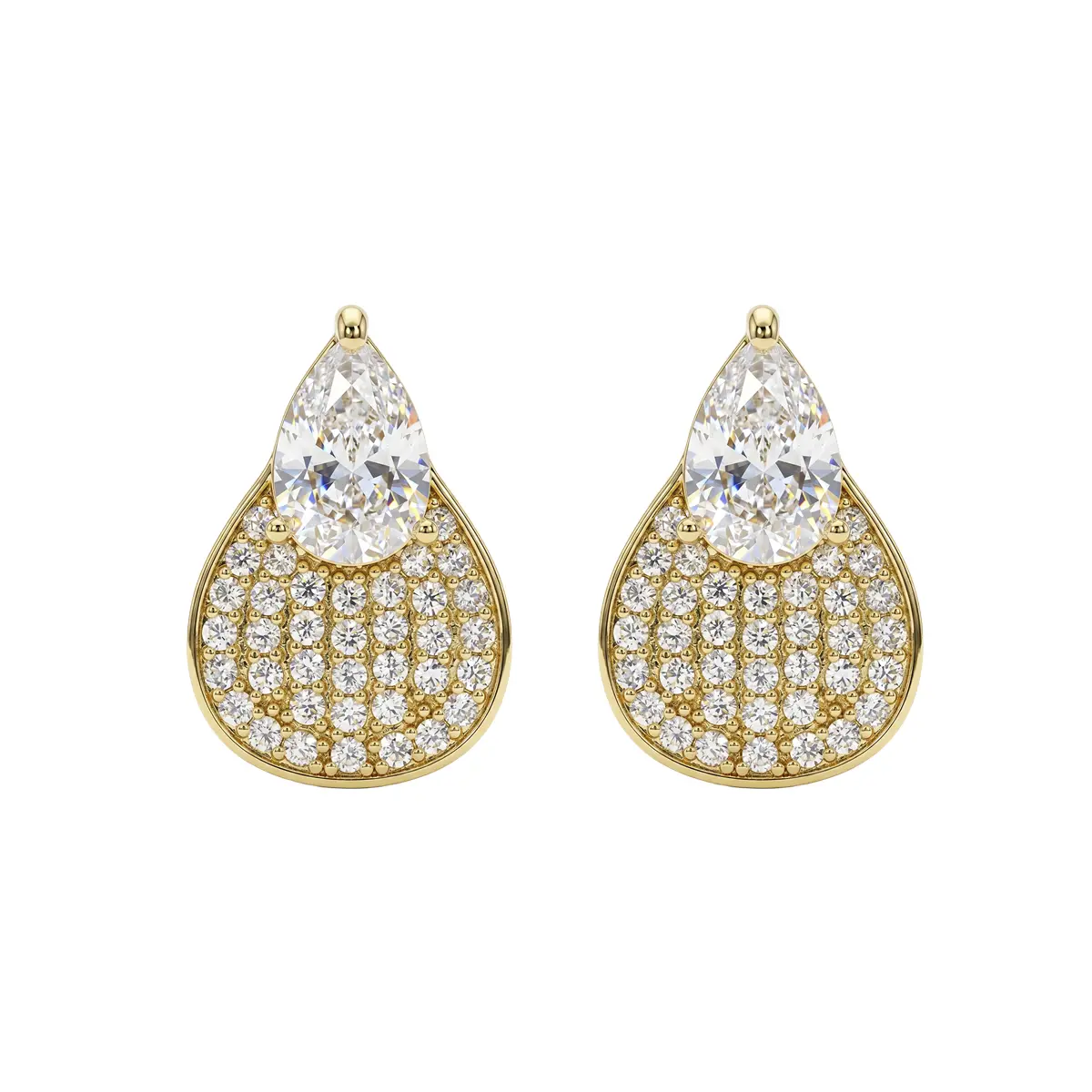
- Stone placement and setting security
- Earring-back fit and retention
- Pair matching and visual symmetry
- Packaging condition and labeling accuracy
These checks work best when inspectors use approved samples and defined tolerances. Visual inspection should use consistent lighting conditions. Measuring tools should receive routine verification for reliable readings. Defect records should identify specific problems rather than general failures. Production teams can then connect recurring defects with particular process stages. Repeated burrs may indicate tooling wear or unstable forming conditions. Uneven coating may indicate surface preparation or plating problems. Loose posts may indicate assembly inconsistencies. A minimalist stud earrings factory can use these records to strengthen process control. Structured checklists turn general expectations into repeatable quality decisions.
Traceability Strengthens Quality Management
Traceability allows production teams to connect finished products with specific production information. Useful records include material batches, production dates, inspection results, and operator details. Such information helps teams locate problems when defects appear after delivery. Production managers can compare current results with previous batches. Repeated defects may reveal equipment, material, or process problems. Photographs can support records for unusual surface or assembly defects. Digital records make recurring defect analysis faster and more accurate. Corrective actions should reference the affected batch and process stage. Teams can then verify whether later production improves after adjustments. Buyers benefit from clear records when they request quality evidence. Traceability also improves supplier evaluations over time. A complete record system reduces reliance on memory and informal communication. Reliable documentation supports faster investigation and stronger production decisions. It also provides useful evidence during repeated order reviews.
Packaging Protects Quality During Storage And Delivery
Packaging provides the final physical protection before finished jewelry reaches customers. Loose pieces can rub against each other during transportation. Individual bags, trays, cards, or protective inserts can reduce direct contact. Suitable packaging should also protect delicate posts from bending. Moisture protection may become important during long-distance transportation. Inner packaging should keep matching pairs organized and separated. Outer cartons should provide sufficient structural support during handling. Inspectors should verify packaging before products leave the facility. Product codes and quantities should match shipping documentation. Incorrect labels can create commercial problems despite acceptable product quality. Packaging tests can reveal movement, pressure, or abrasion risks. Finished pieces should enter packaging only after quality approval. Proper packaging extends quality control beyond manufacturing operations. It helps preserve appearance, structure, and order accuracy through final delivery.
| Packaging Element | Primary Function | Quality Risk Controlled |
|---|---|---|
| Individual Pouch | Separates individual pieces | Surface scratching |
| Jewelry Card | Maintains product position | Post deformation |
| Protective Insert | Limits internal movement | Impact damage |
| Inner Carton | Organizes multiple units | Product mixing |
| Outer Carton | Protects during transport | Compression damage |
Packaging requirements should match the physical characteristics of each product. Lightweight pieces may need less structural support than heavier designs. Long posts require protection against bending during transportation. Polished surfaces need separation from abrasive packaging materials. Plated finishes also benefit from reduced friction during movement. Packaging inspections should verify both materials and packing methods. Teams should confirm quantities before sealing cartons. Product codes should match approved order documents. Clear packing procedures reduce errors during repeated shipments. Buyers can also specify preferred retail packaging before production begins. These details should remain part of the approved production specification. Good packaging protects finished quality while supporting accurate fulfillment. It therefore deserves the same attention as manufacturing and inspection. Proper packing also reduces avoidable claims caused by transit damage.
Buyer Communication Supports Consistent Quality
Clear communication helps buyers and production teams maintain consistent requirements. Approved samples should define appearance, dimensions, materials, plating, and component structures. Purchase specifications should identify critical tolerances when measurements affect performance. Any design change should receive written approval before production continues. Sample approval should cover both visual and functional characteristics. Buyers should confirm post length, backing fit, surface finish, and stone placement. Product names should match purchase records to prevent packing errors. Quality requirements should separate critical characteristics from minor visual preferences. This allows inspection teams to focus resources on important risks.
Repeated orders should reference previous approved samples when specifications remain unchanged. Production teams can compare new results against historical inspection data. Clear communication reduces interpretation gaps between commercial and technical teams. It also creates stronger consistency across repeated production cycles. Detailed specifications provide a stable reference throughout the entire order process.
Continuous Quality Improvement Reduces Repeated Defects
Quality management should improve through measurable production data. Teams can track defect rates, rework quantities, and recurring defect categories. These figures can reveal patterns that isolated inspections may miss. Repeated burrs may indicate worn tooling or unstable forming conditions. Uneven plating may indicate surface preparation or coating problems. Assembly failures may indicate inconsistent components or joining conditions. Corrective actions should target process causes instead of removing defective pieces only. Teams should verify results after every significant process adjustment. Historical data can support supplier performance evaluations. Quality meetings should review meaningful trends and assign improvement responsibilities. Production managers can prioritize problems based on frequency and commercial impact. Data-driven decisions reduce repeated failures and unnecessary production costs. A minimalist stud earrings factory can use defect trends to improve future production. Continuous improvement turns inspection results into practical process decisions. This method supports stable output across changing order volumes.
Design-Specific Control Preserves Product Consistency
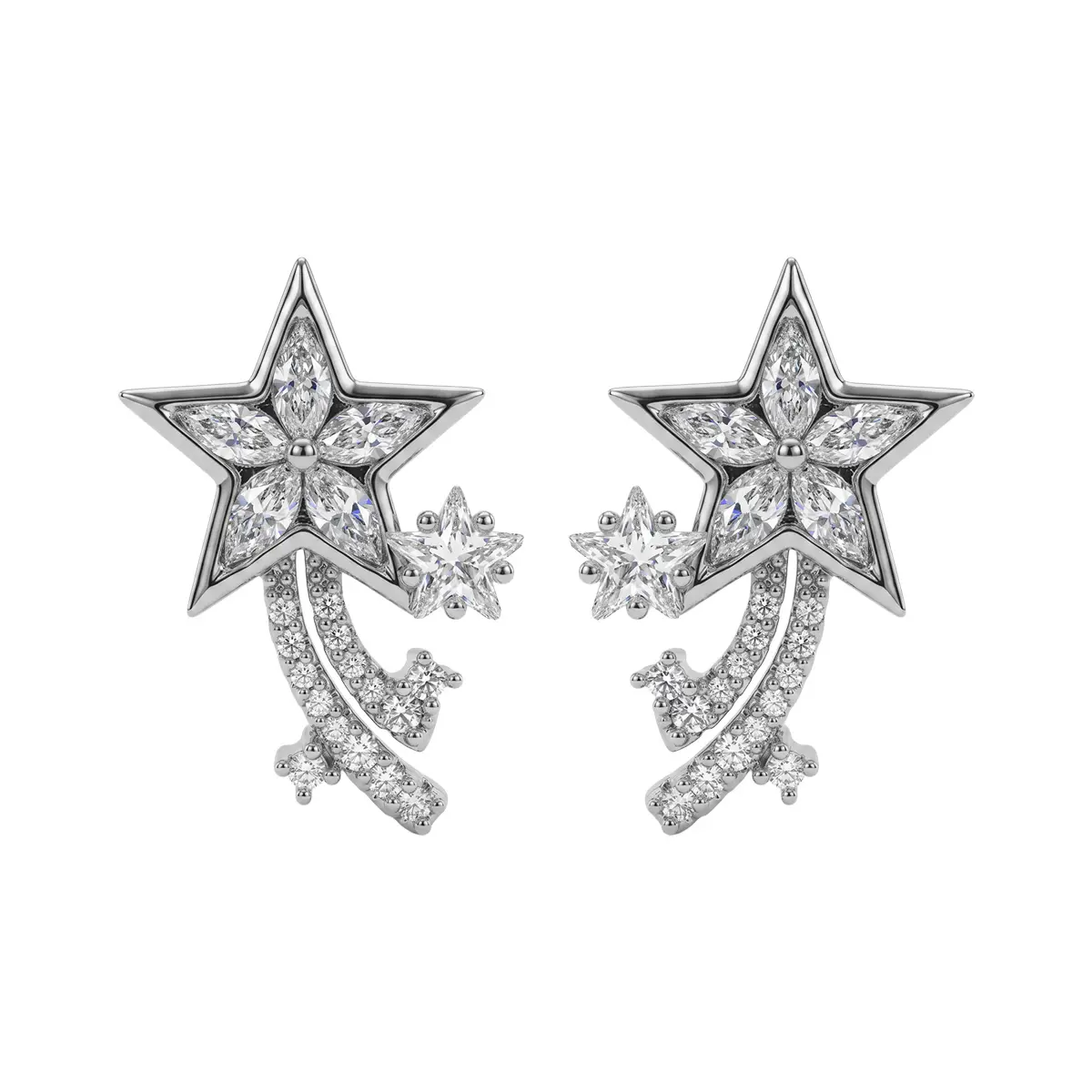
Different stud designs create different manufacturing risks. Geometric designs require accurate angles, edges, and symmetrical positioning. Zircon settings require precise placement and secure retention. Small decorative components need stable assembly and careful handling. Octagram Stud Earrings with Cubic Zircon require particular attention to geometric symmetry. Inspectors should compare matching pairs rather than checking pieces individually. Pair comparison can reveal subtle differences in shape and decorative alignment. Each design should have reference samples with product-specific inspection points. A universal checklist may not cover every structural requirement. Production teams should adapt checks according to individual design characteristics. Stone settings may require closer inspection than plain metal surfaces. Complex geometry may require more dimensional checks than rounded designs. Product-specific controls improve consistency without creating unnecessary inspection work. Matching inspection methods with design characteristics creates more reliable quality outcomes.
Comprehensive Quality Control Supports Reliable Supply
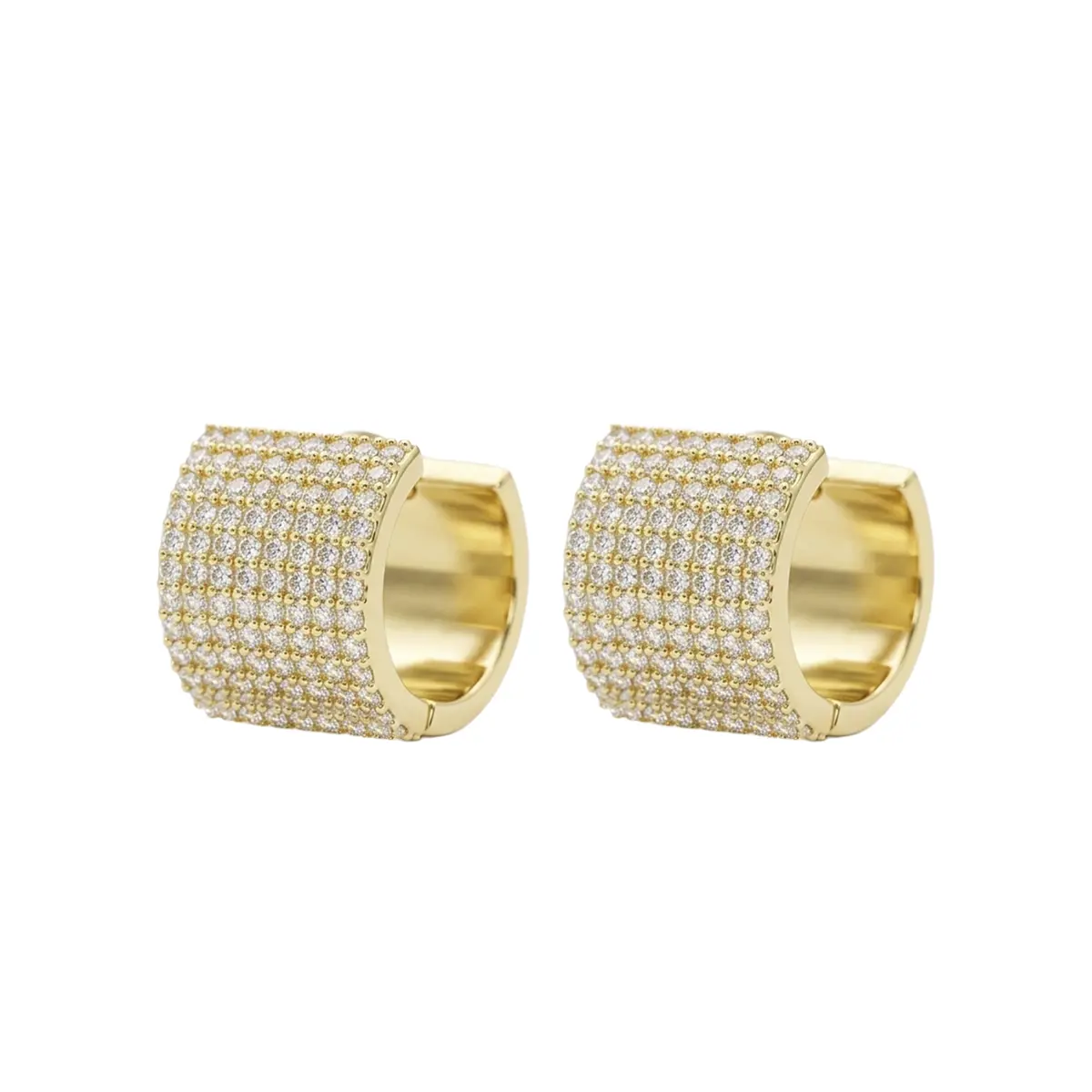
A minimalist stud earrings factory must manage quality from material receiving through shipment. Simple designs make dimensional errors and surface defects highly visible. Material verification protects durability and finishing performance. Precision manufacturing maintains shape, symmetry, and component consistency. Surface treatment controls color, smoothness, and coating performance. Assembly checks confirm structural security and wearing comfort. Final inspection combines these requirements before packaging begins. For example, 18K Gold Stainless Steel Ribbed Square Zircon Stud Earrings require careful control of surface finish and zircon placement. Each production stage should use measurable acceptance criteria. Buyers should approve samples and document critical specifications before larger orders. Production teams should maintain equipment and record significant process changes. Inspection data should support corrective actions when recurring defects appear. Comprehensive control creates more consistent jewelry and reduces avoidable quality disputes. Strong quality management connects manufacturing precision with buyer expectations and customer satisfaction.
FAQ
What Materials Are Commonly Used For Minimalist Stud Earrings?
Common materials include stainless steel, 925 sterling silver, brass, and plated alloys. Stainless steel offers strong corrosion resistance and mechanical durability. Sterling silver provides a bright appearance and premium market positioning. Brass supports efficient forming and flexible decorative finishing. Material choice should match price positioning, design requirements, and expected wearing conditions. Buyers should request material specifications before confirming larger orders. Surface treatment also affects final durability and appearance. Coating performance depends partly on substrate preparation and cleaning. Material consistency matters as much as the stated material grade. Reliable suppliers should maintain stable material sources across repeated orders. Incoming inspection should verify materials before production begins. This process reduces unexpected changes in color, hardness, weight, and finishing performance.
How Can Buyers Check Stud Earring Quality Before Bulk Orders?
Buyers should begin with approved samples and detailed product specifications. Sample checks should cover dimensions, weight, surface condition, color, and stone placement. Functional testing should confirm secure connections and suitable earring-back fit. Buyers can request material documentation when composition affects purchasing requirements. Inspection records provide additional evidence of production consistency. For larger orders, buyers should define acceptable defect limits before manufacturing begins. Independent inspection can provide another verification layer before shipment. Photographs may not reveal weak connections or dimensional differences.
A practical evaluation combines physical samples, measurable specifications, and inspection records. Buyers should also compare samples with production results before shipment. These steps reduce quality uncertainty and support more consistent purchasing decisions.
What Causes Quality Problems In Minimalist Stud Earrings?
Common causes include inconsistent materials, worn tooling, inaccurate forming, poor surface preparation, and weak assembly control. Material variation can affect hardness, color, weight, and finishing performance. Worn dies may create dimensional changes, burrs, or uneven edges. Poor polishing can leave scratches before coating begins. Inadequate surface preparation can reduce coating adhesion. Assembly problems may produce loose posts or poor alignment. Packaging failures can create scratches or deformation during transportation. Effective quality control should identify these causes rather than only removing defective pieces. Production teams should record recurring defect patterns and investigate their sources. Corrective actions can then target materials, equipment, processes, or operator procedures. This approach reduces repeated defects and supports stable production quality.