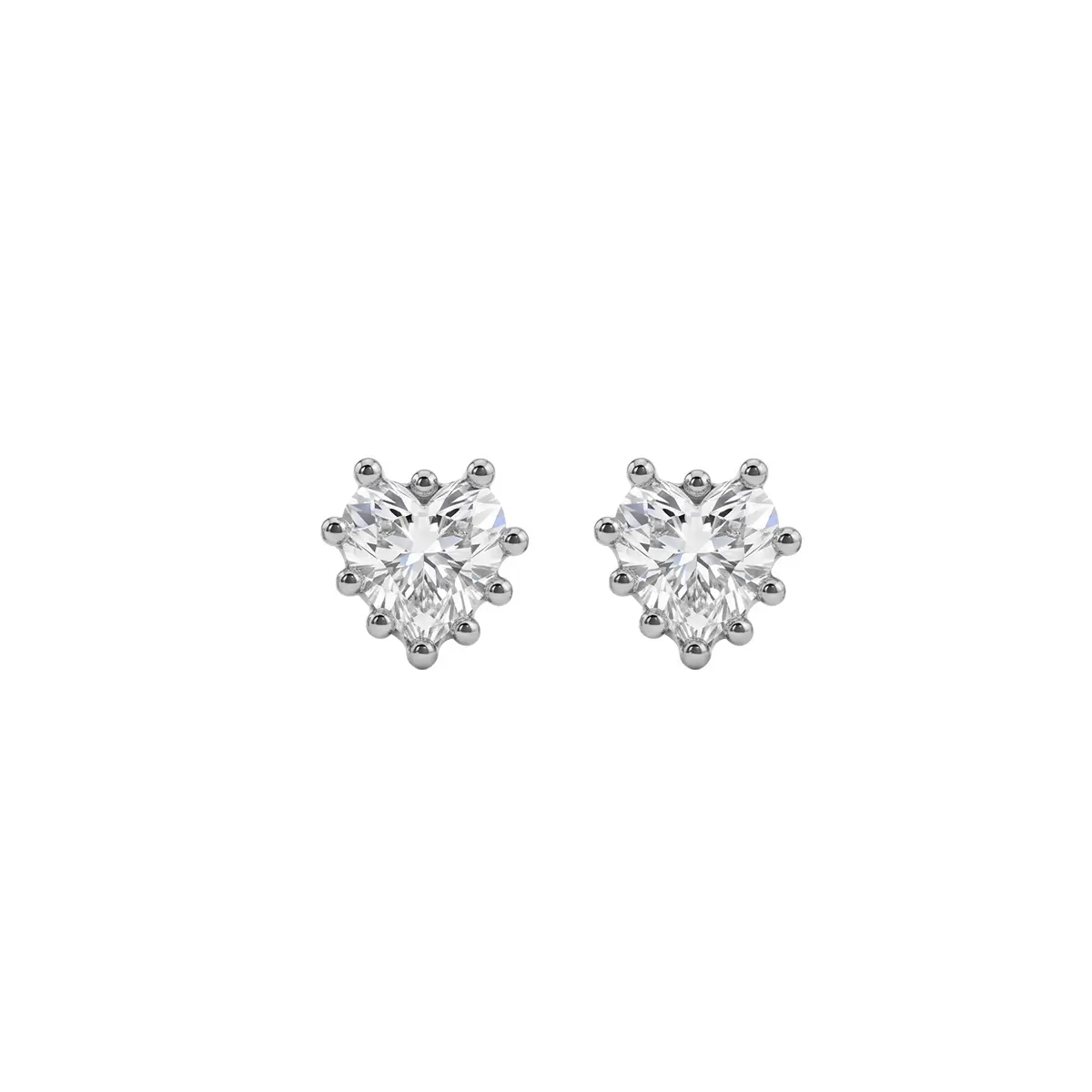
What Makes A Good Private Label Stud Earrings Manufacturer?
-
Private label stud earrings manufacturer selection depends on quality control, materials, customization, sampling, and reliable production.
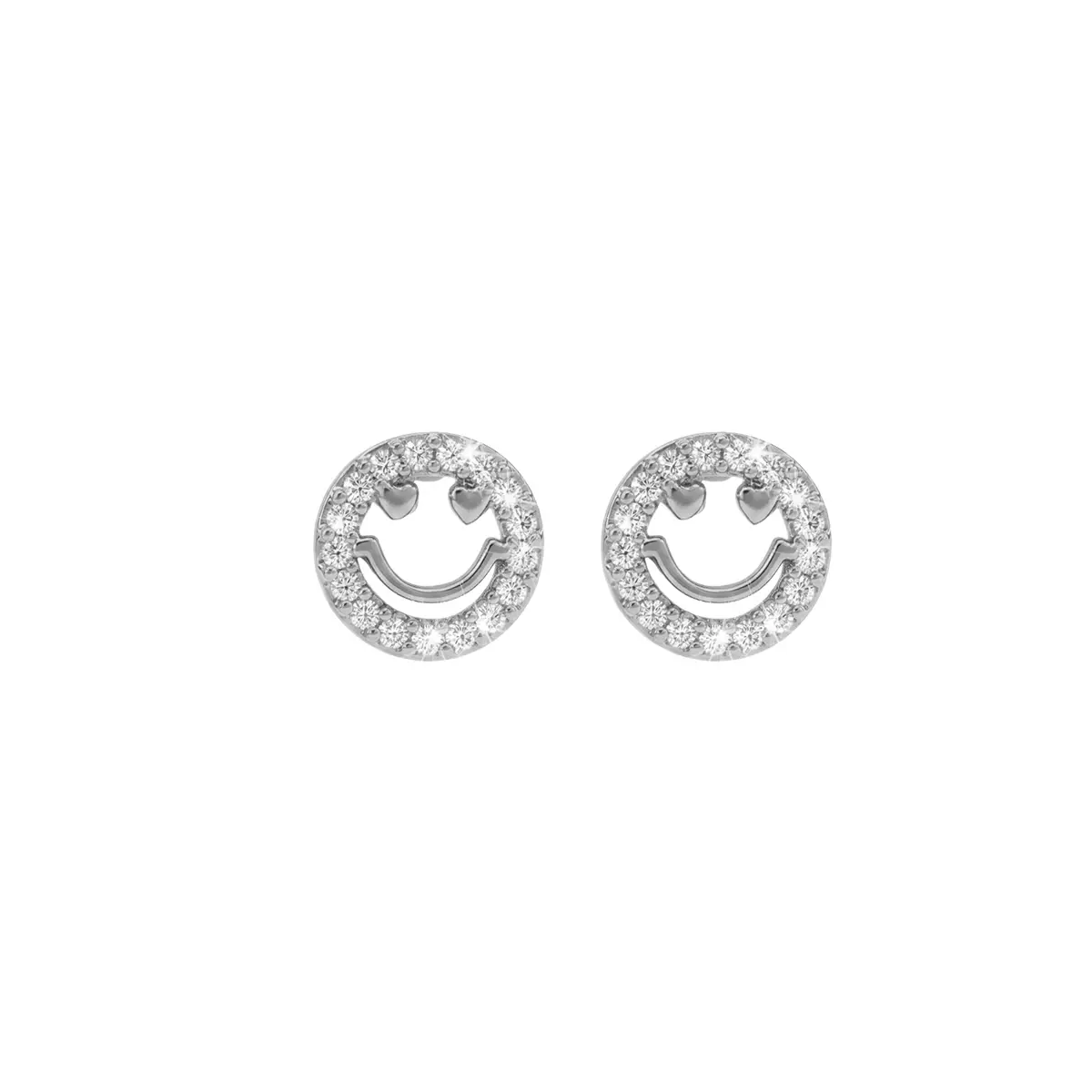
Material choice directly affects comfort, durability, appearance, and customer satisfaction. A reliable private label stud earrings manufacturer should offer clearly specified material options. Stainless steel provides strong corrosion resistance and stable performance. 316L stainless steel suits jewelry designed for frequent daily wear. Sterling silver provides a premium appearance and supports higher price positioning. Brass offers flexibility for fashion collections with controlled finishing requirements. Buyers should evaluate the base metal beneath plated surfaces. A thin gold layer cannot compensate for poor substrate quality. Nickel release also deserves attention for products touching sensitive skin. Suppliers should provide clear material specifications before sampling begins. Consistent material sourcing helps maintain color and weight across repeated production. Buyers should record approved materials inside their product specifications. These records create a reliable reference for future purchase orders.
Precision Matters Across Every Earring Component
Small earrings require surprisingly precise component control. Post diameter affects insertion comfort and compatibility with backings. Post length determines how securely an earring sits against the earlobe. Butterfly backs require accurate dimensions for consistent grip. Decorative settings also need controlled measurements for balanced pair production. Excessive variation can create visible differences between left and right earrings. Weight differences may also affect how earrings hang during wear. Quality teams should measure critical dimensions during sampling and bulk production. A technical drawing gives production teams clear dimensional targets. Approved samples provide another physical reference for appearance and assembly. Combining drawings with samples reduces interpretation errors during repeat orders. Buyers should request measurable tolerances instead of accepting vague sizing descriptions.
Quality Control Protects Consistent Wholesale Orders
Quality control should cover every stage from incoming materials to final packing. Incoming inspection verifies metal composition, components, stones, and surface condition. Production checks can identify scratches, loose settings, uneven polishing, or weak joints. Final inspection should confirm appearance, dimensions, quantity, and packaging requirements. Sampling methods can reduce inspection workload while maintaining practical control. Many jewelry operations use AQL-based inspection for larger production batches. The inspection level should reflect product value and acceptable commercial risk. Critical defects deserve stricter treatment than minor cosmetic variations. Suppliers should also record inspection findings for future production references. These records help teams identify recurring problems before they affect larger orders. Reliable inspection creates stronger consistency between approved samples and finished inventory.
A strong private label stud earrings manufacturer should connect quality checks with measurable specifications. Buyers benefit when every important feature has a defined acceptance range. The table below shows useful checkpoints for different production stages.
| Production Stage | Primary Check | Typical Risk | Buyer Benefit |
|---|---|---|---|
| Incoming Materials | Metal, components, stones | Material variation | Stable product performance |
| Sampling | Size, weight, appearance | Specification errors | Clear approval reference |
| Production | Assembly and finishing | Process variation | Better batch consistency |
| Final Inspection | Quantity and appearance | Defective units | Lower return risk |
Why Sampling Requires More Than Visual Approval
Sampling should confirm technical performance, not only visual appeal. Buyers should check post strength, backing tension, surface finish, and pair matching. Plated pieces need inspection under different lighting conditions. Uneven plating can appear subtle under showroom lighting but obvious outdoors. Stones should remain firmly seated after repeated handling. Posts should align correctly with the decorative center. Backings should provide sufficient resistance without causing uncomfortable pressure. Packaging should also match the final retail presentation. For example, a branded card can expose spacing problems before mass production. Buyers should photograph approved samples from multiple angles. Written specifications should accompany those photographs whenever possible. This process creates a stronger reference for production teams and purchasing staff.
Customization Determines Brand Differentiation
Customization can transform basic earrings into recognizable retail collections. Logo engraving provides direct brand identification on suitable metal surfaces. Custom backing cards create stronger shelf presentation and online photography consistency. Plating colors can support different collections without changing the basic construction. Stone colors can create seasonal variations from one core design. For example, Irregular Leaf Oval Crystal Stud Earrings can add a distinctive botanical element to a fashion jewelry collection. Packaging options may include cards, boxes, pouches, labels, and barcode placement. However, every customization adds another production variable. Buyers should confirm artwork dimensions before mold or engraving work begins. Digital files should use agreed formats and approved color references. Sampling should verify both physical appearance and branding accuracy. A disciplined customization process prevents expensive corrections after production starts.
Real Case: Correcting Plating Inconsistency Across Reorders
A common jewelry production case involves different gold tones appearing across separate orders. The initial samples may show an attractive warm gold finish. A later batch can appear slightly darker because plating parameters changed. Base metal preparation can also influence the final visual result. Cleaning, polishing, electrical current, bath chemistry, and plating duration all affect deposition. A reliable private label stud earrings manufacturer can address the issue by fixing the substrate specification and plating process together. The production team can record approved color samples as physical references. Operators can then compare production pieces against those references during inspection. Consistent bath management also reduces unnecessary color variation. This approach works better than relying on verbal descriptions such as “standard gold.” The case demonstrates why repeat orders require process controls, not just identical artwork.
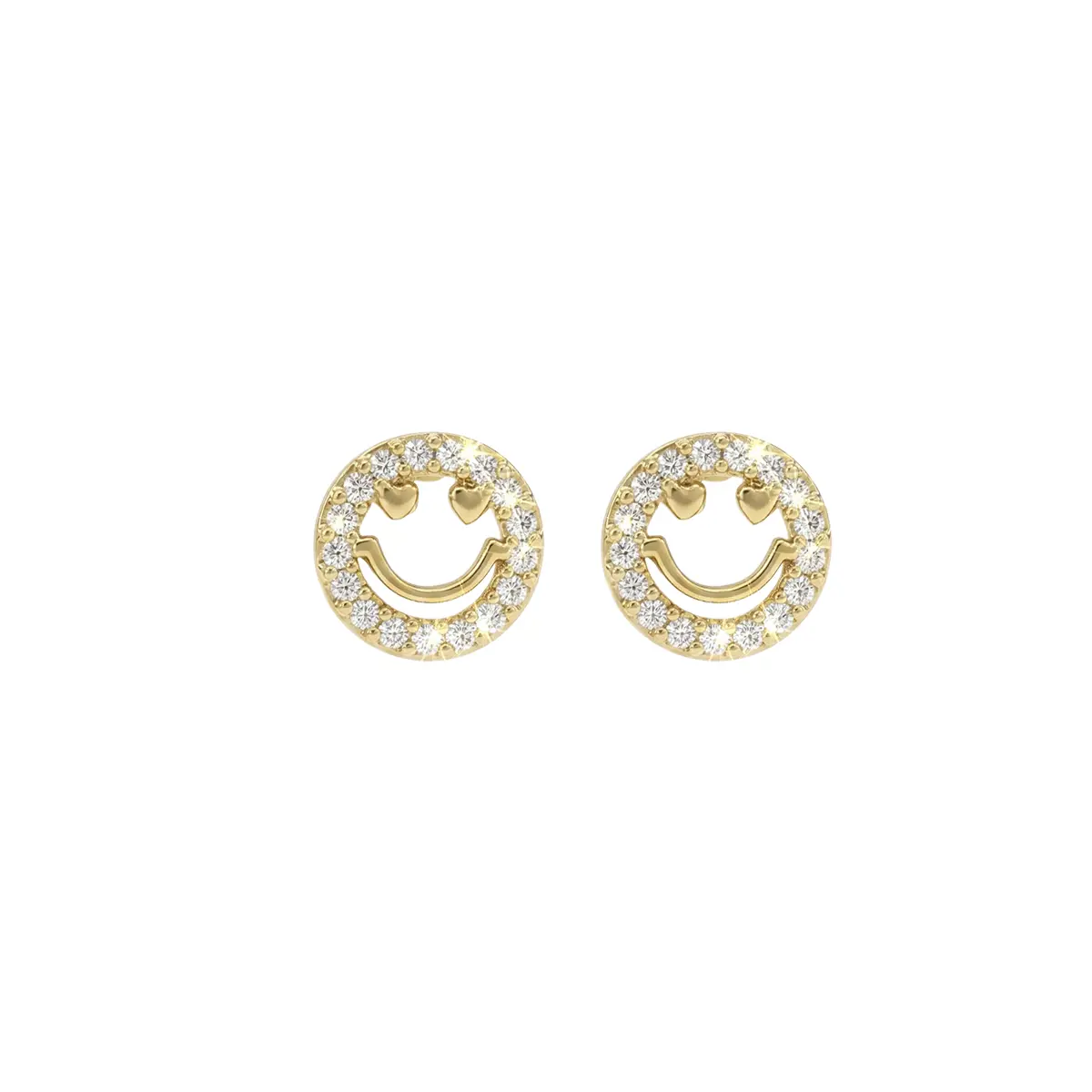
| Evaluation Area | What Buyers Should Verify | Why It Matters |
|---|---|---|
| Metal | Grade and sourcing consistency | Affects durability and customer comfort |
| Plating | Color, coverage, adhesion | Controls appearance and wear resistance |
| Components | Post and backing dimensions | Supports comfortable and stable wearing |
| Stone Setting | Position and retention | Reduces stone loss and visual defects |
| Branding | Logo and packaging accuracy | Protects retail presentation |
| Repeatability | Sample-to-batch consistency | Supports reliable replenishment |
How Private Label Stud Earrings Manufacturer Capabilities Affect Repeat Orders
Production capacity involves more than a factory’s monthly output. Buyers should evaluate equipment availability, skilled labor, component inventory, and scheduling systems. A supplier may produce large volumes but struggle with customized small batches. Another supplier may offer excellent samples but lack capacity during seasonal peaks. Repeat orders require stable access to the same materials and finishing processes. Production planning should reserve capacity for confirmed replenishment orders. Component shortages can otherwise delay finished products despite sufficient assembly workers. Buyers should ask how suppliers handle sudden quantity increases. Clear lead-time communication helps retailers coordinate launches and inventory replenishment. Capacity planning also matters when several designs share the same production resources. Reliable suppliers balance current orders with future replenishment requirements.
Buyers should compare suppliers using measurable commercial criteria rather than price alone. A lower quotation can become expensive after defects, delays, or packaging corrections. The following checklist supports a more practical supplier evaluation.
- Material specifications and sourcing records
- Sample approval and technical documentation
- Post, backing, and decorative component tolerances
- Plating consistency and surface inspection
- Stone-setting quality and retention
- Custom logo and packaging capabilities
- Production scheduling and replenishment capacity
- Final inspection procedures and defect handling
These checkpoints become more useful when buyers apply them consistently. Each supplier should receive the same evaluation criteria before commercial comparison. Samples should also come from comparable specifications and similar production quantities. Buyers can then separate genuine quality differences from presentation differences. Documentation adds another layer of confidence during supplier selection. Production teams can reference approved drawings instead of interpreting informal messages. Purchasing teams can also identify changes before approving repeat orders. Consistent evaluation reduces decisions based solely on attractive sample photography. It also creates clearer expectations for future communication.
Brand Collections Need Consistent Design Language
A strong supplier should support collections rather than isolated products. Retailers often combine simple shapes with seasonal statement pieces. A consistent metal finish can connect several different earring designs. Similar post dimensions can simplify packaging and inventory management. Matching backing cards can create a unified shelf appearance. For example, Minimalist Twisted Knot Brass Stud Earrings can support a simple everyday collection. Its compact shape can complement larger decorative styles without overwhelming the display. Product development should consider visual balance across the complete range. Buyers should review several samples together instead of evaluating every item separately. This approach can reveal inconsistent finishes, proportions, or packaging decisions. Collection-level consistency strengthens the perceived value of a private label jewelry line.
Communication Reduces Production Errors
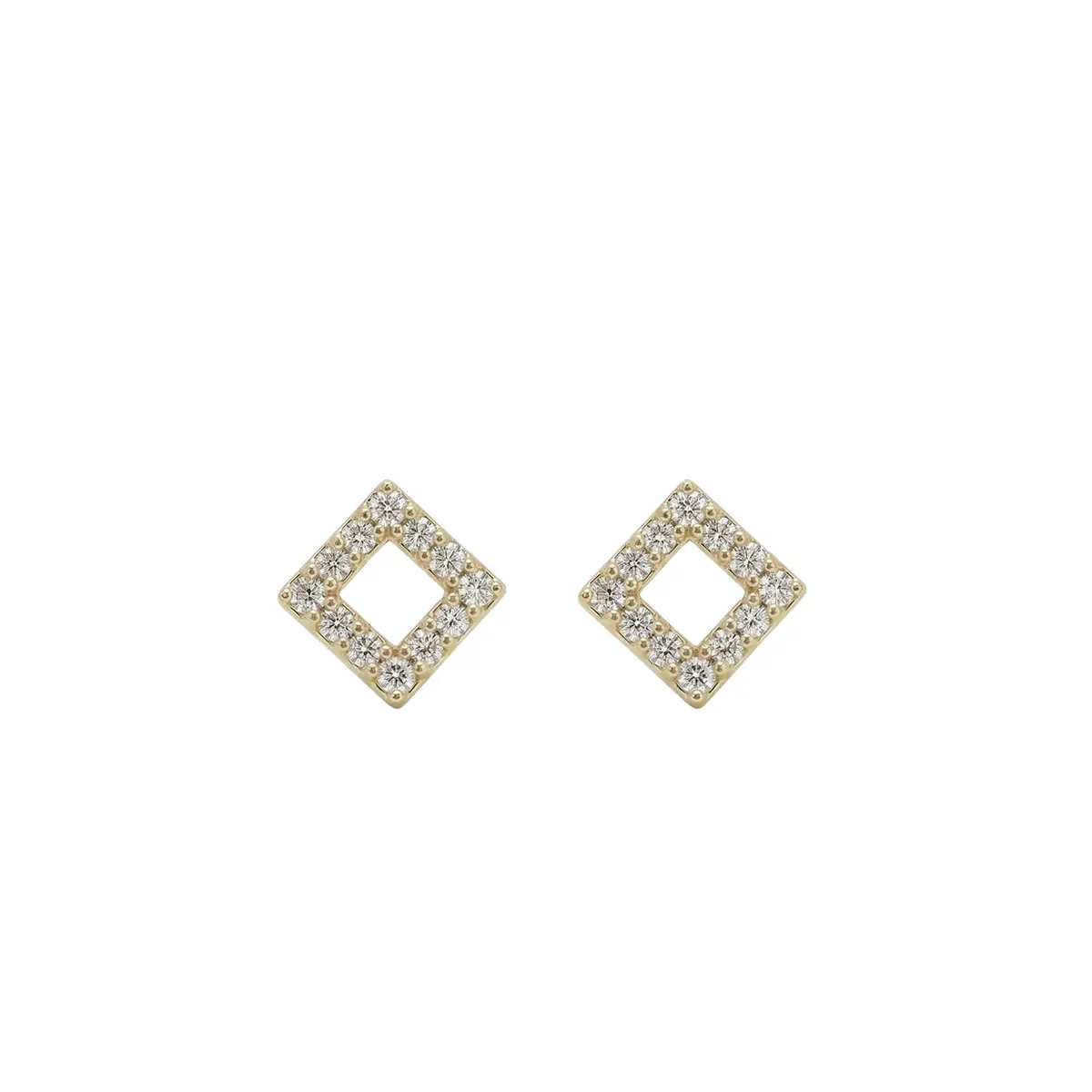
Clear communication can prevent many avoidable manufacturing problems. Buyers should provide drawings, reference images, dimensions, materials, finishes, and packaging details. Verbal descriptions alone often leave room for different interpretations. Each revision should receive a clear version number or approval date. Artwork changes should also receive written confirmation before production begins. Sample comments should identify exact locations rather than general concerns. A statement like “make it smaller” lacks sufficient production information. A dimensional instruction gives production teams a measurable target. Photographs can clarify surface finishes, stone positions, and logo placement. Written approvals then create a reliable record for both parties. Better communication reduces rework and protects production schedules during busy periods.
How a Private Label Stud Earrings Manufacturer Supports Brand Growth
Long-term growth requires more than stable manufacturing capacity. Retailers need suppliers that can develop new variations without sacrificing existing quality. A successful collection may begin with several basic shapes and expand gradually. New plating colors can create seasonal versions from proven constructions. Different stones can also create multiple price points within one collection. Packaging changes can refresh an established product without redesigning its metal structure. Product data should remain organized as the collection expands. Each SKU should have clear specifications, approved samples, and packaging references. Such organization makes replenishment faster and reduces repeated sampling work. Suppliers with strong development processes can support broader collections over time. The result is a more consistent product pipeline and stronger retail positioning.
Final Criteria for Choosing the Right Production Partner
A reliable private label stud earrings manufacturer should demonstrate control across materials, components, finishing, customization, and delivery. Buyers should examine physical samples before making larger commitments. Production documentation should support every important specification. Quality systems should address both visible defects and functional performance. Capacity should match expected order volumes and seasonal replenishment needs. Communication should remain clear when designs or quantities change. Packaging capabilities should also support the retailer’s final selling environment. Price remains important, but it should not become the only selection criterion. A supplier with stronger consistency can reduce hidden costs from returns and rework. Careful evaluation therefore protects both product quality and brand reputation. These criteria provide a practical foundation for long-term supplier relationships.
FAQ
What materials are commonly used for private label stud earrings?
Common materials include 316L stainless steel, 925 sterling silver, brass, and other jewelry metals. Stainless steel offers strong corrosion resistance and supports frequent daily wear. Sterling silver provides a premium positioning with a familiar jewelry appearance. Brass offers design flexibility and often works well with decorative plating. Buyers should confirm the base metal before approving samples. Surface plating also requires separate evaluation because its performance depends on preparation and application. For products sold in different markets, buyers should check applicable material requirements before production. Clear material specifications help prevent unexpected differences between samples and bulk orders. Suppliers should document approved materials for future replenishment orders.
What should buyers inspect before placing a bulk earring order?
Buyers should inspect dimensions, weight, post strength, backing tension, surface finish, and pair matching. Plated products require close checks for color consistency, coverage, and visible surface defects. Stone settings should remain secure during handling and packaging. Logo details should match the approved artwork precisely. Packaging should also fit the product without excessive movement or pressure. Approved samples should include measurable specifications whenever possible. Buyers should record critical dimensions and finishing requirements before confirming production. Final inspections should then compare bulk products against those references.
This approach reduces disputes because both sides have clear acceptance criteria. A strong inspection process also improves consistency during future replenishment orders.
How can retailers evaluate a reliable stud earring supplier?
Retailers should evaluate suppliers through samples, production controls, communication, customization, and replenishment capability. A polished sample alone cannot confirm reliable bulk production. Buyers should ask about material consistency, inspection procedures, production capacity, and packaging support. Technical drawings and approved samples should establish clear production references. Communication quality also matters when designs require revisions or special packaging. Retailers should compare several suppliers using identical evaluation criteria. Production history can provide useful evidence when available. Buyers should also assess how suppliers respond when defects or delays occur. Strong corrective action indicates better operational discipline. The best long-term relationship usually combines product quality, transparent communication, stable capacity, and consistent repeat-order performance.