
How To Choose Minimalist Hoop Earrings OEM?
-
Choose minimalist hoop earrings OEM suppliers by metal, dimensions, plating, compliance, samples, MOQ, and quality control.
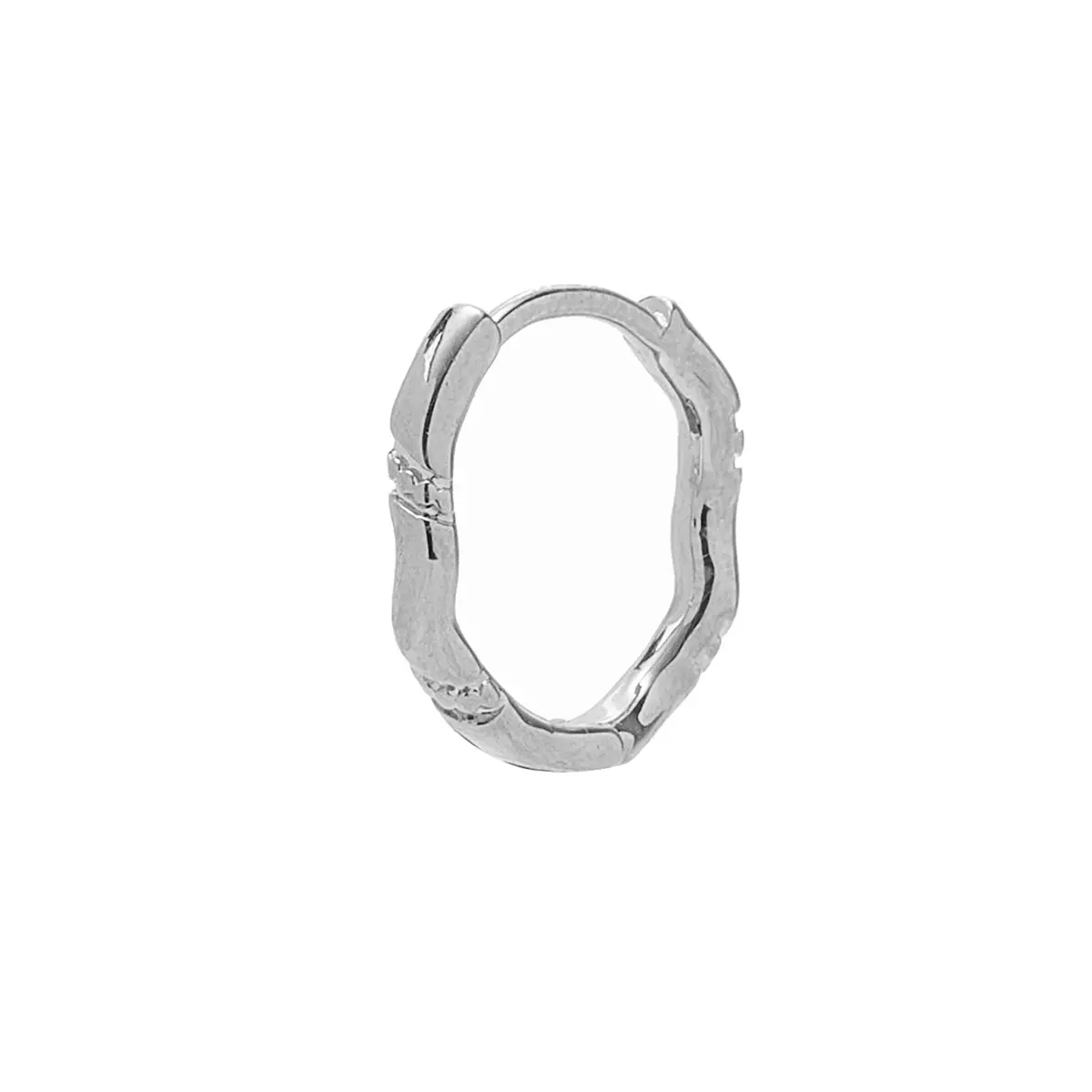
Minimalist hoop earrings OEM gives jewelry brands more control over design, materials, and production costs. Buyers can define dimensions, finishes, closures, packaging, and branding requirements. These details matter because simple jewelry exposes manufacturing defects more clearly. A slightly uneven circle can make both earrings look mismatched. Poor plating can also become obvious across a large polished surface. B2B buyers should therefore evaluate engineering capability before comparing factory quotations. Material selection also affects weight, durability, skin contact, and retail positioning. Sampling provides another opportunity to test construction before committing to bulk production. Suppliers should provide measurable specifications rather than relying on product photographs. Those specifications can cover diameter, wire thickness, weight, plating, and closure performance. A strong OEM process connects design decisions with repeatable production controls. This approach helps brands reduce returns while maintaining consistent wholesale quality.
How Should Buyers Select Metal for Hoop Earrings?
Metal selection should follow the product’s target market, price point, and expected usage. Stainless steel provides strong corrosion resistance and relatively stable production costs. Brass offers flexible forming and competitive pricing for fashion jewelry collections. Sterling silver supports premium positioning but requires stronger tarnish management. Copper alloys can also create smooth forms with efficient forming characteristics. Each substrate reacts differently during polishing, cleaning, and surface finishing. Buyers should request the exact alloy specification before approving production samples. They should also confirm whether the product uses solid metal or hollow tubing. Hollow construction can reduce weight while maintaining a substantial visual profile. Solid wire can provide stronger resistance against deformation during daily handling. Metal composition also affects plating adhesion and final color consistency. For skin-contact products, chemical compliance should remain part of the material decision. Choosing the correct substrate early prevents expensive changes during later production stages.
What Hoop Dimensions Should B2B Buyers Specify?
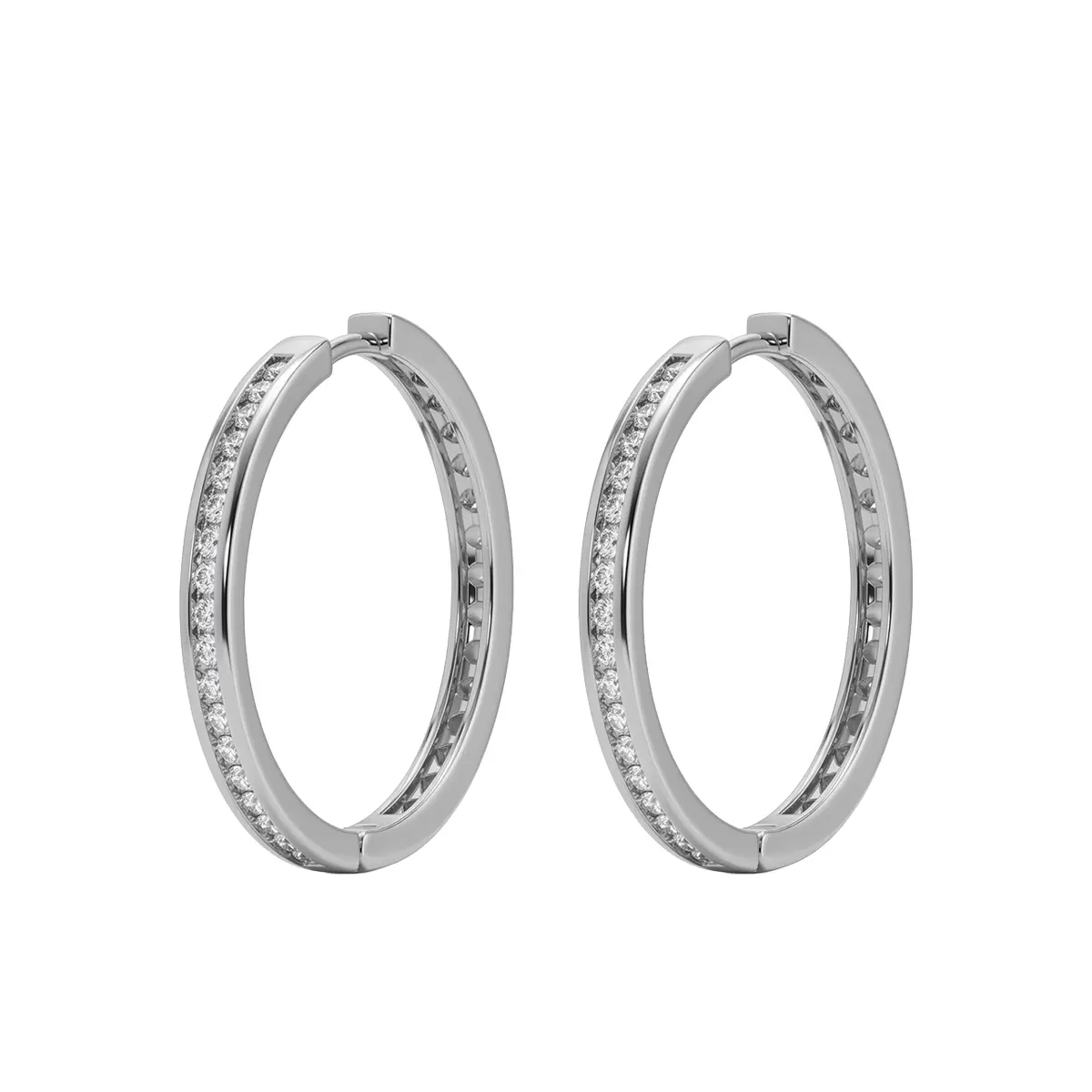
Hoop dimensions require precise definitions because small changes can affect appearance and comfort. Buyers should specify outside diameter using millimeters rather than terms like small or medium. Wire thickness should also have a clear numerical value. A 1.5 mm wire creates a different visual weight than a 2.0 mm wire. Tube construction can produce larger-looking hoops without creating excessive physical weight. Closure dimensions deserve similar attention during product development. Hinged mechanisms need accurate alignment between the pin, receiving section, and hoop body. Click closures also require controlled spring tension to prevent accidental opening. Joint positioning can influence the overall circular appearance when the earring closes. Circle Tassel Earrings with Swaying Dynamic Design also require sufficient clearance between moving components. Buyers should record these measurements on a technical specification sheet. Tolerance ranges should accompany critical dimensions wherever practical. Clear specifications give production teams measurable targets and reduce interpretation errors. They also make future repeat orders easier to compare against approved samples.
How Does Plating Affect Minimalist Hoop Earrings OEM Quality?
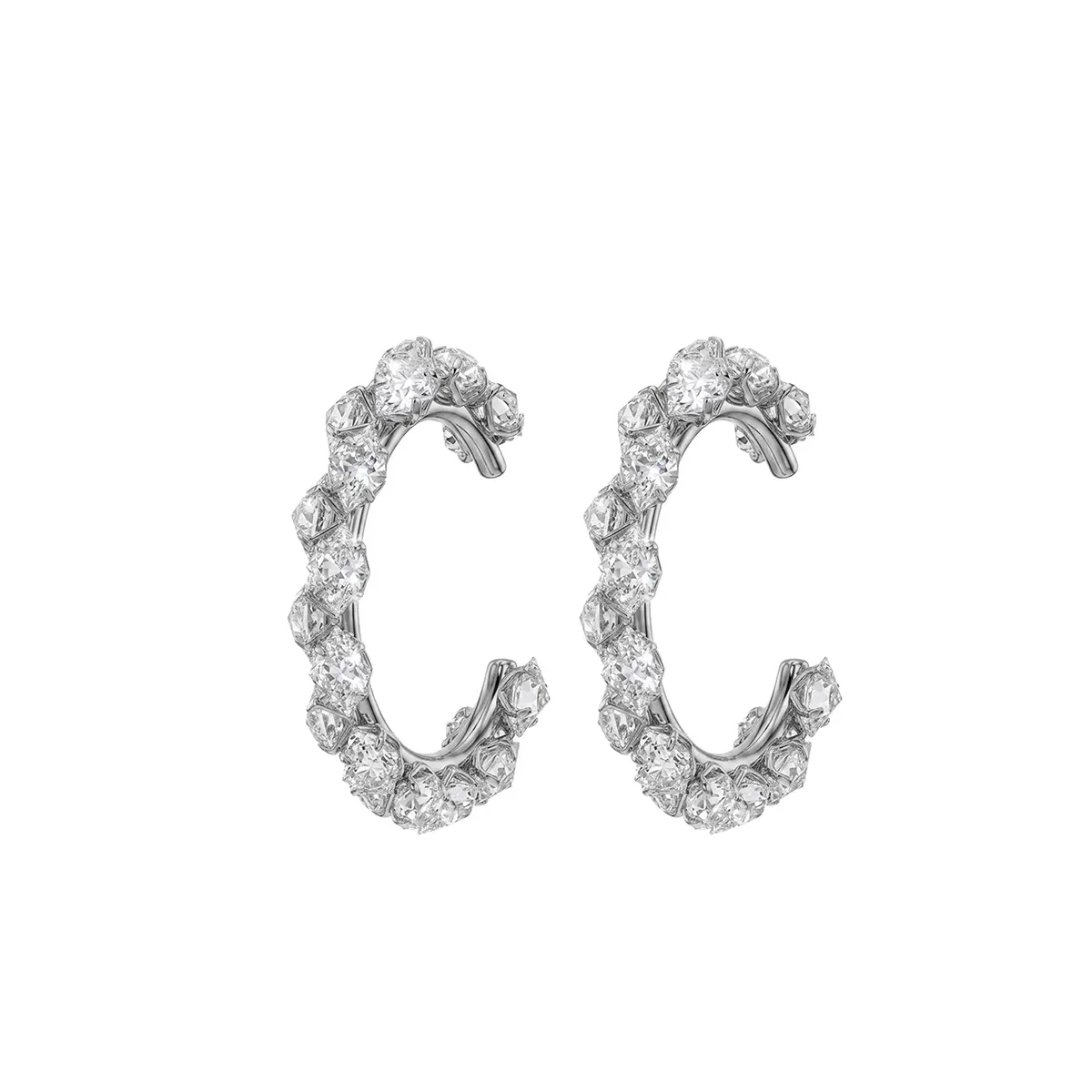
Plating quality strongly influences perceived value because minimalist surfaces leave imperfections highly visible. Polishing should remove scratches, machining marks, and uneven areas before coating begins. Poor surface preparation can create dull patches under gold or silver finishes. Electroplating provides flexible color options across many fashion jewelry substrates. PVD coating can offer strong surface durability when the substrate and process suit the application. Classic Wide Solid Copper Hoop Earrings with Shiny Finish require careful polishing and surface preparation before the final finish. However, coating performance depends on cleaning, preparation, process control, and coating parameters.Buyers selecting minimalist hoop earrings OEM should request information about the selected finishing method and color standard. Approved physical samples can provide a practical reference for future production batches. Inspection should cover scratches, pits, stains, exposed substrate, and inconsistent color. Gold-tone finishes especially require strong batch-to-batch color control. A factory should retain reference samples for repeat orders whenever possible. Buyers should also ask how the supplier handles plating defects during final inspection. Consistent finishing can significantly reduce visual quality complaints from wholesale customers.
What Compliance Documents Should OEM Suppliers Provide?
Compliance requirements deserve attention before product development reaches mass production. Nickel release remains especially important because earrings maintain prolonged contact with skin. European REACH restrictions limit nickel release from relevant articles with prolonged skin contact. Piercing components can face stricter requirements under applicable regulations. Buyers should therefore request testing that matches the actual finished product. Generic certificates may not represent the alloy, coating, or final construction. Useful documentation can include nickel release, metal composition, REACH, and RoHS records. Destination-market requirements should determine which tests the supplier needs to provide. Testing should also use representative production samples whenever possible. A documented UK product safety case involved earrings that exceeded permitted nickel release levels. Another documented case concerned large silver hoop earrings with excessive nickel release. These cases show why appearance checks cannot replace laboratory testing. Compliance should connect directly with the approved material and finishing specifications. Strong documentation also gives B2B buyers better evidence when retailers request safety records.
How Can Buyers Compare OEM Suppliers Objectively?
Supplier comparison becomes easier when buyers use identical technical and commercial requirements. Factory websites often present attractive photographs without showing production limitations. A structured evaluation can reveal important differences before sampling begins.
- Confirm the base metal and material documentation.
- Specify diameter, thickness, weight, and dimensional tolerances.
- Compare plating processes and approved finish references.
- Check closure construction and functional testing procedures.
- Request relevant chemical compliance and laboratory records.
- Review MOQ, tooling costs, sample charges, and lead times.
- Confirm final inspection procedures and defect acceptance criteria.
This checklist helps buyers compare suppliers using consistent production requirements. Price should remain only one factor in the final decision. A cheaper supplier may create higher costs through defects, rework, or inconsistent batches. Buyers should compare sample accuracy against the factory’s promised production capability. Communication quality also matters when technical changes arise during development. Suppliers should answer specification questions with measurable manufacturing information. Vague responses can indicate limited engineering support or weak process control. Packaging capability should also enter the evaluation when private labeling forms part of the order. A supplier that documents every requirement creates stronger accountability throughout production. This method gives purchasing teams a more reliable basis for supplier selection.
What Specifications Should Buyers Put Into an OEM Sample Sheet?
A technical sample sheet converts design expectations into measurable production requirements. Buyers should define critical dimensions before sending designs to a factory. The following example shows practical specifications for a lightweight daily hoop collection.
| Specification | Example Requirement | Production Purpose |
|---|---|---|
| Outer Diameter | 20–30 mm | Controls visual scale and wearing position |
| Wire Thickness | 1.2–2.0 mm | Controls strength, weight, and appearance |
| Pair Weight | Under 4 g | Supports comfortable daily wear |
| Closure | Hinged click mechanism | Controls opening and locking performance |
| Surface Finish | High-polish gold tone | Defines the visual reference |
| Nickel Release | Destination-market compliant | Supports regulatory requirements |
These specifications should change according to the intended collection and target customer. Larger hoops require different structural considerations than small everyday styles. Wire thickness also influences both perceived quality and material consumption. Weight limits become especially important for earrings intended for extended wear. Closure specifications should include functional requirements rather than simple component names. Buyers can also add acceptable dimensional tolerances to reduce disputes during inspection. Physical samples should remain the primary reference for appearance and construction. Technical drawings can then preserve critical measurements for repeat production. This combination creates a practical bridge between design teams and factory engineers. It also makes production deviations easier to identify before shipment.
What Does a Real Earring Compliance Case Reveal?
Real product safety records show why chemical testing deserves early attention. Researchers tested 304 earrings purchased in Denmark and found excessive nickel release in 45 samples. The researchers used X-ray fluorescence alongside standardized nickel release testing. Their results showed that visual appearance could not predict compliance performance. A separate documented product safety case involved large silver hoop earrings. Testing found nickel release above the permitted level for relevant skin-contact jewelry. Authorities required action against the non-compliant product. These examples provide practical evidence for B2B purchasing teams. A polished surface does not prove that an earring meets chemical requirements. Similarly, a supplier’s material declaration does not automatically prove finished-product compliance. Buyers should request reports connected to the actual alloy and production finish. Testing should also reflect the regulations of the intended sales market. These controls reduce the risk of recalls, rejected shipments, and customer complaints.
How Can a Supplier Improve Minimalist Hoop Earrings OEM Samples?
A realistic development case can show why sample revisions matter. Imagine a retailer developing a 25 mm gold-tone hoop for daily wear. The first sample uses solid brass wire with a relatively heavy profile. Test users report discomfort after several hours of continuous wear. The retailer keeps the 25 mm diameter but requests lighter tubular construction. Engineers then reposition the hinge to maintain a cleaner circular profile. The revised sample reduces weight while preserving the intended visual scale. The factory also standardizes polishing before the plating stage. This adjustment reduces visible variation across the polished surface. During pilot production, inspectors measure diameter, weight, closure alignment, and finish consistency. The retailer approves a physical color reference before mass production begins. The case demonstrates why sampling should solve construction issues before large orders. It also shows how technical changes can improve comfort without changing the basic design.
How Should Buyers Evaluate Minimalist Hoop Earrings OEM Pricing and MOQ?
OEM pricing depends on more than the quoted base-metal cost. Material weight directly affects consumption, shipping weight, and production economics. Larger diameters generally require additional material and forming time. Complex closures can increase component, assembly, and inspection costs. Specialized finishes may also increase processing expenses. Custom tooling creates another cost when an existing mold cannot meet the requested shape. MOQ can lower unit pricing by spreading setup expenses across larger production runs. However, excessive inventory creates financial pressure for smaller retailers. Buyers evaluating minimalist hoop earrings OEM should calculate total landed cost rather than comparing unit quotations alone. Landed cost can include products, packaging, freight, testing, duties, and inspection. A supplier with a higher unit price may still generate better margins. Lower defect rates can reduce returns and replacement expenses. Faster sampling can also shorten the time needed to launch a new collection. Commercial evaluation should therefore combine price with quality, lead time, and production reliability.
How Should Quality Control Work During Mass Production?
Quality control should begin with incoming materials and continue through final inspection. Material checks should confirm the approved alloy and relevant supplier documentation. First-piece inspection should verify dimensions, weight, closure function, and surface quality. In-process checks can identify forming or plating problems before large quantities accumulate. Final inspection should follow defined sampling procedures and defect limits. Inspectors should compare both hoops for symmetry from several viewing angles. Closure gaps should remain within the agreed production tolerance. Plating should maintain consistent color without visible exposed base metal. Buyers can request inspection photographs for critical production stages. Random finished samples can also confirm that bulk goods match the approved sample. Inspection records create traceability when defects appear after shipment. Suppliers should explain corrective-action procedures when production fails an agreed requirement. A documented process gives buyers stronger control over repeat orders and quality disputes.
How Should Private Label Packaging Be Managed?
Private label packaging should enter the project before mass production begins. Jewelry cards need defined dimensions, paper specifications, printing methods, and logo placement. Pouches and boxes require separate measurements and material requirements. Protective packaging should prevent polished hoops from scratching during transportation. Individual sleeves can separate finished pieces during bulk packing. Custom packaging may also carry separate MOQs from the jewelry itself. Buyers should approve artwork before printing begins to prevent expensive reprints. Barcode information should match the retailer’s inventory system before final production. Packaging samples should receive approval alongside the jewelry sample whenever possible. These steps prevent labeling errors that can delay warehouse processing. They also help suppliers estimate packaging costs more accurately. A coordinated packaging process can simplify communication between the factory and purchasing team. Early approval reduces the likelihood of last-minute changes affecting the production schedule.