
How Do You Choose A Tennis Necklace OEM Manufacturer?
-
Choose a tennis necklace OEM manufacturer by assessing materials, stone setting, production control, customization, quality, and compliance.
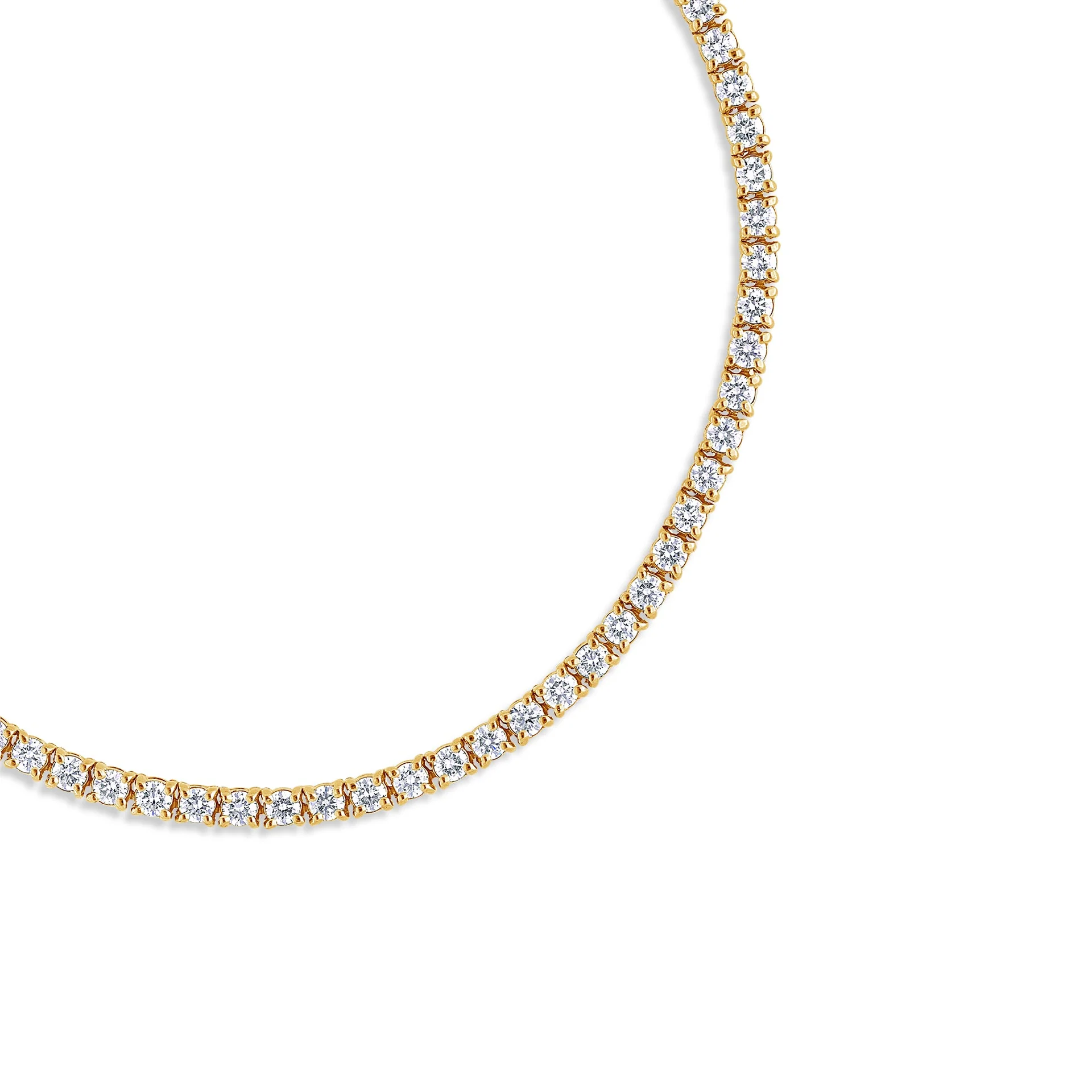
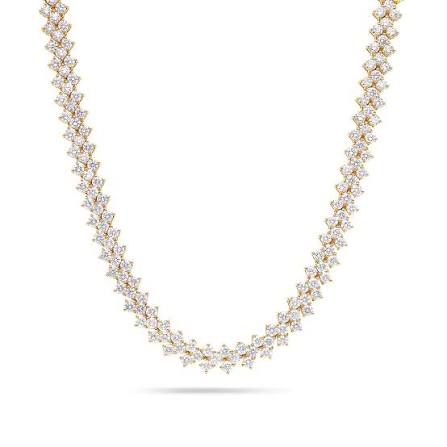
Choosing a tennis necklace OEM manufacturer requires more than comparing catalog photos and quoted prices. Buyers need to examine technical production capabilities before placing bulk orders. A tennis necklace contains many repeated stone settings across a flexible structure. Small dimensional differences can therefore become highly visible along the finished piece. Reliable suppliers should control metal preparation, stone calibration, setting pressure, polishing, plating, assembly, and final inspection. Their teams should also translate design files into practical production specifications. For B2B buyers, the supplier should provide clear information about materials, dimensions, tolerances, finishes, MOQ, sampling, and testing. A strong production process reduces uncertainty between the approved sample and bulk goods. This approach also makes later replenishment easier because the original specifications remain available for future production.
How Should You Evaluate a Tennis Necklace OEM Manufacturer’s Production Expertise?
Production expertise becomes visible when a factory explains how it controls structure rather than simply showing finished products. A tennis necklace normally uses individual stones connected through repeated settings and flexible links. Each setting must hold its stone securely while allowing the necklace to follow the curve of the neck. Stone height, spacing, link movement, and clasp alignment can affect the final drape. Suppliers should explain how they control these points during sampling and mass production. Jewelry quality practices emphasize loose stones, tilted stones, uneven spacing, weak clasps, and inconsistent plating as practical inspection concerns. Ask whether the factory uses microscopes, measurement tools, approved samples, and documented inspection checkpoints. Specific answers reveal more than general claims about craftsmanship. Buyers should also request production samples before committing to substantial quantities. Physical evidence can reveal structural limitations that remain invisible in digital product photographs.
Which Materials Matter Most for OEM Tennis Necklaces?
Material selection affects appearance, durability, production cost, and market positioning. A tennis necklace OEM manufacturer should clearly specify whether production uses brass, 925 sterling silver, or stainless steel. Brass can support cost-sensitive fashion collections and accepts decorative plating efficiently. Sterling silver provides a higher-value metal base but requires appropriate finishing and tarnish management. Stainless steel offers strong corrosion resistance and useful mechanical durability for everyday jewelry. Surface treatment also deserves detailed attention. Gold plating, rhodium plating, and other coatings require suitable surface preparation before deposition. Buyers should confirm the base metal, plating type, target thickness, color reference, and inspection method. A product listing alone cannot verify these specifications. For example, a set named Stainless Steel CZ Zircon Choker and Tennis Bracelet Set may require different production controls from a brass-based plated collection. The material decision should match the target market and expected wearing conditions. It should also match the expected retail positioning and required product lifespan.
How Can You Assess Stone Quality and Setting Precision?
Stone quality involves more than selecting stones with a high commercial grade description. Buyers should compare diameter, cut consistency, color, clarity, surface condition, and visual brightness across the complete batch. Cubic zirconia remains common in fashion jewelry because precise cutting can create strong optical performance at a lower material cost than diamonds. Commercial labels such as “AAA” do not represent one universal international grading system. Setting precision matters equally because attractive stones can create problems when seats or prongs vary. Production teams should check stone alignment, height, spacing, and security under magnification. A practical sample inspection should also flex the necklace gently and examine whether stones remain stable. Buyers should request matching reference stones when consistent appearance matters across multiple production batches. Consistent calibration helps maintain a uniform visual rhythm along the complete necklace.
What Should You Check in an OEM Sampling Process?
Sampling should reproduce the production conditions that will affect the final order. A supplier may begin with drawings, reference images, CAD files, or a physical sample. Engineers then convert those inputs into dimensions, stone specifications, metal requirements, and assembly details. The first sample should receive more than a visual review. Buyers should check necklace length, width, weight, stone alignment, clasp operation, link flexibility, edge smoothness, and surface finish. A practical production case from custom jewelry manufacturing shows how CAD optimization, material selection, prototyping, stone setting, finishing, and quality checks can operate as separate stages. This staged process allows technical problems to appear before large-scale production. Buyers should therefore approve physical samples before mass production. Any approved change should also become part of the written production specification. That record should identify the exact sample version and approved modifications.
How Does Manufacturing Capacity Affect Order Consistency?
Manufacturing capacity should be measured through process stability rather than factory size alone. A large facility can still produce inconsistent goods if production records and inspection controls remain weak. Buyers should examine available equipment, skilled labor, production scheduling, material sourcing, and quality personnel. The factory should also explain how it handles repeat orders after the original production run. Consistency becomes especially important for continuous stone jewelry because repeated settings amplify small differences. A change in stone diameter can alter spacing across dozens of positions. Different polishing pressure can create visible changes in surface reflection. Production planning should therefore reserve suitable materials and maintain the approved reference sample. Buyers should ask for realistic monthly capacity for the specific product category. They should also confirm peak-season lead times, sampling schedules, and replenishment procedures before signing a long-term supply arrangement.

What Quality Control Points Should Buyers Require?
A useful QC system checks the product at several stages rather than relying only on final inspection. Incoming materials should match approved metal and stone specifications. Production checks should then examine casting, forming, polishing, plating preparation, stone setting, and assembly. Final inspection should verify dimensions, appearance, clasp function, stone security, and packaging. AQL sampling can provide a structured acceptance method when both parties agree on defect classifications and sample sizes. Jewelry QC practices commonly separate incoming, in-process, and final inspection stages. Buyers should also distinguish critical, major, and minor defects. A missing stone may have greater commercial impact than a small polishing mark. Clear defect definitions prevent disputes because the supplier and buyer evaluate the same production reference. Inspection records should identify quantities checked, defect categories, corrective actions, and final acceptance results.
| QC Stage | Main Inspection Items | Buyer Evidence |
|---|---|---|
| Incoming Materials | Metal, stones, components, dimensions | Material records and samples |
| In-Process | Setting, polishing, assembly, plating | Inspection records |
| Pre-Final | Size, flexibility, clasp, stone security | Approved sample comparison |
| Final | Appearance, function, packaging | AQL or agreed inspection report |
How Do Quality Checks Affect Real Production Results?
A documented inspection system can prevent defects before they spread across an entire batch. For example, a stone-setting problem identified during an early production check can stop the same error from appearing across hundreds of units. The same principle applies to plating color, clasp dimensions, and link movement. A UK product safety report provides a clear reminder of why material verification matters. Authorities rejected a necklace set after testing found excessive cadmium and lead concentrations. The report stated that the product failed applicable REACH requirements. This case concerns a different necklace category, but its procurement lesson remains relevant. Buyers should verify material composition through appropriate testing when required. They should also connect test documents with actual production specifications instead of treating certificates as generic paperwork. Traceability becomes particularly important when suppliers manufacture several similar jewelry designs.
Which Compliance Documents Should an OEM Supplier Provide?
Compliance requirements depend on the destination market, product materials, and intended use. A tennis necklace OEM manufacturer should assess applicable requirements before production, especially for European markets and products containing regulated substances. Buyers supplying European markets may need to address REACH requirements and restrictions on substances such as certain heavy metals. Nickel release can also matter when jewelry remains in prolonged contact with skin. RoHS may apply in specific product contexts, although it should not automatically be treated as a universal jewelry requirement. Suppliers should therefore confirm the destination market before proposing tests. Useful documentation can include metal composition reports, coating information, nickel release results, and relevant chemical testing. Reports should identify the tested material or product clearly. A laboratory report for one unrelated product cannot automatically prove compliance for another design. Buyers should also verify report dates, laboratory identity, sample descriptions, and applicable limits. Clear documentation strengthens traceability throughout OEM production and reduces uncertainty during market compliance checks.
What Cost Factors Should Buyers Compare Before Ordering?
OEM pricing should be compared through a complete cost structure rather than one unit price. Metal type creates the first major difference because material value and processing requirements vary. Stone size and cut quality can also change material costs significantly. More stones increase setting labor, inspection time, and potential rejection points. Complex clasps, flexible links, custom molds, and special plating can further increase production expenses. Packaging and logo customization may add separate tooling or setup charges. Buyers should request quotations with the main variables listed individually. This makes supplier comparisons more meaningful and helps identify hidden cost differences. For example, a lower quotation may use thinner plating, lower-cost stones, simpler clasps, or a different base metal. A higher quotation may include tighter tolerances and additional inspection. Comparing specifications alongside price provides a more accurate commercial picture.
| Cost Factor | Typical Impact on OEM Pricing | What Buyers Should Confirm |
|---|---|---|
| Base Metal | Material value and processing | Alloy and material specification |
| Stones | Quantity, size, cut, consistency | Stone type and dimensions |
| Setting | Labor and structural complexity | Setting method and inspection |
| Plating | Surface preparation and coating | Plating type and specification |
| Tooling | Custom mold or fixture costs | Tool ownership and reuse |
| Packaging | Branding and packaging complexity | Materials and customization |
| MOQ | Setup and production efficiency | Quantity by SKU and finish |
How Do Customization Options Affect OEM Production?
Customization should cover technical specifications as well as visual branding. Buyers may request different necklace lengths, stone diameters, metal colors, base metals, clasp designs, and surface finishes. Some projects also require custom logos, packaging, inserts, barcode labels, or retail presentation. OEM production normally focuses on manufacturing according to the buyer’s defined specifications. ODM development can involve greater supplier participation in design development and product adaptation. Both models require technical feasibility checks before mass production. A requested stone-size change, for example, can affect setting dimensions and overall flexibility. A longer necklace can also require additional links and a different weight distribution. One private-label example illustrates the importance of technical customization: Gold Plated Brass Cross Pendant Necklace with Cubic Zirconia requires coordination between base metal, plating, pendant structure, and stone placement. Clear specifications prevent visual expectations from conflicting with production limits.
What Questions Should You Ask Before Placing an OEM Order?
Before approving a supplier, buyers should ask specific questions that reveal production capability. General statements about quality rarely provide enough evidence for a purchasing decision. The following checklist can create a more consistent supplier comparison:
- What base metals can you produce?
- Which stone options and sizes are available?
- Which setting methods do you use?
- What is the MOQ for each design?
- Can you provide pre-production samples?
- Which compliance tests can you support?
- How do you control plating consistency?
- How do you classify production defects?
- How do you handle defective units?
- Which design files can your engineering team process?
These questions should receive measurable answers whenever possible. Buyers can then record the responses alongside quotations and sample results. This process reduces the risk of selecting a supplier based only on communication speed or attractive product photos. Written answers also create useful reference points during later negotiations and production reviews. A structured questionnaire can make different factories easier to compare because every supplier responds to the same technical requirements. Buyers can then identify missing information before requesting final quotations.
How Can Buyers Build a Long-Term OEM Production Relationship?
Long-term cooperation depends on repeatable specifications and transparent communication. After approving the first sample, buyers should preserve measurements, materials, stone references, plating requirements, packaging details, and inspection standards. Every later modification should receive written approval before production begins. This practice prevents small changes from becoming undocumented production differences. Replenishment orders should reference the approved version instead of relying on memory or old product photos. Production feedback should also separate design problems from manufacturing problems. For example, a clasp may fail because of weak construction, incorrect dimensions, or unsuitable usage conditions. Each cause requires a different solution. A capable tennis necklace OEM manufacturer should therefore maintain technical records that support repeat production. Consistent documentation can reduce repeated sampling, shorten communication cycles, and improve batch-to-batch consistency over time.
The final evaluation should combine technical, commercial, quality, and compliance information. Buyers should examine material control, stone consistency, setting precision, sampling quality, production capacity, inspection procedures, testing support, customization, MOQ, pricing, and delivery planning. The supplier should also explain how it manages problems after shipment. Clear corrective-action procedures can be valuable when a batch contains recurring defects. Buyers should compare actual samples with written specifications rather than relying on marketing images. A tennis necklace OEM manufacturer should be able to connect product specifications with sampling, production, inspection, and replenishment procedures. The following framework provides a practical final review structure.
| Evaluation Area | Key Evidence | Main Risk if Missing |
|---|---|---|
| Materials | Specifications and test records | Incorrect composition |
| Stone Setting | Sample inspection and QC records | Loose or uneven stones |
| Sampling | Approved physical sample | Bulk variation |
| Production | Capacity and process information | Delayed orders |
| Compliance | Relevant laboratory reports | Market-entry problems |
| Customization | Technical feasibility confirmation | Design limitations |
| Pricing | Itemized quotation | Hidden costs |
| After-Sales | Corrective-action process | Difficult dispute resolution |
A final supplier assessment should connect technical evidence with commercial requirements. Price alone cannot show whether a production system can maintain consistent stone alignment or plating quality. Samples alone cannot prove compliance or long-term capacity. Documentation alone cannot replace physical inspection. Buyers can request a sample, inspect the construction, review production specifications, and confirm relevant testing before placing the bulk order. This sequence creates a practical bridge between design expectations and factory execution. It also gives both parties a common reference for future replenishment. For private-label jewelry programs, that reference becomes increasingly valuable as product variations and order quantities grow. A consistent evaluation process can also reduce repeated sampling and unnecessary production disputes.
FAQ
What Is the Typical MOQ for Tennis Necklace OEM Orders?
MOQ varies according to materials, production methods, customization, and tooling requirements. Existing factory designs often support lower quantities than completely new custom designs. A new mold can require additional setup costs before regular production begins. Stone type can also influence the minimum quantity because suppliers may need to purchase specific sizes or colors in batches. Buyers should request MOQ by SKU, metal color, stone option, and finish. A supplier may accept a mixed order while still requiring a minimum quantity for each individual variation. Packaging customization can create another minimum because printed materials often require separate production runs. Instead of asking only for one general MOQ, buyers should request a complete MOQ structure. This approach gives a clearer picture of the actual order commitment.
Can OEM Manufacturers Customize Stone Size and Necklace Length?
Many OEM jewelry manufacturers can customize stone size and necklace length, but each change requires technical review. Smaller stones may require different setting dimensions and closer spacing. Larger stones can increase weight and may require stronger structural support. Necklace length also affects the number of links and total material consumption. Buyers should confirm whether the supplier can maintain the same visual rhythm after changing dimensions. The clasp and extension chain may also need adjustment for longer or shorter versions. Sample approval remains important because numerical specifications cannot fully show flexibility and drape. Buyers should request the final dimensions, stone diameter, total length, approximate weight, and setting structure in writing. These details create a stable reference for bulk production and later replenishment orders.
What Should a Buyer Request Before Mass Production?
Before mass production, buyers should approve a physical sample and written production specification. The specification should identify base metal, dimensions, stone type, stone size, color, plating finish, clasp construction, packaging, and branding details. Quality requirements should also define acceptable defects and inspection procedures. Relevant compliance testing should be confirmed according to the destination market and material composition. Buyers should retain approved reference samples or documented production records for later comparison. Any change after approval should receive written confirmation before the factory continues production. This process helps prevent misunderstandings caused by revised drawings, updated photos, or informal messages. Buyers should also confirm production lead time, payment milestones, packaging quantities, and shipment terms. A clear pre-production record gives both sides a practical reference when reviewing the finished order.