What Makes Fashion Rhinestone Jewelry Wholesale Reliable?
-
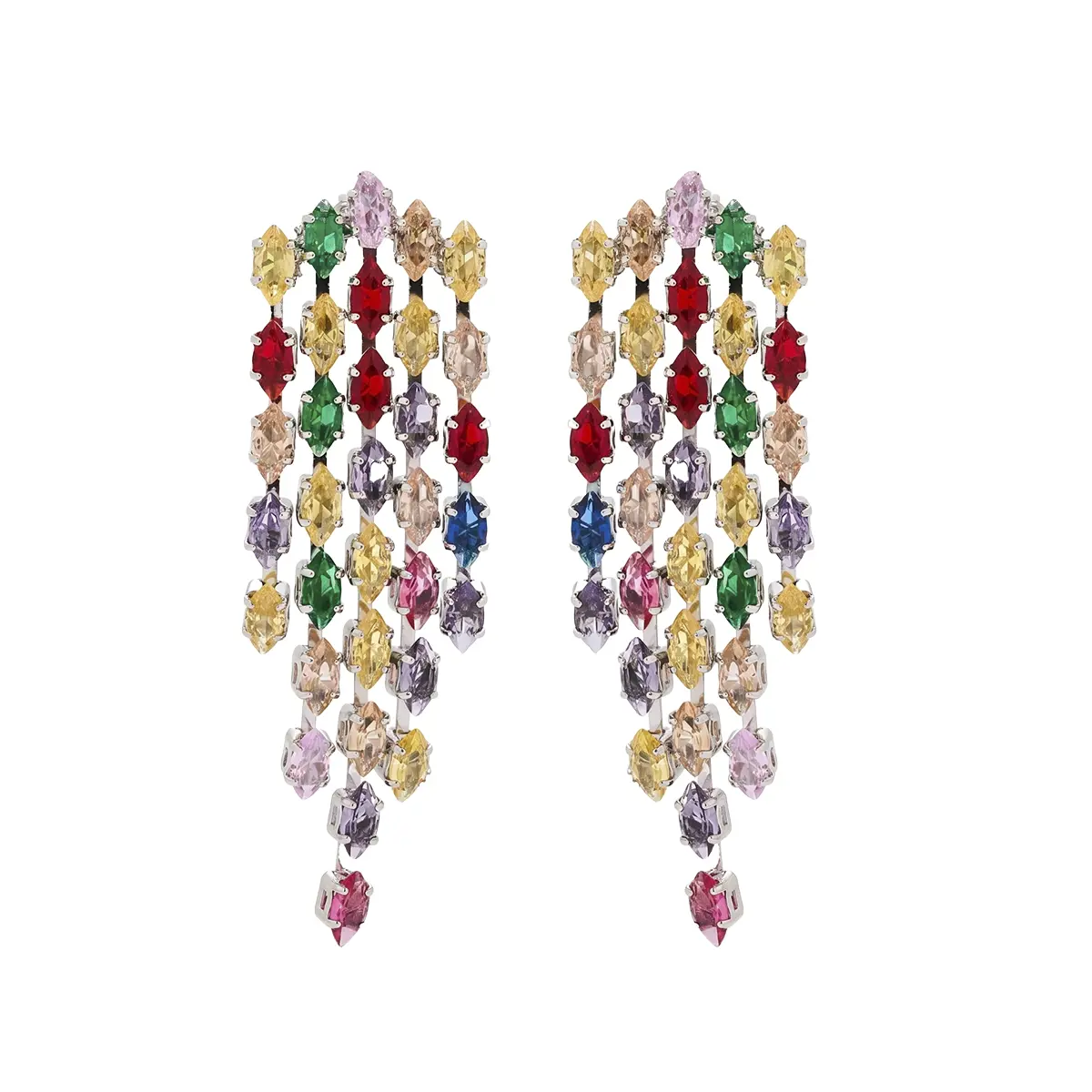
Fashion rhinestone jewelry wholesale depends on quality control, secure settings, materials, safe packaging, and stable production.
Fashion rhinestone jewelry wholesale requires consistent quality across materials, production, inspection, and delivery. Buyers need more than attractive samples and competitive quotations. They need stable stone quality, secure settings, accurate dimensions, and reliable finishing. Small defects can become expensive when they affect hundreds of units. A loose stone may create customer complaints, returns, and additional handling costs. Metal components also influence durability because clasps, chains, connectors, and posts receive repeated stress. Packaging creates another risk because friction can damage polished surfaces during transportation. Reliable sourcing therefore requires measurable standards before production begins. Buyers should compare physical samples with written specifications before confirming larger quantities. They should also establish inspection requirements before manufacturing starts. These controls create a clearer connection between approved samples and finished wholesale inventory.
Why Does Fashion Rhinestone Jewelry Wholesale Need Strong Quality Control?
Quality control begins with a precise definition of acceptable finished quality. Production teams should establish standards for stone placement, surface finish, dimensions, and component function. Visual inspection can identify obvious defects, while additional checks may reveal hidden problems. Workers should examine loose stones, uneven plating, sharp edges, and defective closures. Batch inspection becomes important when identical components appear across hundreds of pieces. For example, a buyer may approve one bracelet before ordering 1,000 units. If adhesive coverage varies during production, later pieces may lose stones during handling. A controlled inspection process can identify this problem before shipment. Buyers should request clear quality criteria before manufacturing begins. Approved samples, measurement tolerances, and packaging instructions provide useful references. Inspection records should identify production batches and checked quantities. These records create stronger accountability when buyers review repeat orders.
How Do Rhinestone Materials Affect Wholesale Jewelry Quality?
Rhinestone materials influence brilliance, weight, color consistency, and surface appearance. Glass stones can produce strong sparkle when manufacturers control cutting and polishing accurately. Acrylic stones can reduce weight and cost, but their optical performance differs from glass. Crystal-based materials can create sharper reflections through precise faceting and polishing. Buyers should compare clarity, edge definition, color stability, and reflective performance before approval. Surface scratches become noticeable under strong retail lighting. Color consistency also matters when matching pieces appear together in one display. Stone size affects setting requirements because larger pieces need suitable structural support. Suppliers should specify stone dimensions before mass production. Buyers can reduce disputes by approving physical samples instead of relying on digital images. They should also confirm whether replacement stones will match the original batch. Material specifications are especially important for repeat orders because substitutions can alter the final appearance.
What Should Buyers Check in Rhinestone Setting Methods?
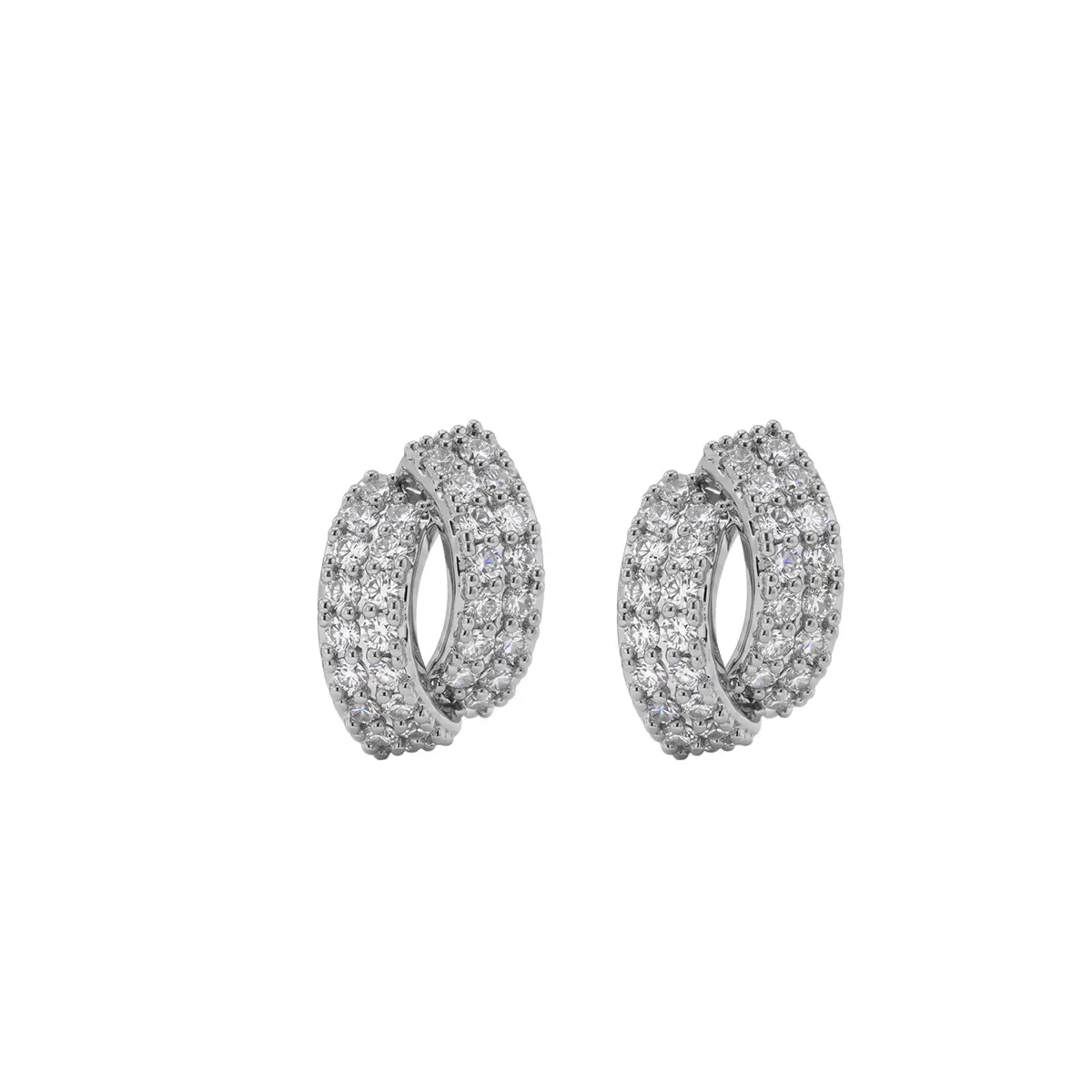
Setting methods determine how securely decorative stones remain attached during handling and wear. Prong settings hold stones through small metal projections around their edges. Adhesive settings depend on surface preparation, adhesive coverage, and curing conditions. Bezel structures surround stones with metal and provide additional physical support. Some designs combine mechanical and adhesive methods for added stability. Buyers should inspect whether stones move when applying controlled pressure to samples. They can also check whether edges remain aligned after repeated handling. One practical case involved a bulk earring order with loose stones after packaging. Inspection showed inconsistent adhesive coverage beneath the affected stones. The rhinestones themselves met the required appearance standard, but the attachment process lacked consistent control. This example shows why buyers should evaluate the complete setting method. For fashion rhinestone jewelry wholesale, buyers should verify attachment strength alongside visual quality before approving bulk production.
How Can Production Consistency Support Wholesale Orders?
Production consistency determines whether finished units match the approved sample. Important variables include stone position, bracelet length, metal thickness, plating appearance, and component dimensions. Skilled workers can reduce variation, but standardized procedures provide additional control. Production teams can use templates, fixtures, gauges, or positioning tools where appropriate. These methods help maintain consistent placement during larger production runs. First-piece inspection can identify problems before workers continue with the full batch. In-process checks then confirm whether production remains within agreed tolerances.
Final inspection should cover appearance, function, quantity, and packaging. Buyers should also examine how suppliers manage repeat orders. A successful first shipment does not automatically guarantee identical results months later. Production records can preserve approved material specifications and workmanship requirements. This approach becomes valuable for retailers that reorder successful designs throughout multiple selling seasons. Consistent records also reduce confusion when different workers handle future production batches.
Which Quality Checks Matter Before Bulk Shipment?
A practical pre-shipment inspection should cover appearance, structure, function, and quantity. Buyers can organize the process around several measurable checkpoints:
- Rhinestone placement and alignment
- Stone attachment and movement
- Metal surface condition
- Plating consistency
- Clasp and fastening performance
- Product dimensions and weight
- Quantity accuracy
- Individual packaging protection
| Inspection Area | What to Check | Common Risk |
|---|---|---|
| Rhinestones | Placement, alignment, clarity, and surface condition | Uneven appearance or damaged stones |
| Stone Setting | Attachment strength and movement | Loose or displaced stones |
| Metal Components | Edges, thickness, finish, and exposed base metal | Deformation or surface defects |
| Closures | Opening, closing, and repeated fastening | Weak or unreliable fastening |
| Dimensions | Length, width, weight, and component size | Inconsistent product specifications |
| Packaging | Individual protection and product separation | Scratching or transportation damage |
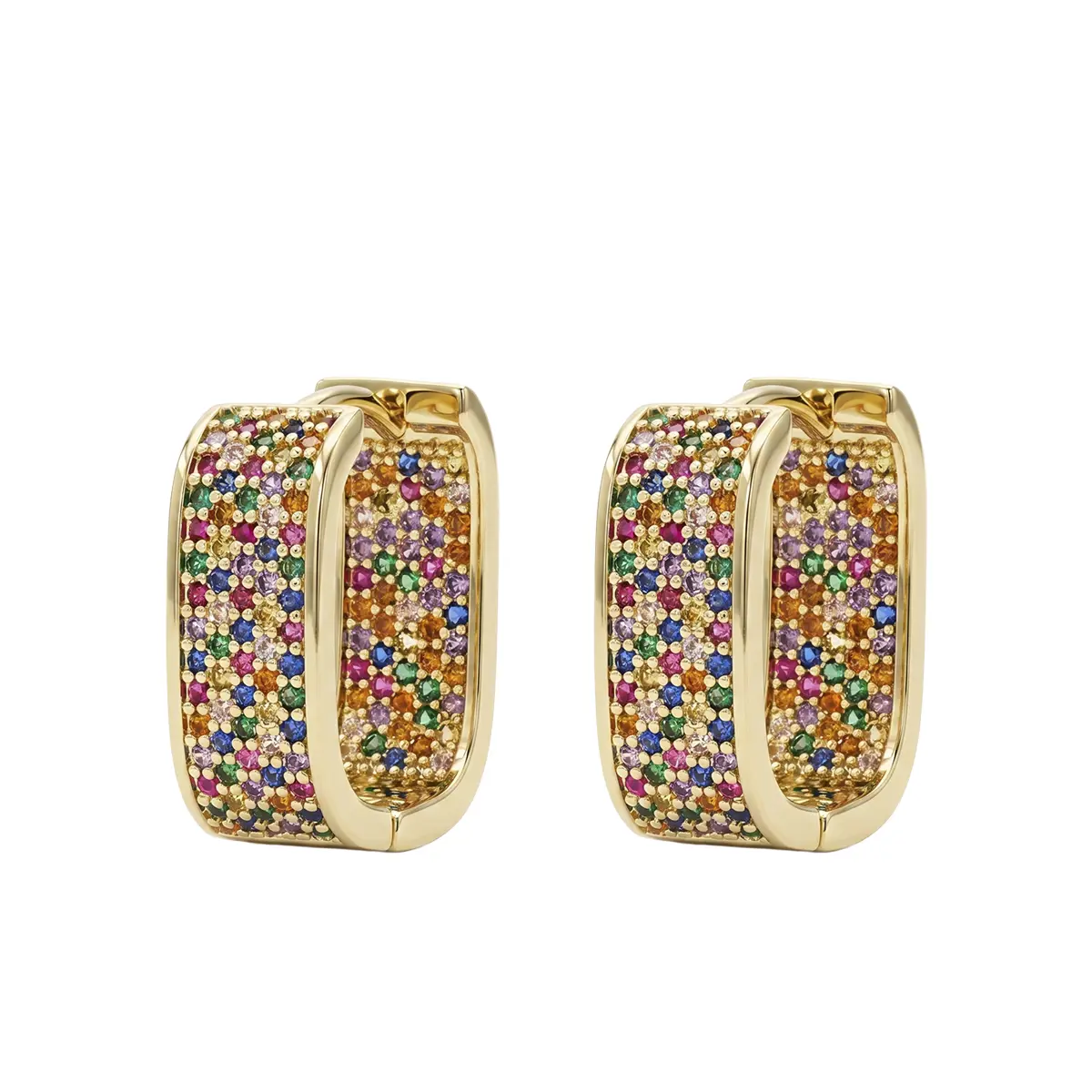
These checkpoints become more useful when buyers define acceptable tolerances before production. For example, a buyer may specify maximum variation for bracelet length or component thickness. Similar limits can apply to visible stone alignment and surface defects. Inspection records should identify the production batch and checked quantity. Photographs can provide additional evidence when buyers cannot inspect products personally. Random sampling may reveal recurring defects that individual sample checks miss. The inspection method should match product complexity and commercial risk. Higher-value designs may require more detailed checks before shipment. Clear criteria create a shared reference between buyers and suppliers. They also make corrective action easier when defects exceed agreed limits. A documented inspection process can therefore reduce subjective disagreements during final approval.
How Do Metal Components Influence Jewelry Reliability?
Metal components affect structural strength, comfort, appearance, and long-term usability. A rhinestone bracelet may contain chains, jump rings, clasps, connectors, and decorative settings. Each component needs suitable dimensions for its intended function. Thin connectors can deform under excessive force, while weak jump rings may open when caught on clothing. Ear posts also require smooth surfaces because rough edges can affect wearing comfort. Plating quality influences appearance and surface protection, so buyers should inspect color, coverage, adhesion, and exposed base metal. Material selection matters because different alloys provide different mechanical and finishing properties. Stainless steel offers useful corrosion resistance and structural strength. Copper-based alloys can support complex shapes and decorative finishes when processed correctly. Product requirements should determine material selection rather than appearance alone. Documentation should identify applicable material and coating requirements. Fashion rhinestone jewelry wholesale also requires suitable metal specifications to support finished-product durability.
Why Does Sampling Matter Before Large Jewelry Orders?
Sampling provides a physical reference before buyers approve larger production quantities. A suitable sample should represent the planned materials, dimensions, finishing, and setting methods. Buyers should avoid approving samples that use temporary components or substituted stones. Such substitutions can create differences between the approved sample and final shipment. A practical case involves a bracelet with accurate stone spacing during sampling. During mass production, inconsistent positioning makes some finished pieces visibly different. The supplier may still consider those variations acceptable without a documented tolerance. Buyers can reduce this problem by confirming measurements and visual standards during approval. The approved sample should remain available during production and final inspection. Buyers can also request photographs of early production units before completing the full quantity. These checkpoints allow corrections while changes remain manageable. Sampling therefore connects design expectations with measurable production requirements. It also creates stronger evidence when buyers evaluate future repeat orders.
How Should Buyers Evaluate Supplier Production Capacity?
Production capacity should be evaluated through processes rather than factory size alone. Buyers can examine equipment, workforce organization, quality personnel, material control, and production scheduling. A supplier handling detailed rhinestone designs needs suitable setting and finishing capabilities. Capacity also includes maintaining consistent standards during peak production periods. A factory may complete a small order successfully but struggle with larger quantities. Buyers should therefore ask how production lines manage comparable bulk orders. They can request information about sampling, manufacturing, inspection, and packaging lead times. Repeat orders require another layer of capacity because previous specifications must remain accessible. Reliable production systems preserve material information and approved product references. Such records reduce confusion when buyers place another order months later. Communication capacity also matters when specifications or quantities change. Fast clarification can prevent material substitutions and production delays. Buyers should therefore evaluate operational organization alongside nominal production volume.
| Capacity Factor | What Buyers Should Review | Why It Matters |
|---|---|---|
| Equipment | Setting, finishing, plating, and production equipment | Supports consistent processing across larger orders |
| Workforce | Production roles, skilled operators, and quality personnel | Helps maintain stable output and inspection standards |
| Material Control | Material records, approved components, and replacement procedures | Reduces unexpected material substitutions |
| Production Scheduling | Lead times, batch planning, and peak-season capacity | Helps prevent delays during high-volume periods |
| Quality Control | First-piece, in-process, and final inspections | Reduces variation throughout production |
| Repeat Orders | Archived samples, specifications, and production records | Supports consistency across future shipments |
What Should a Wholesale Inspection Checklist Include?
A structured checklist helps buyers evaluate products using consistent criteria. The following table separates inspection areas from common production risks.
| Inspection Area | What to Check | Common Production Risk |
|---|---|---|
| Rhinestones | Clarity, color, size, alignment, and surface condition | Color variation, scratches, or inconsistent placement |
| Stone Setting | Attachment strength, positioning, and movement | Loose stones or uneven settings |
| Metal Components | Surface finish, dimensions, edges, and structural strength | Deformation, sharp edges, or exposed base metal |
| Plating | Color, coverage, adhesion, and surface consistency | Uneven color, peeling, or incomplete coverage |
| Closures | Clasp function, opening resistance, and repeated operation | Weak closures or deformation during use |
| Dimensions | Length, width, thickness, weight, and component size | Dimensional variation between production batches |
| Packaging | Individual protection, separation, and carton arrangement | Scratches, tangling, pressure damage, or loose stones |
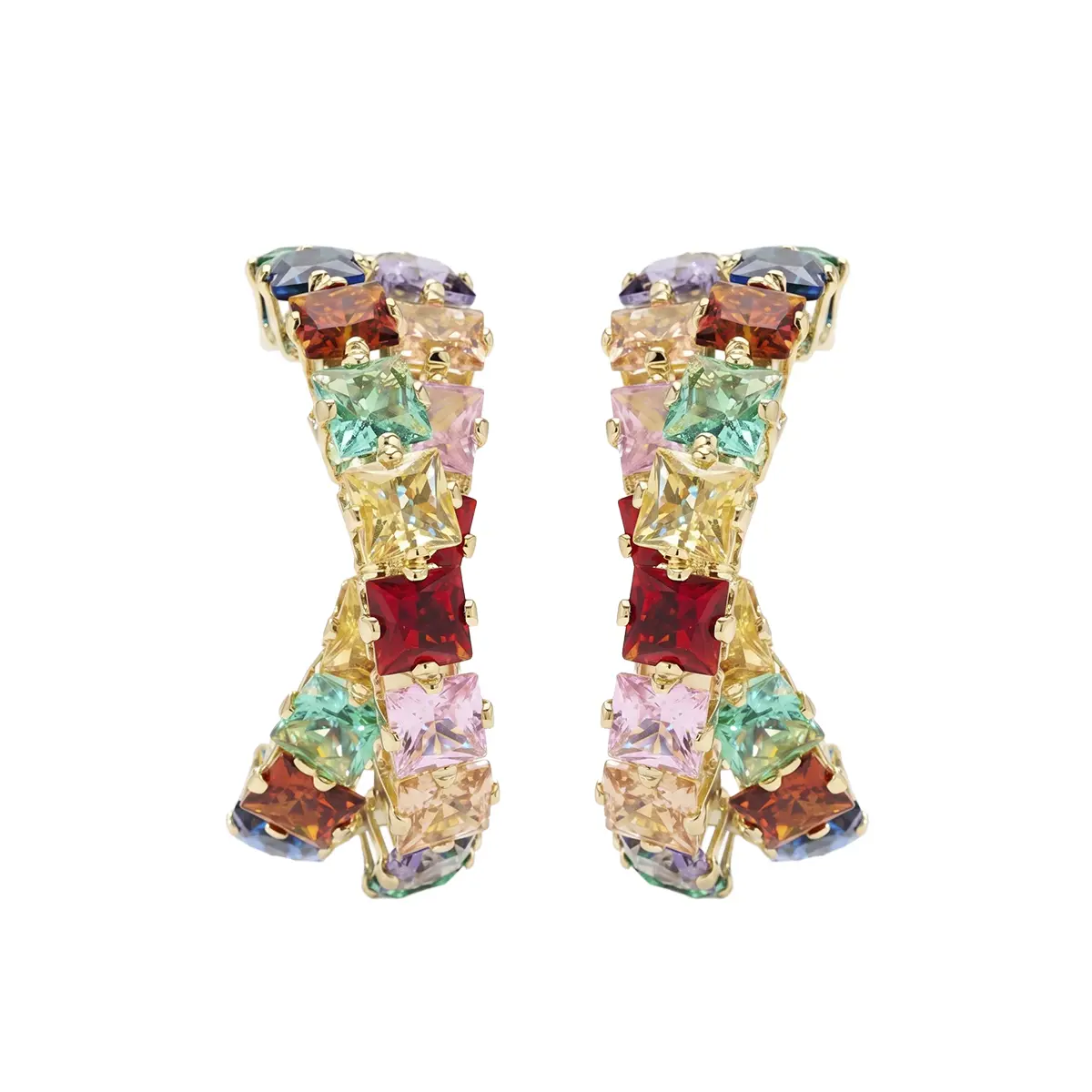
Each inspection category addresses a different failure point. Rhinestone checks focus on visual consistency and stone condition. Setting checks focus on attachment security and positioning. Metal checks identify structural or finishing problems that can affect usability. Closure tests matter because mechanical parts receive repeated stress during use. Dimensional checks help retailers maintain consistent product presentation. Packaging checks address risks that may appear after manufacturing ends. Buyers can adapt the checklist according to product complexity and order value. They should record agreed tolerances before production begins. A clear checklist reduces subjective disagreements because both parties share the same reference. This process becomes increasingly useful when several designs appear within one purchase order. Consistent documentation also simplifies comparisons between current and future production batches.
How Does Packaging Affect Fashion Rhinestone Jewelry Wholesale?
Packaging protects finished jewelry from friction, pressure, moisture, and accidental impact. Rhinestones can scratch nearby metal surfaces when pieces move freely during transportation. Chains can also become tangled, creating pressure around delicate settings. Individual bags, compartments, cards, trays, or protective inserts can reduce these risks. Packaging materials should match product structure and shipping conditions. A lightweight bracelet may need different protection from a heavier statement necklace. One common problem occurs when decorative pieces arrive with scratches despite passing factory inspection. Investigation may reveal that several pieces rubbed against each other inside one carton. The manufacturing process may remain acceptable while packaging creates the final defect. Buyers should therefore approve packaging samples before shipment. They should also check carton arrangement, internal protection, and product separation. Packaging standards should form part of the purchase specification. For fashion rhinestone jewelry wholesale, suitable packaging helps protect decorative surfaces and attachment points throughout transportation.
How Can Buyers Verify Fashion Rhinestone Jewelry Wholesale Claims?
Verification requires evidence connecting supplier statements with physical products and production records. Buyers can compare samples against declared materials, dimensions, finishing, and component specifications. Production photographs can provide useful information, but physical samples offer stronger evidence of workmanship. Buyers should also confirm whether the same materials will remain available throughout production. Substitutions can change color, weight, shine, or mechanical performance. Quality records can show whether suppliers perform incoming material checks and final inspections. For customized products, approved drawings can clarify details that photographs cannot capture. A buyer sourcing a Stainless Steel Heart Bracelet with White Rhinestone Details may need confirmation of its actual metal specification. Stone dimensions and closure construction should also appear in the product specification. These details should not depend on informal communication. Verification becomes stronger when multiple forms of evidence support the same production claim. This helps buyers distinguish repeatable manufacturing capability from isolated sample quality.
What Makes a Long-Term Supplier Dependable for Repeat Orders?
Long-term reliability depends on repeatable processes across materials, production, inspection, packaging, and communication. Buyers should evaluate whether suppliers maintain specifications after the first shipment. They should also monitor recurring defects rather than focusing only on isolated incidents. A supplier that records production problems can identify recurring causes and improve later batches. Communication should remain clear when materials, quantities, or delivery dates change. Buyers also need procedures for defective units and replacement requirements. Repeat-order consistency provides another useful reference. If the same design changes noticeably between shipments, retailers may face inconsistent displays and customer complaints. For example, an OEM Three-Layer Colorful Crystal Rhinestone Gold Plated Bead Bracelet requires controlled color, bead arrangement, plating, and rhinestone placement. Suppliers should document these specifications and use them during repeat production. Long-term cooperation therefore depends on measurable requirements, consistent execution, and clear communication. Fashion rhinestone jewelry wholesale becomes more dependable when suppliers maintain these controls across repeated production cycles.
FAQ
How do buyers check rhinestone jewelry quality before ordering?
Buyers should begin with a physical sample that matches the planned production materials. Check rhinestone clarity, color, cutting, alignment, and attachment security. Examine metal edges, clasps, chains, and connectors for visible defects. Measure important dimensions and compare them with supplier specifications. Buyers should also test closures several times to identify weak mechanisms. Packaging deserves attention because transportation can damage acceptable products. For larger orders, buyers can request pre-production samples and early production photographs. A documented inspection checklist creates a consistent reference for both parties. Sampling alone cannot guarantee every unit will match. Final inspection should therefore verify appearance, quantity, dimensions, and packaging before shipment. These checks can reduce avoidable quality disputes. They also provide useful evidence if corrective action becomes necessary.
What affects the price of wholesale rhinestone jewelry?
Wholesale pricing depends on materials, construction, order quantity, finishing, customization, and packaging. Rhinestone type can affect both appearance and material cost. Larger stones or complex faceting may require more expensive components. Metal selection also influences weight, finishing, and production requirements. Intricate settings usually require additional labor and tighter process controls. Custom molds, special colors, unique components, and branded packaging can add development expenses. Order quantity can influence unit pricing because setup costs spread across more pieces. Packaging requirements also affect labor and material consumption. Buyers should compare quotations using matching specifications rather than unit prices alone.
A lower quotation may reflect different stone quality, metal thickness, plating, or packaging. Clear specifications allow buyers to compare suppliers under equivalent conditions. This method provides a more practical basis for evaluating wholesale quotations.
How can buyers reduce risks in bulk rhinestone jewelry orders?
Risk reduction starts before production begins. Buyers should confirm materials, dimensions, stone specifications, finishing, packaging, and tolerances in writing. An approved sample should represent the actual production standard. Buyers can request confirmation before suppliers substitute materials or components. Inspection should occur during production and before shipment when order value justifies additional controls. Sampling quantities should reflect product complexity and commercial risk. Packaging tests can identify scratching, tangling, crushing, or loose-stone problems. Buyers should also retain photographs and inspection records for future repeat orders. Clear corrective procedures can simplify handling when defects exceed agreed limits. Repeat orders benefit from preserved specifications because verbal descriptions may create ambiguity later. Reliable purchasing therefore combines technical requirements with practical verification. The objective is consistent commercial inventory rather than attractive samples alone.