
How Can A Custom Rhinestone Jewelry Supplier Help?
-
Custom rhinestone jewelry supplier services covering design, material selection, sampling, quality control, and scalable jewelry production.
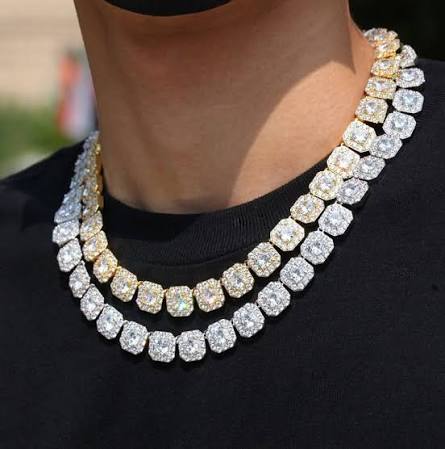
A custom rhinestone jewelry supplier can support far more than basic jewelry manufacturing. B2B buyers often need help converting visual concepts into repeatable products. That process involves design review, material selection, sampling, production planning, and quality inspection. Suppliers with internal development teams can evaluate whether a design suits the intended manufacturing process. They can also identify structural problems before bulk production begins. For example, a buyer may provide a reference image with closely packed stones and a thin metal frame. The supplier can assess whether the frame provides enough support during assembly. This early review reduces unnecessary sampling and production adjustments. Buyers also gain clearer cost information because material choices and manufacturing processes receive evaluation before production starts.
How Does Custom Design Support Improve Rhinestone Jewelry Development?
Custom development usually begins with drawings, photographs, physical samples, or digital artwork. Engineers then convert these references into dimensions that production teams can follow. Stone diameter affects both visual density and the available surface area. Meanwhile, stone spacing influences sparkle, weight, and assembly difficulty. A dense arrangement may create stronger visual impact, but it can increase labor requirements. Metal thickness also requires careful consideration because thin structures can deform during handling. A professional supplier can recommend practical adjustments without changing the main design concept. For instance, a bracelet with repeated rhinestone patterns may require consistent stone positioning across every segment. Production drawings can define these positions before tooling or assembly begins. This process gives buyers greater control over appearance and repeatability.
Which Rhinestone Materials and Settings Matter Most?
Rhinestone quality depends on more than surface brightness. Glass stones usually provide clear optical performance when their cutting geometry remains consistent. Different facets can create different reflections under direct and ambient lighting. Stone color also matters because plated metal can change the perceived tone of transparent or colored stones. Setting methods require equal attention. Glue bonding works well for some lightweight decorative structures, while mechanical settings can provide stronger retention. Prong settings require precise positioning because uneven pressure may damage smaller stones. Metal bezels can create a cleaner outline around individual stones. Buyers should also consider how frequently the jewelry will experience friction. A necklace used for occasional events has different requirements from jewelry intended for repeated retail wear.
Can Sampling Reduce Risks Before Bulk Production?
Sampling provides a practical checkpoint before manufacturers commit to larger quantities. Buyers can evaluate dimensions, stone placement, metal color, surface finish, weight, and overall proportions. A physical sample also reveals issues that drawings may not show clearly. One realistic purchasing scenario involves a buyer developing a rhinestone accessory collection for seasonal retail distribution. The first sample showed slight spacing differences between repeated stone rows. Engineers adjusted the positioning file and modified the assembly reference before approval. The revised sample produced a more consistent appearance across the full pattern. Such changes are easier to manage before bulk production begins. A custom rhinestone jewelry supplier can therefore use sampling as a production verification stage rather than treating it as a simple presentation step.
What Should Buyers Check During Rhinestone Jewelry Quality Inspection?
Quality inspection should focus on measurable characteristics rather than general appearance alone. Buyers can define acceptance criteria before production starts. Those criteria can cover stone retention, surface finish, dimensions, plating consistency, and structural strength.
- Check whether stones remain firmly attached after handling.
- Verify repeated dimensions against the approved sample.
- Inspect metal surfaces for scratches, burrs, and uneven polishing.
- Compare plating color against the approved reference.
- Check stone placement across repeated decorative patterns.
- Confirm packaging protects finished pieces during transportation.
These checks become especially important for repeated production because small differences can multiply across hundreds of pieces. Inspection teams should compare finished goods with approved samples and documented specifications. Clear records also help buyers identify whether a problem comes from materials, assembly, plating, or handling. This approach creates a more traceable quality process.
What Production Processes Affect Custom Rhinestone Jewelry?
Manufacturing complexity depends heavily on the structure of each jewelry design. Stamping works efficiently for suitable metal components with consistent outlines. Casting can create more complex three-dimensional shapes, especially when the design contains curved surfaces. CNC machining may support precise metal components when dimensional accuracy becomes critical. Polishing removes surface irregularities before plating or other finishing treatments. Electroplating then creates the required surface color and appearance. Stone setting follows different requirements depending on the selected construction method. Each operation can influence the next stage. Poor polishing may remain visible beneath plating, while inaccurate stone positioning can disrupt a repeated pattern. Production teams should therefore coordinate processes rather than treating each production stage independently.
How Can A Custom Rhinestone Jewelry Supplier Control Custom Jewelry Costs?
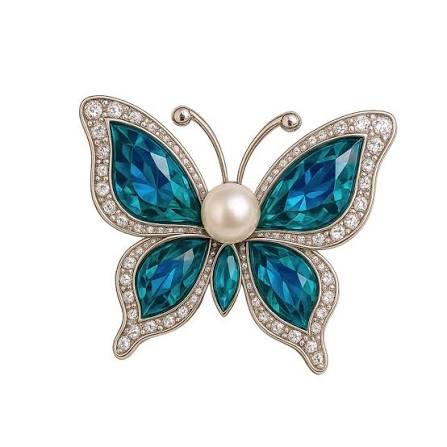
Cost control starts with the relationship between design complexity and manufacturing requirements. Metal weight directly affects material consumption and shipping weight. Stone size changes both material usage and assembly time. Dense patterns can also increase positioning and setting labor. Tooling costs may become relevant when a design requires dedicated molds or stamping dies. Buyers can control these variables without removing the main decorative concept. For example, designers may reduce unnecessary metal thickness while preserving structural strength. They can also standardize stone sizes across several related products. This reduces material variation and simplifies purchasing. A custom rhinestone jewelry supplier can compare different construction options before production. Such comparisons help buyers see how design decisions affect unit cost, development expense, and production efficiency.
What Should Buyers Confirm About Metal Bases and Plating?
Metal selection influences strength, weight, corrosion resistance, and finishing performance. Stainless steel offers useful structural strength and can support durable jewelry constructions. Zinc alloys allow detailed casting and complex decorative shapes. Brass provides good machinability and works with various surface finishing processes. Each material requires appropriate preparation before plating. Cleaning and polishing remove contaminants that could interfere with coating adhesion. The plating system also determines the final appearance and surface performance. Buyers should specify the required metal color, finish, and inspection criteria before approval. Compliance requirements may also depend on the destination market. Nickel release, restricted substances, and metal composition can require documented testing. These requirements should enter the product specification early rather than after bulk production.
How Does Custom Rhinestone Jewelry Support Collection Development?
Jewelry collections often need visual consistency across different product categories. A buyer may develop matching necklaces, bracelets, earrings, and decorative accessories for one seasonal range. Shared stone colors can connect different products without making every design identical. Metal finishes provide another way to establish consistency across a collection. A practical example involves a seasonal accessory range using clear stones with the same warm metallic finish. The buyer can then vary silhouettes while maintaining a recognizable visual language. Another useful strategy involves repeating one stone size across several designs. This simplifies material purchasing and can reduce unnecessary inventory variation. A custom rhinestone jewelry supplier can coordinate these details across multiple product specifications. Collection planning therefore becomes more manageable when product development considers the entire range.
What Can Buyers Expect From Production Support for Bulk Orders?
Bulk production requires coordination between approved samples, material purchasing, assembly, inspection, and packaging. A supplier should maintain clear specifications for each production stage. Buyers should also define acceptable tolerances for dimensions and appearance. The following table summarizes common production support areas.
| Production Area | Key Buyer Concern | Typical Control Point |
|---|---|---|
| Design Development | Accurate visual interpretation | Approved drawings |
| Material Selection | Consistent metal and stone quality | Material specifications |
| Sampling | Correct size and appearance | Approved reference sample |
| Stone Setting | Secure and consistent placement | Visual and handling checks |
| Plating | Stable color and surface finish | Color and surface inspection |
| Final Inspection | Consistent finished quality | Sampling or defined inspection plan |
Each control point protects a different part of the finished product. Design documents establish what production should create. Material specifications control the components entering production. Approved samples provide a physical reference for appearance and proportions. Meanwhile, final inspection checks whether finished goods match those requirements. Buyers can also request production updates when an order contains multiple designs or complicated stone arrangements. Clear communication becomes especially valuable when delivery schedules involve several production batches. This structure helps reduce confusion between development decisions and manufacturing execution.
How Can Buyers Prepare Files for Custom Rhinestone Jewelry?
Good production files make technical communication faster and more precise. Buyers should provide reference images with clear views of the front, back, and side whenever possible. Dimension drawings should identify overall length, width, thickness, and important connection points. Stone specifications should include size, color, shape, and placement requirements. Metal information should cover the preferred material, finish, and plating color. Buyers should also identify expected order quantities because production methods may change with volume. Packaging requirements deserve attention when pieces contain exposed stones or delicate structures. Suppliers can evaluate these details more efficiently when information remains organized. Missing dimensions often lead to additional questions and sample revisions. A complete specification reduces ambiguity before the production team begins detailed development.
Why Does Production Communication Matter in Custom Jewelry?
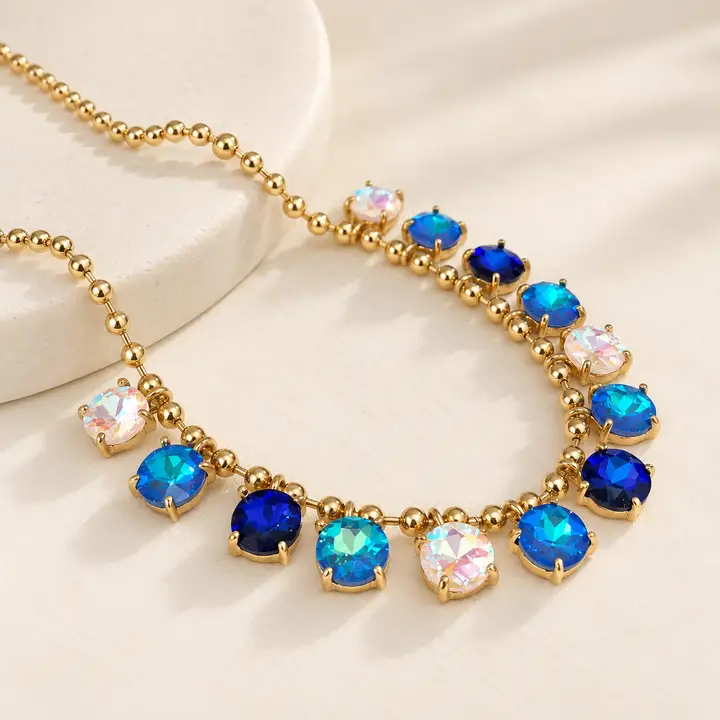
Production communication affects consistency as much as manufacturing equipment does. Designers, engineers, purchasing teams, production workers, and inspectors need the same approved information. Changes should receive clear documentation rather than relying on informal conversations. Color references should identify the required finish and remain connected to the approved sample. Stone placement drawings should show repeated patterns and important measurements. Engineering files should also record revisions so production teams avoid outdated specifications. One useful example involves a bracelet containing multiple repeated rhinestone sections. If one section changes during development, the updated drawing should identify whether the change applies to every section. A custom rhinestone jewelry supplier can reduce production errors by maintaining controlled specifications throughout development. Clear communication also helps buyers review samples against the correct requirements.
What Makes a Custom Rhinestone Jewelry Supplier Suitable for B2B Projects?
B2B buyers normally evaluate several operational factors before placing recurring orders. Design capability matters when products require original structures or modified existing concepts. Sampling capability matters because physical verification can expose problems before production. Material control affects appearance, durability, and repeatability between batches. Production capacity becomes relevant when several designs require simultaneous manufacturing. Quality systems provide another important checkpoint because decorative jewelry contains many visible details. Buyers should also examine how suppliers manage revisions and approved samples. One practical product development example is an OEM Three-Layer Colorful Crystal Rhinestone Bead Bracelet. Such a design requires coordinated bead arrangement, color consistency, and secure assembly. The supplier must translate those requirements into repeatable production steps. B2B suitability therefore depends on coordinated capabilities rather than one isolated manufacturing feature.
How Should Buyers Evaluate Supplier Capabilities Before Ordering?
Supplier evaluation should connect technical requirements with actual production evidence. Buyers can request representative samples that show comparable stone density or metal construction. They can also ask about available finishing processes and inspection procedures. Production capacity should match the expected order volume and delivery structure. Communication practices deserve attention because repeated revisions can affect development schedules. Documentation is another useful indicator. Clear specifications, sample records, and inspection standards create traceability throughout production. Buyers should avoid evaluating suppliers only through product photographs because images rarely reveal structural details or process controls. A custom rhinestone jewelry supplier should be able to explain how the requested design moves from concept to finished goods. For example, a Stainless Steel Heart Bracelet with White Rhinestone Details requires coordination between metal forming, surface finishing, stone placement, and final inspection.
Frequently Asked Questions
How Does Custom Rhinestone Jewelry Production Usually Work?
Custom production normally starts with design references and technical requirements. The supplier reviews dimensions, materials, stone specifications, and expected quantities. Engineering teams then assess the design and identify practical production methods. Sampling follows after the main specifications become clear. Buyers review the physical sample and request necessary changes. Production begins after the final sample receives approval. Material preparation, forming, polishing, plating, stone setting, assembly, and inspection may follow. The exact sequence depends on the jewelry structure and selected materials. Complex designs may require additional sampling because several components must work together. Buyers should also confirm packaging and inspection requirements before production starts. Clear approval records help ensure the final order follows the agreed specifications.
How Long Does Custom Rhinestone Jewelry Production Take?
Production time depends on design complexity, material availability, sampling requirements, and order quantity. Simple designs may require fewer development stages than detailed multi-component jewelry. Custom molds or stamping dies can add preparation time before sampling. Material shortages can also affect the schedule when specific stones or metal finishes require special sourcing. Sampling revisions create another variable because each modification may require additional production work. Bulk manufacturing then depends on order quantity and factory scheduling. Buyers should request a timeline based on their actual design rather than relying on a generic production estimate. They should also separate development time from bulk manufacturing time. This distinction creates a clearer schedule for approvals, material preparation, production, inspection, and shipment.
What Questions Should Buyers Ask Before Placing a Custom Order?
Buyers should ask about material options, stone specifications, plating processes, sampling procedures, and quality controls. They should confirm whether the supplier can work from drawings, reference products, or digital artwork. Questions about minimum order quantities can clarify whether the proposed production method suits the project. Buyers should also ask how sample revisions affect development costs and scheduling. Inspection procedures deserve attention when products contain many small decorative components. Packaging requirements should receive confirmation before bulk production begins. For regulated markets, buyers should ask which material and compliance documents can support the order. Clear questions help both parties identify technical requirements before production starts. They also create a stronger basis for comparing supplier capabilities without relying only on finished-product photographs.