What Is MOQ in Jewelry Manufacturing? How to Reduce Minimum Order Quantity for Custom Jewelry
Starting a jewelry brand is exciting—but for many entrepreneurs, the first obstacle isn’t design, marketing, or sales.
It’s MOQ.
After spending weeks finding the right jewelry manufacturer, many buyers receive a quotation only to discover they must order hundreds or even thousands of pieces before production can begin.
For startups, boutique retailers, and independent jewelry brands, this can be discouraging.
The good news is that MOQ is not always fixed.
Many professional jewelry manufacturers now offer flexible production solutions, especially for brands testing new products or launching their first collection.
In this guide, we’ll explain:
- What MOQ means
- Why manufacturers require minimum order quantities
- What affects MOQ
- How to negotiate lower MOQs
- How startups can successfully work with Chinese jewelry manufacturers
By understanding how MOQ works, you’ll be able to reduce inventory risk, improve cash flow, and build a more efficient sourcing strategy.
What Does MOQ Mean?
MOQ stands for Minimum Order Quantity.
It refers to the smallest quantity of products a manufacturer is willing to produce in a single order.
For example:
A factory may require:
- 300 necklaces
- 200 rings
- 500 earrings
before beginning production.
MOQ helps manufacturers keep production efficient while controlling costs.
Without a minimum production volume, factories may spend more money setting up production than they earn from the order.
Why Do Jewelry Manufacturers Have MOQ?
Many first-time buyers believe MOQ exists simply to increase profits.
In reality, MOQ is based on manufacturing economics.
Every custom jewelry order requires preparation before production begins.
Even if you order only 20 pieces, the factory still needs to complete many of the same steps required for 2,000 pieces.
These include:
- Product evaluation
- CAD drawing
- Mold development
- Material purchasing
- Machine setup
- Production planning
- Quality inspection
- Packaging preparation
These fixed costs are spread across the total number of products.
The larger the order, the lower the manufacturing cost per piece.
This is why MOQ exists.
The Main Factors That Determine MOQ
Not all jewelry products have the same MOQ.
Several factors influence the minimum order quantity.
1. Product Complexity
Simple jewelry designs usually require lower MOQs because production is faster and less labor-intensive.
Examples include:
- Plain chain necklaces
- Simple hoop earrings
- Basic bracelets
More complex products often require higher MOQs.
For example:
- Multi-part pendants
- Stone-setting designs
- Hinged bracelets
- Charm collections
The more production steps involved, the higher the setup cost.
2. Mold Development Costs
Custom jewelry usually requires a dedicated mold.
Developing a mold involves:
- CAD engineering
- Wax printing
- Mold making
- Testing
These costs remain almost the same regardless of whether you produce 50 or 5,000 pieces.
Therefore, manufacturers often establish a minimum order quantity to recover tooling costs.
3. Material Selection
Different materials require different production methods.
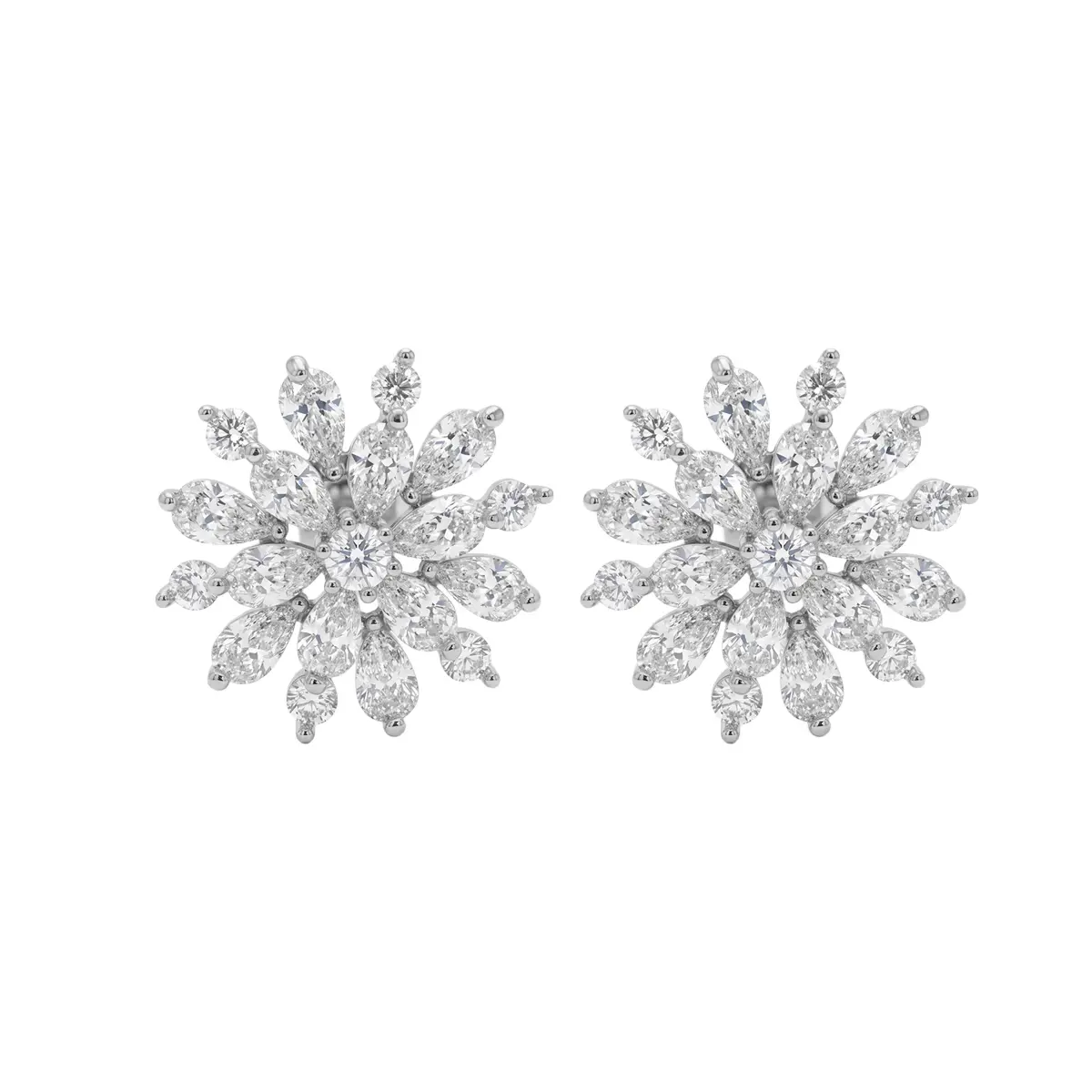
For example:
Brass Jewelry
Brass is excellent for custom fashion jewelry because it:
- Casts easily
- Accepts gold plating well
- Supports detailed designs
- Offers competitive pricing
As a result, brass products often have relatively flexible MOQs.
Stainless Steel Jewelry
Stainless steel requires:
- Laser cutting
- CNC machining
- Specialized polishing
These production methods may result in higher MOQs for highly customized designs.
Sterling Silver Jewelry
Silver prices fluctuate frequently.
Manufacturers may request larger orders to optimize material purchasing and production efficiency.
4. Plating Requirements
Custom plating can also affect MOQ.
Standard finishes such as:
- 18K Gold
- Silver
- Rose Gold
are usually easier to arrange.
However, if your project requires:
- Multiple plating colors
- Antique finishes
- Custom PVD coatings
- Special anti-tarnish treatments
the manufacturer may increase MOQ because additional production setup is required.
5. Custom Packaging
Many buyers focus only on jewelry itself.
In reality, custom packaging can also create MOQ requirements.
Examples include:
- Printed jewelry boxes
- Logo pouches
- Branded paper cards
- Hang tags
- Custom gift bags
Packaging suppliers often have their own minimum production quantities, which may be higher than the jewelry MOQ.
Is a High MOQ Always Better?
Not necessarily.
A higher MOQ can reduce the cost per unit because setup costs are spread over more pieces.
However, it also means:
- More capital tied up in inventory
- Higher storage costs
- Greater risk if a design doesn’t sell well
For startups and small brands, ordering fewer pieces—even at a slightly higher unit cost—can be a smarter strategy. It allows you to test the market, gather customer feedback, and refine your collection before committing to larger production runs.
How to Reduce MOQ When Working with a Jewelry Manufacturer
The good news is that MOQ is often more flexible than many buyers expect.
While manufacturers need minimum order quantities to maintain production efficiency, experienced OEM jewelry manufacturers are often willing to adjust their requirements when there is a clear long-term business opportunity.
If you’re launching a new jewelry brand or testing a product line, here are several practical ways to reduce MOQ without compromising quality.
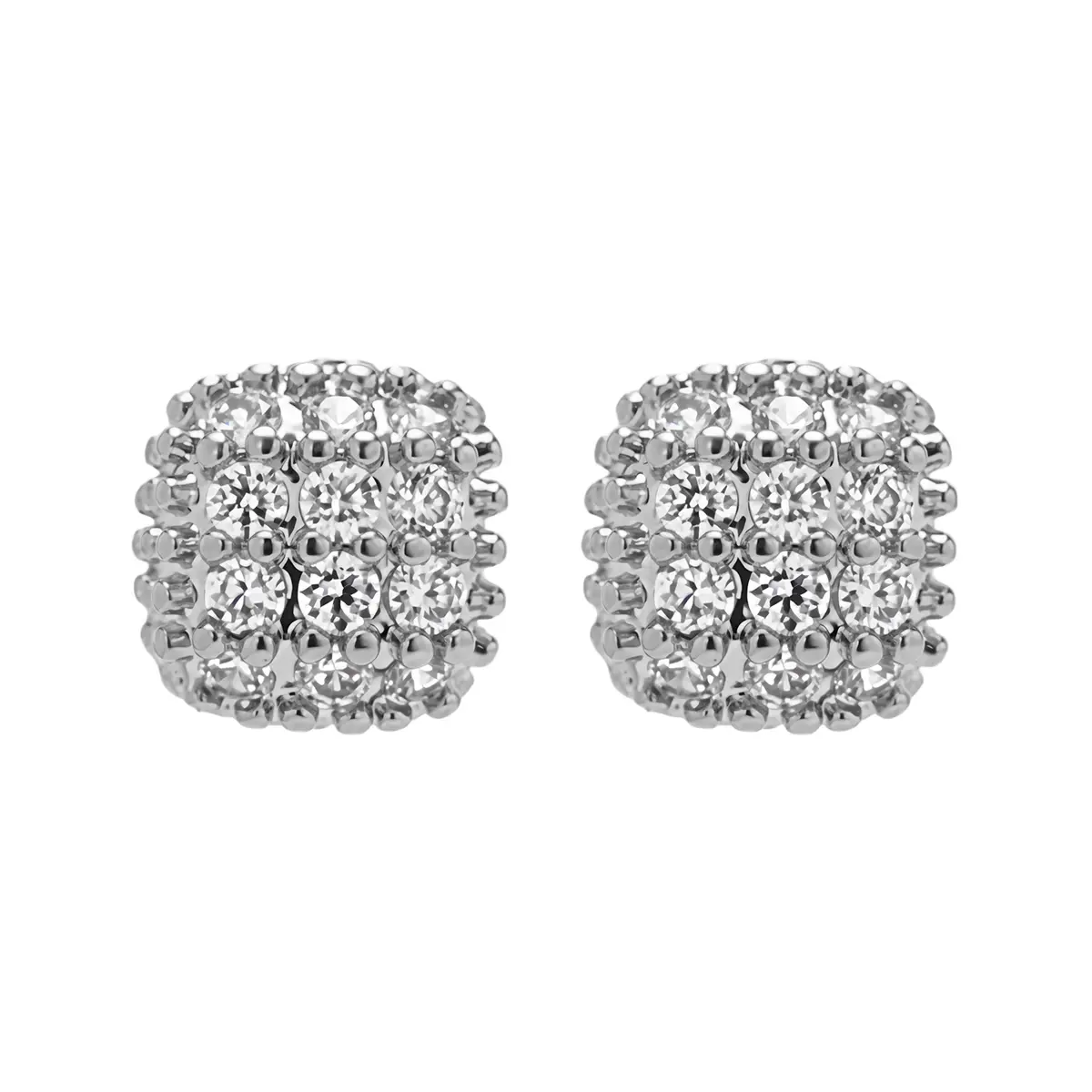
1. Choose Existing Designs Instead of Developing a New Mold
One of the biggest reasons for high MOQs is the cost of custom mold development.
When you create a completely new design, the manufacturer must invest time and resources in:
- CAD engineering
- 3D printing
- Wax modeling
- Mold making
- Mold testing
These upfront costs need to be recovered through production.
If you choose an existing factory design and customize only certain elements—such as your logo, plating color, or packaging—the manufacturer can often offer a much lower MOQ.
This approach is ideal for:
- Startup jewelry brands
- Boutique retailers
- Online sellers
- Market testing
It also shortens product development time.
2. Use Standard Materials and Plating Colors
Every special material or finish increases production complexity.
If you request uncommon plating colors, custom coatings, or unique materials, the factory may need additional production setup.
Instead, consider using standard options such as:
- 18K Gold Plating
- Silver Plating
- Rose Gold Plating
- Rhodium Plating
These finishes are produced regularly, making it easier for manufacturers to combine your order with other production runs.
As a result, MOQ can often be reduced.
3. Mix Multiple Styles in One Order
Many buyers assume MOQ applies to each individual design.
However, some flexible jewelry manufacturers allow customers to combine several styles into one production order.
For example:
Instead of ordering:
- 300 pieces of Necklace A
You may be able to order:
- 100 Necklace A
- 100 Necklace B
- 100 Necklace C
The total production quantity remains the same, but your inventory becomes more diversified.
This approach is especially useful for brands launching seasonal collections.
Before placing an order, ask your supplier:
- Can different designs share the same MOQ?
- Can different colors be combined?
- Can multiple sizes be produced together?
Not every factory offers mixed-style production, but experienced manufacturers often do.
4. Start with a Sample Order
If you’re working with a supplier for the first time, don’t immediately negotiate the lowest possible MOQ.
Instead, build trust through a sample order.
Once the factory understands that you’re serious about long-term cooperation, they may become more flexible regarding future production quantities.
Many manufacturers are willing to support growing brands if they see consistent business potential.
5. Simplify Your Product Design
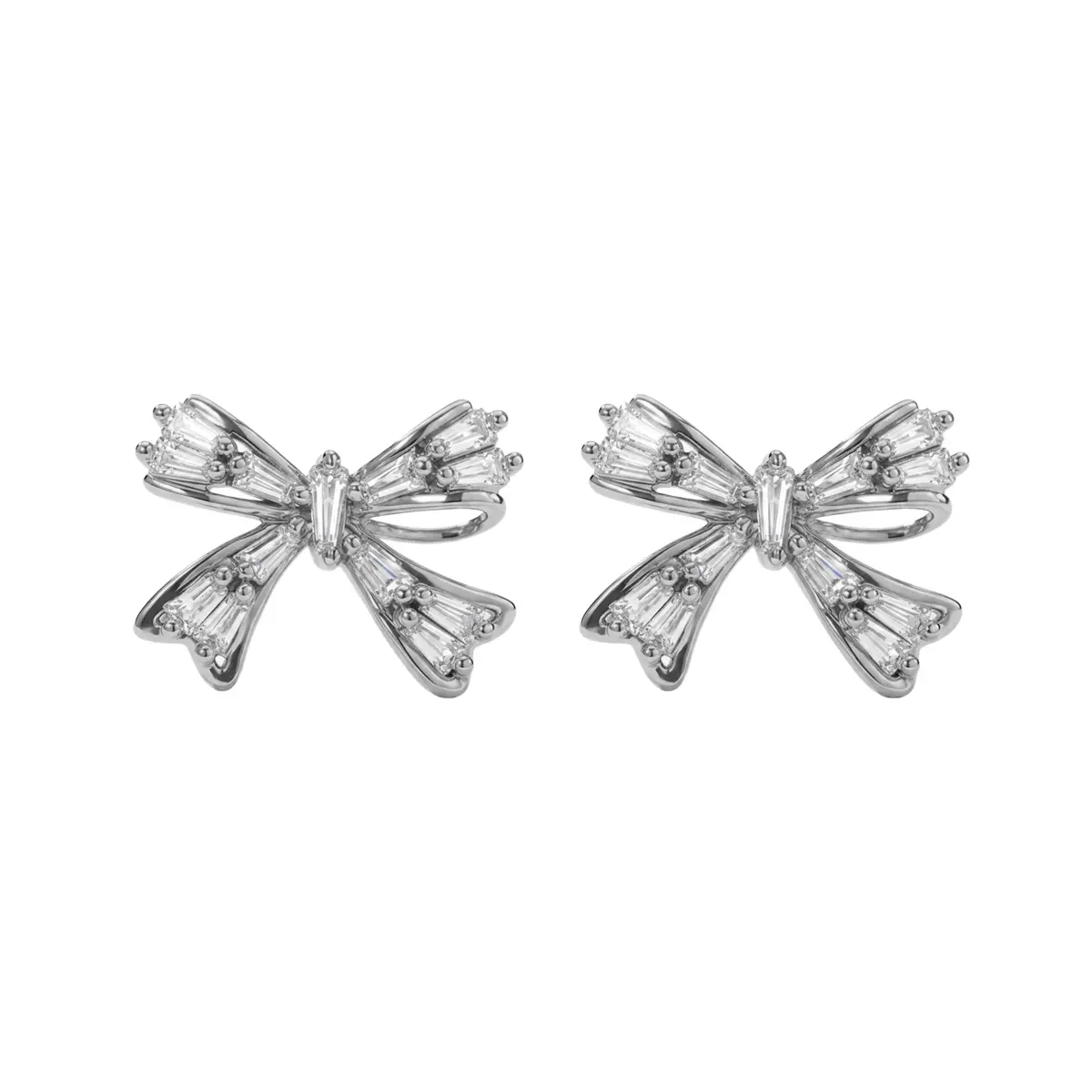
Complex designs require more labor, more production steps, and higher manufacturing costs.
Examples include:
- Multiple stone settings
- Hinged structures
- Articulated components
- Hollow constructions
- Multi-color plating
Simplifying the design can significantly reduce production costs and make smaller production runs more economical.
For new brands, launching with simple, timeless designs is often the smartest strategy.
6. Order a Collection Instead of a Single Product
Factories often view customers differently depending on the scope of the project.
Rather than ordering one bracelet, consider developing a small collection.
For example:
- Necklace
- Bracelet
- Earrings
- Ring
Using similar materials and plating colors allows the factory to optimize production while giving your brand a more complete product range.
Manufacturers are often more willing to negotiate MOQ when they see a broader business opportunity.
7. Build a Long-Term Relationship
MOQ is rarely just about numbers.
It is also about trust.
Manufacturers invest time in:
- Product development
- Engineering
- Sampling
- Communication
- Production planning
If they believe your brand has long-term growth potential, they may be willing to reduce MOQ even if your first order is relatively small.
Professional buyers focus on building partnerships rather than negotiating every order independently.
8. Work with a Manufacturer That Supports Startups
Not every jewelry factory is designed for emerging brands.
Some manufacturers specialize in serving large retailers and require production volumes of several thousand pieces per design.
Others are structured to support:
- Independent designers
- Boutique brands
- Shopify stores
- Amazon sellers
- Etsy businesses
- Crowdfunding projects
These manufacturers typically offer:
- Lower MOQ
- Faster sampling
- Flexible production schedules
- Mixed-style orders
- Personalized project support
Choosing the right manufacturing partner from the beginning can save both time and money.
How to Negotiate MOQ with a Jewelry Manufacturer
Many buyers approach MOQ negotiations by asking a single question:
“Can you lower the MOQ?”
Unfortunately, this rarely leads to the best outcome.
Instead, explain your business plan.
For example:
- You’re launching a new collection.
- You want to test market demand before scaling.
- You expect repeat orders if the products perform well.
- You’re willing to accept a slightly higher unit price in exchange for a smaller initial order.
Manufacturers are often more flexible when they understand the commercial reasoning behind your request.
Remember that MOQ and pricing are closely connected.
Lower quantities usually mean:
- Higher unit costs
- More manual labor per piece
- Less efficient production
A balanced negotiation benefits both sides.
What Is a Reasonable MOQ for Different Types of Buyers?
There is no universal MOQ.
The right quantity depends on your business model, budget, and growth stage.
| Buyer Type | Recommended MOQ Strategy |
|---|---|
| Startup Jewelry Brand | 50–150 pieces per style (if supported) |
| Boutique Retailer | 100–300 pieces |
| Amazon Seller | Begin with one or two core designs |
| Shopify Brand | Test multiple styles in smaller quantities |
| Established Wholesaler | Larger production runs for lower unit costs |
The goal is not simply to order the smallest quantity possible, but to order an amount that balances inventory risk with production efficiency.
Common MOQ Mistakes Buyers Should Avoid
Even experienced buyers sometimes misunderstand how MOQ works.
Avoid these common mistakes:
Focusing Only on the Lowest MOQ
A very low MOQ may come with:
- Higher unit prices
- Longer lead times
- Limited customization
- Reduced production priority
Evaluate the total value of the supplier, not just the minimum order quantity.
Ignoring Tooling and Development Costs
For highly customized jewelry, mold and engineering costs are unavoidable.
Instead of trying to eliminate these costs, consider spreading them across future orders.
Ordering Too Many Designs at Once
Launching 30 new designs with small quantities often complicates inventory management.
Many successful brands begin with a focused collection of best-selling products before expanding.
Comparing MOQs Without Comparing Services
A supplier offering a slightly higher MOQ may also provide:
- Better quality control
- Faster communication
- Superior plating
- Stronger engineering support
- More reliable delivery
These advantages often outweigh a lower MOQ from an inexperienced supplier.
Frequently Asked Questions About MOQ in Jewelry Manufacturing
1. What does MOQ stand for in jewelry manufacturing?
MOQ stands for Minimum Order Quantity. It is the smallest number of units a jewelry manufacturer is willing to produce for a single order.
The MOQ depends on factors such as product complexity, mold costs, material selection, and production efficiency.
2. Can I order custom jewelry with no MOQ?
In most cases, no MOQ is not realistic for fully custom jewelry.
Even producing one custom design requires:
- CAD engineering
- Mold development
- Material sourcing
- Production setup
- Quality inspection
However, some manufacturers offer sample development services or very low MOQs for startups, allowing you to validate your design before committing to mass production.
3. What is considered a low MOQ in the jewelry industry?
There is no universal standard, but generally:
| MOQ | Typical Scenario |
|---|---|
| 30–100 pieces | Sample collections or startup-friendly manufacturers |
| 100–300 pieces | Most custom fashion jewelry orders |
| 300–500+ pieces | Complex designs or large-scale production |
Always ask whether the MOQ applies per style, per color, or per order, as policies vary between manufacturers.
4. Why do different jewelry manufacturers have different MOQs?
Each factory has different:
- Production capacity
- Equipment
- Labor costs
- Customer base
- Manufacturing processes
Factories serving large retail chains often require higher MOQs, while manufacturers specializing in small and medium-sized brands are usually more flexible.
5. Can I reduce MOQ if I choose existing designs?
Yes.
Many manufacturers can offer significantly lower MOQs if you select an existing design and customize only elements such as:
- Logo engraving
- Plating color
- Packaging
- Brand labels
This eliminates mold development costs and simplifies production.
6. Does custom packaging have its own MOQ?
Often, yes.
Packaging suppliers may require minimum quantities for:
- Jewelry boxes
- Printed pouches
- Jewelry cards
- Paper bags
- Hang tags
If you’re just starting, ask whether plain packaging can be used initially and upgraded as your order volume grows.
7. Is a lower MOQ always the best option?
Not necessarily.
While a lower MOQ reduces inventory risk, it often comes with:
- Higher unit costs
- Less efficient production
- Longer lead times
- Fewer customization options
The best MOQ is one that balances production efficiency with your sales forecast and cash flow.
8. How can I tell if a manufacturer is truly startup-friendly?
A manufacturer that supports growing brands typically offers:
- Flexible MOQs
- Fast sample development
- Clear communication
- Engineering support
- Mixed-style production
- Transparent pricing
- Guidance throughout the development process
These services are often more valuable than simply offering the lowest MOQ.
Final Thoughts
MOQ is often viewed as a barrier, but in reality, it is a reflection of how manufacturing works.
Every custom jewelry project involves engineering, tooling, material sourcing, production planning, and quality control—regardless of whether you order 50 pieces or 5,000.
The key is not to find a factory with the lowest possible MOQ.
Instead, focus on finding a manufacturing partner that understands your business goals and can provide flexible solutions as your brand grows.
For many startups and independent jewelry brands, beginning with a smaller order is the smartest approach. It allows you to:
- Test market demand
- Validate product quality
- Collect customer feedback
- Reduce inventory pressure
- Preserve cash flow
- Build a long-term supplier relationship
As your sales increase, you can gradually expand your order quantities and benefit from lower production costs.
A reliable manufacturer should help you scale sustainably—not pressure you into ordering more than your business needs.
Looking for a Low MOQ Jewelry Manufacturer in China?
At Joychicco, we understand that every successful jewelry brand starts somewhere.
Many of our customers began with a small collection before growing into long-term partners.
We Support Jewelry Brands With:
✔ Low MOQ options for custom jewelry
✔ OEM & ODM manufacturing services
✔ Brass, stainless steel, and gold-plated jewelry production
✔ CAD design and product development
✔ Prototype and sample making
✔ Flexible mixed-style production
✔ Strict quality control
✔ Custom logo and private label solutions
✔ Worldwide shipping support
Whether you’re launching your first jewelry collection or expanding an existing product line, our team works with you to find the most practical production solution—balancing quality, cost, and order quantity.
Contact Joychicco today to discuss your project and receive a customized quotation based on your business needs.