
Dropshipping Jewelry Vs Wholesale: Which Is Better?
-
How do girls wear hair accessories for every occasion. Explore types, styling tips, and care for hair accessories to enhance your look.

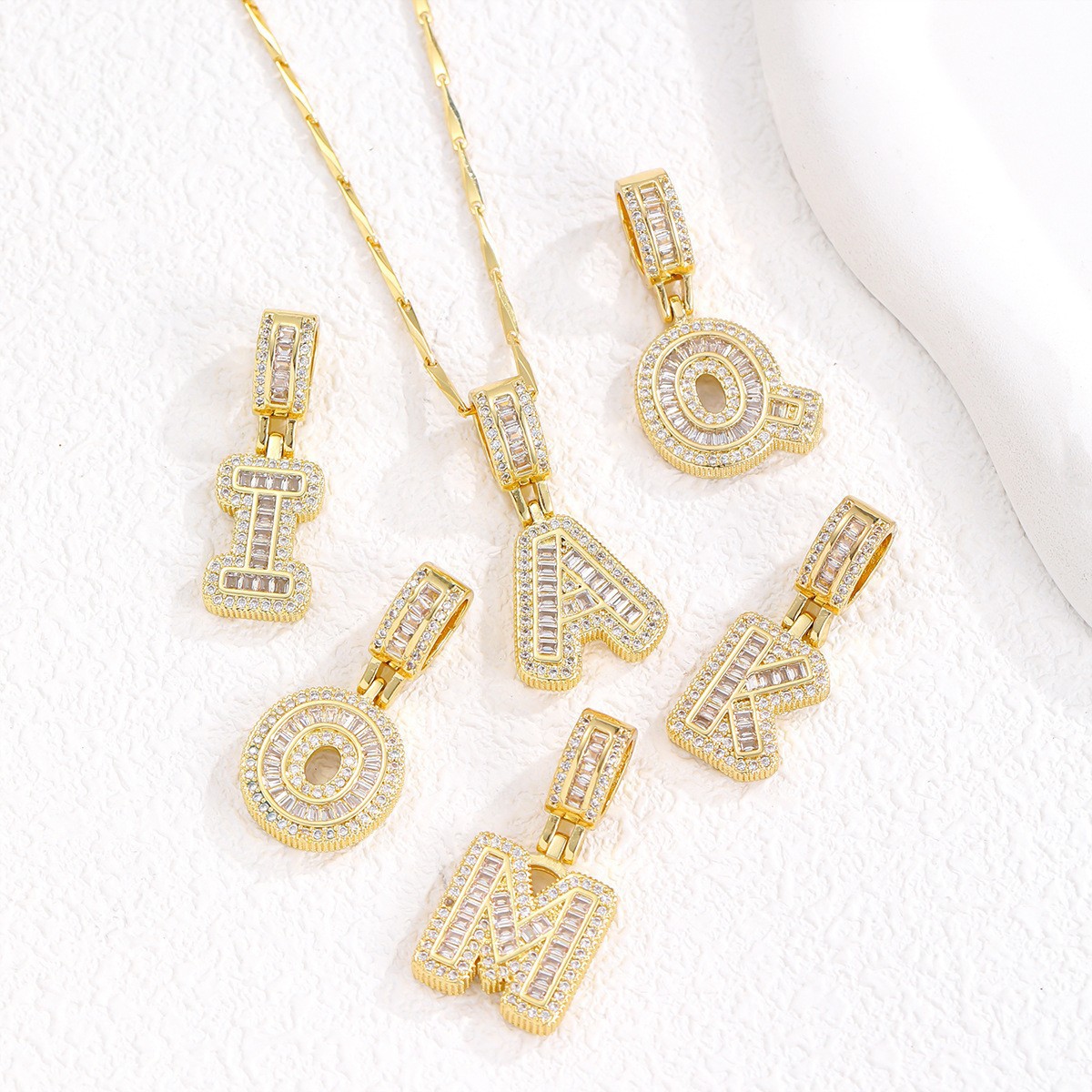
Dropshipping jewelry vs wholesale defines two core sourcing paths in modern B2B trade. Businesses rely on these models to balance cost, speed, and control. Dropshipping allows sellers to list products without holding inventory. Suppliers ship items directly to end customers after each order. Wholesale requires bulk purchasing and local storage before resale. Buyers gain full ownership of goods under wholesale agreements. Each model serves different operational priorities and growth stages. Jewelry distributors often compare these approaches before scaling operations. Market demand volatility also influences the selection process. Strategic alignment between sourcing and sales channels determines long-term stability.
Business Model Comparison of Dropshipping Jewelry vs Wholesale
Dropshipping jewelry vs wholesale differs significantly in financial structure and execution. Dropshipping eliminates upfront inventory investment, reducing capital barriers for entry. Wholesale demands bulk purchasing, increasing initial financial commitment. Profit margins in wholesale tend to be higher due to lower unit costs.
Dropshipping margins remain thinner because suppliers handle fulfillment. Operational control also varies between both models. Wholesale buyers control packaging, branding, and delivery timelines directly. Dropshipping depends heavily on supplier performance and logistics systems. Scalability differs based on infrastructure and supplier capacity. Strategic evaluation ensures alignment with long-term growth objectives.
Advantages of Dropshipping Jewelry for B2B Buyers
Dropshipping jewelry vs wholesale comparisons often highlight flexibility as a key benefit. Dropshipping provides low entry barriers for new B2B businesses. Initial investment remains minimal compared to bulk sourcing models. Companies can test multiple product categories without financial risk. Product experimentation becomes easier with supplier-managed inventory systems. Fulfillment processes are handled externally, reducing operational workload. However, supplier dependency introduces potential service inconsistencies. Shipping delays may impact customer satisfaction and retention rates. Businesses focusing on niche products like lucky pentagram gold plating brass jewelry benefit from rapid testing cycles.
Benefits of Wholesale Jewelry Sourcing for Bulk Buyers
Dropshipping jewelry vs wholesale analysis shows wholesale offers stronger long-term control. Bulk purchasing reduces per-unit costs and improves overall margins. Inventory ownership allows complete control over branding and packaging. Businesses can create unique product identities in competitive markets. Supply stability improves through long-term supplier agreements and contracts. Wholesale buyers can negotiate better pricing and consistent quality standards. Storage and inventory management require dedicated infrastructure and planning. Retailers handling rope chains brass pendant necklaces benefit from consistent stock availability. Wholesale remains ideal for businesses targeting high-volume distribution and brand positioning.
Key Factors Affecting Profitability and ROI
Dropshipping jewelry vs wholesale decisions strongly influence profitability outcomes. Pricing strategy plays a central role in margin optimization. Dropshipping includes higher per-unit costs due to supplier handling fees. Wholesale reduces cost per item but increases holding costs. Shipping expenses vary based on order volume and delivery distance.
Customer acquisition costs impact overall return on investment significantly. Inventory turnover rates influence cash flow efficiency in bulk operations. Dropshipping avoids storage costs but limits bulk discounts. Long-term ROI depends on scaling efficiency and cost control measures.
Operational Challenges in Dropshipping and Wholesale Jewelry
Dropshipping jewelry vs wholesale comparisons also reveal distinct operational challenges. Dropshipping faces issues related to delayed shipments and inconsistent product quality. Supplier reliability becomes a critical factor for maintaining service standards. Communication gaps may lead to order processing errors and customer dissatisfaction. Wholesale operations require effective inventory management systems and storage solutions. Overstocking increases financial risk and ties up working capital. Understocking may result in lost sales opportunities. Logistics coordination becomes essential for timely deliveries. Businesses must address these challenges proactively to remain competitive.

Dropshipping vs Wholesale Jewelry Models
| Factor | Dropshipping | Wholesale |
|---|---|---|
| Initial Investment | Low | High |
| Inventory Ownership | No | Yes |
| Profit Margin | Moderate | High |
| Operational Control | Limited | Full |
| Risk Level | Low | Moderate |
| Scalability | Supplier dependent | Infrastructure dependent |
Detailed Insights on Model Selection and Performance
The comparison highlights structural differences that impact operational outcomes. Dropshipping supports rapid entry with minimal financial exposure. Wholesale offers stronger margins but requires capital commitment. Control over branding remains a key differentiator between models. Businesses targeting premium positioning often prefer wholesale strategies. Dropshipping suits testing phases and niche exploration. Decision-makers must align sourcing models with long-term goals. Market competition and customer expectations also influence the final choice. Continuous evaluation ensures adaptability in dynamic jewelry markets.
Cost and Margin Breakdown Table for B2B Buyers
| Cost Component | Dropshipping Impact | Wholesale Impact |
|---|---|---|
| Product Cost | Higher per unit | Lower per unit |
| Shipping Cost | Included or variable | Bulk optimized |
| Storage Cost | None | Required |
| Marketing Cost | High dependency | Moderate |
| Return Handling | Supplier managed | Business managed |
Interpreting Cost Structures for Strategic Planning
Cost distribution directly affects profitability and operational efficiency. Dropshipping reduces fixed costs but increases variable expenses. Wholesale introduces fixed costs that stabilize over larger volumes. Bulk purchasing improves negotiation power with suppliers. Marketing investments remain critical across both models. Return handling processes influence customer satisfaction and retention. Businesses must evaluate total cost of ownership rather than individual expenses. Strategic planning ensures alignment between sourcing methods and financial objectives.

Key Features Checklist for Choosing the Right Jewelry Supply Model
- Initial capital availability
- Desired profit margin level
- Inventory management capability
- Branding and customization requirements
- Supplier reliability and consistency
- Logistics and shipping efficiency
- Market positioning strategy
Strategic Decision-Making for B2B Jewelry Businesses
Selecting the right model requires balancing operational priorities and market conditions. Businesses with limited capital often choose dropshipping for flexibility. Companies seeking higher margins prefer wholesale sourcing strategies.
Hybrid models combine benefits from both approaches effectively. Dropshipping can support product testing before bulk investment. Wholesale strengthens brand identity and long-term growth potential. Market demand and competition influence sourcing decisions significantly. Data-driven decisions improve efficiency and profitability. Long-term success depends on aligning sourcing with business objectives.
Future Trends in Jewelry Sourcing for B2B Markets
Jewelry sourcing continues evolving with advancements in technology and logistics systems. Digital platforms improve supplier connectivity and order management efficiency. Automation enhances fulfillment speed and reduces human error. Sustainability becomes a critical factor in supplier selection processes. Transparent sourcing practices increase trust among global buyers. Wholesale operations integrate smart inventory systems for better forecasting. Dropshipping platforms improve tracking and delivery accuracy. Businesses must adapt to technological changes and market demands to remain competitive.
Frequently Asked Questions
What is the main difference between dropshipping jewelry and wholesale sourcing?
Dropshipping and wholesale differ mainly in inventory ownership and operational control. Dropshipping allows businesses to sell products without holding stock. Suppliers handle storage, packing, and shipping responsibilities. Wholesale requires businesses to purchase products in bulk before selling them. Inventory is stored and managed internally under wholesale systems. This difference impacts cost structure and risk exposure significantly. Dropshipping reduces financial risk but limits control over branding and fulfillment. Wholesale increases upfront investment but provides higher profit margins and customization opportunities.
Which model offers better profit margins for B2B jewelry businesses?
Wholesale generally provides higher profit margins compared to dropshipping models. Bulk purchasing reduces the cost per unit significantly over time. Businesses can control pricing strategies and branding under wholesale systems.
Dropshipping includes supplier fees that reduce overall margins. However, dropshipping eliminates storage and inventory costs completely. Profitability depends on scale, efficiency, and market positioning. Wholesale becomes more profitable at higher sales volumes due to economies of scale. Dropshipping remains suitable for testing markets with lower financial risk.
Can businesses combine dropshipping and wholesale strategies effectively?
Many B2B jewelry businesses adopt hybrid sourcing strategies for flexibility. Dropshipping can be used to test new products without inventory risk. Successful products can later transition into wholesale purchasing for better margins. This approach balances risk and profitability effectively. Hybrid models allow businesses to respond quickly to market demand changes. Wholesale supports brand building and long-term growth objectives. Dropshipping provides agility and faster product expansion opportunities. Businesses that manage both models efficiently can maximize revenue potential and reduce operational risks.