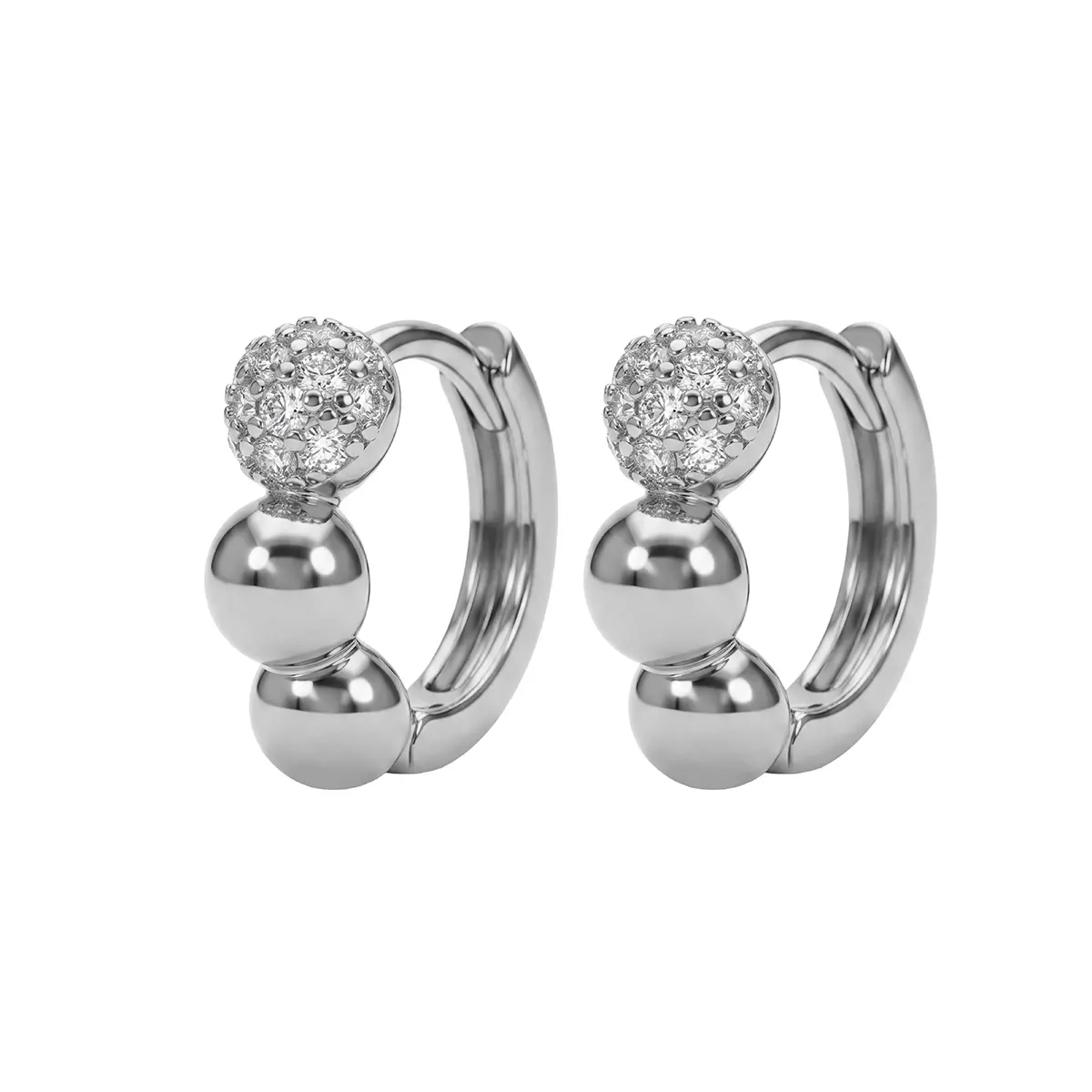
How Do You Choose A Chunky Hoop Earrings Manufacturer?
-
Choose a chunky hoop earrings manufacturer based on material quality, tooling, plating, OEM support, inspections, and bulk production.
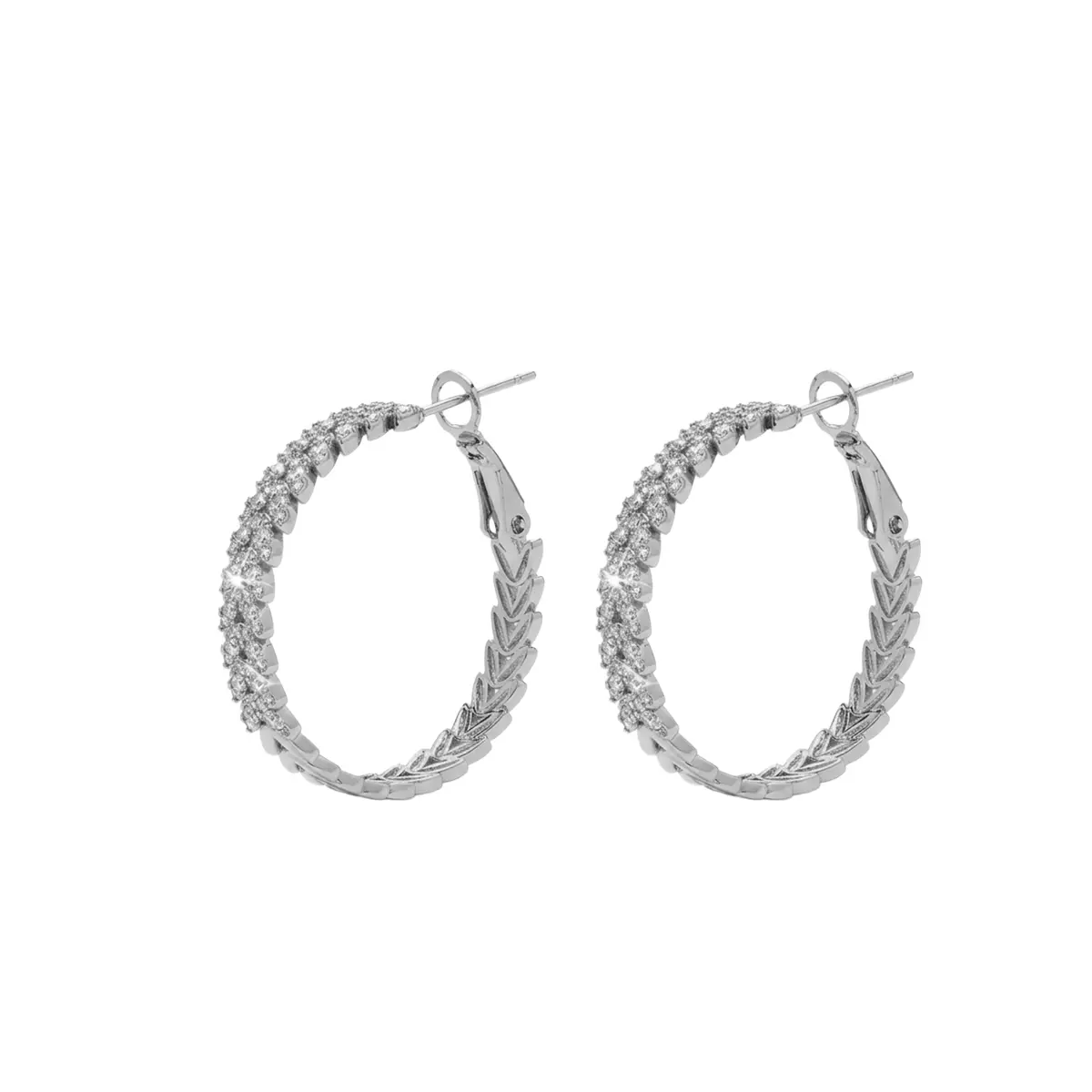
A reliable chunky hoop earrings manufacturer should offer more than attractive product samples. B2B buyers need stable materials, repeatable dimensions, and controlled finishing. Large orders expose weaknesses that small samples often hide. Wall thickness can vary across production batches. Plating color can also shift between different production runs. These issues affect returns, customer complaints, and retail consistency. A capable factory should control tooling, materials, production, inspection, and packaging internally. Buyers should also review OEM and ODM capabilities before placing development orders. Technical communication matters because small design changes can affect weight and production costs. Factory capacity also matters when buyers need seasonal replenishment. A supplier with clear production records can provide stronger purchasing confidence. The following criteria can help buyers compare factories using measurable production evidence.
Why Does Manufacturer Selection Matter for Chunky Hoop Earrings?
Chunky hoop earrings require tighter production control than many lightweight jewelry styles. Their larger profiles make dimensional errors easier to notice. Wall thickness directly affects weight, strength, and wearing comfort. The hinge or clasp also needs accurate alignment during assembly. Poor alignment can create uneven gaps when the hoop closes. Material selection affects hardness, polishing behavior, and resistance to deformation. Brass offers strong forming flexibility and works well with many plating systems. Stainless steel provides higher corrosion resistance and supports durable everyday designs. Buyers should request material specifications before approving samples. Production drawings should define outer diameter, tube thickness, opening size, and closure position. These details create measurable standards for later batch inspections.
What Production Capabilities Should a Hoop Earring Factory Have?
A capable factory should control several stages rather than relying heavily on unknown subcontractors. Production equipment may include wire forming machines, stamping presses, polishing systems, plating lines, and assembly stations. Each process affects the final appearance and structural performance. Forming equipment determines whether both sides maintain consistent curvature. Polishing equipment removes tool marks before plating or coating. Assembly workers must also maintain consistent hinge tension and clasp positioning. Buyers should ask which processes happen inside the factory. Outsourced plating requires additional traceability because finishing quality can vary between vendors. Production capacity should also match expected order volume and replenishment schedules. A supplier producing 20,000 pairs monthly may struggle with a sudden 100,000-pair program. Capacity planning therefore needs actual equipment and workforce evidence.
How Should Buyers Check Metal Materials and Specifications for a Chunky Hoop Earrings Manufacturer?
Material verification should start before sample approval. Buyers should request the declared metal grade and composition for each component. Brass products require clear copper and zinc composition records when compliance matters. Stainless steel products should identify the relevant grade rather than using vague terms. Nickel release also deserves attention for jewelry sold in regulated markets. REACH requirements can affect material selection and surface treatment decisions. RoHS may apply when products contain restricted substances within relevant applications. Buyers should request laboratory reports when compliance documentation supports market entry. Material thickness also deserves measurement because plating cannot compensate for weak base construction. Weight records provide another useful batch comparison point. A reliable supplier should maintain consistent specifications between approved samples and mass production.
| Buyer Checkpoint | Recommended Evidence | Production Risk |
|---|---|---|
| Base metal | Material specification and composition report | Unexpected weight or durability changes |
| Dimensions | Approved drawing and measurement records | Inconsistent retail appearance |
| Plating | Process specification and coating report | Color shift or premature wear |
| Nickel release | Laboratory test report | Market compliance problems |
| Weight | Approved sample reference | Cost and comfort differences |
Why Do Tooling and Prototyping Affect Wholesale Quality?
Tooling determines how accurately a factory can repeat a jewelry design. A CAD drawing should define critical dimensions before mold development begins. Prototype samples then confirm whether the design works in physical production. Buyers should inspect the hoop diameter, cross-section, closure position, and surface transitions. Heavy designs also require practical weight evaluation before bulk production. Excessive weight can reduce comfort and increase shipping costs. Thin sections may create deformation risks during forming or polishing. A professional factory should record approved sample specifications for production reference. Tool maintenance also matters because worn tooling can gradually change dimensions. Buyers should ask whether the supplier stores production drawings and tooling records. These records support faster repeat orders and reduce unnecessary development costs.
How Can Buyers Evaluate Plating and Surface Finishing?
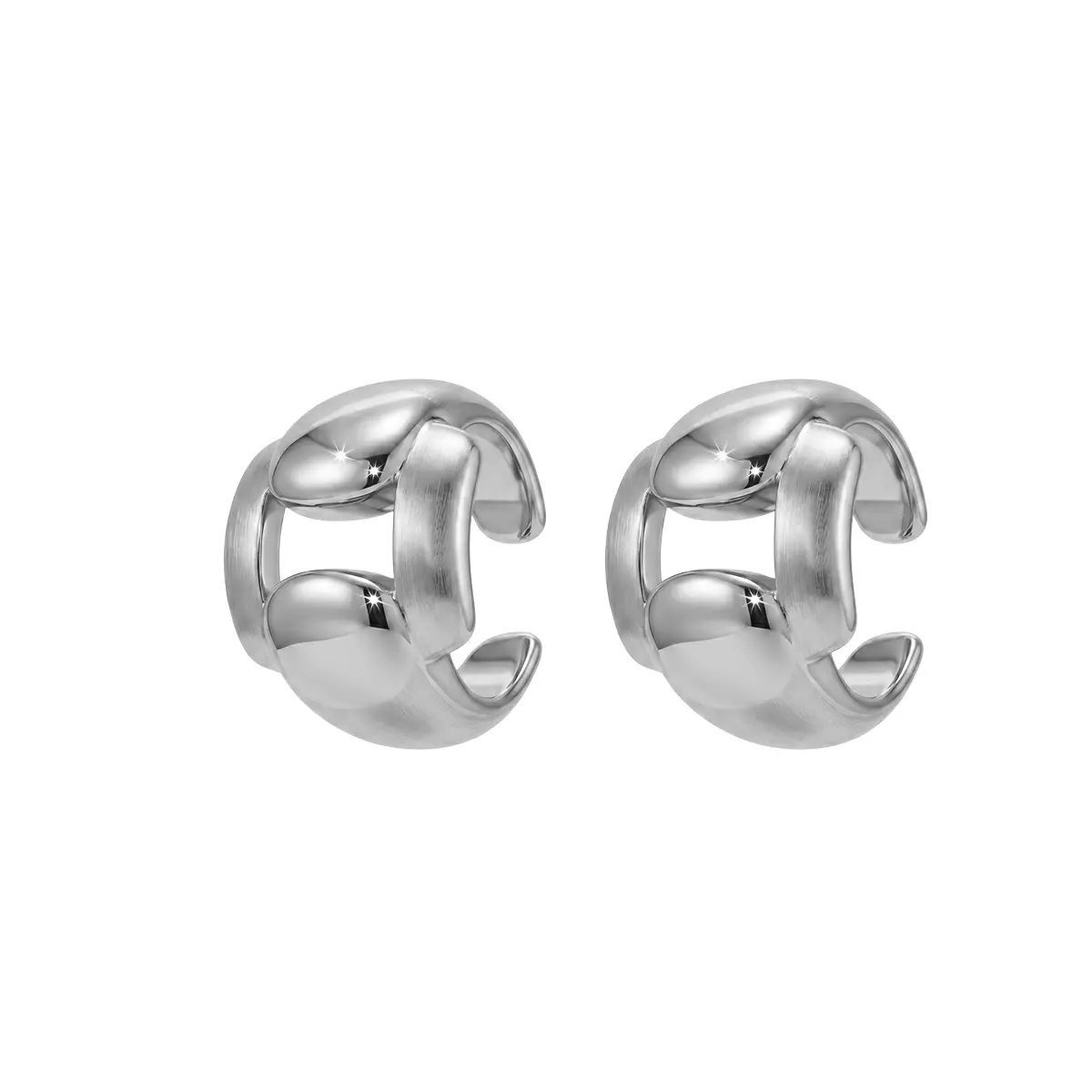
Surface finishing strongly affects the perceived value of fashion jewelry. Polishing should create a smooth base before electroplating begins. Uneven polishing can create visible shadows beneath gold or other decorative coatings. Plating thickness also influences durability, although thickness alone does not guarantee performance. Process control should cover cleaning, activation, plating, rinsing, and drying. Gold color requires consistent bath chemistry and controlled process parameters. Buyers should compare production samples under identical lighting conditions. Abrasion and adhesion testing can provide additional evidence for high-volume programs. One useful product reference is Gold Plated Brass Zirconia Huggie Hoop Earrings, which combines a brass base with decorative gold finishing. Such a product requires consistent stone placement and surface treatment. Buyers should therefore inspect both metal finishing and decorative components together.
What Quality Controls Should a Jewelry Factory Provide Through a Chunky Hoop Earrings Manufacturer?
Quality control should cover incoming materials, production stages, assembly, and final inspection. Incoming checks can verify metal specifications and component dimensions. During production, inspectors should monitor forming, polishing, plating, and assembly. Final inspection should compare finished pieces against approved samples and drawings. Sampling plans should define acceptable defect levels before mass production begins. Typical checks include scratches, plating defects, clasp function, dimensional accuracy, and stone security. Packaging inspection also matters because finished hoops can scratch against each other. Buyers should receive inspection records for significant production orders. A factory should also document corrective actions when defects exceed agreed limits. These records show whether the supplier manages quality systematically. Consistent documentation provides stronger evidence than verbal quality promises.
What Should Buyers Check Before Placing a Bulk Order?
Before issuing a purchase order, buyers should verify several practical factors. These checks reduce expensive corrections after production begins.
- Confirm base metal grade and component specifications.
- Approve physical samples before mass production starts.
- Confirm plating color, finish, and coating requirements.
- Request compliance documents for the target sales market.
- Define acceptable dimensional and cosmetic tolerances.
- Confirm MOQ, lead time, packaging, and replenishment capacity.
- Establish inspection procedures and defect acceptance criteria.
- Confirm ownership and storage of custom tooling.
How Does OEM Production Support Custom Hoop Earring Designs?
OEM production becomes important when buyers already have a defined design concept. The supplier should convert drawings or reference samples into manufacturable specifications. CAD development can identify areas that may create forming or assembly problems. Engineers can also recommend suitable wall thickness and closure structures. Custom tooling may require several prototype rounds before approval. Buyers should confirm which tooling costs apply to development and future orders. Packaging can also form part of the OEM specification. Labels, cards, boxes, and protective materials should match the approved packaging sample. A strong OEM program should maintain version control for drawings and samples. This prevents outdated specifications from entering later production batches. Clear technical communication can shorten revisions and reduce avoidable sampling costs.
Why Does ODM Capability Matter for New Jewelry Collections?
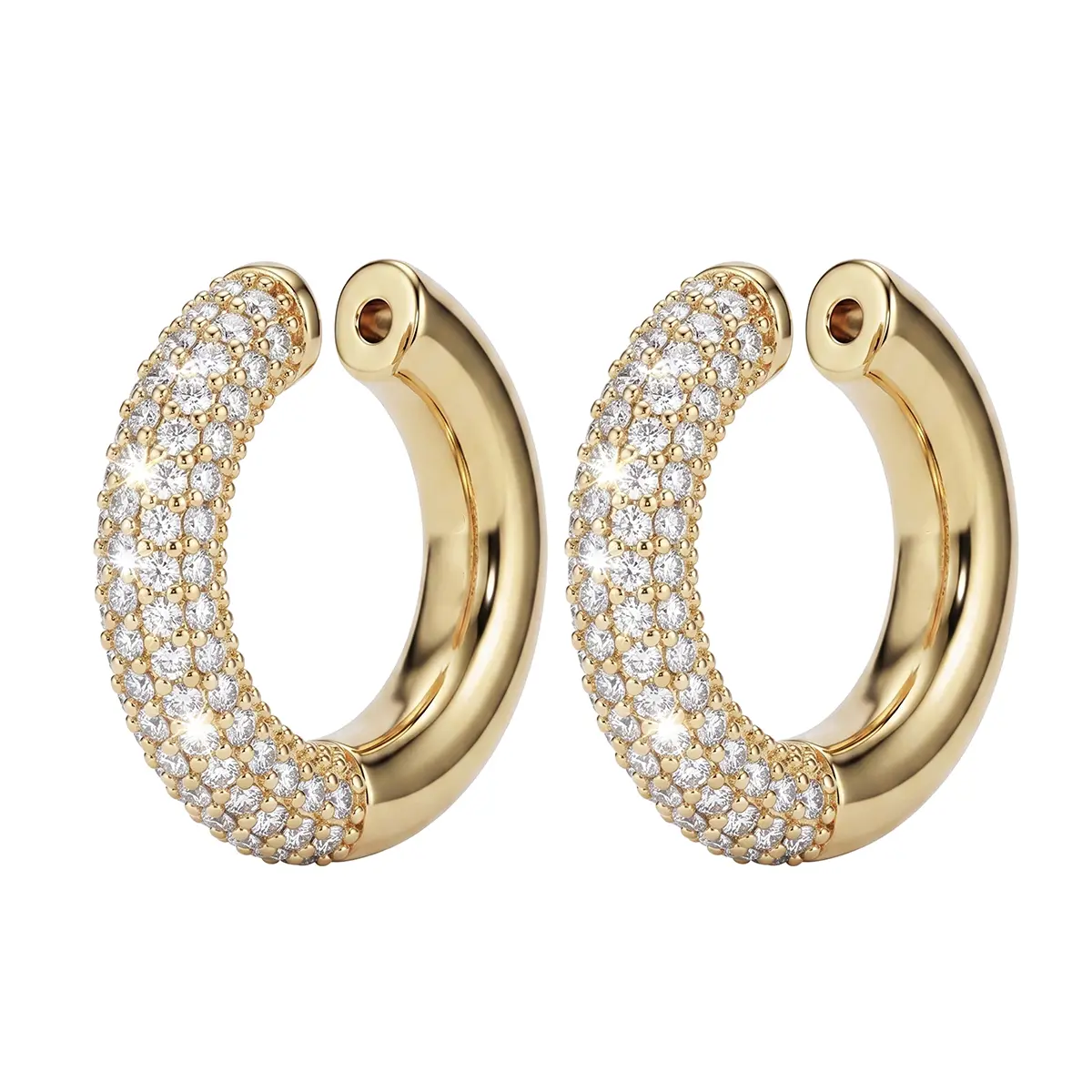
ODM capability can help buyers develop original hoop collections without starting from zero. Experienced designers can suggest proportions, profiles, finishes, and closure structures. Factories with internal development teams can also identify production limitations early. For example, a thick oval profile may require different forming methods than a round tube. Stone settings can also influence the required metal thickness. Buyers should request sketches, CAD concepts, and physical prototypes during development. Original design ownership should be clearly defined before commercial production. ODM programs can also combine existing factory techniques with new decorative details. This approach can reduce development time while creating differentiated products. A capable chunky hoop earrings manufacturer should connect creative development with realistic production requirements.
Why Does a Manufacturer Matter for Consistent Hoop Earring Production?
Batch consistency depends on repeatable processes and measurable reference points. Each approved sample should have recorded dimensions, weight, finish, and closure specifications. Production workers can then compare current output against those references. Digital calipers can verify diameter and section dimensions during inspection. Precision scales can identify unexpected weight variation between batches. Color comparison should use controlled lighting rather than casual visual inspection. Assembly checks should confirm that both hoops close with similar tension. For larger orders, buyers may also request pre-shipment inspection records. One practical product benchmark is Classic Wide Solid Copper Hoop Earrings with Shiny Finish, where surface uniformity directly affects the visual impact. Consistent polishing therefore matters as much as the copper base itself. Production records make future replenishment easier because approved specifications remain available.
What Does a Real Wholesale Production Case Reveal About a Chunky Hoop Earrings Manufacturer?
Consider a buyer developing a new collection of oversized metal hoops for several retail channels. The initial supplier delivered attractive samples, but production testing revealed weight differences between pairs. Several hinges also showed inconsistent closing pressure. The buyer then compared another factory using approved drawings and recorded weight tolerances. The second supplier adjusted the tube thickness and standardized the forming process. Its inspection team checked diameter, weight, surface defects, and clasp function before packing. The buyer approved a pilot batch before moving into larger production. This case shows why sample appearance alone cannot confirm factory capability. Production controls become more important when order quantities increase. Buyers should therefore evaluate repeatability rather than selecting suppliers solely from catalog photography.
How Should Buyers Compare Manufacturers Before Choosing One?
Supplier comparison should focus on measurable capabilities rather than sales claims. A factory may offer low prices but lack reliable process control. Another supplier may charge more while providing stronger documentation and repeatability. Buyers should compare sample quality, communication speed, tooling support, inspection methods, and production capacity. They should also review how the factory handles defects and corrective actions. A strong chunky hoop earrings manufacturer should provide clear answers to technical questions. Buyers can request factory photos, inspection records, material documents, and production samples. Reference orders can also reveal whether the supplier handles repeat programs effectively. Price should remain important, but it should not become the only decision factor. Long-term wholesale performance depends on quality stability, delivery reliability, and communication. A structured comparison can therefore reduce sourcing risk before commercial commitment.
FAQ
What MOQ Should Buyers Expect From a Hoop Earring Factory?
MOQ varies according to material, tooling, finishing, and production complexity. Standard designs often support lower quantities than fully customized products. Custom tooling can increase development costs at smaller order volumes. Plating and packaging requirements may also affect minimum quantities. Buyers should request separate MOQ figures for sampling, pilot production, and repeat orders. A flexible factory may offer lower pilot quantities before full-scale production. That arrangement allows buyers to evaluate market response without excessive inventory exposure. Clear MOQ terms should also state whether mixed colors or designs qualify for combined quantities.
How Long Does Custom Hoop Earring Production Take?
Custom production normally involves design confirmation, tooling, sampling, approval, manufacturing, finishing, inspection, and packing. Each stage can affect the final delivery schedule. New tooling usually requires more time than standard catalog customization. Plating colors may also require additional sample approval.
Buyers should request a stage-based production schedule instead of one general lead time. This schedule makes delays easier to identify and manage.Repeat orders usually move faster when approved drawings and tooling remain available. Accurate forecasting also helps factories reserve materials and production capacity earlier.
What Documents Should a Jewelry Manufacturer Provide?
A professional supplier should provide documents that support specifications and market requirements. Useful records include material declarations, laboratory reports, product drawings, approved sample records, and inspection reports. Packaging specifications should also remain documented for repeat orders. Buyers selling into regulated markets may require specific chemical or coating reports. Nickel release documentation can become particularly important for products with prolonged skin contact. Compliance requirements vary by market, so buyers should define them before production begins. Clear documentation reduces disputes because both parties can reference the same technical requirements. Reliable records also make future supplier audits and quality reviews more efficient.