
How Do You Compare ODM Jewelry Design Factories?
-
ODM jewelry design factory evaluation covers design, quality control, certifications, production capacity, and sourcing.


Choosing an ODM jewelry design factory directly influences product quality, delivery reliability, and long-term profitability. Jewelry brands depend on manufacturing partners to transform concepts into market-ready products while maintaining consistent standards. Different suppliers offer varying strengths in design innovation, engineering expertise, production efficiency, and supply chain management. Buyers who focus only on pricing often overlook critical operational factors that affect future performance. A structured comparison process helps companies reduce sourcing risks and improve purchasing decisions. Strong partnerships support product consistency, faster development cycles, and better customer satisfaction. Careful evaluation also creates a foundation for sustainable growth in increasingly competitive jewelry markets.
ODM Jewelry Design Factory Selection Criteria
Every ODM jewelry design factory should be evaluated through objective and measurable standards. Purchasing teams commonly review design resources, manufacturing capabilities, quality management systems, sourcing networks, certifications, and customer support. Factory audits provide valuable information about operational maturity and management discipline. Well-organized suppliers maintain documented procedures throughout each production stage. Transparent communication and accurate documentation often indicate stronger management practices. Professional manufacturers also demonstrate a willingness to discuss production challenges and improvement strategies openly. Comprehensive supplier evaluation delivers a more complete picture than quotations alone and helps businesses establish reliable long-term manufacturing partnerships.
How Design Capability Influences Product Development
Design capability often distinguishes industry leaders from average suppliers. Experienced designers combine market trends with manufacturing practicality to create commercially successful collections. Advanced factories utilize CAD software, 3D rendering technologies, and rapid prototyping equipment to accelerate development timelines. Technical expertise allows teams to optimize structural integrity, gemstone placement, and wearing comfort. Strong design departments can quickly transform concepts into production-ready samples while minimizing costly revisions. For example, a Luxury Fine Jewelry Set requires careful engineering, precise stone positioning, and balanced construction before entering mass production. Design resources become particularly valuable when brands launch seasonal collections or exclusive product lines targeting specific customer segments.
Evaluating Manufacturing Capacity and Production Flexibility
Manufacturing capacity determines whether suppliers can support business expansion and changing demand levels. Buyers should examine workshop size, production equipment, workforce capabilities, and operational efficiency. Flexible factories adjust quickly to seasonal fluctuations and promotional campaigns without sacrificing quality standards. Capacity planning systems help prevent bottlenecks that may disrupt production schedules. Efficient manufacturers maintain balanced workflows across casting, polishing, gemstone setting, electroplating, and final assembly operations. Production flexibility also allows brands to test new products with smaller orders before scaling volumes. Such adaptability reduces inventory risks and creates greater commercial opportunities within competitive markets.
Material Sourcing and Supply Chain Stability
Material quality directly affects jewelry durability, appearance, and customer satisfaction. Reliable suppliers establish long-term relationships with qualified metal refiners, gemstone providers, and plating material vendors. Effective traceability systems verify sourcing records and maintain consistent quality standards.
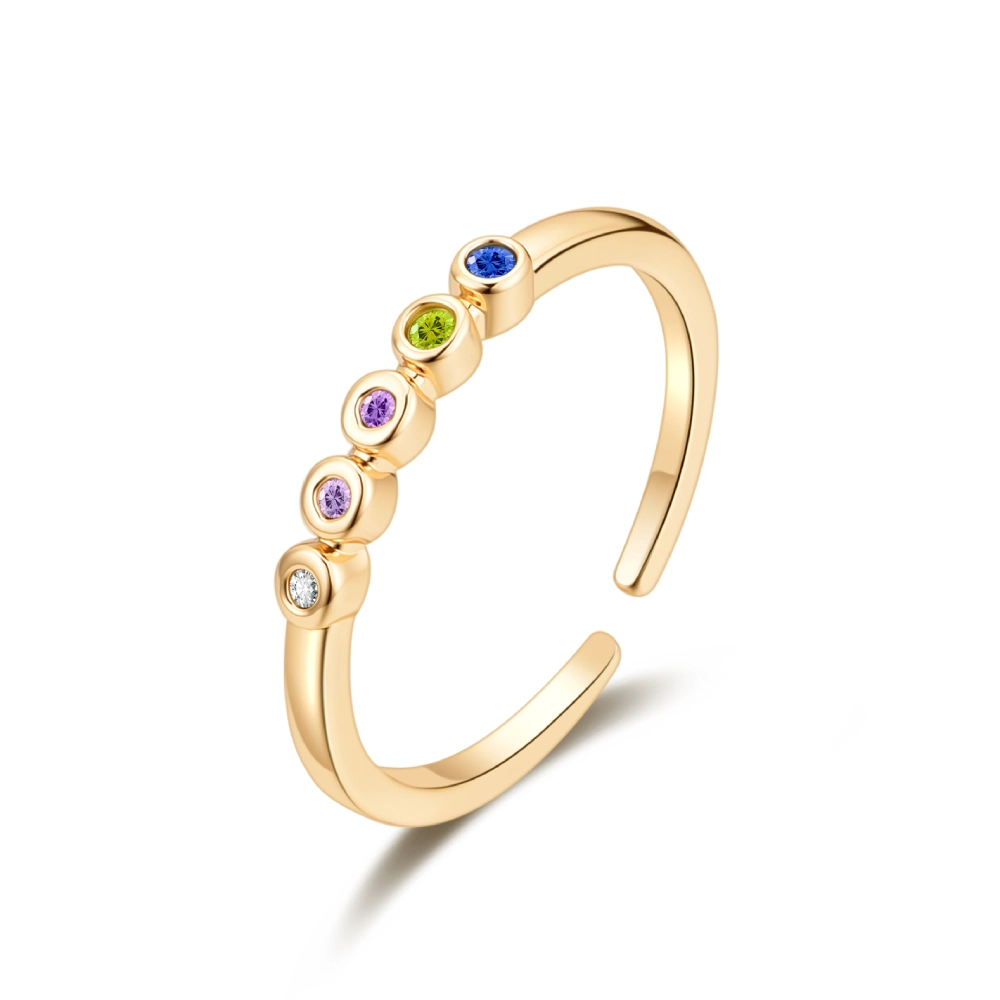
Incoming inspection procedures should include alloy composition analysis, gemstone grading verification, and plating material assessments. Stable sourcing networks reduce exposure to shortages, price volatility, and delivery disruptions. Premium manufacturers maintain detailed documentation for precious metals, diamonds, gemstones, and auxiliary materials. Transparent sourcing practices strengthen buyer confidence while improving inventory management and production planning accuracy across the entire supply chain.
| Evaluation Area | Basic Factory | Advanced Factory | Premium Factory |
|---|---|---|---|
| Supplier Audits | Occasional | Scheduled | Comprehensive |
| Material Traceability | Limited | Partial | Full Documentation |
| Gemstone Verification | Visual Check | Internal Testing | Certified Testing |
| Inventory Management | Manual | Digital | Integrated ERP |

Quality Control Systems That Differentiate Suppliers
Quality management remains one of the most important supplier comparison criteria. Leading manufacturers implement inspection procedures throughout every production stage rather than relying solely on final inspections. Incoming materials undergo verification before entering workshops. Production teams monitor casting quality, dimensional accuracy, gemstone security, surface finishing, and assembly precision during manufacturing. Final audits confirm compliance with customer specifications before shipment. Strong quality systems include corrective action procedures, root-cause analysis, and continuous improvement programs. Regular internal audits help identify operational weaknesses before they affect customers. Consistent quality performance supports stronger brand reputation, lower return rates, and improved customer retention across global markets.
| Quality Control Stage | Primary Objective | Key Inspection Focus |
|---|---|---|
| Incoming Inspection | Material Validation | Metal and Gemstone Quality |
| Process Inspection | Defect Prevention | Dimensions and Assembly |
| Final Inspection | Order Verification | Appearance and Function |
| Shipment Audit | Delivery Accuracy | Packing and Labeling |
Certifications and Compliance Requirements
Global buyers increasingly require suppliers to meet specific compliance standards and certification requirements. Quality management certifications, factory audit reports, and responsible sourcing documentation provide evidence of operational consistency. Workplace practices, environmental management systems, and production procedures frequently undergo independent assessments. Export-oriented manufacturers typically maintain organized documentation to support customer requirements across different regions. Certification verification helps buyers reduce sourcing risks while demonstrating due diligence. Strong compliance records often indicate disciplined management practices and long-term business stability. Manufacturers that invest in compliance programs generally position themselves more effectively within international supply chains and premium retail markets.
Key Questions to Ask Before Choosing a Supplier
Purchasing teams should gather detailed information before selecting a manufacturing partner. Important evaluation questions include:
- How large is the design department?
- What is the average sample development timeline?
- Which inspection procedures are implemented?
- What monthly production capacity is available?
- How are intellectual property rights protected?
- Which certifications and audit reports can be provided?
- What export markets does the factory currently serve?
- How are production delays managed?
- Which materials are sourced internally?
- What percentage of orders are delivered on time?
Detailed answers often reveal operational strengths and highlight potential weaknesses before contract negotiations begin.
ODM Jewelry Design Factory Partnership Risks and Warning Signs
When comparing an ODM jewelry design factory, buyers should identify warning signs before committing to cooperation. Unrealistically low pricing may indicate compromises in materials, labor, or quality management. Poor communication frequently creates project delays and technical misunderstandings. Inconsistent sample quality often reflects weaknesses in production control systems. Limited transparency during audits should raise concerns regarding operational reliability. Suppliers that hesitate to provide documentation may lack mature management structures. Weak investment in product development resources can also restrict future innovation opportunities. Thorough due diligence helps companies avoid these risks while strengthening supplier selection decisions and long-term sourcing performance.
How to Build a Long-Term ODM Jewelry Design Factory Evaluation System
Successful sourcing strategies require ongoing assessment rather than one-time supplier reviews. Companies often establish scorecards that measure quality performance, delivery reliability, communication efficiency, innovation capability, compliance records, and cost management. Quarterly evaluations help identify emerging risks and continuous improvement opportunities. Data-driven assessments create objective benchmarks for supplier performance. Consistent metrics allow purchasing teams to compare manufacturers fairly across multiple business periods. Long-term evaluation systems encourage accountability while supporting stronger partnerships. Even products such as Fashionable Luxury Waterproof Women’s Bracelet collections benefit from systematic supplier monitoring. Structured performance management ultimately contributes to better sourcing outcomes and sustainable business growth.
Conclusion
Comparing jewelry manufacturers requires a balanced assessment of design capability, manufacturing strength, sourcing reliability, quality systems, compliance performance, and operational transparency. An ODM jewelry design factory should provide more than production capacity alone. Strategic partners contribute to product innovation, supply chain stability, and long-term commercial success. Buyers who apply structured evaluation methods often achieve stronger supplier relationships and more consistent product quality. Thorough due diligence reduces sourcing risks while improving profitability. Careful supplier selection remains one of the most important decisions for brands seeking sustainable growth within the global jewelry industry.
FAQ
What is the difference between an ODM jewelry factory and an OEM jewelry factory?
ODM and OEM manufacturing models support different business objectives. An ODM supplier provides both product development and production services. Buyers may select existing concepts or request modifications to factory-created designs. OEM manufacturing focuses on producing products according to customer specifications and technical requirements. Brands generally supply design drawings, material standards, and product details. ODM cooperation often reduces development expenses and shortens product launch timelines. OEM projects provide greater design exclusivity and stronger brand differentiation. The ideal approach depends on available resources, target markets, budget considerations, and long-term product development strategies. Many growing brands utilize both models to balance speed and customization.
What sample evaluation methods help buyers choose a supplier?
Professional buyers rarely rely on visual inspection alone when evaluating samples. Effective assessments examine craftsmanship, dimensional accuracy, finishing consistency, gemstone security, plating quality, and wearing comfort.