
How Does A Jewelry OEM Business Operate?
-
Jewelry OEM business integrates CAD engineering, sourcing systems, casting workflows, and strict quality control for global B2B production.

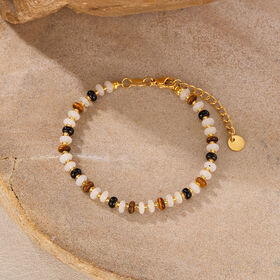
A jewelry OEM business plays a critical role in global jewelry supply chains. Many international brands avoid building factories due to high equipment investment and operational complexity. Instead, they rely on structured manufacturing partners with stable production systems. This model integrates design execution, sourcing, and mass production into one coordinated workflow. It allows brands to expand product lines without managing heavy infrastructure. Seasonal demand often requires flexible production capacity across multiple categories. Some buyers also combine jewelry collections with lifestyle accessories for broader market appeal. Products like Sexy Bikini Buckle Accessories for Women are sometimes used in mixed catalog strategies to attract different consumer groups. Premium brands also rely on structured production for high-end collections such as Luxury Fine Jewelry Set, which requires precise craftsmanship and strict quality control.
How Design Development Works in a jewelry OEM business
Design development starts with client sketches, reference images, or CAD files. Clients submit design concepts, and engineers translate these inputs into precise 3D models for production. Engineering teams analyze every structure to ensure durability, proper weight balance, and accurate gemstone positioning. Prototype teams produce wax models to verify design accuracy before metal casting. Clients review and approve samples before production enters the mass manufacturing stage. Surface finishing processes include mirror polishing, matte textures, and brushed effects based on product requirements. Technicians test clasp strength and joint stability during the prototyping stage to ensure structural reliability. Engineers make adjustments to optimize manufacturability and reduce production defects. This structured development workflow supports stable output quality and consistent performance across large-scale manufacturing orders.
Supply Chain Management
Raw material sourcing is a core part of jewelry manufacturing operations. Precious metals such as gold and silver must meet strict purity standards. Common grades include 14K, 18K, and 925 sterling silver. Gemstone procurement requires evaluation of clarity, color, and cut precision. Diamonds are usually accompanied by certification reports for grading accuracy. Pearl selection focuses on luster, surface condition, and shape uniformity. Inventory teams monitor global metal price fluctuations to control cost stability. Backup suppliers are maintained to prevent production interruptions. Logistics systems coordinate timely material delivery to production workshops. This structured supply chain ensures stable manufacturing performance across international orders.
Comparison of Jewelry Manufacturing Models
| Manufacturing Model | Design Ownership | Customization Level | Cost Structure | Typical Users |
|---|---|---|---|---|
| OEM Model | Client Owned | High | Medium to High | Established Brands |
| ODM Model | Factory Owned | Medium | Lower | Fast Market Entrants |
| Private Label | Template Based | Low | Lowest | Small Businesses |
OEM systems provide full design control and strong brand exclusivity. ODM models reduce development time but limit customization flexibility. Private label solutions rely on ready-made designs with minimal adjustments. Each model serves different business strategies and investment levels.
OEM production is preferred for long-term brand building. ODM is often used for rapid product launches. Private label is suitable for entry-level sellers with limited budgets. The selection depends on commercial goals and market positioning.
Production Technology
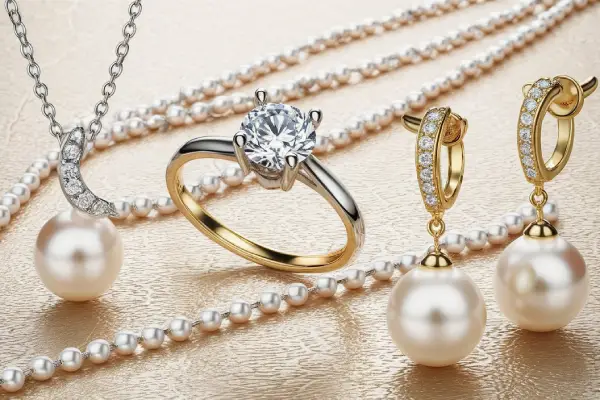
Modern jewelry manufacturing relies on advanced industrial equipment for precision output. Vacuum casting systems remove air bubbles during molten metal formation. Laser welding improves structural strength without damaging surrounding areas. CNC engraving machines create detailed logos and textures with high accuracy. Electroplating lines enhance surface durability and corrosion resistance. Polishing equipment ensures consistent finishing quality across production batches. Microscopic inspection tools are used for gemstone alignment checks. Weight measurement systems control material usage precisely. High-end collections such as Luxury Fine Jewelry Set require stricter polishing standards and tighter quality tolerance. Automation improves efficiency and reduces human error during large-scale production.
Quality Control System
Quality assurance plays a critical role in maintaining product reliability and strengthening brand reputation. Manufacturers test metal purity using spectrometers before approving materials for production. Inspectors perform surface inspections to detect scratches, plating defects, and structural issues. Teams evaluate stone-setting stability under pressure and vibration to ensure secure mounting. Engineers conduct chain durability tests to verify long-term wear resistance for necklaces and bracelets. Many factories implement ISO-based quality frameworks to standardize operational processes. Compliance teams perform nickel-release testing to meet European market requirements. Packaging teams verify logo accuracy and ensure complete set consistency before shipment. Each inspection stage actively reduces defect rates and improves overall customer satisfaction. Quality control functions as a core operational pillar in modern jewelry manufacturing.
Cost Structure Analysis
Pricing is influenced by multiple manufacturing and material factors. Precious metal costs are the largest component of total pricing. Gemstone quality significantly affects product value and final quotation. Mold development costs depend on design complexity and customization level. Labor expenses reflect craftsmanship difficulty and production precision requirements. Packaging customization adds branding and presentation value. Order volume directly impacts unit pricing through scale efficiency. Shipping costs vary based on destination, insurance, and logistics method. Transparent cost breakdowns help buyers manage budgets effectively. Stable pricing communication improves long-term supplier relationships.
| Cost Factor | Description | Impact Level |
|---|---|---|
| Precious Metals | Gold and silver market fluctuations | Very High |
| Gemstones | Clarity and certification grade | High |
| Mold Creation | Design complexity level | Medium |
| Labor Work | Craftsmanship skill requirement | High |
| Packaging | Brand customization level | Medium |
Cost control requires balancing material pricing and production efficiency. Market volatility in metals affects overall budgeting strategies. Skilled labor improves quality but increases production expenses.
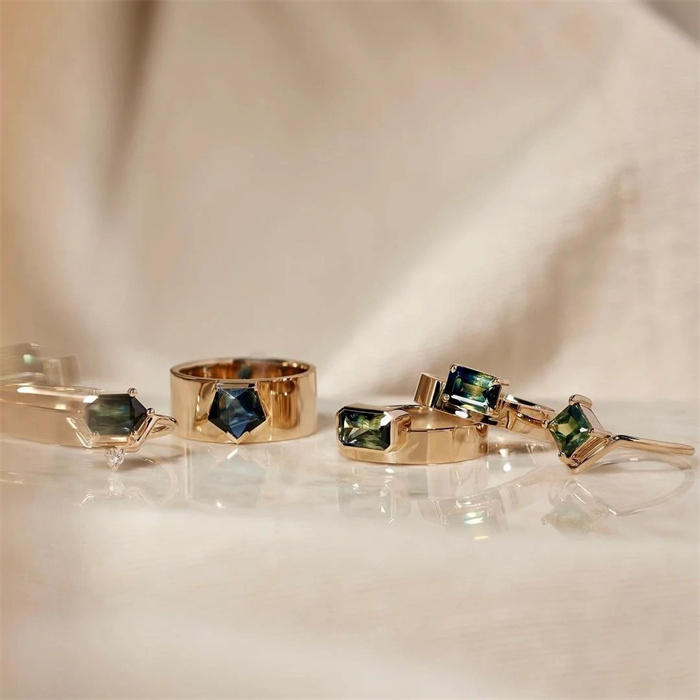
Packaging design also plays a role in brand positioning. Each factor contributes to final pricing structure.
Production Timeline and Order Coordination in a jewelry OEM business
Production scheduling ensures smooth workflow and timely delivery. Sample creation usually takes one to three weeks depending on complexity. Mold production follows after final approval. Mass production begins once technical details are confirmed. Casting, polishing, and stone-setting stages are coordinated sequentially. Packaging preparation runs parallel to manufacturing activities. Logistics teams handle customs documents and shipping arrangements. Some clients request split shipments for inventory flexibility. Efficient coordination improves delivery reliability and operational stability. Time management is essential for international jewelry supply chains.