
How Does A One Stop Jewelry ODM Factory Work?
-
A one stop jewelry ODM factory provides design, production, customization, and quality control services for jewelry brand growth.
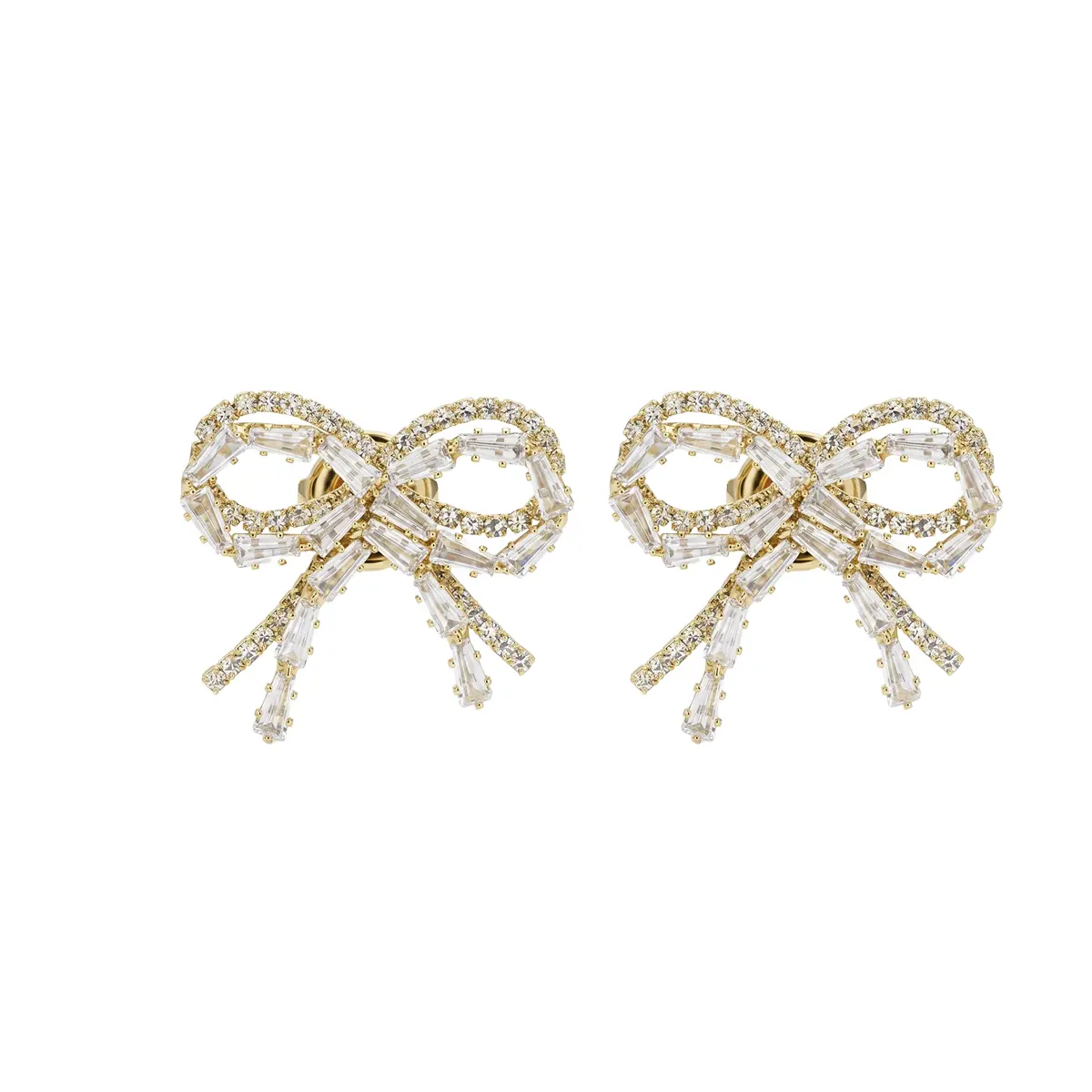
A professional one stop jewelry ODM factory connects creative ideas with finished jewelry through integrated services. The process usually begins with product planning, design development, material selection, and sample creation. Brands can work with experienced teams to transform concepts into market-ready collections. Such factories manage multiple production stages under one system, which improves communication and reduces development delays. Their services often cover customization, manufacturing, inspection, packaging, and delivery support. A structured workflow allows jewelry companies to maintain product consistency while responding quickly to changing market demands. The complete process creates a reliable foundation for long-term brand growth.
The Role Of A One Stop Jewelry ODM Factory In Brand Development
Jewelry brands often require flexible production solutions that support unique product ideas. A one stop jewelry ODM factory provides design assistance, technical support, and manufacturing coordination throughout the development cycle. Professional teams analyze market trends, customer preferences, and product positioning before creating suitable concepts. Designers then prepare drawings, select materials, and develop samples for evaluation. This approach helps brands reduce internal development pressure and improve launch efficiency. Factories also provide production advice based on material performance, processing methods, and cost control. Their experience allows businesses to create attractive jewelry collections with stable quality and practical manufacturing plans.
How Jewelry Design And Customization Services Build Unique Products
Creative development is a key stage in jewelry manufacturing because designs must balance appearance, function, and production feasibility. Designers use CAD technology and three-dimensional modeling to refine shapes, structures, and decorative elements. Custom services can include logo placement, color adjustment, gemstone selection, and packaging solutions. Material knowledge also affects final product quality. Stainless steel offers corrosion resistance and durability, while copper provides flexibility for detailed designs. Silver delivers a premium appearance but requires careful surface protection. One example of customized product development is the 18K Gold Plated Stainless Steel Cubic Zirconia Heart Bracelet, which combines metal strength with decorative elements for fashionable jewelry collections.
Material Selection And Manufacturing Processes In ODM Jewelry Production
Material preparation and manufacturing accuracy directly influence jewelry performance. A one stop jewelry ODM factory manages different production stages, including cutting, forming, polishing, plating, and assembly. Each material requires specific processing methods to achieve the desired appearance and durability. Stainless steel jewelry often uses precision machining and polishing to create smooth surfaces. Electroplating adds decorative finishes while improving visual appeal. Quality teams monitor coating thickness, adhesion, and surface consistency during production. Manufacturers also select suitable stones and accessories according to product requirements. Careful coordination between materials and processes helps brands receive products that meet appearance expectations and maintain stable performance during regular use.
| Production Stage | Main Activities | Quality Focus |
|---|---|---|
| Design Development | Concept creation, drawings, sample preparation | Design accuracy and market suitability |
| Material Processing | Metal forming, polishing, surface treatment | Material stability and appearance |
| Final Manufacturing | Assembly, inspection, packaging | Product consistency and reliability |
Quality Control Standards In Professional Jewelry Manufacturing
Quality management determines whether jewelry products can achieve long-term customer acceptance. Reliable manufacturers create inspection procedures for every production stage. Raw materials receive checks before processing begins. Production teams inspect dimensions, surface conditions, plating quality, and accessory attachment strength. Final inspections focus on appearance, functionality, and packaging protection. These procedures reduce defective products and support stable supply performance. Professional factories also maintain production records, testing information, and process documentation. Such practices provide brands with clearer manufacturing visibility and stronger cooperation confidence.
Important evaluation points for selecting a jewelry production partner include:
- Manufacturing experience and technical capability
- Flexible customization support
- Stable material supply channels
- Detailed quality inspection procedures
- Efficient communication and project management
How A One Stop Jewelry ODM Factory Ensures Efficient Production Management
Production management requires coordination between design teams, suppliers, technicians, and quality inspectors. A one stop jewelry ODM factory creates a connected workflow that improves communication between different departments. Production schedules can be adjusted according to order requirements, material availability, and market timelines. Inventory planning also helps prevent delays caused by missing components. Packaging teams prepare suitable solutions based on product protection and brand presentation needs. Efficient management allows companies to reduce unnecessary coordination work and focus more on sales development. The integrated structure creates better control over product delivery and manufacturing stability.
| Management Area | Factory Support | Business Benefit |
|---|---|---|
| Supply Coordination | Material sourcing and supplier management | Reduced production interruptions |
| Production Planning | Schedule control and workflow organization | Faster product completion |
| Quality Management | Inspection systems and production records | Consistent product standards |
| Delivery Support | Packaging and shipment preparation | Smoother market distribution |
The Value Of A One Stop Jewelry ODM Factory For Growing Brands
Growing jewelry brands need suppliers that can support both current demands and future expansion. A one stop jewelry ODM factory helps businesses create collections with professional manufacturing resources and customized solutions. Brands can develop new designs without building complex production systems internally. Continuous cooperation also allows manufacturers to identify brand requirements and optimize future product development. Market feedback can support adjustments in styles, materials, and production methods. This partnership model enables faster responses to consumer trends while maintaining reliable quality standards. Long-term cooperation creates opportunities for innovation, efficient launches, and stronger market competitiveness.
Supply Chain Support And Product Delivery Solutions
A complete jewelry supply chain includes material purchasing, production scheduling, inspection, packaging, and transportation coordination. Professional suppliers organize each step to maintain product quality and delivery reliability. Strong supply management reduces risks caused by material shortages or production delays. Teams monitor order progress and communicate updates throughout manufacturing. Packaging solutions also receive attention because jewelry requires protection from scratches, moisture, and transportation damage.
Another important example is the Cubic Zircon Women’s Ring with Tarnish Free Waterproof Design, which reflects how material selection and surface protection influence customer experience. Reliable supply chain systems help brands maintain stable product availability.
| Supply Chain Element | Key Consideration | Expected Result |
|---|---|---|
| Material Control | Reliable sources and inspection standards | Stable product quality |
| Production Tracking | Clear schedules and progress monitoring | Timely completion |
| Packaging Process | Protection and presentation design | Improved customer experience |
How Jewelry ODM Partnerships Support Long Term Market Growth
Long-term cooperation with experienced manufacturers provides brands with continuous product development advantages. Companies can expand collections through seasonal designs, customized series, and market-specific products. Manufacturers contribute technical suggestions based on production knowledge and customer feedback. They also help improve designs by balancing creativity with manufacturing efficiency. Reliable partnerships reduce repeated supplier searches and create smoother business operations. When brands maintain consistent cooperation, they can develop stronger product identities and improve customer recognition. A professional manufacturing relationship becomes an important resource for sustainable jewelry business growth.
FAQ
What Services Does A Professional Jewelry ODM Partner Provide?
A professional jewelry ODM partner usually provides product design, sample creation, material sourcing, manufacturing, quality inspection, packaging, and delivery coordination. These services allow brands to manage product development through one connected process. Design teams help create suitable concepts, while production specialists ensure technical feasibility. Quality departments check materials, workmanship, and final appearance before shipment. Packaging support also helps brands improve product presentation.
A complete service structure reduces communication challenges and helps companies create jewelry collections with consistent standards. The cooperation model is suitable for brands seeking flexible customization and reliable production support.
How Can Brands Evaluate A Reliable Jewelry Manufacturing Partner?
Brands can evaluate a reliable partner by checking manufacturing experience, production capability, quality systems, and customization flexibility. A professional supplier should provide clear information about materials, production processes, inspection methods, and project management. Factory communication ability is also important because customized jewelry requires accurate information exchange. Brands can review samples, production facilities, and previous development experience before cooperation. Strong suppliers usually demonstrate stable workflows and detailed quality procedures. Careful evaluation helps companies select partners that can support product consistency, efficient development, and long-term cooperation.
Why Is ODM Manufacturing Important For Jewelry Brands?
ODM manufacturing helps jewelry brands create products efficiently without developing complete internal production systems. It combines design support, technical expertise, and manufacturing resources into one cooperation model. Brands can reduce development pressure while accessing professional production capabilities. ODM services also support faster responses to market trends because manufacturers can adjust designs and production plans quickly. Quality control systems help maintain product reliability during large-scale orders. This approach allows companies to focus on branding, marketing, and customer relationships while receiving dependable manufacturing support from experienced teams.