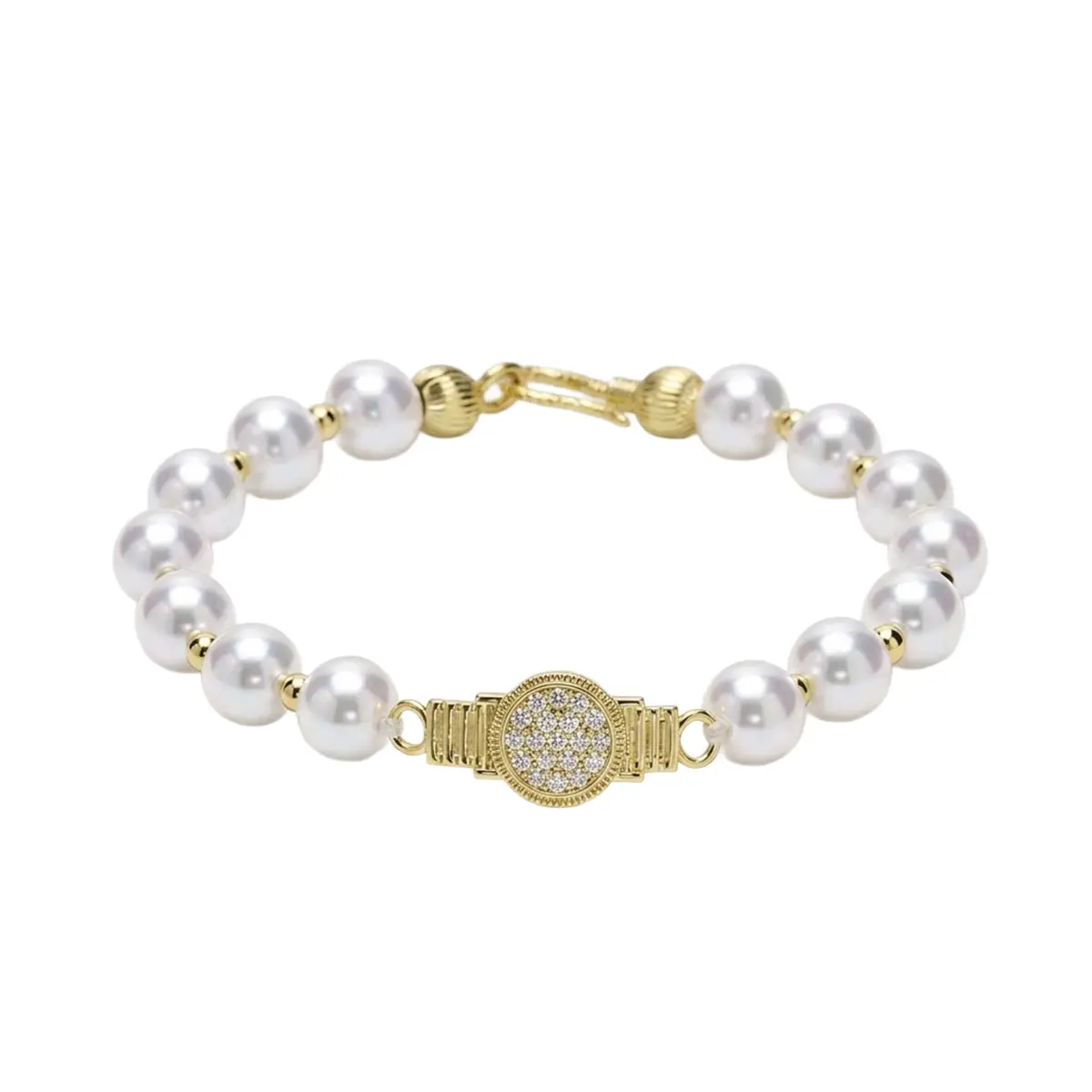
How Does Custom Bangle Bracelet OEM Process Work?
-
Custom bangle bracelet OEM covers design, materials, production methods, quality checks, and customization options for jewelry buyers.


Custom bangle bracelet OEM projects begin with detailed planning that connects creative concepts with manufacturing requirements. Buyers usually provide design references, target markets, preferred materials, and product expectations before production starts. Manufacturers review bracelet dimensions, decorative elements, structural requirements, and finishing preferences. Designers then create technical drawings based on confirmed specifications. The planning stage also considers customer preferences, price positioning, and production feasibility. Clear communication during this period reduces unnecessary modifications later. Experienced teams evaluate whether designs match available manufacturing methods. A complete preparation process creates a reliable foundation for efficient production and consistent jewelry quality.
Material Selection And Bracelet Structure Development Process
Material selection directly affects bracelet appearance, durability, comfort, and production performance. Stainless steel remains widely used because it provides corrosion resistance, strength, and easy maintenance. Brass offers excellent flexibility for detailed patterns and decorative finishing. Sterling silver creates a premium appearance with smooth polishing characteristics. Manufacturers also evaluate plating compatibility because coating quality influences long-term color stability. Bracelet structures require precise engineering to balance visual appeal and wearing comfort. Open cuff styles need accurate forming control to maintain shape after bending. Engineers analyze thickness, weight balance, and connection points before production. Proper material evaluation helps buyers create jewelry collections that match customer expectations and market requirements.
| Material Type | Main Characteristics | Suitable Applications |
|---|---|---|
| Stainless Steel | Durable, corrosion resistant, easy maintenance | Daily fashion bracelets |
| Brass | Flexible shaping and decorative finishing | Statement jewelry designs |
| 925 Sterling Silver | Premium texture and excellent polishing ability | Luxury jewelry collections |
Material Performance And Manufacturing Workflow Control
The production workflow combines material preparation, prototype development, sample confirmation, and mass manufacturing. Engineers transform creative ideas into technical drawings with accurate measurements. Prototype production allows teams to evaluate structure, size, comfort, and decorative effects before large-scale manufacturing. After sample approval, production teams prepare tools and organize processing procedures. Common methods include cutting, forming, polishing, gemstone setting, and electroplating. Material characteristics influence each manufacturing stage because different metals require specific handling methods. Stainless steel supports precise shaping, while softer metals need additional control during processing. A professional workflow reduces production risks and maintains stable results across different order quantities.
| Production Stage | Main Activities | Quality Focus |
|---|---|---|
| Design Development | Technical drawings and production evaluation | Design feasibility |
| Prototype Creation | Sample production and adjustment | Size and appearance accuracy |
| Mass Production | Processing and finishing procedures | Batch consistency |
Production Control Methods For Reliable Jewelry Results
Production control requires continuous inspection throughout the manufacturing cycle. Teams check dimensions, surface conditions, plating quality, and decorative details during different stages. In a custom bangle bracelet OEM process, dimensional inspection confirms that bracelets match approved specifications. Surface checks identify scratches, uneven polishing, or coating defects. Gemstone evaluation focuses on placement accuracy and fixing strength. Production records help manufacturers track material batches and processing information.
Buyers can review inspection procedures before confirming larger orders. Strong production control reduces defective products and improves delivery reliability. For complex jewelry structures, additional inspection steps provide better protection against manufacturing risks and maintain stable product standards.
Custom Bangle Bracelet OEM Quality Control Standards For Jewelry Production
Quality control determines whether customized jewelry maintains stable appearance, durability, and market performance. Manufacturers inspect materials, dimensions, surface treatments, and decorative elements throughout production. Metal composition testing confirms that selected materials meet required specifications. Surface inspections focus on polishing quality, plating thickness, and color consistency. Gemstone designs require additional checks for stone alignment and fixing strength. Production teams compare finished products with approved samples before shipment. These procedures reduce quality risks and improve product reliability. Buyers should evaluate inspection systems because jewelry quality directly affects customer satisfaction and brand reputation. A complete quality process combines technical testing with visual evaluation to maintain consistent results.

Key Quality Inspection Points For Customized Bracelet Orders
Professional inspection covers multiple technical areas before final delivery. Material verification confirms the suitability of selected metals for production. Dimension checks ensure bracelet sizes match approved drawings. Surface evaluations identify scratches, uneven finishes, and plating issues. Assembly inspections verify structural stability during daily use. Decorative components receive careful attention because small placement differences can affect overall appearance. For example, products with gemstone elements require precise setting control and detailed visual checks. Buyers can request sample confirmation and production records before shipment. These quality procedures help reduce unexpected issues and support stable product performance across different market environments.
Customization Options For Different Bracelet Market Requirements
Customization flexibility allows buyers to create collections that match different customer groups and market positions. Manufacturers can adjust bracelet shapes, metal colors, surface textures, gemstone arrangements, logo details, and packaging styles according to project needs. Some customers prefer simple designs with smooth finishes, while others choose bold structures with decorative elements. Logo engraving adds brand identity through personalized symbols or patterns. Packaging customization also improves product presentation and retail value. Design teams usually evaluate production feasibility before confirming complex features. A practical customization strategy balances creative ideas with manufacturing capability. This approach helps buyers develop attractive jewelry collections while maintaining efficient production processes.
| Customization Category | Available Options | Production Considerations |
|---|---|---|
| Structure Design | Cuff, rigid bangle, curved styles | Comfort and strength control |
| Surface Finishing | Gold plating, polishing, texture effects | Color stability and coating quality |
| Decoration Elements | Zircon, engraving, logo details | Placement accuracy and appearance |
Design Development Strategies For Competitive Bracelet Collections
After customization details are confirmed, manufacturers optimize designs for production efficiency and market appeal. Designers analyze customer preferences, fashion trends, and product positioning during development. A successful bracelet design considers appearance, comfort, weight, and manufacturing requirements. Complex structures may require additional processing steps and longer preparation periods. Decorative examples such as 18K Gold Plated Stainless Steel Zircon Open Cuff Bangle combine metallic finishing with zircon details to create distinctive visual effects. Buyers should review samples carefully because small design adjustments can influence production results. Effective development planning helps create jewelry collections that maintain quality while meeting different customer expectations.
Key Factors Affecting Custom Bracelet Production Costs
Production costs depend on material selection, design complexity, manufacturing techniques, order quantity, and packaging requirements. Material choices influence the basic cost structure because different metals require different processing methods. Detailed patterns, gemstone settings, and special structures usually increase production time and labor requirements. Surface treatments also affect expenses because advanced finishing processes need additional inspections. Larger quantities may improve production efficiency and reduce average costs. Buyers should prepare accurate specifications before production begins because unclear requirements can create additional adjustment expenses. A complete cost evaluation helps create realistic budgets and supports smoother project management.
- Material type and metal weight requirements
- Design complexity and decorative components
- Surface treatment and inspection procedures
- Order quantity and packaging specifications
Cost Planning Methods For Customized Jewelry Projects
Effective cost planning requires evaluation of every production factor before confirmation. Buyers should compare desired designs with available manufacturing solutions during a custom bangle bracelet OEM project. Stainless steel options often provide strong durability with reasonable expenses, while premium materials create higher product positioning. Production quantities influence pricing because larger orders usually improve manufacturing efficiency. Packaging choices also affect final budgets because customized boxes and protective materials require additional investment. Manufacturers can provide practical suggestions based on technical requirements and market goals. Careful planning helps control expenses and prevents unexpected changes during production. A clear cost structure supports better decision-making from initial design preparation to final delivery.
Packaging And Delivery Preparation For Custom Jewelry Orders
Packaging protects jewelry products from scratches, moisture, and transportation damage. Manufacturers commonly use protective bags, jewelry boxes, foam inserts, and moisture-resistant materials during preparation. Premium packaging designs can also improve customer impressions and strengthen product presentation, especially for decorative products like 18K Gold Plated Stainless Steel Pink Zircon Heart Bracelet. Before shipment, teams verify product quantities, packaging conditions, and order details. International transportation requires accurate documentation and careful logistics coordination. Proper preparation reduces delivery risks and helps products arrive in excellent condition. Packaging represents an important connection between manufacturing quality and customer experience. Well-organized delivery preparation supports reliable product handling and improves overall purchasing satisfaction.
Selecting A Reliable Bracelet Manufacturing Partner
Selecting a suitable manufacturing partner requires evaluation of production experience, technical capability, communication efficiency, and quality systems. Experienced suppliers usually provide stronger support during design adjustments and production planning. Buyers should review previous projects, factory resources, and manufacturing procedures before cooperation. Technical teams can recommend suitable materials and production methods based on product requirements. Communication efficiency also affects project progress because design changes require timely responses. A reliable partner maintains consistent standards from prototype creation to final shipment. Careful supplier evaluation helps buyers reduce production risks and build stable cooperation for future jewelry collections.
FAQ
What Information Should Buyers Prepare Before Starting A Custom Bracelet Project?
Buyers should prepare complete product information before beginning a customized bracelet project. Important details include design references, preferred materials, bracelet sizes, decorative requirements, target quantities, and packaging expectations. Clear specifications allow manufacturers to evaluate production methods and provide suitable recommendations. Design drawings, sample images, or technical descriptions improve communication between both sides. Buyers should also consider target customers, price positioning, and delivery schedules. Early preparation reduces unnecessary revisions during development. A detailed project brief helps production teams create accurate samples and organize manufacturing procedures more efficiently.
How Long Does A Custom Bracelet Production Cycle Take?
Production time depends on design complexity, material selection, sample approval speed, and order quantity. Simple bracelet projects may require several weeks from design confirmation to shipment preparation.
Products with gemstones, special structures, or advanced finishing processes usually need longer development periods. Prototype adjustments can influence the overall schedule because manufacturers need approval before mass production. Buyers can improve efficiency by providing complete requirements and responding quickly during sample reviews. A clear production timeline helps businesses arrange marketing activities, inventory planning, and product launches more effectively.
What Quality Checks Are Used For Custom Jewelry Orders?
Quality checks for customized jewelry orders include material inspection, size verification, surface evaluation, decoration review, and final packaging checks. Manufacturers examine metal conditions before production and inspect finished products after processing. Plating quality receives special attention because coating problems may affect appearance and durability. Workers also check bracelet structures to ensure comfortable wearing performance. Final inspections compare finished items with approved samples and technical requirements. These procedures help maintain consistency across production batches. Buyers can review quality standards before shipment to confirm that products meet expected requirements.