
How Does Jewelry Sample Evaluation Improve Quality Control?
-
Jewelry sample evaluation improves quality control through material checks, craftsmanship validation, and supplier consistency assurance.
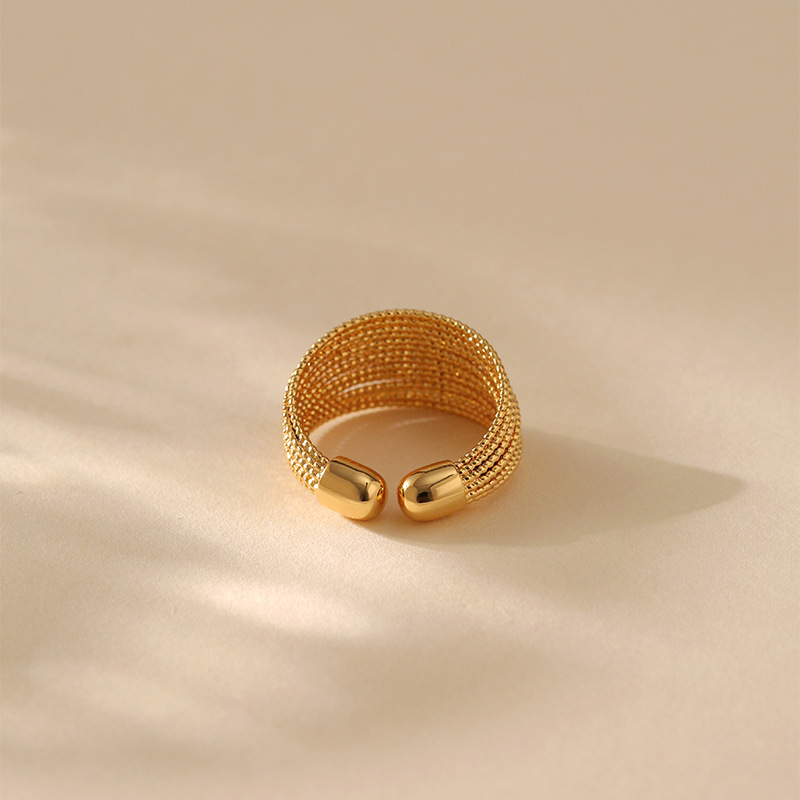

Jewelry sample evaluation plays a critical role in B2B sourcing operations. It ensures that buyers verify product quality before bulk production begins. Each sample reflects the supplier’s technical capability and material selection standards. Buyers rely on this process to confirm alignment with specifications and expectations. Without structured evaluation, inconsistencies often appear during mass production. These issues can increase return rates and damage brand reputation. A well-defined evaluation system improves communication between both parties. It also establishes measurable benchmarks for quality control. Manufacturers benefit from early feedback and clear technical direction. As a result, production efficiency improves significantly. This process creates a controlled starting point for long-term cooperation and stable supply chains.
How Does Jewelry Sample Evaluation Improve Quality Control In Production?
Jewelry sample evaluation improves quality control by identifying defects early in the process. Buyers can detect issues in design, structure, or finishing before scaling production. Early corrections prevent costly rework and production delays. Manufacturers receive precise feedback that aligns output with buyer expectations. This process reduces uncertainty during bulk manufacturing stages. Consistent standards also help maintain uniformity across large production volumes. Quality deviations become easier to track and correct systematically. Additionally, evaluation improves communication clarity between sourcing teams and factories. It eliminates subjective interpretations of quality requirements. Over time, this structured approach strengthens supplier reliability. These benefits directly contribute to stable and predictable production outcomes.
Material Inspection Standards In Product Sampling
Material inspection remains a core component of product sampling in jewelry sourcing. Buyers must verify metal composition, including gold purity and alloy ratios. Silver content often requires testing against international standards like 925 sterling benchmarks. The 925 standard means silver contains 92.5 percent pure silver and 7.5 percent alloy metals, usually copper. This composition improves hardness while maintaining high silver content. Pure silver alone is too soft for durable jewelry manufacturing. Gemstone authenticity also demands careful verification using grading criteria such as clarity and cut quality. Plating thickness affects both durability and visual appeal. Thin coatings tend to wear off quickly under regular use conditions. Anti-tarnish treatments must be evaluated for long-term performance stability. Surface reactions to moisture and chemicals require testing under controlled conditions. Each material element influences overall product lifespan and customer satisfaction. Reliable suppliers provide detailed material reports and certifications.
Craftsmanship Analysis And Manufacturing Precision
Craftsmanship determines both aesthetic value and structural reliability in jewelry production. Stone setting techniques must ensure secure placement without visible gaps. Prong, bezel, and pave settings each require different precision levels. Surface finishing processes influence texture, shine, and overall appearance. Polishing quality directly affects light reflection and perceived value. Engraving accuracy reflects machine capability and operator skill. Structural integrity must support daily wear without deformation or breakage. Components like clasps and hinges require functional testing under repeated use. Poor craftsmanship often leads to customer complaints and product returns. Consistent inspection helps manufacturers refine production techniques. Precision in craftsmanship defines the competitive strength of a supplier.
Supplier Capability Verification Through Sample Testing
Sample testing reveals the true production capability of a supplier. Buyers can assess whether factories possess advanced equipment and skilled labor. Production consistency depends heavily on machine precision and process control. Sample quality often reflects internal quality management systems. Suppliers with standardized workflows deliver more reliable results. Testing also highlights the factory’s ability to meet complex design requirements. Communication efficiency becomes visible during sample revision cycles. Faster response times indicate stronger operational discipline. In contrast, repeated errors suggest weak quality control systems. Buyers can use this information to evaluate long-term partnership potential. This approach reduces reliance on theoretical claims.
Key Criteria Checklist For Quality Inspection
Effective evaluation requires a structured checklist covering multiple quality dimensions. Buyers should follow standardized inspection criteria to ensure consistency.
- Visual appearance must match design specifications
- Dimensions should meet tolerance limits
- Surface finishing must show no scratches
- Stone settings must remain secure
- Coating thickness should meet durability requirements
- Functional parts must operate smoothly

These criteria create a consistent framework for evaluating different product categories. Jewelry sample evaluation becomes more objective when supported by clear inspection points. Standardization reduces subjectivity and improves decision accuracy. Clear benchmarks help suppliers align production with required specifications. Over time, repeated use of structured checklists improves efficiency. Buyers can quickly identify deviations and request targeted improvements.
Comparison Table Of Sample Evaluation Metrics
| Evaluation Aspect | Inspection Focus | Quality Impact |
|---|---|---|
| Material Quality | Purity, authenticity | Durability and value |
| Craftsmanship | Setting, polishing | Aesthetic and safety |
| Dimensions | Size, weight | Wearability and consistency |
| Coating | Plating thickness | Longevity and resistance |
Advanced Testing Methods And Quality Benchmarks
| Test Type | Method | Purpose |
|---|---|---|
| Metal Analysis | XRF Testing | Verify composition |
| Durability Test | Abrasion simulation | Check wear resistance |
| Stone Security | Vibration testing | Ensure stability |
| Coating Test | Salt spray test | Assess corrosion resistance |
Risk Reduction And Cost Control Through Sample Validation
Sample validation significantly reduces operational risks in jewelry sourcing. Early detection of defects prevents large-scale production failures. Manufacturers can correct issues before investing in bulk materials. This approach minimizes financial losses and production waste. Buyers also gain stronger negotiation leverage when quality issues appear early. Accurate evaluation supports better pricing discussions and contract terms. Consistent quality reduces return rates and customer complaints. Logistics costs also decrease due to fewer defective shipments. Jewelry sample evaluation contributes to stable profit margins over time. Companies can allocate resources more efficiently with predictable quality outcomes.

Standardization And Documentation In Evaluation Processes
Standardized documentation ensures consistency in evaluation processes. Approved samples must include detailed specifications and inspection records. These documents serve as references for future production batches. Clear tolerance limits help prevent misunderstandings between buyers and suppliers. Technical drawings should include precise measurements and finishing requirements. Communication improves when both parties follow structured documentation systems. Digital records allow easier tracking of revisions and quality changes. Jewelry sample evaluation benefits from transparency and traceability. Suppliers can replicate approved samples more accurately. Buyers gain confidence in long-term production consistency.
Common Challenges In Jewelry Sampling
Several challenges can affect the accuracy of sample evaluation processes. Misaligned expectations often lead to repeated revisions and delays.
Buyers may lack technical knowledge to assess complex craftsmanship details. Suppliers sometimes interpret design requirements differently without clear guidelines. Inconsistent quality benchmarks create confusion during inspections. Communication gaps can slow down decision-making and approvals. Limited access to testing equipment may restrict thorough evaluation. Time constraints often pressure teams to approve samples quickly. A product like Aretas bold chunky women’s bangle requires precise finishing standards. Without proper evaluation, such designs may fail to meet expectations.
Best Practices For Effective Evaluation Processes
Effective evaluation requires a combination of technical knowledge and structured processes. Multi-stage inspections improve accuracy and reduce oversight risks. Initial checks should focus on materials and basic craftsmanship. Secondary inspections can evaluate durability and functionality. Third-party testing adds an extra layer of reliability. Continuous feedback helps suppliers refine their production methods. Clear communication ensures alignment on quality expectations. Digital tools can streamline documentation and tracking processes. Jewelry sample evaluation becomes more efficient with standardized workflows. A product like trendy stacked bracelets bling zircon jewelry set demands consistent stone placement and finishing. Regular evaluation ensures such designs maintain uniform quality.
FAQ
What Is The Purpose Of Jewelry Sample Evaluation In B2B Trade?
Jewelry sample evaluation ensures that products meet quality expectations before mass production begins. It allows buyers to verify materials, craftsmanship, and design accuracy. This process reduces risks associated with large orders. Suppliers receive clear feedback and can adjust production methods accordingly. Consistent evaluation improves communication and alignment between both parties. It also establishes measurable quality benchmarks. Over time, this practice enhances supplier reliability and production consistency.
Businesses benefit from fewer defects and improved customer satisfaction. In competitive markets, structured evaluation processes support stronger brand positioning and long-term profitability.
How Often Should Jewelry Samples Be Evaluated Before Bulk Production?
Jewelry samples should be evaluated at multiple stages before bulk production. Initial evaluation occurs after the first prototype is completed.Additional reviews may follow design adjustments or material changes. Each revision requires verification to ensure improvements meet expectations. Final approval should happen only after all quality criteria are satisfied. Frequent evaluation reduces the risk of unnoticed defects. It also ensures consistency across production batches. Companies often implement at least two to three evaluation rounds. This structured approach improves quality control and reduces production errors.
What Are The Most Critical Factors In Jewelry Sample Evaluation?
The most critical factors include material quality, craftsmanship precision, and structural durability. Metal purity and gemstone authenticity directly affect product value. Craftsmanship determines both aesthetics and long-term reliability. Structural integrity ensures products withstand daily wear conditions. Surface finishing influences customer perception and brand reputation. Functional components must operate smoothly and consistently. Dimensional accuracy ensures comfort and usability. Coating performance affects resistance to tarnish and corrosion. Each factor contributes to overall product quality and ensures consistent performance standards.