
How Does OEM Jewelry Design And Manufacturing Work?
-
OEM jewelry design and manufacturing supports custom jewelry development, quality control, scalable production, and private label growth.

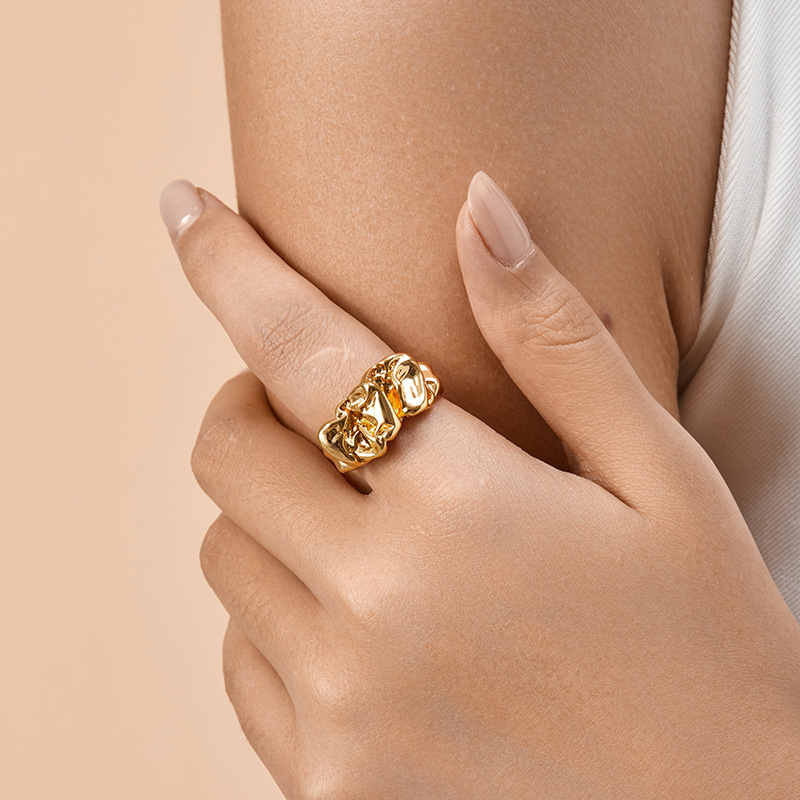
OEM jewelry design and manufacturing allows brands to create exclusive products without investing in factory infrastructure. Many retailers rely on specialized manufacturers to transform concepts into commercial jewelry collections. The process combines design expertise, engineering knowledge, sourcing capability, and production management. Strong OEM partnerships help businesses maintain product consistency and improve market competitiveness. Manufacturers often support material selection, prototype creation, production planning, and quality inspection. Professional suppliers also help reduce development risks before large orders begin. Many jewelry brands use this model to expand product categories while controlling operational costs. Effective cooperation creates faster product launches and stronger brand differentiation. Such manufacturing arrangements remain an important solution for distributors, wholesalers, online retailers, and private label companies seeking long-term growth.
Defining OEM Services Within the Jewelry Industry
OEM services focus on producing jewelry according to a client’s specifications and branding requirements. The client owns the product concept and controls market positioning. Manufacturers provide technical support and production resources throughout development. Most projects begin with sketches, reference images, or existing samples. Engineering teams convert these concepts into production-ready designs. Jewelry factories then manage sourcing, manufacturing, assembly, finishing, and inspection. Unlike standard wholesale purchasing, OEM projects create unique products unavailable to competitors. This exclusivity strengthens brand identity and customer loyalty. Many businesses prefer OEM arrangements because they offer greater flexibility over materials, finishes, packaging, and quality standards. The approach also supports customized collections designed for specific consumer segments and sales channels.
How OEM Jewelry Design and Manufacturing Begins With Product Planning
Successful OEM jewelry design and manufacturing starts with detailed planning and market evaluation. Brands must define target customers, product positioning, pricing objectives, and sales expectations. Designers evaluate fashion trends, consumer preferences, and competing products before development begins. Material choices influence appearance, durability, and manufacturing costs. Technical teams assess structural requirements to ensure reliable wear performance. Ring thickness, clasp strength, stone settings, and plating specifications require careful consideration.
Early planning reduces production revisions and prevents unnecessary expenses. Manufacturers often recommend design modifications that improve manufacturability without changing visual appeal. Strong communication during this stage helps align expectations between buyers and suppliers. Comprehensive planning creates a stable foundation for subsequent design and production activities.
CAD Development and Technical Design Conversion
Modern jewelry factories rely heavily on CAD software during product development. Designers convert initial concepts into precise digital models with accurate dimensions. These files contain structural details necessary for manufacturing operations. Engineers evaluate stone placement, metal weight distribution, and assembly requirements. Digital rendering allows brands to review products before prototype creation. This process saves both time and development expenses. Many suppliers provide multiple design revisions during approval stages. Accurate CAD models also improve production consistency across large orders. Technical documentation often includes measurements, material specifications, plating requirements, and stone information. Detailed design files reduce misunderstandings and support smoother communication between design departments and manufacturing teams throughout the project lifecycle.

Material Selection and Performance Requirements
Material selection influences product appearance, durability, corrosion resistance, and customer satisfaction. Sterling silver remains popular because of its balance between quality and affordability. Brass provides flexibility for fashion jewelry applications. Stainless steel offers exceptional corrosion resistance and structural stability. Many premium collections utilize precious metals with specialized finishing processes. Surface treatments include gold plating, rhodium plating, and protective coatings. Jewelry engineers evaluate hardness, tensile strength, and wear resistance during development. Stone settings require compatibility with selected materials. Factories often test plating adhesion and environmental durability before approval. Certain customized projects include products such as 316l Stainless Steel Custom Diamond Hoop Heart Earings, which require precise polishing and stable stone mounting systems to maintain appearance during long-term use.
Prototype Development and Sample Verification
Prototype development transforms digital designs into physical samples for evaluation. Factories commonly use wax carving, resin printing, or metal sample production. Each method helps verify dimensions, comfort, appearance, and assembly performance. Buyers inspect surface quality, product weight, stone positioning, and finishing consistency. Sample approval reduces uncertainty before mass production begins. Manufacturers frequently recommend adjustments based on technical feasibility and production efficiency. Multiple revision cycles may occur before final authorization. Thorough sample verification prevents large-scale manufacturing defects and unnecessary costs. Professional factories maintain documented approval procedures to ensure design accuracy. A well-executed prototype stage improves communication efficiency and creates stronger confidence in future production outcomes.

Core Manufacturing Technologies Used In Jewelry Production
Several manufacturing technologies support modern jewelry production efficiency and precision.
- Lost wax casting for complex shapes
- CNC machining for precise dimensions
- Laser welding for detailed assembly
- Micro stone setting techniques
- Electroplating for decorative finishes
- Hand polishing for surface refinement
- Ultrasonic cleaning before inspection
- Laser engraving for branding elements
Each technology serves a specific function during production. Factories combine automated equipment with skilled craftsmanship to achieve consistent quality. Technology selection depends on product complexity, material type, and order volume. Advanced manufacturing capabilities improve production stability while maintaining design accuracy. Experienced suppliers continually upgrade equipment to meet evolving market demands and quality expectations.
Production Method Comparison and Manufacturing Efficiency
| Manufacturing Process | Main Purpose | Advantages |
|---|---|---|
| Lost Wax Casting | Complex Structures | High Design Flexibility |
| CNC Machining | Precision Components | Excellent Accuracy |
| Laser Welding | Component Assembly | Clean Connections |
| Electroplating | Surface Enhancement | Improved Appearance |
| Hand Polishing | Final Finishing | Premium Surface Quality |
Why Quality Control Determines Manufacturing Success
Quality control directly affects customer satisfaction, return rates, and brand reputation. Professional factories establish inspection checkpoints throughout production. Incoming material verification confirms metal composition and gemstone specifications. Process inspections monitor casting quality, assembly accuracy, and finishing consistency. Final inspections evaluate appearance, dimensions, functionality, and packaging conditions. Testing procedures may include plating thickness measurement and wear resistance evaluation. Documentation helps track compliance across production batches. Strong quality systems reduce defects and improve reliability. Many suppliers follow international quality management practices to support global customers. Consistent inspection standards create greater confidence among distributors, retailers, and private label brands seeking dependable manufacturing partners.
Quality Control Standards Across Production Stages
| Production Stage | Inspection Focus | Business Benefit |
|---|---|---|
| Raw Material Review | Metal Purity | Stable Product Quality |
| Prototype Evaluation | Design Accuracy | Reduced Revisions |
| Mass Production | Process Consistency | Improved Efficiency |
| Final Inspection | Appearance Standards | Lower Return Rates |
| Packaging Review | Brand Presentation | Better Customer Experience |
How OEM Jewelry Design and Manufacturing Supports Brand Customization
OEM jewelry design and manufacturing provides extensive customization opportunities for growing brands. Businesses can select unique materials, proprietary designs, exclusive finishes, and customized packaging solutions. Manufacturers often support logo engraving, private labeling, and branded presentation boxes. Customized packaging strengthens product recognition and enhances customer experience. Many brands use exclusive collections to differentiate themselves within competitive markets. Factories also assist with product line expansion and seasonal collection development. Professional suppliers maintain flexible production capabilities that support varying order volumes. Some luxury projects incorporate products such as Luxury 18K Gold Plated Pearl Textured Rings, requiring specialized finishing processes and premium packaging standards. Effective customization strengthens market positioning and improves long-term commercial value.
Selecting The Right OEM Jewelry Design and Manufacturing Partner
Choosing the right OEM jewelry design and manufacturing partner requires careful evaluation of technical capability and operational reliability. Buyers should assess production capacity, quality systems, engineering expertise, and communication efficiency. Factory audits provide valuable insight into equipment conditions and process management practices. Strong suppliers offer transparent documentation and consistent project updates. Experience within specific jewelry categories often improves development efficiency. Businesses should review sample quality and previous project performance before commitment. Long-term cooperation frequently delivers better pricing stability and production consistency. Strategic partnerships support faster innovation and smoother product launches. Careful supplier selection reduces operational risks and contributes to sustainable business growth within competitive jewelry markets.
Future Trends Shaping OEM Jewelry Design and Manufacturing
OEM jewelry design and manufacturing continues evolving alongside technological advancements and changing consumer expectations. Digital design systems improve development speed and design precision. Automated equipment enhances production consistency while reducing waste. Sustainable sourcing practices receive increasing attention from global buyers. Recycled metals and responsible material procurement influence purchasing decisions across many markets. Small-batch customization has become more accessible through advanced manufacturing technologies. Data-driven production planning also improves inventory efficiency and responsiveness. Many factories invest in smart manufacturing systems that support traceability and operational transparency. Future growth will likely focus on customization, sustainability, and manufacturing flexibility. Companies that embrace these developments can strengthen competitiveness and create stronger value for customers.
FAQ
What is the difference between OEM and ODM jewelry manufacturing?
OEM manufacturing follows a client’s original design and branding requirements. The buyer controls product specifications and intellectual property ownership. ODM manufacturing uses designs developed by the manufacturer. Buyers select existing products and customize selected features. OEM projects provide stronger exclusivity and greater brand differentiation. ODM projects generally require shorter development timelines. Many businesses choose OEM when building unique product portfolios. Others select ODM for faster market entry. The decision depends on budget, product strategy, and competitive objectives. Both models support private label growth, although OEM usually offers greater control over design, materials, production standards, and overall brand identity.
How long does OEM jewelry production usually take?
Production timelines vary according to design complexity, materials, order quantity, and factory workload. Initial design development often requires several days or weeks. Prototype creation and approval may involve multiple revision rounds. After approval, sourcing and production scheduling begin.Mass production generally takes several weeks depending on order size. Additional time may be required for plating, stone setting, packaging, and quality inspections. International shipping also affects overall lead times. Effective communication helps reduce delays throughout development.

Experienced suppliers provide detailed production schedules and progress updates. Proper planning allows businesses to align inventory requirements with product launch objectives and seasonal demand patterns.
What factors affect OEM jewelry manufacturing costs?
Several factors influence manufacturing costs during OEM projects. Material selection remains one of the most significant cost drivers. Precious metals, gemstones, and premium finishes increase overall expenses. Design complexity also affects labor requirements and production efficiency. Advanced stone settings and detailed structures require additional craftsmanship. Order quantity influences unit pricing because larger volumes improve production efficiency. Packaging customization adds further costs. Quality inspection requirements and certification standards may also impact budgets. Shipping methods affect final expenses, especially for international deliveries. Businesses should evaluate total project costs rather than focusing solely on manufacturing prices when selecting a supplier.