How Does Waterproof Stainless Steel Jewelry Prevent Tarnish?
-
Waterproof stainless steel OEM ODM jewelry prevents tarnish through solid 316L chromium passivity and physical vapor deposition.
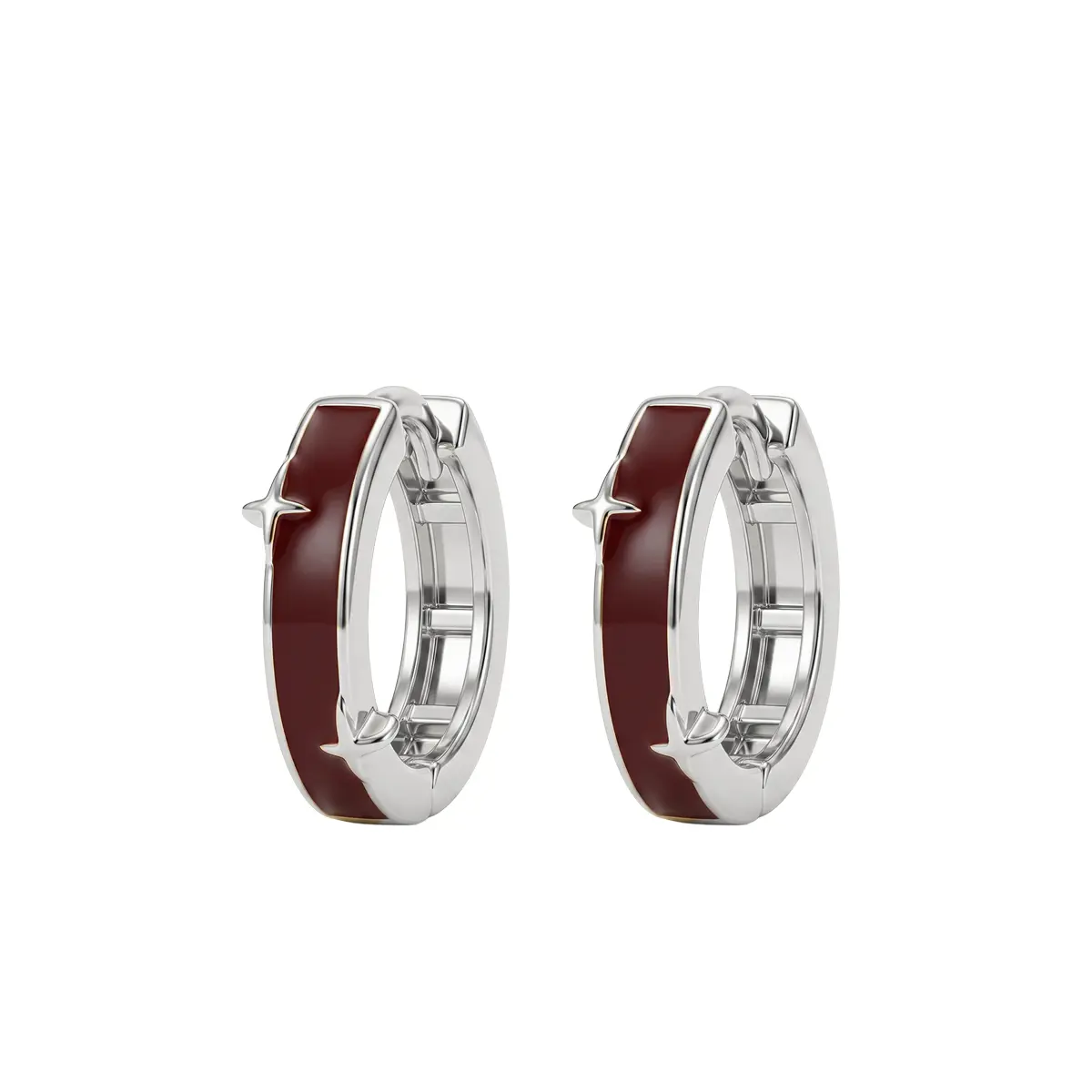
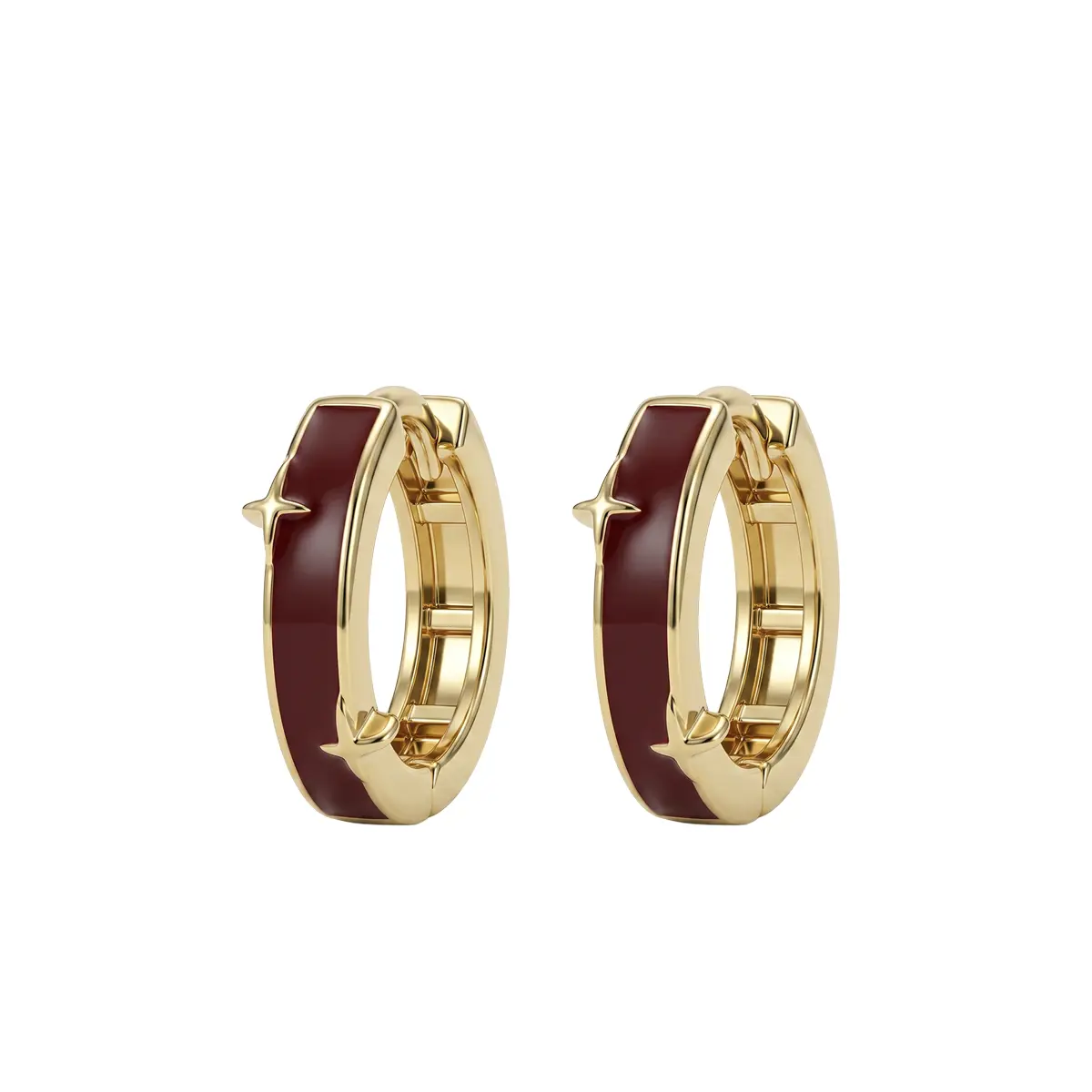
Global B2B buyers constantly seek durable stock that resists harsh environmental conditions. Metal discoloration represents a major concern for retail distributors worldwide. Buying premium waterproof stainless steel OEM ODM jewelry solves this structural problem. The base metal contains high levels of chromium to block moisture damage. This natural barrier forms an invisible shield against atmospheric humidity. Exposure to moisture normally triggers rust on inferior fashion accessories. Solid surgical grade alloys maintain their polished finish during daily use. Brands achieve higher customer satisfaction by sourcing these resilient products. Professional suppliers guarantee bulk batches with zero superficial cosmetic defects. Implementing strict manufacturing controls eliminates costly return rates for businesses. Modern consumers demand reliable luxury items that survive routine hand washing. Sourcing durable stock from certified factories elevates your retail brand equity.
Chemical Passivity in Water-Resistant Custom Steel Ornaments
Physical Vapor Deposition on Tarnish-Free Metal Sourced Accessories
Designing waterproof stainless steel OEM ODM jewelry to Resist Pitting
Performance Benchmarks for Bespoke Rustproof Metallic Sourced Pieces
| Coating Method | Thickness (Microns) | Adhesion Rating | Salt Spray Durability (Hours) |
|---|---|---|---|
| Vacuum Ion Plating (PVD) | 1.5 - 3.0 | Excellent (5B) | Over 48 Hours |
| Standard Electroplating | 0.1 - 0.5 | Moderate (3B) | Less than 12 Hours |
| Electrophoretic E-Coating | 10.0 - 20.0 | Good (4B) | Around 24 Hours |
Deep Technical Analysis of Modern Plating Deposition Metrics
Metallurgical Profiles of Anti-Corrosive Metal Alloys
| Steel Grade Name | Chromium Content (%) | Nickel Content (%) | Molybdenum (%) | Pitting Resistance (PREN) |
|---|---|---|---|---|
| Grade 304 Steel | 18.0% - 20.0% | 8.0% - 10.5% | 0.0% (None) | Low (~18.0) |
| Grade 316L Surgical | 16.0% - 18.0% | 10.0% - 14.0% | 2.0% - 3.0% | High (~25.0) |
| Grade 904L Premium | 19.0% - 23.0% | 23.0% - 28.0% | 4.0% - 5.0% | Extreme (~36.0) |
Comparing Elemental Formulas for Optimal Tarnish Protection
Mandatory Testing Protocols for Global Retail Sourcing
- XRF Spectrometry Analysis: Chemical scanning verifies exact alloy content levels.
- Cross-Cut Adhesion Test: Mechanical scoring tests vacuum plating bond durability.
- Artificial Perspiration Chamber: Chemical baths simulate long-term human skin exposure.
- Hardness Scratch Testing: Diamond tips verify resistance to abrasive wear.
Implementing Strict Factory Inspection Routines for Bulk Stock
Reliable manufacturers of waterproof stainless steel OEM ODM jewelry perform daily tests. They expose physical samples to acidic artificial sweat chambers. This process replicates years of human wear in just forty-eight hours. Hardness testing ensures the finished items resist common micro-abrasions from handling. Brands secure consistent high quality by demanding verified testing logs. Rejecting sub-standard factory batches prevents bad ratings on retail websites. Modern automated inspection systems track batch quality across entire assembly lines. Sourcing certified goods minimizes customer returns and secures high profit margins. Smart retailers verify factory testing equipment before signing long-term supply agreements.
Structuring Sustainable Retail Growth in the Global Jewelry Sector
Sourcing Advanced Protective Protective Packaging for Bulk Shipping
FAQ
What Specific Metal Grades Best Protect Accessories Against Rust?
Can Chlorine Exposure Degrade Vacuum Plated Exterior Finishes?
How Do Bulk Manufacturers Verify Hypoallergenic Product Compliance?