
How Much Does Custom Jewelry Cost?
-
How much does custom jewelry cost? such as hidden fees, material selection, labor costs, and smarter money-saving tips for custom orders.
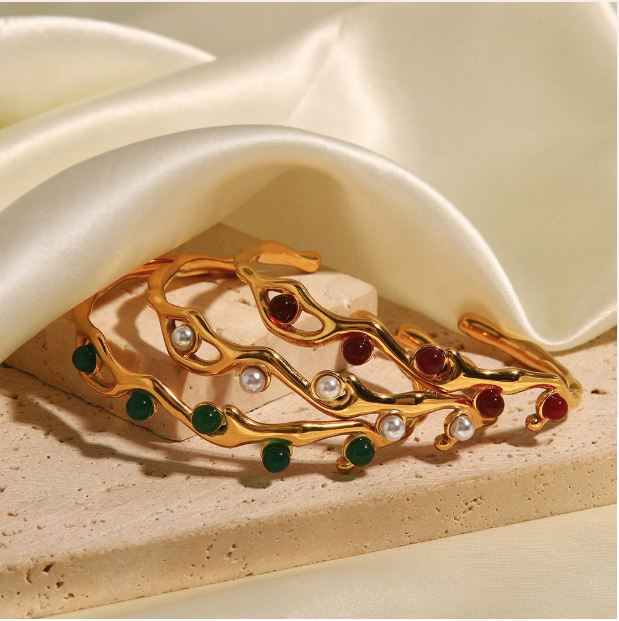

how much does custom jewelry cost depends mainly on material choice. Precious metals such as platinum command high price per gram. Gold costs vary by karat and market rates. Silver offers a lower cost but still needs careful finishing. Gemstone quality greatly affects price. Cut clarity and carat drive gemstone cost. Labor and artisan expertise add fixed fees. Design complexity extends bench time and tools. Casting, hand finishing, and setting increase labor hours. Prototyping and sample adjustments raise early costs. Hallmarks and stamping can add certification charges. Packaging choices and branding influence final retail pricing. Buyers who request fast turnaround pay rush premiums. Each of these factors combines to create a final quote.
Design and labor breakdown explained step by step
Design time, CAD modeling, and revisions produce upfront fees. How much does custom jewelry cost reflects those early investments. Jewelers often bill per hour for design and for CAD adjustments. Prototype wax or resin models may incur additional charges. Artisan bench hours vary with complexity and finish level. Hand engraving and filigree require skilled labor at premium rates. Assembly and polishing follow setting and soldering processes. Stone setting methods like pavé demand more time than bezel setting. Each process step adds a predictable time cost. Clear briefs and finalized sketches reduce revision rounds. Designers who standardize details on the first pass lower total hours and keep costs controlled.
Gemstone sourcing and grading practices that matter to price
How much does custom jewelry cost shifts when consumers request rare stones. Natural versus lab grown gems show distinct price gaps. Certification for stones adds cost and assurance. Buyers often value GIA or IGI reports for high end pieces. Sourcing directly from dealers may lower margins. Ethical sourcing and traceability choices can add premium charges. Jewelers who provide provenance documentation may charge for verification. Stone replacement policies influence long term value and trust. Appraisals after purchase add a small additional cost. When stone scarcity rises, prices inflate rapidly. Planning purchases in less volatile windows helps stabilize budgets.
Hidden fees that raise the final invoice
Many buyers misjudge extra charges and ask how much does custom jewelry cost only to face surprises later. Standard quotes may omit shipping insurance and customs duties. Careful buyers should request a fully itemized quote. Rework fees apply when orders deviate from agreed specs. Size adjustment after casting often triggers a fee. Rhodium plating for white gold carries per piece cost. Import taxes differ by destination and can be significant. Cleaning and maintenance plans may be optional and billed separately. Rush orders typically include elevated labor surcharges. Return and cancellation policies may levy restocking fees. Understanding these items prevents unexpected billing.
A realistic timeline and its cost implications
List of common cost levers to control spend
• Choose alternative metals like sterling silver over platinum
• Opt for lab grown stones instead of natural gems
• Limit custom engraving and ornate filigree details
• Approve final designs before production begins
• Select standard sizes to avoid resizing fees
• Bundle orders to reduce per unit setup costs
This list highlights tangible levers buyers can use to reduce final spend without compromising core design intent. Each suggestion reduces specific cost drivers. Choosing a lower cost metal directly cuts material expense.

Lab grown stones often cost a fraction of comparable natural gems, while still appearing visually similar. Limiting ultra fine handwork shortens bench hours. Final design approval prevents multiple prototypes and revisions. Ordering multiple similar pieces spreads setup costs and improves supplier economics.
How to save on design and production without losing quality
Careful planning reduces how much does custom jewelry cost in practice. Start with a clear brief and reference images. Use standardized components when possible to cut bench time. Accept minor standard sizes to avoid post production resizing. Request a single prototype and then confirm bulk production. Negotiate tiered pricing for larger runs or repeat orders. Ask for lab grown options to lower gemstone spend. Seek suppliers who provide transparent tech packs, including rope chains brass pendant specifications when applicable. Consider local manufacturers to reduce shipping and customs risk. Ask for bundled services like design plus packaging. These steps preserve craftsmanship while controlling expense.
Joychicco wholesale and sourcing services for buyers
Joychicco offers jewelry wholesale services for retailers and designers. The company supplies finished items and private label solutions. Joychicco supports low MOQ runs for market testing. Clients receive technical packs and sample photos on request. The team manages QC and shipping to international markets. Buyers can request colorways and plating options from existing SKUs. Joychicco also provides pricing breaks on repeat orders. Potential partners should submit product lists and target volumes. The firm responds with lead times and FOB or DDP pricing. For sourcing help and a formal quote contact Joychicco sales to start a procurement conversation.
Cost comparison table for quick reference
| Item | Typical Cost Range | Notes |
|---|---|---|
| Gold per gram | $50 to $75 | Varies with karat and market |
| Labor per hour | $30 to $120 | Depends on skill and region |
| GIA certification | $100 to $500 | Applies to certain gemstones |
This concise table gives ballpark ranges and clarifies what to expect from the top three cost drivers. Material prices swing with global markets and affect quotes daily. Labor rates relate to artisan skill and local living costs. Certification provides proof of quality and increases resale confidence. Buyers should use these ranges only for early planning. Final quotes require exact specs and current metal pricing. Always request an itemized estimate before committing to production.

Pricing scenarios and sample budgets
Scenario planning helps compute how much does custom jewelry cost for typical orders. A simple silver pendant with a small lab stone can land at a modest price. Mid tier custom rings in 14 karat gold with modest diamonds sit in a middle bracket. High end engagement rings with natural stones and intricate work reach premium budgets. Volume production reduces unit cost across these scenarios. Adding certified stones and custom packaging escalates the total. Buyers should align target margins with retail pricing when ordering wholesale. Early scenario modeling avoids later surprises and helps set realistic margins.
Negotiation tactics when requesting quotes
Ask suppliers for separate line items in quotes to see cost drivers. Request alternative materials and parallel options to compare value. Negotiate lead times to reduce rush premiums if timing allows. Ask for sample charges to be applied to final orders. Propose minimum repeat orders for better pricing. Clarify warranty, alteration, and return policies in writing.
Use multiple bids to create competitive tension. Offer longer term partnership forecasts in exchange for better unit rates. Keep final agreements in written contracts to avoid scope creep. These tactics improve transparency and often lower final invoicing.
Financing and payment structures that reduce cash strain
Payment terms impact how much does custom jewelry cost in cash flow terms. Net 30 or net 60 terms ease upfront burden for buyers. Deposits reduce supplier risk and secure production slots. Letter of credit options protect both parties in large deals. Escrow services may help with high value or cross border transactions. Staged payments tied to milestones evenly distribute cost exposure. Early payment discounts sometimes lower the total invoice. Buyers should weigh financing fees against potential savings from discounts. Clarifying payment terms in contracts prevents later disputes and delays.
Quality control and inspection costs to budget for
Pre shipment inspection and third party QC add cost but reduce returns. How much does custom jewelry cost grows when buyers require independent checks. Inspectors review metal purity, stone settings, and finishing quality. Photographic reports document issues and expedite claims. Rework costs apply if items fail inspection. Buyers may add a small contingency fund to cover expected rework. For branded launches, tighter QC prevents reputation risk. Investing in QC early saves greater post sale costs. Buyers who accept supplier internal QC without independent checks take more risk.
Warranty, aftercare and long term value considerations
Warranties influence perceived value and after sale costs. Extended warranties may add to the purchase price or be offered free to convey confidence. Aftercare services like cleaning and replating cost either per visit or via subscription. Long term value depends on material durability and design trends. Resale or trade in programs also affect lifetime cost perspectives. Buyers should compare total cost of ownership and not only initial outlay. For heirloom pieces, higher initial cost often yields longer term satisfaction and lower replacement needs.
FAQ
How much does custom jewelry cost for a simple silver pendant?
A simple silver pendant typically costs less than complex metal pieces. Material cost for sterling silver remains modest compared to gold. Labor involves casting, finishing, and a single small stone set if requested. Design time often stays low for a simple silhouette and limited revisions. Sample production and final polishing are standard processes that add predictable hours. Buyers can reduce cost by choosing standard chain lengths and avoiding heavy engraving. Shipping insurance and packaging choices add a small extra charge. On balance a typical simple custom silver pendant can range widely, but buyers who share exact specs receive accurate quotes faster and avoid guesswork.
How much does custom jewelry cost for an engagement ring with a lab grown diamond?
An engagement ring with a lab grown diamond will often cost less than a comparable natural stone ring. Diamond cost depends on carat weight, cut, clarity, and color. Lab grown stones provide similar visual characteristics at lower prices. Ring setting complexity and metal type alter labor hours and final price. Certification for diamond quality adds extra expense and may be optional. Buyers who choose standard ring sizes reduce resizing risks and fees. Rush orders and special finishes escalate costs. A realistic budget range varies, and informed buyers should request a detailed estimate including stone certificate and labor.
How can buyers save when asking how much does custom jewelry cost?
Buyers reduce cost by making early decisions and limiting revisions. Selecting alternate metals and lab grown stones lowers material expense significantly. Approving a single prototype reduces prototype iteration fees. Bundling multiple similar items spreads setup costs and secures better unit pricing. Negotiating payment terms and requesting volume discounts helps manage cash flow. Working with suppliers who publish transparent line item quotes prevents hidden surprises. Using local manufacturers can save on shipping and customs charges. These measures help buyers get strong craftsmanship at more predictable costs while protecting quality and resale value.