
How Reliable Is ODM Jewelry Production Service China?
-
ODM jewelry production service China provides stable quality, flexible MOQ, and efficient export support for global jewelry brands.

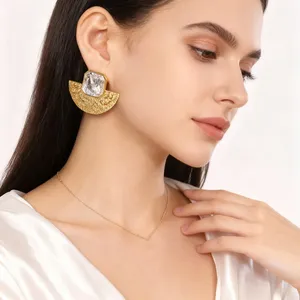
ODM jewelry production service China continues attracting wholesalers, distributors, and private label jewelry companies worldwide. Chinese manufacturers support large production volumes while maintaining competitive operating costs for international B2B buyers. Mature industrial regions contain plating workshops, casting suppliers, gemstone processors, and packaging factories within connected manufacturing clusters. This structure reduces transportation delays and accelerates production scheduling significantly. Many factories also provide CAD development, rapid sampling systems, and customized branding support for export customers. Experienced suppliers operate specialized production lines for brass, sterling silver, stainless steel, and titanium jewelry collections. Strong infrastructure improves production consistency across bracelets, necklaces, rings, and earrings. Reliable factories additionally maintain long-term partnerships with logistics companies to stabilize international shipment performance during seasonal demand increases.
Manufacturing Systems Supporting Jewelry Precision
Professional jewelry factories depend on advanced production systems to improve structural consistency and surface quality. CAD engineers first create digital product drawings before mold engraving begins inside CNC machining departments. Vacuum casting equipment then reduces metal porosity and improves structural density during production operations. Polishing teams handle multiple grinding stages before electroplating procedures start inside dedicated plating workshops. Many export suppliers maintain separated plating tanks for rhodium, gold, and silver coatings to avoid contamination risks. Skilled gemstone technicians also inspect stone alignment under microscope equipment during micro-setting procedures. Temperature stability inside workshops remains important because humidity fluctuations affect plating adhesion performance significantly. Several factories further invest in automated chain soldering systems that strengthen bracelet structures during mass production cycles for international wholesalers.
How ODM Jewelry Production Service China Maintains Product Quality
ODM jewelry production service China depends heavily on detailed inspection systems during every manufacturing stage. Incoming raw material inspections verify alloy composition before production begins inside casting departments. Many factories use XRF analyzers to confirm metal purity and plating compatibility accurately. During polishing stages, supervisors inspect scratches, welding marks, uneven edges, and surface contamination carefully. Electroplating thickness receives strict monitoring because weak coatings increase fading risks after retail distribution. Reliable manufacturers normally conduct salt spray testing to evaluate corrosion resistance under moisture exposure conditions. Final inspection teams examine clasp tension, logo positioning, gemstone security, and packaging appearance before shipment approval. Export suppliers often apply AQL inspection standards during batch verification procedures. Detailed inspection reports help procurement teams track manufacturing consistency across future production orders and reduce long-term after-sales disputes effectively.
Material Standards Used in Export Jewelry Manufacturing
Raw material quality directly influences durability, appearance stability, and consumer satisfaction inside global jewelry markets. Brass remains popular because the material supports detailed casting structures with efficient production costs. Sterling silver strengthens premium brand positioning but requires anti-oxidation protection during storage and shipment operations. Stainless steel jewelry performs well under sweat exposure because chromium improves corrosion resistance substantially. Many factories also purchase recycled metals to support sustainability requirements from European and North American distributors. Cubic zirconia grading procedures evaluate brilliance, transparency, and cutting precision before stone-setting processes begin. Hypoallergenic coatings reduce skin irritation risks for sensitive fashion jewelry consumers. One supplier recently developed an Imitation Pearl Heart Blue Stone Flower Charms Bracelet using reinforced claw settings and multilayer electroplating technology. Stable material sourcing improves manufacturing reliability while reducing defect rates during high-volume international jewelry production cycles.
Supply Chain Advantages Supporting Global Distribution
Chinese jewelry manufacturing regions contain dense supplier networks that improve production coordination and reduce operational delays. Packaging vendors, chain producers, plating workshops, and gemstone suppliers usually operate within nearby industrial zones. This structure accelerates sampling schedules while reducing transportation expenses during urgent production projects. Export-oriented factories often cooperate with freight forwarders experienced in customs declaration and tariff classification procedures. Buyers also benefit from centralized sourcing because manufacturers can replace delayed components rapidly without interrupting production timelines. Several factories maintain inventory agreements with raw material suppliers to reduce metal price volatility risks. Flexible procurement systems help wholesalers respond faster during seasonal market fluctuations. Stable supply chain coordination becomes especially valuable when distributors require consistent delivery performance across multiple international retail markets during promotional sales periods.
Production Scheduling and MOQ Planning Strategies
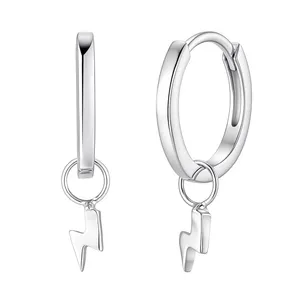
Production scheduling strongly affects profitability for jewelry distributors operating inside competitive international markets. Sampling development generally requires seven to fifteen working days depending on mold complexity and gemstone structure. Mass production lead times usually range between twenty-five and forty-five days during regular manufacturing seasons. Stainless steel jewelry often requires additional polishing time because harder materials increase processing difficulty significantly. Buyers requesting customized logo molds may also face extended preparation schedules before sample approval stages begin. Smaller factories sometimes accept lower MOQ requirements to attract emerging jewelry brands entering fashion markets. Large manufacturers generally prioritize stable long-term clients during busy production periods. Procurement teams should confirm delivery schedules before holiday demand increases sharply. Strong communication during planning stages reduces shipment delays and improves inventory management across international wholesale distribution operations.
Production Comparison for Jewelry Manufacturing Models
| Production Factor | Small Workshop | Professional Export Factory |
|---|---|---|
| Quality Inspection | Basic manual checks | Structured AQL systems |
| Plating Standards | Thin coating layers | Measured micron control |
| Sampling Speed | 10-20 days | 5-12 days |
| MOQ Structure | High fluctuation | Stable planning systems |
| Export Support | Limited documentation | Global compliance handling |
Professional export factories provide stronger operational consistency because structured management improves communication and accountability significantly. Buyers normally receive clearer production schedules, standardized inspection records, and faster response times during urgent manufacturing adjustments. Mature suppliers also maintain dedicated departments for sampling, plating, packaging, logistics coordination, and quality supervision. This separation improves efficiency across complicated production procedures. Several factories additionally invest in ERP management systems that track inventory movement and manufacturing milestones continuously. Stable process visibility helps procurement teams reduce operational uncertainty during large seasonal purchasing cycles. Buyers handling multi-country distribution usually prefer suppliers with strong documentation capabilities because customs compliance directly influences delivery stability and retail inventory performance during important sales periods.
ODM Jewelry Production Service China and Long-Term Brand Expansion
ODM jewelry production service China allows distributors to expand product categories without investing heavily in internal manufacturing facilities. Buyers can quickly launch bracelets, necklaces, earrings, and rings through existing factory production systems. Trend responsiveness becomes extremely valuable inside fast-moving fashion jewelry markets. Reliable suppliers monitor gemstone preferences, plating trends, and color demand during international jewelry exhibitions regularly. Several factories also support mixed-material product development involving leather, stainless steel, cubic zirconia, resin, and titanium combinations. One manufacturer recently expanded a Hot Sale Men’s Fashion Charm Bracelet collection using reinforced chain structures and magnetic clasps for stronger durability. Flexible ODM partnerships help brands reduce investment pressure while maintaining broader product diversification strategies. Stable cooperation additionally improves pricing consistency because long-term suppliers optimize sourcing systems and production schedules according to recurring wholesale demand.
Supplier Capability Comparison for Procurement Teams
| Evaluation Area | Basic Supplier | Advanced ODM Supplier |
|---|---|---|
| CAD Development | External outsourcing | Internal engineering team |
| Stone Setting | Manual procedures | Microscope precision systems |
| Packaging Options | Limited customization | Private label branding support |
| Production Tracking | Spreadsheet updates | ERP monitoring systems |
| Compliance Records | Partial documentation | Complete export certification |
Advanced suppliers generally provide stronger reliability because operational systems remain more organized and transparent throughout production cycles. Procurement managers should evaluate factory response speed, inspection reporting quality, and production visibility carefully before partnership confirmation.Experienced manufacturers often provide clearer metal sourcing records and plating thickness specifications during quotation negotiations. Several export suppliers additionally maintain social compliance certifications supporting European and North American retail requirements.

Strong documentation systems also simplify customs clearance procedures while reducing shipment delays. Buyers operating premium jewelry categories normally prioritize factories with specialized gemstone departments and dedicated quality supervisors. Consistent operational discipline helps distributors reduce product return rates while strengthening retail reputation across competitive international jewelry markets.
Important Questions Procurement Teams Should Ask Suppliers
Procurement managers should verify technical capabilities before approving large-scale jewelry manufacturing agreements. Important questions normally include production systems, inspection standards, and plating specifications.
- What plating thickness standards support export durability requirements?
- Which testing procedures verify corrosion resistance performance?
- Does the factory provide internal CAD development services?
- How does the supplier manage delayed raw material deliveries?
- Which gemstone grading systems support quality consistency?
- Can the manufacturer support mixed-material jewelry structures?
- What packaging options support private label branding?
- Does the supplier maintain ERP production tracking systems?
These questions improve sourcing transparency because factories must explain operational procedures clearly before production begins officially. Buyers also gain stronger visibility regarding technical limitations and scheduling risks during manufacturing discussions. Reliable suppliers usually provide plating specifications, testing reports, and sample inspection records during early negotiations. Detailed communication helps procurement teams reduce quality disputes while maintaining stronger supply chain stability across future product launches and international retail expansion projects.
How Reliable Is ODM Jewelry Production Service China for Modern Jewelry Brands
ODM jewelry production service China remains highly reliable when buyers select manufacturers with mature inspection systems, transparent communication, and strong export experience. Professional suppliers combine advanced manufacturing equipment with stable supply chain coordination to support consistent production performance. Reliable factories also maintain specialized departments handling CAD development, polishing, plating, packaging, and logistics management. Buyers should evaluate production visibility, compliance systems, and testing procedures before partnership confirmation carefully. Long-term cooperation often improves delivery stability and cost efficiency because suppliers optimize sourcing structures according to recurring production requirements. Strategic factory selection supports stronger brand growth, lower operational risks, and more consistent international jewelry distribution performance inside highly competitive wholesale markets.
FAQ
What makes Chinese ODM jewelry suppliers competitive?
Chinese ODM jewelry suppliers remain competitive because manufacturing ecosystems operate with strong specialization and efficient supply coordination. Many factories maintain direct relationships with gemstone processors, plating workshops, and packaging suppliers inside nearby industrial regions. This structure reduces transportation delays while improving production flexibility during urgent wholesale projects. Advanced suppliers also invest heavily in CAD engineering, automated polishing equipment, and precision stone-setting technology. Export experience strengthens competitiveness further because manufacturers manage customs procedures, packaging requirements, and international compliance standards professionally. Stable material sourcing and scalable production capacity allow distributors to maintain inventory consistency while controlling operational costs across large-volume fashion jewelry manufacturing operations for international retail markets.
How can buyers verify plating quality before shipment?
Buyers should request detailed plating specifications before approving jewelry production orders officially. Reliable factories normally provide micron thickness data for gold, rhodium, or silver coatings during quotation discussions. Procurement teams should also request salt spray testing reports because corrosion resistance directly affects retail durability performance. XRF analysis helps verify coating consistency and metal composition accurately before shipment approval procedures begin.
Several professional factories additionally provide laboratory inspection records showing abrasion resistance results under simulated wear conditions.Sample approval remains extremely important because visual appearance alone cannot confirm plating stability. Buyers should inspect surface smoothness, edge coverage, and color consistency carefully before shipment confirmation.
Why do many brands prefer ODM instead of OEM manufacturing?
Many jewelry brands prefer ODM manufacturing because operational flexibility remains much higher during product expansion stages. ODM suppliers already maintain existing product structures, engineering capabilities, and trend-responsive collections for international wholesalers. This structure reduces development costs while shortening manufacturing timelines significantly for growing jewelry businesses. Buyers can customize logos, plating colors, packaging, and gemstone combinations without building complete technical systems independently. Several ODM factories also monitor global fashion trends and seasonal consumer preferences regularly. Faster sampling procedures and lower design investment help distributors test new product categories with reduced financial pressure. Stable ODM cooperation additionally improves scalability because factories optimize sourcing systems and production schedules according to recurring brand requirements.