
How To Build A Jewelry Collection Around One Core Style?
Themed jewelry product line planning defines how wholesale jewelry brands achieve stable growth in competitive markets. Buyers prefer collections built around one clear design direction because it reduces confusion and improves purchasing decisions. A unified visual identity also strengthens brand recognition across retail shelves. Retailers can explain product stories faster when designs follow one system. Consistency across SKUs improves reorder probability and lowers inventory risk. Sales teams also benefit because pitches become simpler and more structured. A focused collection supports better margin control and reduces dead stock pressure.

In B2B environments, clarity always outperforms complexity. Strong thematic direction creates long-term trust between suppliers and buyers.
Start With Market Demand Signals
Successful themed jewelry product line planning always begins with verified demand data. Wholesale buyers rely on reorder behavior, not assumptions. Retail feedback reveals which styles move consistently across seasons. Search trends help identify early-stage consumer interest. Trade fair discussions also expose emerging demand clusters. Combining these signals reduces design risk significantly. Small pilot batches can confirm product direction before scaling production. Return data also highlights weak design or comfort issues. A disciplined validation process prevents overproduction and wasted inventory. Data-driven planning ensures each collection has measurable commercial potential. Without this step, even good designs may fail in the market.
Define the Visual Language of the Collection
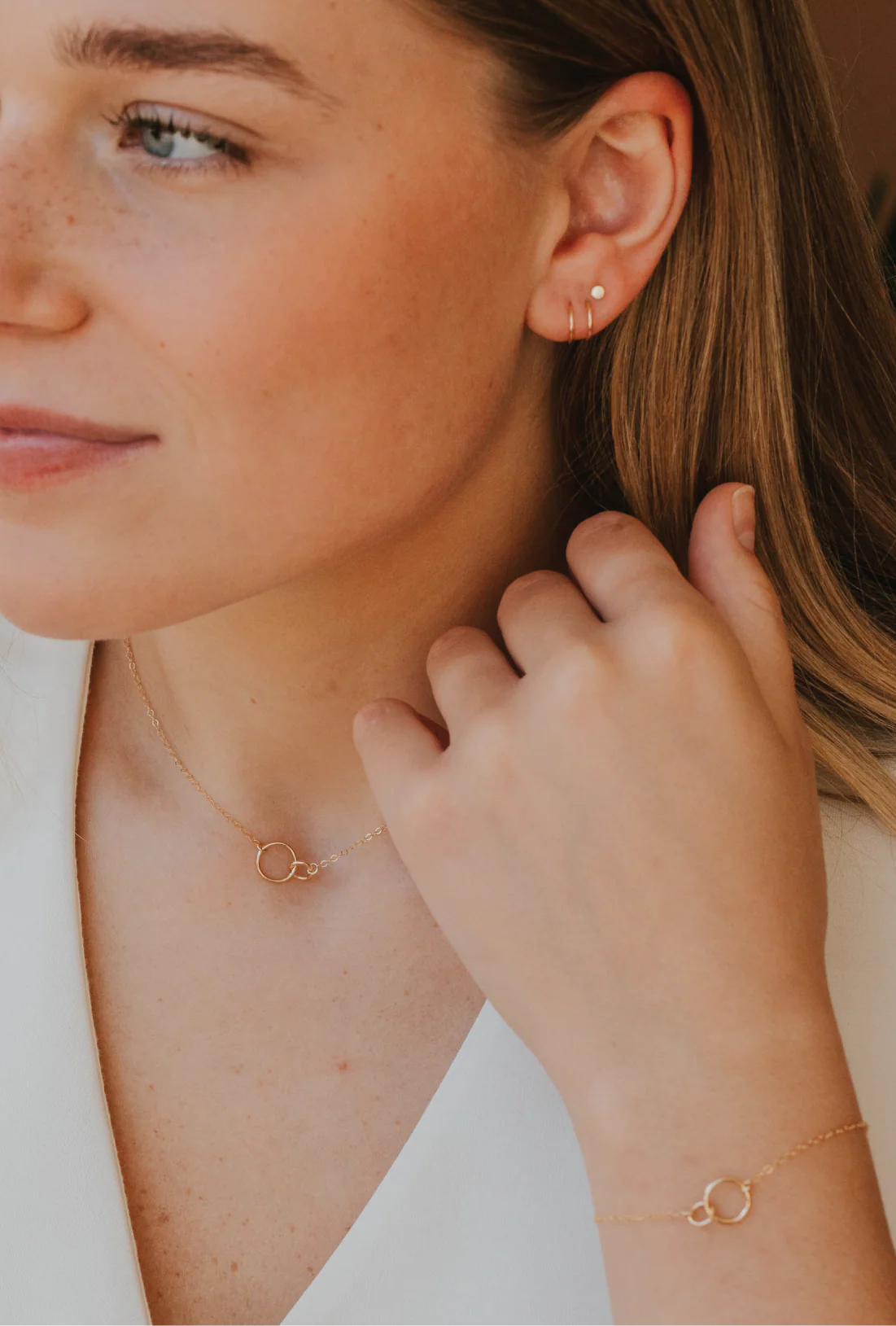
Strong themed jewelry product line planning depends on a clear visual system. Every element must follow consistent design rules. Metal tones, surface textures, and stone colors should align with one theme. Shape families such as circles, geometric lines, or floral motifs must remain consistent. A retro style jewelry stainless steel necklace set can serve as a reference point for maintaining nostalgic yet structured design direction. Chain thickness and proportion rules help maintain identity. Packaging design should also match the same visual direction. This consistency builds stronger brand recall in retail environments. Buyers can recognize collections instantly without explanation. Visual discipline reduces confusion and improves conversion rates. A unified system ensures that every SKU feels like part of one intentional story.
Product Mix That Expands Order Value
A balanced product mix strengthens themed jewelry product line planning by supporting different buyer budgets. Entry-level items help attract new customers. Core products generate stable revenue. Premium items increase overall margin. Gift sets improve seasonal performance. Add-on accessories encourage bundling strategies.
- Entry: minimal rings, studs, thin chains
- Core: layered necklaces, textured earrings, charm bracelets
- Premium: stone sets, plated statement pieces
- Add-ons: extenders, care kits, packaging upgrades
This structure ensures retailers can build full assortments efficiently. It also improves cross-selling opportunities across categories. A well-designed mix increases both basket size and reorder frequency.
Material Strategy and Cost Control
Material selection is a critical part of themed jewelry product line planning because it directly affects durability, cost, and perception. Stainless steel offers excellent resistance to tarnish and is ideal for daily wear lines. Brass allows more detailed casting and lower production cost. Sterling silver supports premium positioning in gift markets. Resin enables seasonal color variation. PVD coating improves surface durability and color retention. Proper material selection ensures each SKU fits its target price segment. Testing plating thickness and clasp strength is essential for long-term stability. Freight weight also impacts final cost structure.
| Material | Key Advantage | Best Use | Risk |
|---|---|---|---|
| Stainless Steel | High durability | Daily wear jewelry | Limited fine detail |
| Brass | Design flexibility | Fashion pieces | Needs strong plating |
| Sterling Silver | Premium appeal | Gift collections | Higher cost |
| Resin | Color freedom | Seasonal lines | Surface scratches |
This material structure supports themed jewelry product line planning by linking design intent with cost efficiency. It helps buyers match expectations with actual product performance.
Build SKU Depth Without Losing Identity
Controlled expansion is essential in themed jewelry product line planning. Depth should come from variation, not randomness. Rings, earrings, necklaces, and bracelets must share one visual DNA. Adjustments can include size, texture, or stone placement. Chain length variation helps expand necklace assortments logically. Over-diversification weakens brand identity quickly. Consistency ensures better retail presentation and stronger buyer confidence. Each SKU should clearly belong to the same family. This improves merchandising efficiency and reduces decision fatigue for buyers.
Pricing Tiers for Wholesale Buyers
Pricing structure plays a major role in themed jewelry product line planning because it defines market segmentation. Entry tiers attract volume buyers. Core tiers support stable revenue. Premium tiers drive profitability. Each tier must show clear value differences in materials, finish, and packaging.

| Tier | Price Range | Features | Target Buyer |
|---|---|---|---|
| Entry | $3-$7 | Simple plating, basic design | Mass retailers |
| Core | $8-$18 | Improved finish, sets | Boutiques |
| Premium | $19-$45 | Stone detail, gift packaging | Gift shops |
This pricing model strengthens themed jewelry product line planning by making value differences visible. Buyers can build assortments with predictable margins and clearer positioning.
Packaging and Display That Reinforces the Theme
Packaging extends themed jewelry product line planning beyond the product itself. It reinforces brand identity at the retail level. Consistent packaging improves recognition and shelf impact. Display cards should match collection aesthetics. Boxes must support gifting behavior and product protection. Inserts should secure items during transport. Good packaging reduces damage claims and improves perceived value. Retailers often evaluate collections based on presentation quality. Strong packaging increases conversion rates both online and offline.
Launch Calendar and Reorder Strategy
Timing plays a key role in themed jewelry product line planning. Seasonal launches align products with consumer buying cycles. Spring favors lighter designs, while winter supports richer tones. Capsule collections maintain interest between major releases. Reorder planning must be based on real sales data. Fast-moving SKUs require quick replenishment. Slow items should be replaced or redesigned. A structured calendar prevents overstock and improves cash flow. Consistent timing also strengthens buyer relationships.
Metrics Buyers Use to Judge Success
Buyers evaluate themed jewelry product line planning using measurable indicators. Sell-through rate shows real market demand. Reorder frequency indicates product strength. Return rate reflects quality control. Average basket value measures cross-sell effectiveness. Margin performance determines long-term viability. Data-driven evaluation ensures better decision-making. Emotional design alone is not enough in wholesale markets. Performance metrics guide sustainable growth.
Common Mistakes That Damage Collection Cohesion
Most failures in themed jewelry product line planning come from overexpansion and inconsistency. Too many motifs weaken brand identity. Inconsistent plating reduces trust. Random pricing structures confuse buyers. Poor forecasting leads to inventory imbalance. Every SKU must support the core concept. Without discipline, even strong designs lose impact. Focused editing is more effective than constant addition.
Choose the Right Manufacturing Partner
Execution determines success in themed jewelry product line planning. A strong factory ensures consistency across batches. Sampling speed affects launch timing. Quality control reduces defect rates. Tassel circle earrings require precise finishing to maintain symmetry and movement balance. Clear communication prevents production errors. Reliable partners improve plating stability and assembly precision. Weak suppliers create inconsistency and damage brand trust. Long-term success depends on aligned production standards.
Frequently Asked Questions
How many SKUs should a new collection include?
A new wholesale jewelry collection typically performs best with 18 to 36 SKUs. This range allows buyers to test demand without overwhelming inventory systems. Each SKU should serve a clear function, such as hero product, core item, or premium upgrade. Too many designs reduce clarity and slow purchasing decisions. Too few may limit assortment depth. Balanced selection improves sell-through and simplifies merchandising. Early sales data should guide expansion. Strong performers can be extended into variations. Weak items should be removed quickly to maintain collection efficiency.
Which materials are best for scalable jewelry programs?
Scalable jewelry programs usually rely on stainless steel, brass, and sterling silver depending on price positioning. Stainless steel supports durability-focused lines with low maintenance. Brass enables detailed fashion designs at controlled cost. Sterling silver fits premium gift segments with higher perceived value. Resin and PVD coatings can support seasonal or color-driven collections. Material choice must align with target retail channel and expected wear behavior. Testing plating durability and clasp strength is essential before scaling production. Freight weight and defect rate should also be considered in material selection.
How often should a core jewelry style be refreshed?
Refresh cycles depend on retail channel speed and demand consistency. Fast fashion retailers may require updates every month through capsule additions. Boutique stores often prefer quarterly refresh cycles. Gift-focused channels typically work best with seasonal updates. Core bestsellers should remain available year-round if demand stays stable. Only weak or declining SKUs should be replaced. Small adjustments such as color, stone type, or finish often perform better than full redesigns. Reorder data should guide timing decisions to avoid unnecessary product disruption.