
How To Build A Jewelry Product Line Strategy?
The jewelry product line strategy defines how a B2B supplier structures collections, pricing tiers, and manufacturing priorities for scalable wholesale success. A strong framework supports stable revenue and consistent buyer retention across different markets. In competitive sourcing environments, suppliers must align design direction with production efficiency. The jewelry product line strategy also helps reduce SKU confusion and improves catalog clarity for retail partners. Many manufacturers in Yiwu and other global hubs rely on structured planning to balance trend cycles and core inventory. Without clear segmentation, product lines often become fragmented and difficult to scale. A disciplined approach ensures predictable margins and stronger negotiation power with buyers. This foundation supports long term collaboration with distributors and private label brands.
Market Segmentation in Jewelry Product Line Strategy
Effective segmentation plays a central role in shaping the jewelry product line strategy for B2B suppliers. Buyers in wholesale channels differ significantly across regions, price sensitivity, and branding needs. Retail chains often require consistent replenishment items, while boutique brands prefer differentiated designs. Suppliers must classify clients based on order volume, design customization level, and target retail positioning. Data analysis from past orders helps identify high-performing categories and seasonal demand shifts. A structured segmentation model reduces production waste and improves forecasting accuracy. It also enables factories to allocate resources more efficiently across multiple client tiers. When segmentation is precise, communication between buyers and suppliers becomes more efficient and commercially predictable.
Core Category Planning within Jewelry Product Line Strategy
Category planning determines how effectively a jewelry product line strategy translates into profitable collections. Suppliers must balance essential categories such as rings, necklaces, earrings, and bracelets. Each category requires different production cycles and material planning.
Core products should maintain stable demand across seasons, while fashion-driven items support trend responsiveness. A balanced SKU structure prevents overproduction and improves inventory turnover. For example, entry-level rings often generate repeat orders from retail distributors. A focused assortment approach ensures production lines remain efficient and cost controlled. Strong category planning also helps suppliers position themselves in both mass-market and premium segments without operational conflict.
Material Standards and Manufacturing Consistency in Jewelry Product Line Strategy
Material selection directly impacts durability, pricing, and buyer trust in a jewelry product line strategy. Common base metals include brass, copper, and stainless steel, each offering distinct cost-performance ratios. Surface finishing methods such as electroplating and vacuum plating influence product lifespan and appearance stability. Stone grading also affects perceived value, especially in fashion jewelry categories. Consistency in material sourcing ensures fewer quality deviations across batches. Many suppliers adopt standardized testing protocols to reduce defect rates during mass production. A well-defined material system strengthens brand reliability in B2B negotiations. It also improves compliance readiness for international markets with strict import regulations.
| Material Type | Durability Level | Cost Range | Typical Use |
|---|---|---|---|
| Brass | Medium | Low | Fashion rings and earrings |
| Copper | Medium-High | Low-Medium | Plated statement jewelry |
| Stainless Steel | High | Medium | Daily wear collections |
Material consistency plays a decisive role in supplier credibility. Buyers evaluate long term stability more than short term cost advantages. A structured material strategy reduces return rates and enhances production predictability. Factories that standardize their inputs achieve better scaling efficiency across large wholesale orders.
Pricing Architecture and Margin Design in Jewelry Product Line Strategy
Pricing architecture determines how a jewelry product line strategy converts production cost into sustainable profit. Suppliers must establish tiered pricing models for different buyer categories. Bulk distributors expect lower margins per unit but higher volume stability. Boutique clients often accept higher pricing for customization and exclusivity. Cost structures include raw materials, labor intensity, plating processes, and logistics complexity. Each factor must be measured precisely to avoid margin erosion. Psychological pricing also influences buyer perception in competitive markets. Even small price differences can shift order allocation between suppliers. A disciplined pricing model ensures long term profitability while maintaining market competitiveness.
Design Differentiation and Product Identity in Jewelry Product Line Strategy
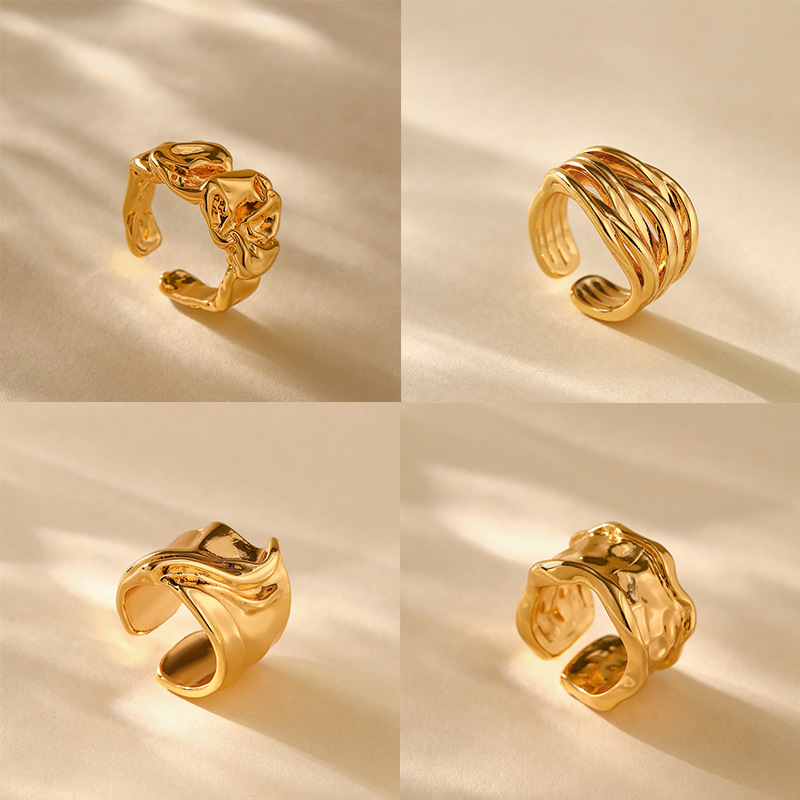
Design differentiation strengthens brand positioning within a jewelry product line strategy. OEM production focuses on replication efficiency, while ODM emphasizes original design creation. Seasonal collections help maintain buyer engagement and refresh catalogs regularly. Private labeling provides additional value for retail brands seeking identity control. One successful example includes a high quality 18k gold plated copper ring, which demonstrates how plating quality enhances perceived luxury without increasing base material cost significantly. Design consistency across collections helps establish recognizable product identity. Suppliers that invest in design teams often achieve higher repeat order rates. Strong differentiation reduces price competition pressure in wholesale channels.
Inventory Coordination and Supply Chain Execution
Inventory management ensures that a jewelry product line strategy remains operationally efficient. Accurate demand forecasting reduces overstock risks and improves cash flow stability. Safety stock levels must align with production lead times and shipping schedules. Suppliers must coordinate closely with plating factories, stone vendors, and packaging providers. Any disruption in upstream supply can delay entire collections. Digital tracking systems improve visibility across production stages.
Efficient inventory planning also supports faster response to seasonal demand spikes. When execution is synchronized, suppliers can maintain stable delivery performance even under high order volatility.
Quality Control Systems in Jewelry Product Line Strategy
Quality assurance defines long term success in a jewelry product line strategy. Inspection processes must cover raw materials, semi-finished components, and final packaging. Defect classification systems help identify recurring production issues. Certifications such as REACH compliance, which restricts hazardous chemical substances in consumer goods within the EU market, and RoHS standards, which limit the use of restricted electronic-related materials, are essential for international trade readiness. Nickel-free certification is especially important for skin-contact jewelry, as it reduces the risk of allergic reactions and supports entry into sensitive markets like Europe and North America. Third-party testing from accredited laboratories provides independent verification of plating thickness, heavy metal content, and structural durability. Consistent quality control reduces return rates and protects brand reputation. Suppliers with strong QA systems often secure long term contracts with major distributors. Operational discipline in this area directly influences customer retention and market expansion capability.
Visual Catalog Design and Buyer Experience Optimization
Catalog structure plays a critical role in executing a jewelry product line strategy. Clear visual hierarchy improves buyer decision speed during sourcing processes. Digital showrooms allow real time product comparison across categories. Sample kits help distributors evaluate material and finishing quality physically. Organized presentation reduces communication friction between suppliers and buyers. Consistent styling across catalogs reinforces brand professionalism. Effective catalog design also highlights key collections without overwhelming the viewer. This improves conversion rates in wholesale negotiations and accelerates order confirmation cycles.
Data Driven Optimization of Jewelry Product Line Strategy
Data analysis strengthens continuous improvement in a jewelry product line strategy. Sales performance tracking identifies high turnover SKUs and underperforming items. Suppliers can adjust production ratios based on real demand patterns.
Seasonal trends help predict future product demand more accurately. Digital dashboards improve visibility across multiple product categories. A structured feedback loop ensures constant refinement of collections. Over time, this approach reduces waste and improves profitability. Data driven decisions also support better communication with long term clients.
Key Steps in Strategy Execution
- Define target buyer segments clearly
- Build balanced core and trend categories
- Standardize material and plating systems
- Establish tiered pricing models
- Implement strict quality control protocols
- Optimize inventory forecasting
- Continuously analyze sales performance
After applying these steps, suppliers can achieve more stable growth. Execution discipline ensures alignment between production capability and market demand. Each step strengthens the overall system efficiency of wholesale operations.

| Strategy Element | Impact | Risk Without Control |
|---|---|---|
| Category Planning | Improves SKU balance | Inventory imbalance |
| Pricing Structure | Stabilizes profit margins | Margin erosion |
| Quality Control | Reduces return rates | Reputation loss |
A structured strategy framework ensures that every operational decision aligns with long term profitability goals. Buyers respond more positively to suppliers who demonstrate consistency across all business layers.
Product Positioning and Market Adaptation in Jewelry Product Line Strategy
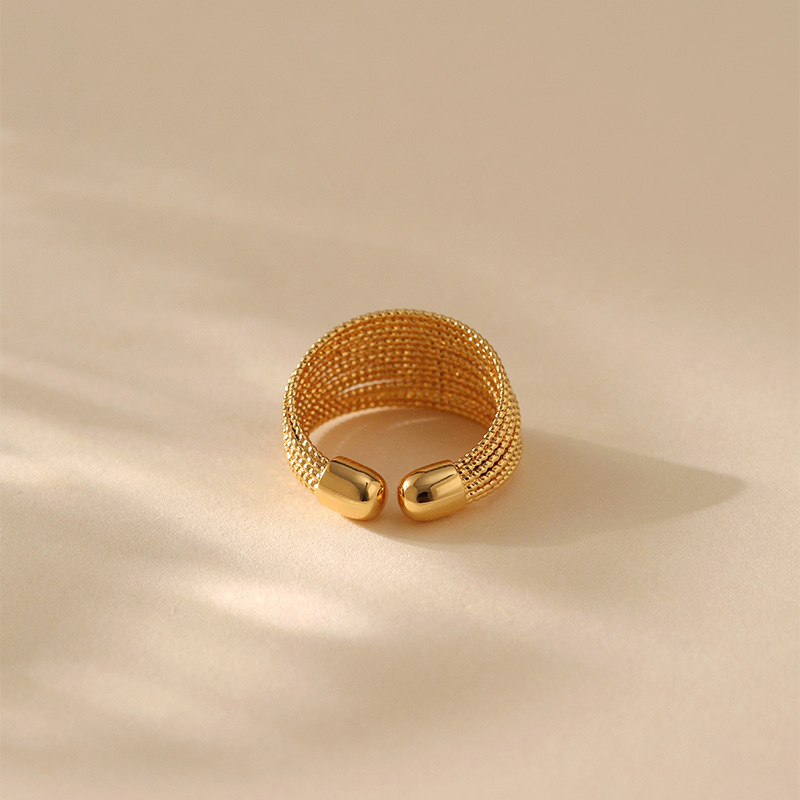
Market adaptation ensures that a jewelry product line strategy remains relevant across changing demand cycles. Suppliers must continuously adjust designs, pricing, and material combinations based on buyer feedback. A premium feeling zircon chain ring reflects how visual appeal and material selection can elevate perceived value in competitive retail environments. Flexible production systems allow faster adaptation to fashion trends. Regional preferences also influence product design direction significantly. Suppliers who adapt quickly maintain stronger buyer loyalty. Strategic flexibility ensures resilience against market volatility and shifting consumer expectations.

Frequently Asked Questions
What defines an effective jewelry product line strategy?
An effective jewelry product line strategy organizes products into structured categories that align with buyer demand and production capability. It focuses on balancing core inventory with trend-driven designs. Suppliers use segmentation, pricing tiers, and material planning to ensure stable margins. Operational consistency also plays a key role in maintaining buyer trust. Without structure, product lines become fragmented and inefficient. A strong system improves forecasting accuracy and reduces production waste. It also supports long term relationships with distributors and private label brands in competitive wholesale markets.
How many product categories should a supplier include?
The ideal number of categories depends on production capacity and market reach. Most suppliers maintain four main categories such as rings, necklaces, earrings, and bracelets. Each category should include both core and seasonal designs.
Over-expansion can increase inventory risk and reduce operational efficiency. A balanced approach improves production scheduling and reduces complexity. Category depth often matters more than category quantity. Suppliers should focus on high turnover items while maintaining selective trend collections. This structure supports stable cash flow and predictable demand cycles.
How can suppliers maintain quality while controlling costs?
Suppliers achieve balance through standardized material sourcing and controlled production processes. Selecting stable base metals reduces cost volatility. Efficient plating techniques also improve durability without excessive expense. Quality inspection at multiple stages prevents defect accumulation. Strong supplier relationships help secure consistent raw material pricing. Automation in production reduces labor variation and improves output consistency. Regular testing ensures compliance with international standards. Cost control does not require quality reduction when systems are properly structured and monitored across the entire production chain.