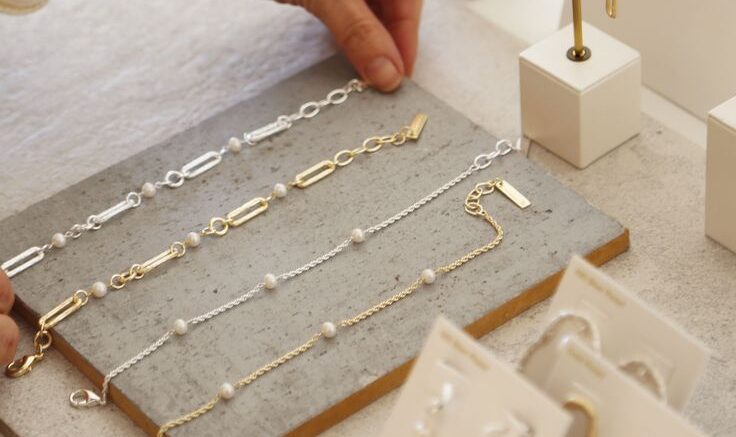
How To Build Lasting Jewelry Manufacturer Partnerships
-
Strengthen your jewelry manufacturing partnership with proven methods for quality control, cost stability, and scalable production success.


A strong jewelry manufacturing partnership drives stability in modern supply chains. Brands rely on trusted manufacturers for consistent output and controlled costs. Reliable collaboration improves product quality across multiple production cycles. Long-term cooperation also strengthens brand identity through consistent craftsmanship. Manufacturers gain better planning accuracy with predictable order volumes. Businesses reduce sourcing risks when long-term cooperation replaces one-time transactions. Clear alignment ensures smoother scaling during peak demand seasons. Strategic collaboration supports innovation in design and materials. Companies benefit from faster turnaround times with established workflows. Strong relationships also improve negotiation power and pricing stability. This approach builds mutual growth through shared goals and operational transparency.
Key Criteria for Selecting a Reliable Jewelry Manufacturer
Choosing a reliable manufacturer requires detailed technical evaluation and industry knowledge. Production capacity must align with future growth plans and seasonal demand changes. Material expertise determines product durability and long-term performance in different environments. Gold plating thickness affects wear resistance and surface longevity. Silver alloys must maintain correct composition to reduce oxidation risks. Skilled gemstone setting ensures both visual appeal and structural security. Certifications such as ISO confirm standardized manufacturing processes and quality consistency. Third-party inspections validate compliance with international requirements. Equipment like CNC machines and casting systems improves precision and repeatability. Experience handling stainless steel jewelry set gold plated products ensures consistent coating quality. A qualified partner supports both performance standards and operational stability.
Communication Systems That Strengthen Manufacturer Relationships
Clear communication ensures smooth execution across all production stages. Technical documents must include exact measurements and material specifications. CAD designs help visualize final products before manufacturing begins. Digital platforms improve coordination across global teams and time zones. ERP systems track order progress and inventory levels in real time. Regular meetings address issues before they escalate into major problems. Consistent updates keep both sides aligned with production timelines. Miscommunication often leads to defects and costly rework. Structured communication processes reduce ambiguity in complex designs. Shared documentation platforms increase transparency and accountability. Efficient communication frameworks support faster decision-making. A well-organized system strengthens every jewelry manufacturing partnership through clarity and precision.
Quality Control Standards in Jewelry Manufacturing Partnership
Strict quality control ensures consistent product performance and customer satisfaction. Inspection begins with raw material verification to confirm purity and composition. Casting processes must eliminate porosity and structural defects. Polishing determines the final appearance and surface smoothness. Plating thickness directly impacts durability and resistance to wear. Standard gold plating ranges from 0.5 to 2.5 microns depending on usage. Adhesion tests confirm coating stability under daily conditions. Final inspection checks alignment, symmetry, and finishing details. Packaging must protect items from scratches and environmental damage. Consistent quality standards reduce return rates and warranty claims. Detailed inspection protocols improve reliability across production batches. Strong quality systems reinforce trust in long-term manufacturing collaborations.

Cost Transparency and Pricing Models for Long-Term Collaboration
Transparent pricing structures build trust between manufacturers and brands. Material costs depend on market fluctuations of precious metals. Labor expenses vary based on craftsmanship and production complexity. Tooling costs apply to custom molds and specialized designs. Minimum order quantities significantly influence per-unit pricing. Larger orders often reduce production costs through economies of scale. Clear agreements prevent unexpected charges during production cycles. Negotiations should focus on long-term value instead of short-term savings. Stable pricing supports accurate financial planning and budgeting. Cost visibility improves decision-making across supply chain operations. Balanced pricing strategies create sustainable collaboration. Financial transparency strengthens the foundation of any jewelry manufacturing partnership.
Production Flexibility and Customization Capabilities
Flexible production supports rapid adaptation to market trends and consumer demand. Small batch manufacturing allows frequent design updates and experimentation. Rapid prototyping accelerates development cycles and reduces time to market. Sample validation ensures accuracy before full-scale production begins. Customization includes engraving, plating variations, and gemstone selection. Seasonal trends require quick adjustments in product design and materials. Manufacturers must handle both low and high volume orders efficiently. Agile workflows reduce lead times for urgent production requests. Products like trendy summer jewelry accessories wholesale collections require fast turnaround and responsiveness. Flexibility enhances competitiveness in fast-changing markets. Adaptable production capabilities enable continuous product innovation and growth.

Supply Chain Stability and Risk Management Strategies
Stable supply chains ensure consistent production and timely delivery. Raw material shortages can disrupt manufacturing schedules significantly. Diversified sourcing reduces reliance on single suppliers. Backup planning ensures continuity during unexpected disruptions. Logistics coordination improves delivery accuracy and efficiency. Shipping delays can impact seasonal product launches and sales performance. Inventory management supports steady production flow and reduces shortages. Risk assessment identifies potential issues before they escalate. Strong partnerships improve problem-solving during challenging situations. Transparent communication minimizes operational misunderstandings. Continuous monitoring enhances resilience across supply chains. Effective risk management supports long-term business stability and operational success.
Technology Integration in Jewelry Manufacturing Partnership
Modern technology enhances precision, efficiency, and production scalability. CNC machining produces accurate components for complex jewelry designs. Casting enables mass production of intricate shapes with consistent quality. 3D printing accelerates prototyping and reduces development timelines. Automation minimizes human error in repetitive manufacturing processes. Laser engraving ensures detailed and consistent personalization. Digital tracking systems provide real-time production visibility.
Data analytics improves forecasting and inventory planning accuracy. Technology adoption increases overall operational efficiency and competitiveness. Manufacturers using advanced tools deliver higher quality outputs. Continuous innovation supports evolving market requirements. A technology-driven jewelry manufacturing partnership ensures reliable and scalable production capabilities.
Comparison Table of Partnership vs One-Time Supplier Models
| Criteria | Partnership Model | One-Time Supplier |
|---|---|---|
| Quality Consistency | Stable and repeatable | Inconsistent |
| Pricing Stability | Predictable | Variable |
| Communication | Continuous and structured | Limited interaction |
| Production Efficiency | Optimized workflows | Uncertain processes |
| Risk Management | Proactive strategies | Reactive responses |
| Innovation Support | Ongoing improvement | Minimal support |
Evaluating Long-Term Value Beyond Initial Cost
The comparison highlights clear advantages of long-term collaboration models. Stable quality improves brand reputation and customer satisfaction. Predictable pricing enables accurate financial planning and cost control. Continuous communication reduces errors and enhances production efficiency. Optimized workflows increase output consistency across multiple batches. Proactive risk management ensures supply chain stability. Innovation support allows faster adaptation to changing market trends. One-time sourcing often lacks reliability and long-term value. Businesses benefit more from consistent partnerships than short-term savings. Strategic collaboration creates sustainable competitive advantages. Long-term value depends on stability, efficiency, and continuous improvement.
Essential Practices for Maintaining Long-Term Manufacturer Relationships
- Conduct regular performance reviews
- Maintain transparent communication channels
- Share long-term forecasts and production plans
- Define clear quality standards and expectations
- Invest in joint process improvements
- Address issues quickly and professionally
Strengthening Collaboration Through Consistent Engagement
Consistent engagement builds trust and improves long-term collaboration outcomes. Regular performance reviews identify areas for optimization and efficiency gains. Transparent communication reduces misunderstandings and prevents production delays. Shared forecasts help manufacturers plan resources and production schedules accurately. Clear quality expectations ensure consistent output across different production cycles. Joint improvements enhance productivity and reduce operational costs. Quick issue resolution maintains positive working relationships. Continuous interaction supports innovation and adaptability. Strong collaboration improves responsiveness to market changes. Long-term engagement creates mutual understanding and reliability. Sustainable partnerships depend on active communication and shared commitment.
Building Trust Through Contracts and Compliance Standards
Contracts establish clear expectations and protect both parties in manufacturing relationships. Agreements define production timelines, quality standards, and delivery requirements. Intellectual property clauses safeguard design ownership and prevent duplication risks. Compliance with ethical sourcing standards strengthens brand credibility. Environmental regulations ensure sustainable manufacturing practices. Confidentiality agreements protect sensitive business information. Clear legal frameworks reduce disputes and operational uncertainties. Regular audits verify adherence to contractual obligations. Transparent compliance builds trust and long-term reliability. Structured agreements improve accountability and performance consistency. Strong legal foundations support stable and secure manufacturing collaborations.
Conclusion: Creating Sustainable Value Through Strategic Partnerships
Long-term success depends on strong and reliable manufacturing relationships. Consistent collaboration improves efficiency, quality, and innovation capabilities. Strategic alignment reduces operational risks and enhances supply chain stability. Effective communication ensures smooth execution across production stages. Technology integration supports scalable and precise manufacturing processes. Transparent pricing strengthens financial planning and cost control. Strict quality standards guarantee durable and high-performing products.