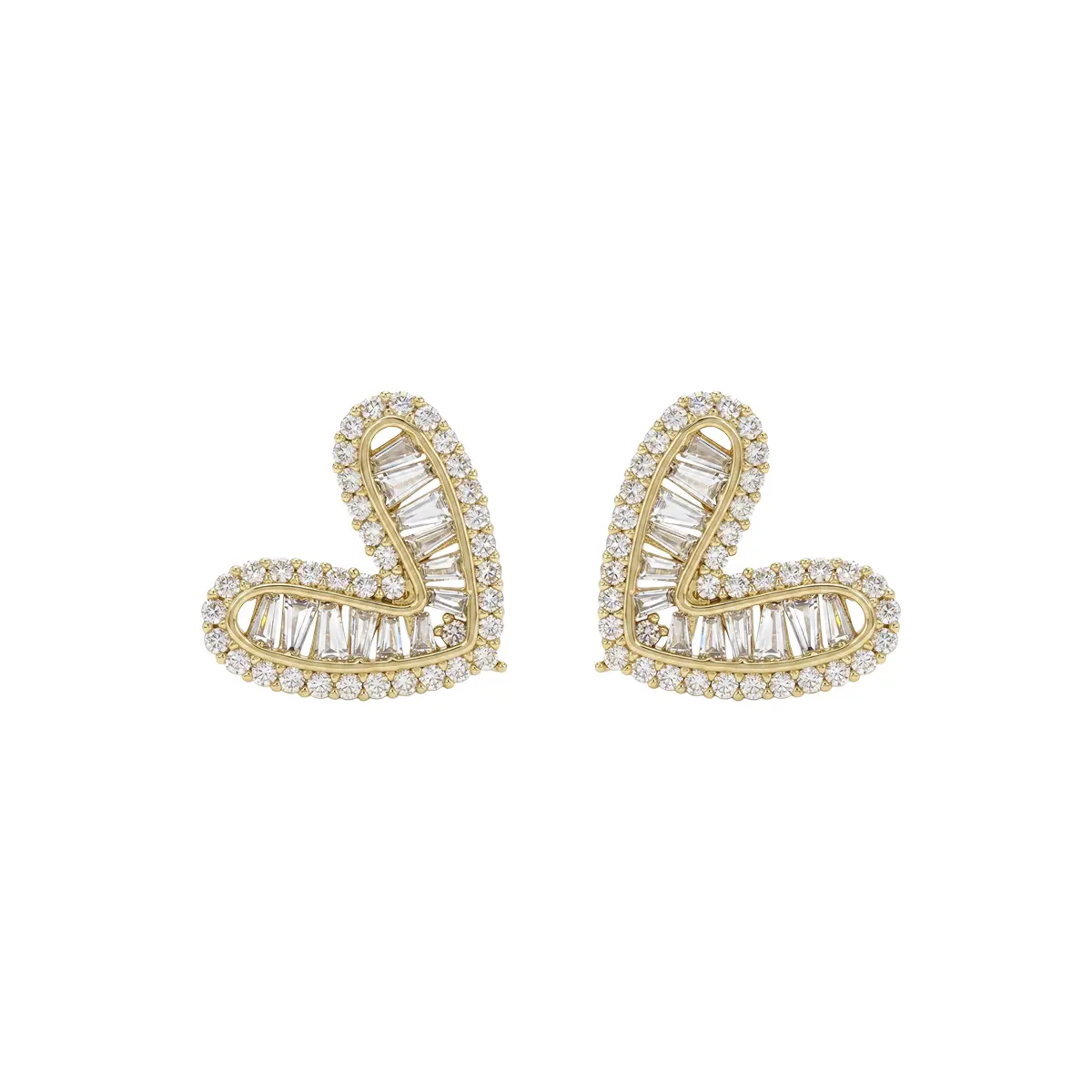
How To Choose A Gold Plated Jewelry Factory China?
-
Choose a gold plated jewelry factory China with quality materials, advanced plating, OEM services, strict control, and reliable supply.
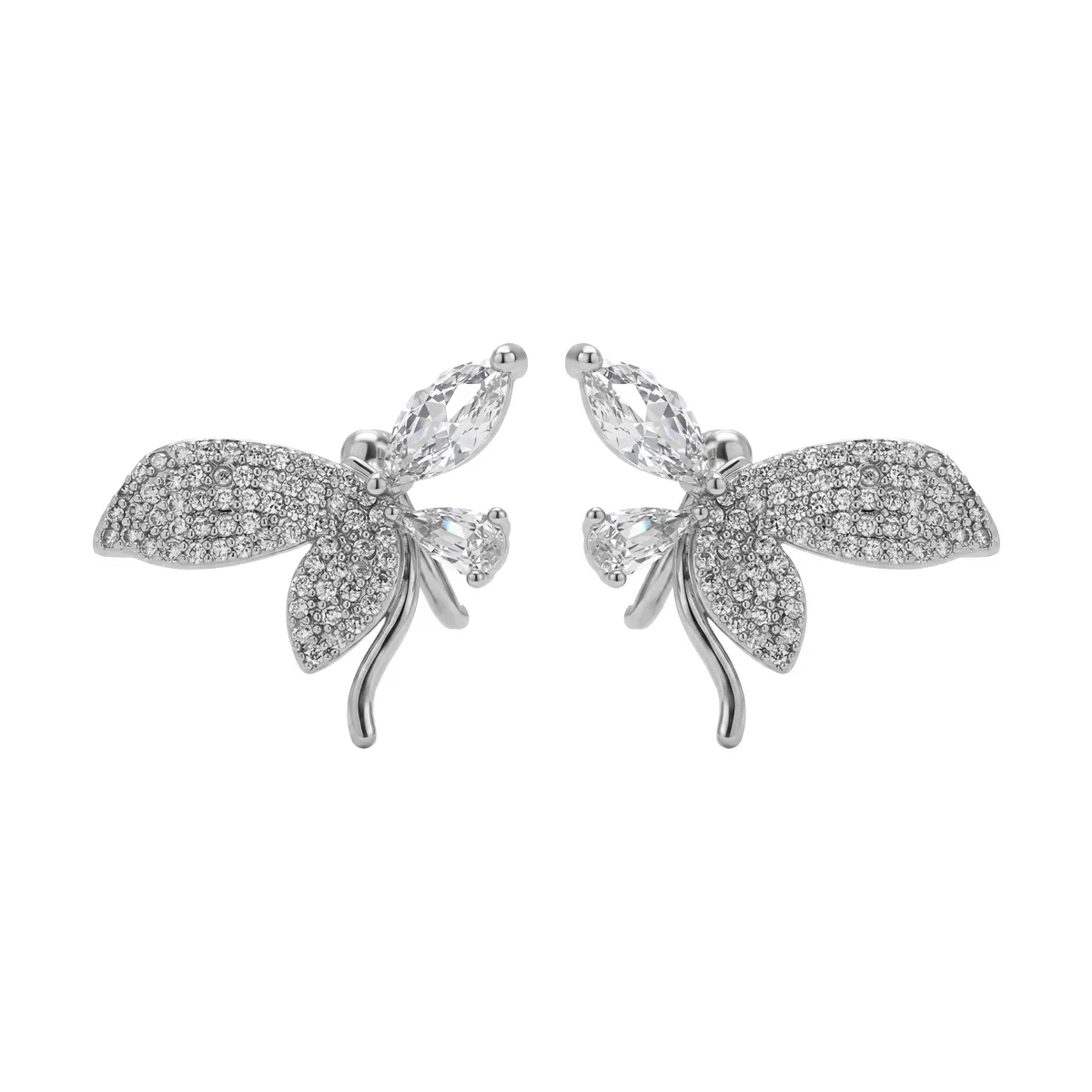
Choosing a reliable gold plated jewelry factory China supplier affects product quality, brand reputation, and long-term business stability. Professional jewelry production requires strict control over materials, craftsmanship, and delivery schedules. A qualified supplier should provide consistent plating results, accurate designs, and stable manufacturing support. Many jewelry brands face quality issues because they only compare prices instead of evaluating production abilities. A factory with advanced processes can reduce risks during bulk orders. It can also support market expansion through customized collections and flexible production plans. Buyers should review manufacturing experience, technical capabilities, and quality systems before making cooperation decisions. These factors create a strong foundation for successful jewelry sourcing.
Evaluate Manufacturing Experience And Jewelry Production Capabilities
Manufacturing experience plays an important role when selecting a jewelry partner. Experienced teams usually have better knowledge of metal properties, surface treatment, and production challenges. They can identify suitable materials for different jewelry styles and usage environments. A professional supplier should have skilled workers, organized production lines, and modern inspection equipment. Production capability also includes mold development, polishing techniques, stone setting, and assembly accuracy. For example, stainless steel jewelry requires precise cutting, smooth finishing, and proper surface preparation before plating. Copper jewelry needs careful handling because oxidation control affects final appearance. A factory with complete production management can provide stable quality across different order quantities.
Check Gold Plating Technology And Material Quality Standards
Gold plating quality depends on several technical factors, including base metal selection, surface preparation, and electroplating control. High-quality jewelry production often uses stainless steel, brass, or copper as core materials. Before plating, workers clean and polish surfaces to remove impurities. The electroplating process controls gold layer thickness, color consistency, and adhesion strength. Professional manufacturers may use vacuum plating or traditional electroplating methods based on product requirements. They also test durability through abrasion checks, salt spray tests, and color retention evaluations. These procedures help maintain appearance during daily wear. Material standards are especially important for retailers who need reliable products for different customer markets.
| Material Type | Main Features | Common Jewelry Applications | Quality Considerations |
|---|---|---|---|
| Stainless Steel | Strong, corrosion resistant, suitable for daily wear | Bracelets, rings, necklaces | Requires smooth polishing and strong plating adhesion |
| Brass | Flexible, easy for detailed designs | Pendants, earrings, fashion accessories | Needs oxidation protection and stable coating |
| Copper | Good shaping ability and decorative value | Statement jewelry and customized pieces | Needs surface treatment before gold finishing |
How To Verify Production Quality Through Professional Manufacturing Systems
Quality verification requires more than checking finished samples. Buyers should review the complete production process from material inspection to final packaging. Reliable suppliers normally create quality checkpoints at every stage. Incoming materials receive inspections for composition, size, and surface condition. Production teams check polishing quality, stone placement, and plating color during manufacturing. Final inspections focus on appearance, function, and packaging standards. A detailed quality system helps reduce defects and protects brand consistency. For instance, products such as Hip Hop Zircon Hollow Out Hoop Earrings require accurate hollow structures and secure zircon settings. Careful inspection ensures decorative elements remain stable during transportation and retail display.
Review Customization And OEM Jewelry Development Services
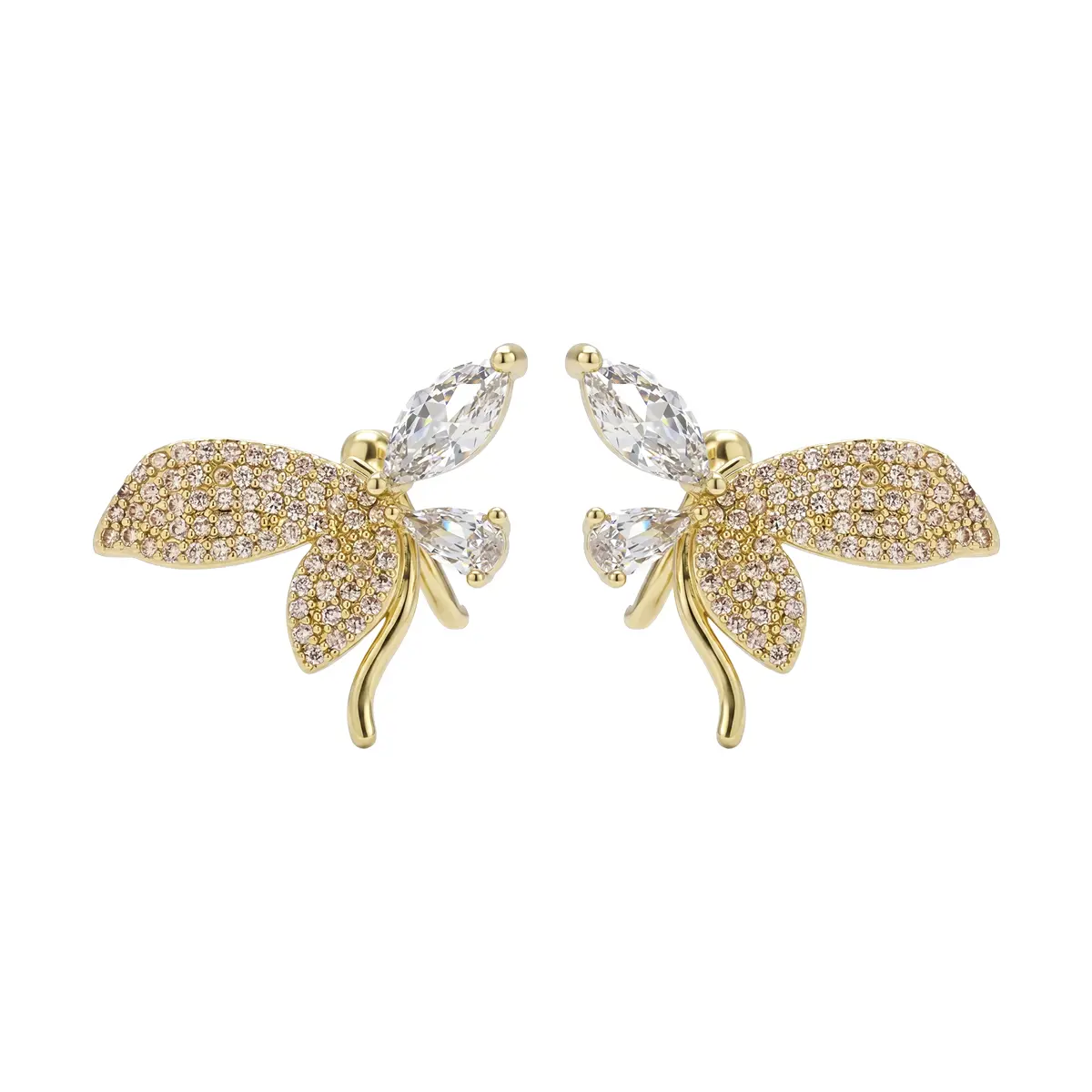
Customization ability is a key factor for brands creating unique jewelry collections. A capable supplier should support design communication, sample production, logo engraving, and packaging solutions. OEM services require cooperation between designers, engineers, and production specialists. The supplier needs to convert creative ideas into practical manufacturing plans. This process involves selecting suitable materials, adjusting structures, and confirming surface finishes. Good communication can shorten development time and reduce unnecessary modifications. Brands should check whether factories can handle small trial orders before large production. Flexible customization services allow businesses to create differentiated products while maintaining production efficiency and market competitiveness.
Analyze Production Capacity And Delivery Reliability
Production capacity directly influences order fulfillment and business growth. A reliable jewelry supplier should have organized workshops, skilled operators, and efficient production scheduling systems. Large production ability does not only mean high output numbers. It also requires stable quality control during repeated manufacturing cycles. Buyers should review monthly capacity, equipment conditions, worker experience, and inventory management methods. A professional supplier can adjust production plans according to seasonal demand changes. Delivery reliability depends on raw material preparation, production tracking, and communication efficiency. Factories with strong management systems can reduce delays and provide accurate shipment schedules. Brands should select partners that balance production speed with consistent product standards.
| Evaluation Item | Important Factors | Business Benefits |
|---|---|---|
| Production Capacity | Workshop size, equipment quantity, skilled workers | Supports large orders and stable supply |
| Order Management | Production planning, progress tracking, communication | Reduces delays and improves cooperation |
| Delivery Control | Material preparation, inspection process, logistics coordination | Ensures reliable shipment schedules |
| Inventory Support | Stock management and component availability | Improves response speed for repeat orders |
Confirm Certifications And Compliance Requirements
Compliance standards influence jewelry safety and international market acceptance. A professional supplier should follow regulations related to material safety, chemical control, and environmental protection. Common requirements include REACH compliance, which restricts harmful chemicals listed by the European Union and controls substances of very high concern (SVHC). RoHS compliance limits hazardous materials such as lead, mercury, cadmium, and other restricted substances in products. Nickel release testing evaluates whether jewelry components release excessive nickel during skin contact, helping reduce allergic reactions. Jewelry manufacturers should maintain proper documentation, material reports, and laboratory testing records for exported products. Brands selling in different regions need suppliers familiar with regional regulations and certification procedures. A responsible manufacturer can provide compliance documents, testing support, and technical details for market approval. Strong compliance management reduces risks and strengthens customer trust in finished jewelry products.
Compare Communication Support And Long Term Partnership Value
Effective communication creates better cooperation between brands and manufacturers. A dependable supplier should respond quickly, explain production details clearly, and provide practical suggestions. Jewelry development often requires multiple discussions about design changes, materials, and packaging options. Professional teams can help solve technical problems before mass production begins. They should also provide updates during sampling and manufacturing stages. Long-term partnerships depend on transparency, reliability, and continuous improvement. For example, a supplier producing Chunky Heart Zircon Pendant Copper Gold Necklace needs accurate coordination between design requirements and manufacturing techniques. Clear communication helps maintain product expectations and prevents misunderstandings throughout cooperation.
Avoid Common Mistakes When Choosing Jewelry Manufacturing Suppliers
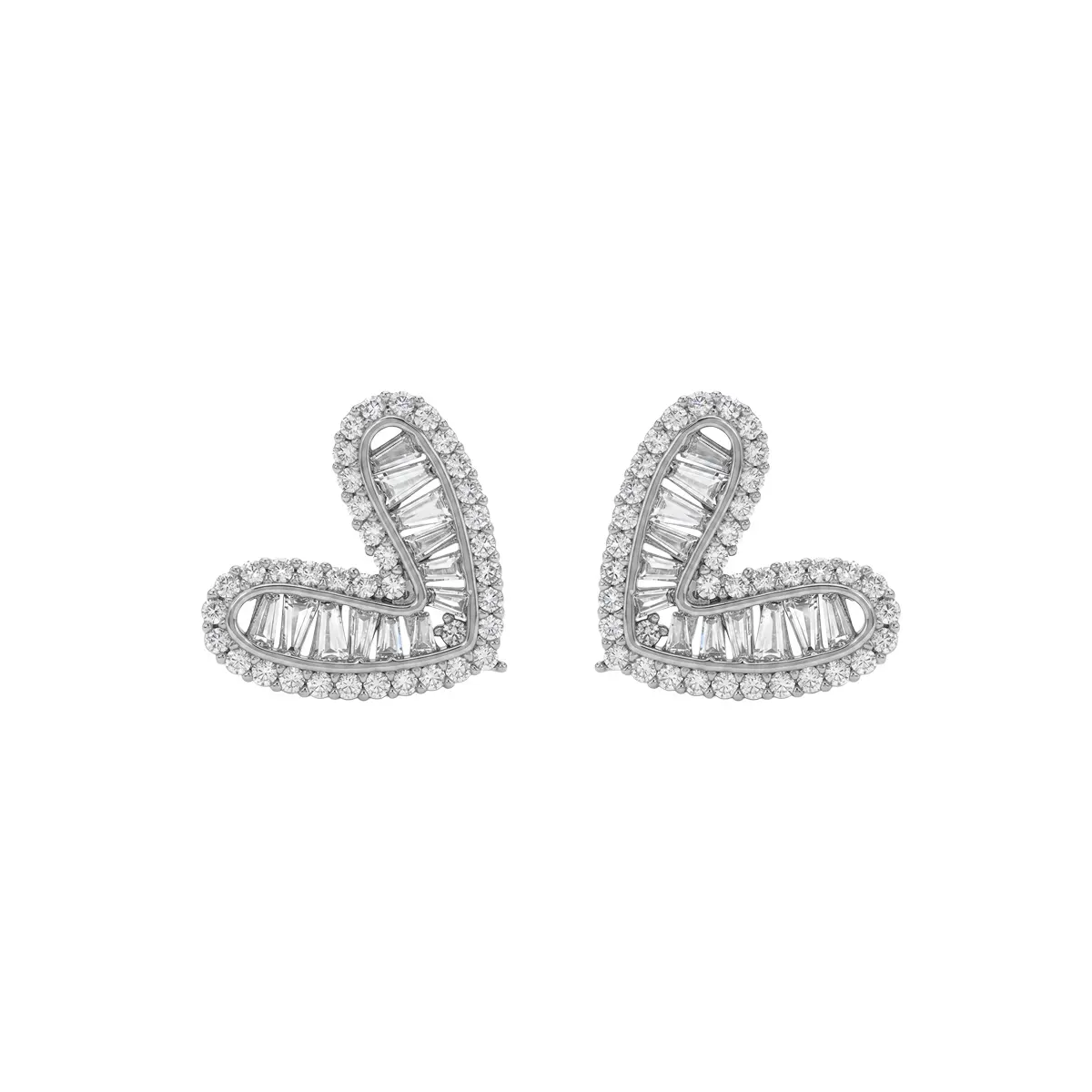
Many buyers focus only on low prices when selecting jewelry suppliers. However, extremely low costs may create risks related to materials, plating quality, and delivery performance. A careful evaluation process can prevent future problems. Buyers should review several important factors before confirming cooperation:
- Check factory production experience and technical abilities.
- Request product samples before placing large orders.
- Review material details and plating specifications.
- Confirm quality inspection procedures.
- Evaluate communication response and after-sales support.
Price remains an important consideration, but it should not replace quality evaluation. A suitable supplier provides balanced value through reliable production, professional service, and consistent results. Careful supplier selection helps brands build stronger market positions and maintain customer satisfaction.
Why Professional Gold Plated Jewelry Factory China Supports Brand Growth
A professional gold plated jewelry factory China partner can provide valuable support for expanding jewelry businesses. Strong manufacturing capabilities allow brands to develop new collections with confidence. Experienced suppliers can improve product designs through technical recommendations and production knowledge. They can also support different order volumes while maintaining stable standards. Advanced plating technology, strict inspection systems, and customization services create stronger product competitiveness. Brands that cooperate with reliable factories can respond faster to market trends. A trusted manufacturing relationship also helps reduce operational challenges. Long-term cooperation creates opportunities for continuous product improvement, efficient supply management, and sustainable brand development in competitive jewelry markets.
FAQ
What Factors Should Buyers Check Before Choosing A Gold Plated Jewelry Factory China?
Buyers should evaluate several important factors before selecting a manufacturing partner. Production experience, material quality, plating technology, and quality control systems are essential considerations. A reliable supplier should provide clear information about metal materials, coating methods, and testing procedures. Buyers should also review customization abilities, sample development processes, and delivery performance. Factory communication quality is another important point because efficient cooperation depends on accurate information exchange. Certifications and compliance documents can also show whether the supplier follows international requirements. A complete evaluation process helps brands reduce risks and establish stable cooperation with professional jewelry manufacturers.
How Does Gold Plating Quality Affect Jewelry Product Performance?
Gold plating quality directly influences jewelry appearance, durability, and customer satisfaction. A strong coating requires proper surface preparation, suitable plating thickness, and controlled production conditions. Poor plating may cause color fading, surface scratches, or uneven finishes after regular use. Professional manufacturers use testing methods to evaluate coating strength and appearance stability.
Material selection also affects plating performance because different metals require different preparation processes. Stainless steel, brass, and copper each have unique characteristics during production. High-quality plating improves product value and supports better customer experiences. Brands should always check plating standards before confirming bulk production.
What OEM Services Can A Professional Jewelry Factory Provide?
A professional jewelry manufacturer can provide various OEM services to support brand development. These services often include custom design production, sample creation, logo engraving, packaging customization, and material selection support. Experienced teams can transform creative concepts into practical production solutions. They help optimize structures, choose suitable metals, and improve manufacturing efficiency. OEM cooperation also allows brands to create exclusive collections based on market demands. Reliable suppliers usually provide communication support throughout design confirmation, sampling, and mass production stages. Strong OEM capabilities help businesses develop unique jewelry products while maintaining consistent quality and efficient production management.