
How To Choose A Jewelry Subscription Box Supplier?
-
Choose the right jewelry subscription box supplier with insights on quality, pricing, customization, and scalable B2B supply solutions.


A jewelry subscription box supplier directly shapes product consistency and brand perception. Subscription businesses rely on repeat satisfaction to maintain retention and lifetime value. Choosing the right jewelry subscription box supplier ensures reliable inventory flow and stable product quality. Poor supplier decisions often lead to delayed shipments and inconsistent craftsmanship. These issues damage customer trust quickly in subscription models. A strong supplier supports growth through scalable production and predictable timelines. Businesses also benefit from integrated packaging and fulfillment services. Reliable partners help reduce operational friction across supply chains. In competitive markets, supplier selection becomes a strategic decision rather than a simple procurement task. Long-term partnerships often create cost advantages and innovation opportunities.
Core Capabilities of a Jewelry Subscription Box Supplier
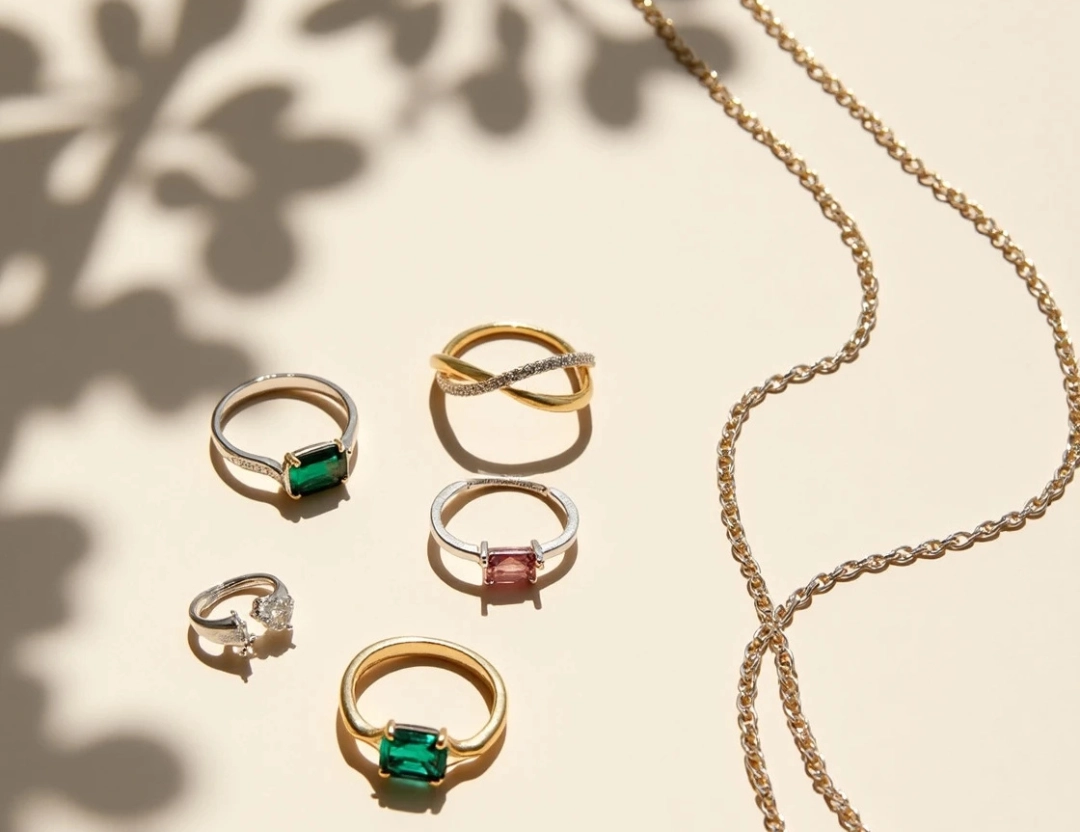
Manufacturing capability defines whether a supplier can handle subscription demand cycles. Suppliers must maintain consistent output across monthly or quarterly releases. Customization options are equally critical for private label programs. Many brands require unique designs to differentiate in crowded markets. A capable jewelry subscription box supplier offers flexible design adjustments and rapid prototyping. Packaging integration also enhances the unboxing experience for end users. Branded boxes, inserts, and protective materials add perceived value. Additionally, suppliers should support multiple product categories such as necklaces, rings, and bracelets. Strong coordination between design and production teams improves execution efficiency. Businesses should evaluate whether suppliers can adapt to seasonal trends and limited edition launches.
Material Standards and Quality Control Systems
Material selection directly impacts durability and customer satisfaction. High-quality metals include stainless steel, brass, and sterling silver. Plating methods such as PVD coating extend product lifespan significantly. Reliable suppliers disclose detailed information about gemstone sourcing and treatment methods. Quality control processes should include incoming material inspection and final product checks. A professional jewelry subscription box supplier implements multi-stage inspection systems. These systems reduce defects before products reach customers. Compliance with standards such as REACH and nickel release limits ensures safety.
Durable finishes prevent tarnishing and discoloration during regular wear. Consistency in material quality becomes essential for recurring subscription deliveries. Brands should request documentation and testing reports before committing to large orders.
Pricing Models and Cost Efficiency in Subscription Supply
Cost structures vary based on order volume and customization complexity. Suppliers often provide tiered pricing based on minimum order quantities. A jewelry subscription box supplier should offer transparent cost breakdowns. These typically include materials, labor, packaging, and logistics fees. Predictable pricing helps brands maintain stable margins over time. Businesses should negotiate long-term agreements for better rates. Bulk purchasing can significantly reduce per-unit costs. However, flexibility remains important for changing demand patterns. Hidden costs such as mold fees or packaging upgrades should be clarified early. Efficient cost management supports sustainable growth in subscription businesses. Profit margins depend heavily on balancing quality with production expenses.
Comparison Table of Supplier Evaluation Criteria
| Criteria | Low Tier Supplier | Mid Tier Supplier | High Tier Supplier |
|---|---|---|---|
| MOQ | High and rigid | Moderate flexibility | Low and scalable |
| Lead Time | 45-60 days | 30-45 days | 15-30 days |
| Customization | Limited | Moderate | Extensive |
| Certifications | None | Basic compliance | Full international standards |
| Quality Control | Minimal | Standard inspection | Multi-stage inspection |
Logistics, Fulfillment, and Global Shipping Capabilities
Efficient logistics ensure timely delivery for subscription cycles. Suppliers may offer warehousing and dropshipping services. A jewelry subscription box supplier with fulfillment support reduces operational workload. Lead times must align with subscription schedules to avoid delays. Inventory management systems help track stock levels in real time. International shipping requires proper documentation and customs compliance. Reliable partners handle duties, labeling, and export regulations effectively. Shipping flexibility allows brands to serve global markets without disruption. Coordination between production and logistics teams improves delivery accuracy. Businesses should evaluate shipping partners and transit times before finalizing agreements.
Custom Branding and Private Label Development Support
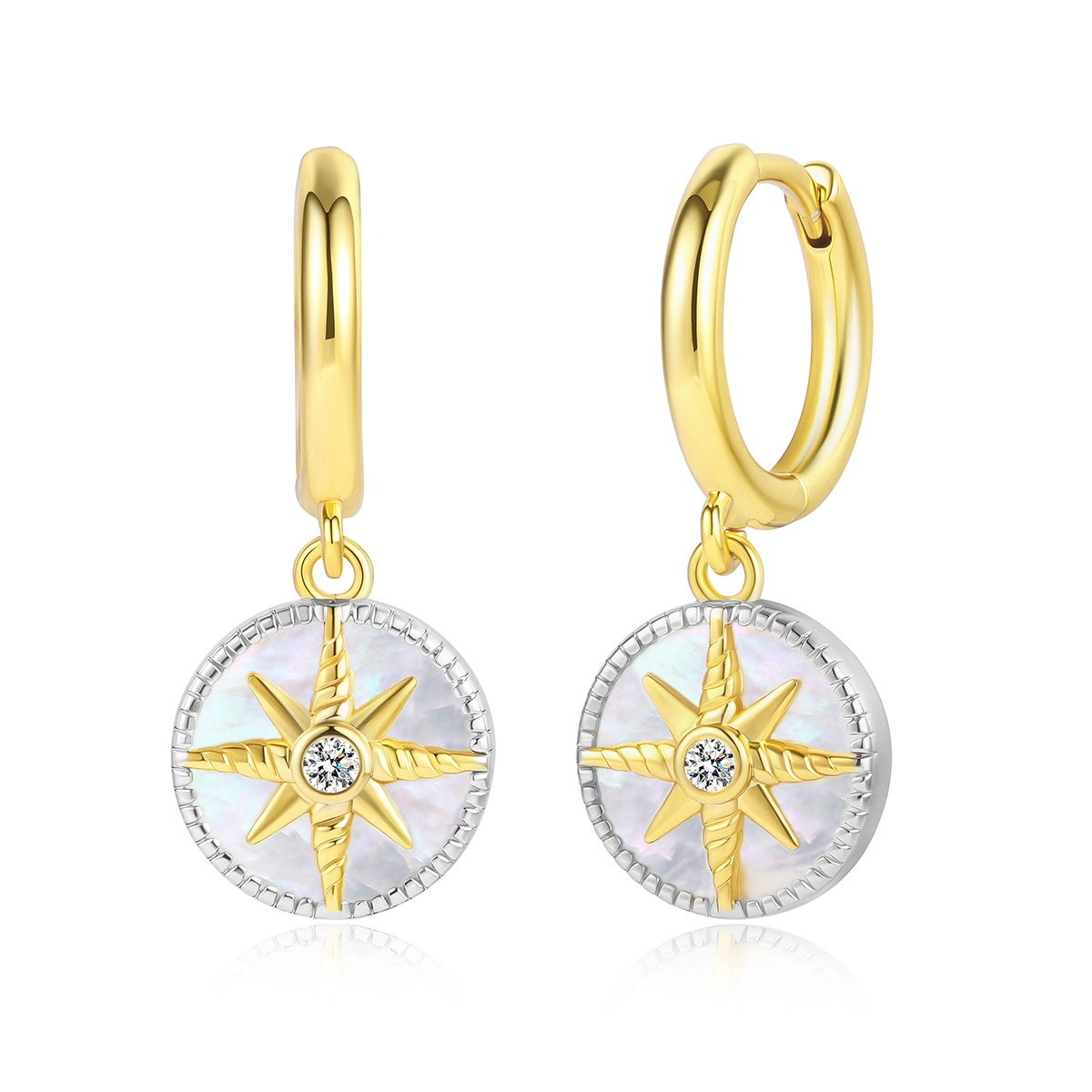
Brand identity plays a crucial role in subscription success. Suppliers should offer engraving, logo printing, and packaging customization. A strong jewelry subscription box supplier collaborates closely during product development. Design teams often create seasonal collections to match market trends. Sampling processes allow brands to refine designs before mass production. For example, a european american women’s necklace can be customized with unique pendants and finishes. Packaging inserts can include storytelling elements to enhance brand engagement. Consistent branding across all components strengthens customer loyalty. Suppliers with design expertise provide valuable input during product planning. This collaboration helps brands maintain a distinctive market position.
Technology Integration and Order Management Systems
Digital integration improves efficiency in subscription operations. Suppliers may offer API connections with eCommerce platforms. A modern jewelry subscription box supplier supports real-time order tracking and inventory updates. Automated systems reduce manual errors and processing delays. Data analytics help brands forecast demand more accurately. Integration also simplifies recurring billing and order fulfillment processes. Centralized dashboards provide visibility into production and shipment status. Businesses benefit from streamlined communication and reduced operational complexity. Technology-driven suppliers enable faster scaling and better customer experience. Reliable systems support long-term growth in subscription models.
Supplier Reliability, Certifications, and Industry Compliance
Trustworthy suppliers maintain consistent performance across multiple production cycles. Certifications such as ISO standards indicate structured quality management systems.
A jewelry subscription box supplier should follow ethical sourcing practices. Social compliance audits ensure fair labor conditions and safe working environments. Transparency in production processes builds confidence among B2B buyers. Contracts should clearly define responsibilities and service expectations. Reliable partners provide detailed documentation for compliance verification. Consistent communication and accountability reduce operational risks. Businesses should conduct factory audits when possible. Strong compliance frameworks protect brand reputation and customer trust.
Cost Breakdown Example for Subscription Jewelry
| Cost Component | Percentage Range | Description |
|---|---|---|
| Materials | 40% - 50% | Metals, stones, and coatings |
| Labor | 20% - 30% | Manufacturing and assembly |
| Packaging | 10% - 15% | Boxes, inserts, branding |
| Logistics | 10% - 20% | Shipping and handling |
Profit Structure Optimization in Subscription Jewelry Supply
Cost allocation directly affects profitability in subscription models. Material costs dominate overall expenses due to metal and plating requirements. Labor efficiency improves with standardized production processes. Packaging costs increase when brands prioritize premium presentation. Logistics expenses vary depending on shipping regions and speed. A jewelry subscription box supplier can help optimize these areas through bundled services. For instance, a new stainless steel 18k gold necklace offers durability while controlling long-term costs. Strategic sourcing reduces material waste and improves consistency. Negotiating volume discounts further enhances cost efficiency. Continuous monitoring ensures sustainable margins as the business scales.
Key Selection Checklist for B2B Buyers
- Evaluate production capacity and scalability
- Verify material quality and compliance certifications
- Assess customization and branding capabilities
- Review pricing transparency and cost structure
- Confirm logistics and fulfillment support
- Check technology integration and reporting systems
- Analyze communication efficiency and responsiveness
Selection Criteria Explanation and Practical Application
Each checklist item plays a critical role in supplier evaluation. Production capacity determines whether growth targets remain achievable. Material verification ensures product durability and compliance with regulations. Customization capabilities influence brand differentiation in competitive markets. Pricing transparency prevents unexpected costs during scaling phases. Logistics support directly impacts delivery timelines and customer satisfaction. Technology integration simplifies operations and reduces manual workload. Communication efficiency improves coordination across teams and time zones. Businesses should score suppliers against these criteria for objective comparison. Structured evaluation reduces risk and improves long-term partnership outcomes. A disciplined selection process leads to sustainable subscription business success.
Long-Term Partnership Strategy With Subscription Suppliers
Strong partnerships extend beyond initial transactions. Businesses should establish clear performance metrics and expectations. A reliable jewelry subscription box supplier evolves alongside brand growth. Regular reviews help identify improvement opportunities in production and logistics. Collaborative planning supports new product launches and seasonal collections.

Negotiation strategies should focus on mutual benefits and long-term stability. Trust and transparency strengthen relationships over time. Continuous innovation keeps subscription offerings fresh and competitive. Strategic partnerships often lead to better pricing and priority production slots. Long-term collaboration creates a foundation for sustainable expansion.