How To Choose A Minimalist Bangle Wholesale Supplier?
-
Minimalist bangle wholesale supplier selection covering materials, quality control, MOQ, customization, pricing, and reliable production.
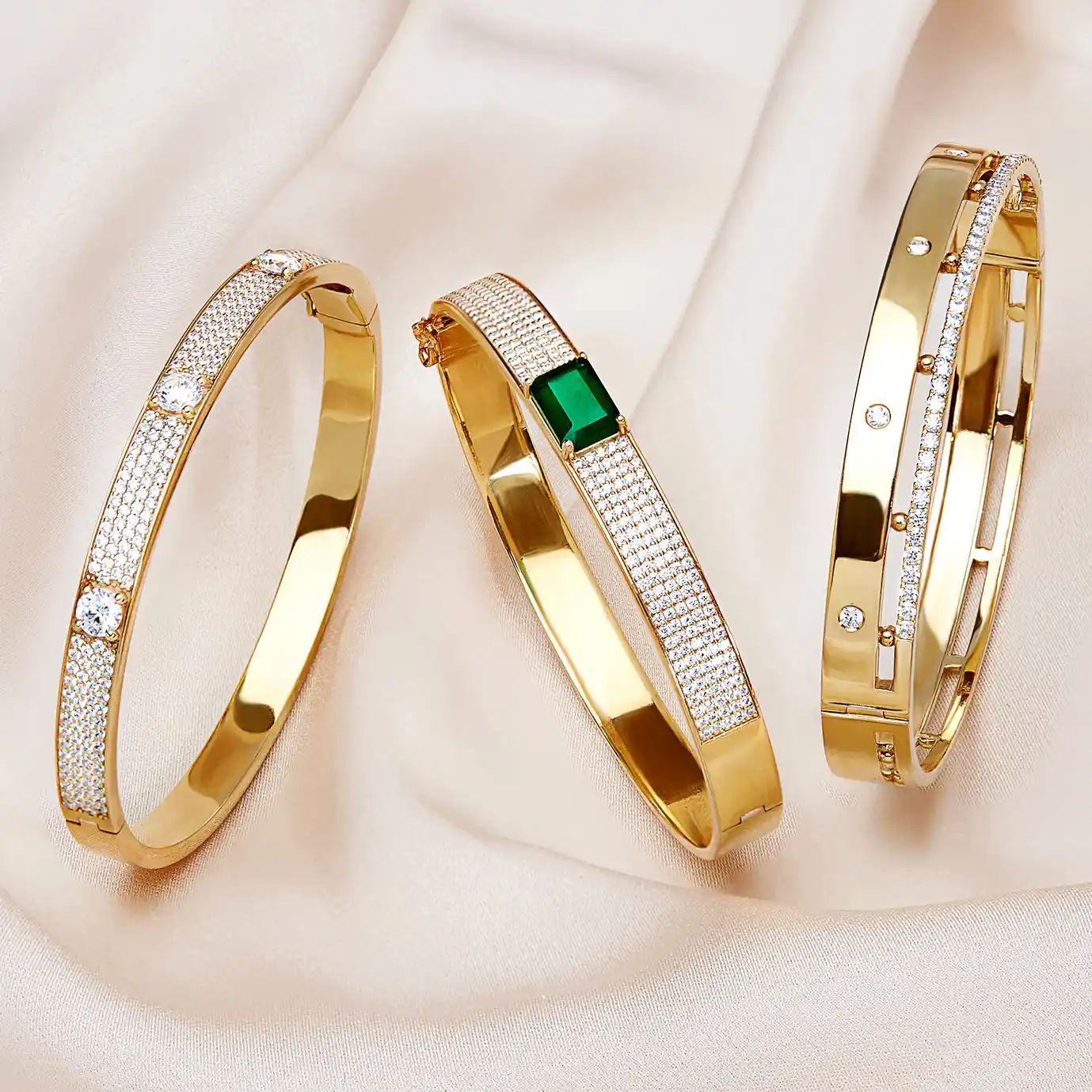
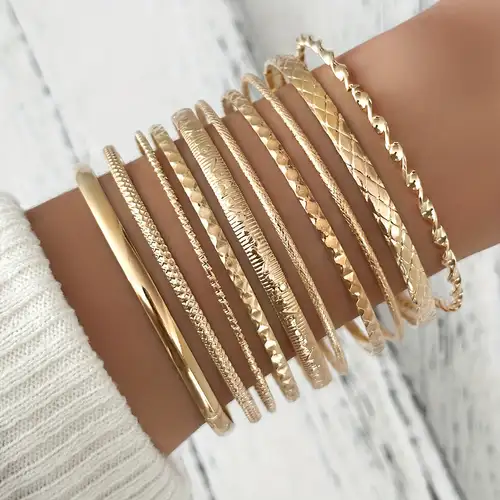
A minimalist bangle wholesale supplier can influence product consistency, margins, and customer satisfaction. Minimalist jewelry depends heavily on clean proportions and precise finishing. Small dimensional differences become highly visible on simple bangle designs. Buyers should therefore assess manufacturing details before comparing unit prices. Material quality affects durability, weight, appearance, and perceived value. Production capacity also matters when brands need regular replenishment. Consistent output helps retailers maintain stable displays across multiple orders. Strong communication reduces mistakes during sampling and production. Buyers should request physical samples before approving commercial quantities. They should also compare samples against written specifications. This approach creates a stronger purchasing foundation. Supplier selection should focus on measurable performance rather than attractive catalog photography alone.
How To Assess A Minimalist Bangle Wholesale Supplier’s Product Quality
Product quality should remain the first major evaluation point during supplier screening. Buyers should inspect diameter, thickness, weight, and opening dimensions carefully. Edge treatment deserves special attention because rough edges can affect wearing comfort. Polishing quality also controls how light reflects across smooth surfaces. Uneven finishing can make premium designs appear inexpensive. Buyers should compare several samples whenever production consistency remains uncertain. Surface scratches, dents, discoloration, and plating differences require immediate attention. Functional details also matter for hinged or connected structures. Suppliers should explain their inspection points clearly before bulk production begins. Quality records can provide additional evidence of process control. Sampling should focus on measurable characteristics rather than visual appeal alone. Reliable quality requires repeatable production methods across different order batches.
What Materials Should A Reliable Bangle Supplier Offer?
Material selection affects durability, weight, cost, and visual character. Stainless steel provides strong corrosion resistance and supports many decorative finishes. Brass offers flexible shaping and often suits cost-sensitive fashion collections. Sterling silver supports premium positioning but requires greater material investment. Buyers should examine the base metal beneath plated surfaces carefully. Plating performance depends on surface preparation and coating control. Gold finishes can vary in color, thickness, and surface durability. PVD coatings can provide strong resistance on suitable stainless steel products. Material specifications should appear clearly in supplier quotations. Buyers should also request documentation that matches actual production materials. Consistent material selection helps maintain product quality across repeat orders. Accurate specifications also support reliable retail descriptions and customer communication.
| Material | Main Advantage | Key Purchasing Consideration |
|---|---|---|
| Stainless Steel | Durability and corrosion resistance | Check grade and surface preparation |
| Brass | Flexible shaping and competitive cost | Confirm protective surface treatment |
| 925 Silver | Premium positioning | Consider higher material costs |
| Gold-Plated Stainless Steel | Modern appearance with durable base | Check plating process and finish consistency |
The material comparison shows why buyers should evaluate more than appearance. Stainless steel can support durable everyday collections with suitable finishing. Brass may offer greater flexibility when cost targets remain strict. Sterling silver can support premium positioning but requires tighter cost control. Plated products need additional attention to surface preparation and coating performance. Buyers should match material selection with product positioning, expected usage, and target retail price. Clear specifications also reduce misunderstandings between product development and mass production. A supplier that provides detailed material information gives buyers stronger purchasing control.
How Manufacturing Capability Affects Bangle Consistency
Manufacturing capability determines whether a design remains consistent at commercial volumes. Precision bending equipment helps maintain accurate circular or open-bangle shapes. Stamping equipment can create repeatable decorative elements with controlled dimensions. CNC machining can support detailed components and structural adjustments. Polishing equipment determines surface smoothness and visual uniformity. Electroplating systems require controlled preparation, chemical conditions, and processing time. Skilled operators remain important because equipment cannot eliminate every production variable. Production teams should monitor tooling wear during long manufacturing runs. Regular maintenance helps prevent dimensional drift and surface defects. Buyers should ask how factories manage these production variables. Strong production systems create repeatable results instead of relying only on final inspection. Manufacturing experience therefore becomes an important purchasing consideration.
What MOQ And Pricing Factors Should Buyers Compare?
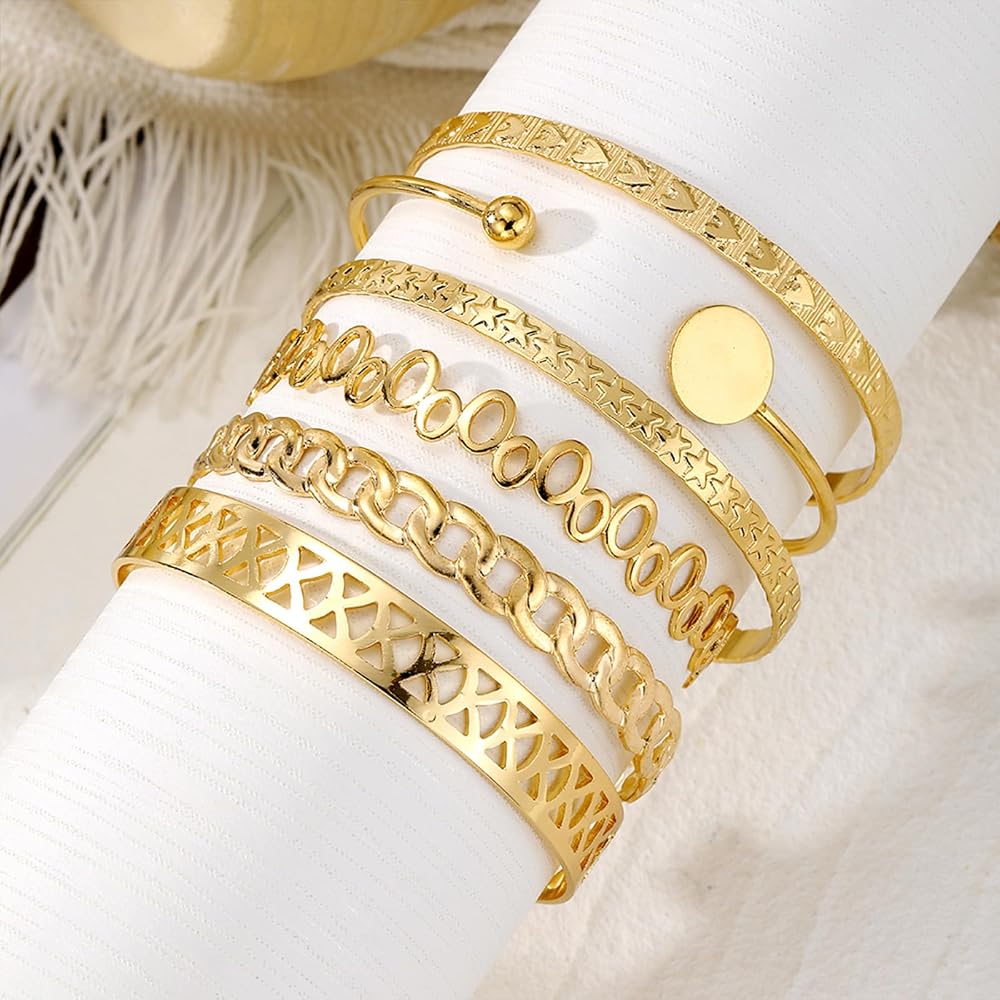
A minimalist bangle wholesale supplier may calculate pricing according to materials, quantity, finishing, and customization. Minimum order quantities can change when buyers request special colors or custom tooling. Larger orders usually reduce unit costs because setup expenses spread across more pieces. However, buyers should avoid selecting suppliers solely because of low prices. Extremely low quotations may reflect thinner plating or lower-grade materials. Packaging, inspection, tooling, and shipping can also affect total procurement costs. Buyers should request itemized quotations whenever possible. Comparing landed cost provides a more useful purchasing benchmark. Brands should also examine price stability for repeat orders. Unexpected cost changes can complicate retail pricing and inventory planning. Transparent quotations help buyers compare commercial value more accurately.
| Cost Factor | Potential Impact | Buyer Evaluation Point |
|---|---|---|
| Base Material | Directly affects unit cost | Confirm grade and specification |
| Surface Finish | Changes processing expenses | Check finish type and durability |
| MOQ | Influences unit economics | Compare quantity tiers |
| Custom Tooling | Adds development expenses | Confirm ownership and reuse terms |
| Packaging | Changes landed cost | Request detailed specifications |
| Inspection | May affect procurement expenses | Clarify inspection scope |
Cost comparison becomes more useful when buyers examine every purchasing component. A low unit price may lose its advantage after packaging and tooling expenses. Buyers should calculate the expected landed cost for each supplier. Quantity tiers can reveal when larger orders create meaningful savings. However, excessive inventory can increase storage and cash-flow pressure. The best commercial option balances unit economics with realistic demand. Repeat-order pricing also deserves attention because stable costs support predictable retail margins. Buyers should therefore compare both immediate pricing and long-term purchasing conditions.
Which Customization Services Add Value To Minimalist Bangle Orders?
Customization allows brands to create stronger differentiation within competitive jewelry collections. Common options include dimensions, finishes, logos, packaging, and structural details. Some factories can develop custom molds for distinctive bangle profiles. Buyers should provide accurate drawings or physical references during development. Clear specifications reduce misunderstandings during sampling. Logo placement requires careful planning because minimalist surfaces offer limited visual space. Engraving depth should remain proportional to the bangle thickness. Surface finishes can change how logos and decorative details appear. Packaging creates another opportunity for stronger brand recognition. Buyers should request digital renderings before physical production when possible. A structured approval process reduces expensive changes during mass production. Customization should improve brand identity without compromising product function or production stability.
What Quality Control Checks Should A Minimalist Bangle Wholesale Supplier Provide?
Quality control should cover materials, dimensions, surfaces, finishing, assembly, and packaging. Incoming materials require verification before fabrication starts. Dimensional checks should follow bending, stamping, or machining processes. Surface inspections should identify scratches, dents, stains, and uneven polishing. Plating inspections should verify color consistency and coating performance. For products such as Gold Plated Stainless Steel Crystal Zircon Round Bangle, buyers should inspect crystal alignment and plating uniformity. Assembly checks matter when products include hinges, clasps, or connecting elements. Buyers should also confirm pre-shipment inspection procedures. Useful inspection points include:
- Material and component verification
- Dimensional and weight inspection
- Surface finish inspection
- Plating appearance assessment
- Crystal setting inspection
- Functional testing
- Packaging verification
- Random sampling before shipment
These checkpoints create stronger protection than relying on final visual inspection. Buyers should define acceptable quality limits before production starts. Written inspection standards make supplier performance easier to measure. Consistent inspection also helps identify recurring defects and their production causes.
How Sample Approval Protects Bulk Bangle Orders
Sample approval creates a practical reference for commercial production. The approved sample should represent final materials, dimensions, color, finish, and packaging. Buyers should compare physical samples against technical specifications carefully. Copper Bracelet Gold Plated Glass Pearl Open Link Bangles require attention to both surface color and decorative attachment. Pearl placement should remain consistent across repeated units. Gold finishing should maintain an even tone across connected components. Buyers should photograph approved samples from several angles. Those images can support later production inspections. Written approval records should identify agreed specifications and permitted deviations. This process reduces ambiguity between product development and mass production. It also creates a useful benchmark for repeat orders and quality discussions.
How Lead Times And Capacity Affect Purchasing Decisions
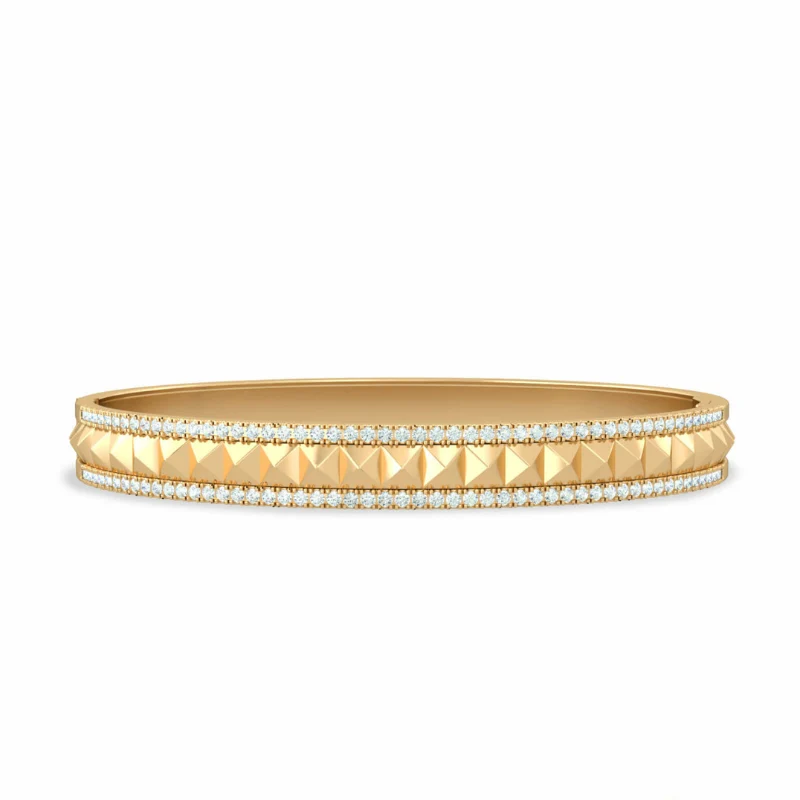
Production capacity directly affects inventory availability and replenishment planning. Buyers should separate sample lead time from bulk production lead time. Sampling may require several development stages before final approval. Mass production then depends on material availability, scheduling, and order volume. Factories with strong planning systems can allocate resources more effectively. Buyers should ask about peak-season capacity before placing large orders. Raw material stock also affects production continuity. Special finishes may require additional processing time or external resources. Clear production schedules help brands coordinate marketing campaigns and product launches. Reliable suppliers should provide realistic timelines instead of optimistic estimates. Consistent delivery performance can become a major advantage for fast-moving collections. Buyers should review actual delivery records when available.
What Compliance Details Should Buyers Verify Before Ordering?
Compliance requirements depend on destination markets and product composition. Buyers should request available material declarations and relevant test documentation. Nickel release requirements may matter for products sold in regulated markets. Lead and cadmium restrictions can also affect jewelry components. Testing should cover the actual materials used during production. Buyers should verify that documentation matches the supplier and product specifications. Certificates for unrelated products provide limited purchasing value. Surface finishes may require additional testing depending on destination-market requirements. Packaging materials can also face separate regulatory requirements. Responsible suppliers should communicate available compliance documents clearly. Buyers should retain approved reports with product records. Strong documentation supports responsible sourcing and reduces avoidable compliance problems.
How Communication And After-Sales Support Affect Reliability
A reliable minimalist bangle wholesale supplier should communicate clearly throughout the order cycle. Fast replies matter, but accurate replies matter more. Product questions should receive specific answers about materials and dimensions. Sample revisions should follow written specifications and visual references. Production updates should identify major milestones instead of vague assurances. Buyers should also evaluate how suppliers handle quality complaints. Effective teams investigate causes instead of offering unsupported explanations. Replacement policies should be clear before large orders begin. Communication records can help resolve disagreements about approved specifications. Strong after-sales support reflects operational discipline. Reliable communication also makes repeat purchasing easier. Long-term cooperation becomes more practical when both sides maintain clear expectations.
How To Build A Practical Supplier Evaluation System
A minimalist bangle wholesale supplier should be evaluated through measurable criteria. Buyers can create a scoring system before comparing quotations. Product quality should receive significant weight because defects create direct retail costs. Production capacity deserves attention when frequent replenishment matters. Customization capability becomes important for private-label collections. Pricing should include materials, finishing, packaging, and purchasing expenses. Communication performance can indicate how smoothly future projects may operate. Buyers can evaluate suppliers using these categories:
- Product consistency
- Material reliability
- Manufacturing capability
- MOQ flexibility
- Pricing transparency
- Customization support
- Lead-time performance
- Quality control
- Communication efficiency
- After-sales service
A weighted score prevents one attractive feature from dominating the decision. Buyers should also review actual sample performance before final approval. Combining measurable data with physical inspection creates a stronger selection process. Supplier evaluations should continue after the first commercial order. Actual performance provides stronger evidence than initial sales presentations.
FAQ
What MOQ Should Buyers Expect From A Bangle Wholesale Supplier?
MOQ depends on material, finishing method, customization level, and production process. Standard catalog designs often support lower quantities than fully customized products. Special plating colors may require higher quantities because factories need dedicated setup. Custom molds can also increase minimum order requirements. Buyers should request quantity tiers instead of one MOQ figure. Different order levels can reveal where pricing becomes more competitive. Brands should also consider inventory turnover before selecting large quantities. A lower unit price does not always create better commercial results. Small initial orders can provide useful production feedback. Successful designs can then move toward larger repeat orders. Clear MOQ terms should appear in quotations before purchase confirmation.
How Can Buyers Check Bangle Quality Before Bulk Production?
Buyers should begin with a physical sample that matches the intended production specification. They should measure diameter, thickness, opening size, and weight with suitable tools. Edge inspection can identify sharp points, uneven shaping, or inconsistent finishing. Surface inspection should cover scratches, dents, stains, and plating variation. Material documentation should match the actual product construction. Functional components require repeated movement tests when applicable. Buyers should also inspect packaging because transit protection affects delivered quality.Comparing several samples can reveal variation that one piece cannot show. Written approval should record accepted dimensions and appearance.
Pre-shipment inspection provides another checkpoint before delivery. This combination offers stronger protection than relying on product photographs alone.
What Should Buyers Ask Before Choosing A Bangle Supplier?
Buyers should ask about materials, finishes, MOQ, lead times, and customization options. Production capacity should match expected order volumes and replenishment schedules. Questions about quality control can reveal how factories manage production risks. Buyers should request sample procedures and clarify revision policies before development. Pricing questions should cover tooling, packaging, inspection, and potential additional charges. Compliance documentation should match destination markets and actual product materials. After-sales policies should explain how defects or shortages receive resolution. Communication procedures also deserve attention for recurring orders. A capable supplier should answer these questions with specific operational information. Clear answers create a stronger basis for comparing competing factories. Final decisions should rely on documented evidence and approved samples rather than promises alone.