How To Choose An ODM Jewelry Set Supplier?
-
ODM jewelry set supplier offers custom designs, quality materials, reliable production, and tailored jewelry solutions for global brands.
Selecting an ODM jewelry set supplier requires careful evaluation because jewelry quality directly affects customer trust. Professional partners help brands create collections that match market demands and consumer preferences. Experienced suppliers provide design support, material recommendations, production management, and quality control solutions. A reliable cooperation model reduces development risks and improves product consistency. Brands should examine supplier capabilities before starting cooperation. Factors like manufacturing experience, customization ability, communication efficiency, and delivery performance influence long-term results. A strong supplier relationship also helps businesses respond faster to fashion trends. Careful selection creates stable product development processes and supports sustainable brand expansion in competitive jewelry markets.
Evaluating ODM Jewelry Set Supplier Design And Development Capabilities
A capable ODM jewelry set supplier should provide strong design resources and flexible development services. Professional teams analyze market trends, customer preferences, and seasonal demands before creating new collections. Designers usually combine creative concepts with practical manufacturing knowledge. They consider jewelry proportions, wearing comfort, production feasibility, and cost control during development. Advanced suppliers also provide sample adjustments before mass production begins. These steps help brands achieve unique product styles without unnecessary delays. Design capability includes sketch creation, material selection, prototype production, and modification support. Suppliers with complete development systems allow brands to build recognizable collections while maintaining efficient production schedules.
Checking Jewelry Materials And Manufacturing Quality Standards
Material selection strongly influences jewelry appearance, durability, and customer satisfaction. Reliable suppliers should provide clear information about metals, coatings, stones, and processing methods. Stainless steel jewelry requires accurate polishing and surface treatment to maintain long-term shine. Gold plating quality depends on coating thickness, preparation processes, and protective techniques. Zircon stones require precise cutting methods to improve reflection and visual appeal. Brands should review material testing procedures before cooperation. Professional manufacturers normally check color consistency, structural strength, plating performance, and finished appearance. These evaluations reduce quality problems and protect brand reputation. A detailed material control system demonstrates manufacturing professionalism and commitment to stable product performance.
| Material Factor | Quality Evaluation Points | Business Impact |
|---|---|---|
| Stainless Steel | Corrosion resistance, polishing quality, durability | Improves product lifespan |
| Gold Plating | Coating thickness, color stability, surface protection | Enhances premium appearance |
| Zircon Stones | Cut precision, clarity, setting strength | Creates attractive visual effects |
| Pearl Elements | Shape consistency, surface quality, matching accuracy | Supports collection value |
Reviewing Production Processes And Quality Management Systems
Production management determines whether suppliers can deliver stable jewelry collections. Skilled teams organize material preparation, molding, polishing, assembly, inspection, and packaging stages. Each process requires detailed control because small defects can influence customer experience. Quality teams usually check dimensions, appearance, connection points, and surface conditions. Suppliers with organized workflows can reduce production errors and improve delivery reliability. Modern factories often combine manual inspection with professional testing equipment. Brands should review production capacity and quality records before cooperation. A strong management system helps maintain consistent results across different orders. It also supports customized projects that require precise specifications and reliable manufacturing performance.
Assessing Customization Support And Market Adaptability
Customization capability allows brands to create distinctive jewelry collections for different customer groups. Suppliers should provide flexible options for shapes, materials, finishes, packaging, and product combinations. For example, a collection featuring Stainless Steel Zircon Choker and Tennis Bracelet Jewelry Set requires accurate coordination between necklace structure and bracelet design. Professional teams analyze product requirements before creating samples. They also suggest improvements based on production experience and market trends. Flexible customization reduces development limitations and helps brands launch competitive products. Strong suppliers combine creative thinking with manufacturing expertise. This balance allows businesses to develop attractive collections while maintaining reasonable costs and efficient production schedules.
Comparing Supplier Communication And Business Support Services
Effective communication plays an important role during jewelry development and production. Reliable suppliers provide clear updates about samples, production schedules, material availability, and shipment arrangements. Professional teams respond quickly when brands request modifications or technical adjustments. Good communication reduces misunderstandings and prevents delays during cooperation. Suppliers should also provide detailed product information, including specifications, packaging options, and inspection results. Transparent communication creates stronger partnerships between brands and manufacturers. Businesses should evaluate response speed, problem-solving ability, and service attitude before selecting partners. A supplier with strong support systems can help brands manage projects smoothly and maintain stable product launches across different markets.
Key Factors For Selecting A Professional Jewelry Manufacturing Partner
Brands should evaluate multiple factors before choosing a suitable jewelry manufacturing partner. A complete assessment helps identify suppliers with strong production abilities and reliable cooperation models. Important evaluation points include:
- Manufacturing experience with different jewelry categories and market requirements.
- Custom design support with flexible modification options.
- Material sourcing ability with stable quality control procedures.
- Production capacity for handling different order volumes.
- Inspection systems that maintain consistent product standards.
- Communication efficiency during development and delivery stages.
These factors provide a practical reference for supplier selection. Brands can compare different manufacturers through samples, factory information, and previous project experience. A detailed evaluation process reduces cooperation risks and supports long-term business development. Professional assessment also helps companies find partners that match their product positioning and growth plans.
| Evaluation Category | Key Questions | Expected Supplier Ability |
|---|---|---|
| Design Service | Can the supplier create customized jewelry concepts? | Provides creative development and sample support |
| Production Ability | Can the factory handle required quantities? | Maintains stable manufacturing efficiency |
| Quality Control | Are inspection procedures clearly defined? | Reduces defects and improves consistency |
| After-Sales Support | Can problems receive quick solutions? | Provides reliable cooperation assistance |
Reviewing Supplier Certifications And Compliance Management
Certifications and compliance procedures show whether suppliers maintain professional production standards. Jewelry businesses should check factory management systems, material documentation, and quality inspection records. Responsible manufacturers follow consistent procedures for sourcing, processing, and product evaluation. These practices help protect brands from quality issues and customer complaints. Compliance also becomes important when products enter different international markets. Suppliers should provide accurate information about materials, production methods, and safety requirements. Experienced manufacturers normally maintain organized records throughout the production process. This approach improves transparency and creates stronger confidence between partners. Brands that review compliance details can make better decisions and establish reliable supply relationships.
Choosing An ODM Jewelry Set Supplier For Long-Term Jewelry Success
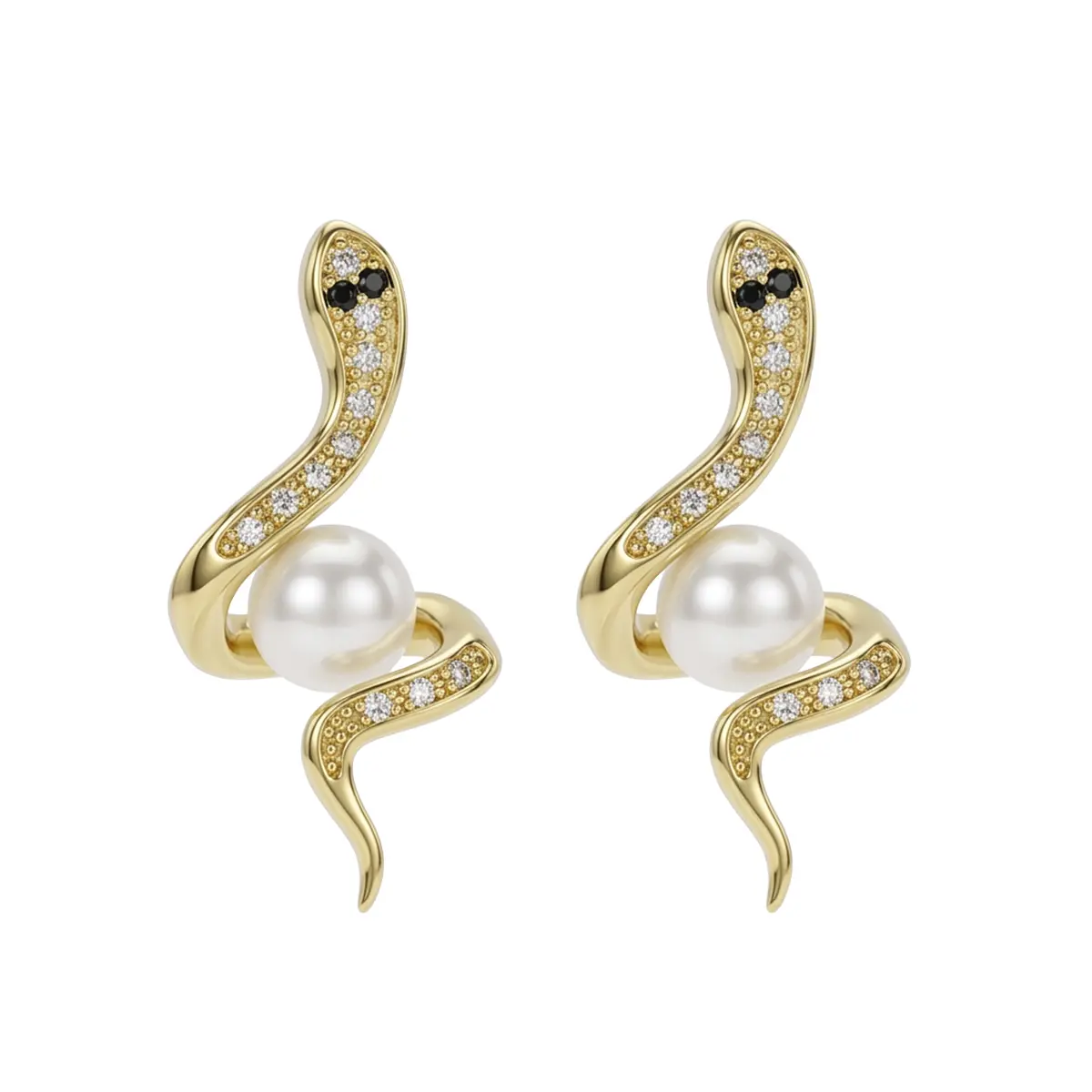
Choosing an ODM jewelry set supplier requires attention to both current needs and future growth plans. Long-term cooperation depends on product quality, communication, innovation, and production reliability. A strong supplier supports brands through design improvements, material selection, and efficient manufacturing processes. The best partnerships develop through mutual trust and continuous cooperation. Suppliers should understand brand positioning and provide solutions that fit different market demands. For example, brands focusing on vintage-inspired collections may require products like Retro 18K Gold Plated Stainless Steel Zircon Pearl Necklace Set with precise finishing and elegant details. Careful supplier selection creates stable supply channels and helps jewelry businesses achieve sustainable expansion.
Improving Product Value Through Advanced Jewelry Development
Advanced jewelry development combines creative design with detailed manufacturing knowledge. Professional suppliers analyze customer preferences and create products that match current market expectations. They focus on structural balance, surface treatment, stone placement, and production efficiency. These details influence product appearance and customer satisfaction. Suppliers with strong development experience can recommend suitable materials and production methods. They also help brands optimize designs before large-scale manufacturing. Effective development processes reduce unnecessary costs and improve product competitiveness. Companies working with experienced partners gain better control over product quality, timing, and market response. A complete development system supports successful jewelry collections and strengthens brand identity.
Maintaining Reliable Cooperation Through Continuous Improvement
Long-term cooperation requires continuous communication and improvement between brands and suppliers. Market trends change quickly, so manufacturers need flexible production strategies. Suppliers should regularly review production results and improve their processes. Feedback from brands helps teams adjust designs, materials, and service methods. Continuous improvement creates better products and stronger business relationships. Professional suppliers also monitor customer preferences and industry changes. This information supports future collection planning and product innovation. Reliable cooperation depends on shared goals, transparent communication, and consistent quality management. Brands that build stable partnerships can respond faster to market opportunities and maintain stronger competitiveness.
FAQ
What Services Should A Professional Jewelry Supplier Provide?
A professional jewelry supplier should provide complete services from design development to final production. These services normally include concept creation, material selection, sample production, customization support, quality inspection, and packaging solutions. Strong suppliers also offer technical suggestions based on manufacturing experience. They help brands improve product designs while controlling production costs. Reliable communication is another important service because it keeps projects moving efficiently. Suppliers with complete support systems reduce development difficulties and provide better cooperation experiences. Brands should evaluate service capability before starting partnerships because supplier support directly affects product quality, delivery performance, and long-term business results.
How Can Brands Check Jewelry Supplier Quality Before Cooperation?
Brands can check supplier quality through factory evaluations, sample reviews, material verification, and production process assessments.