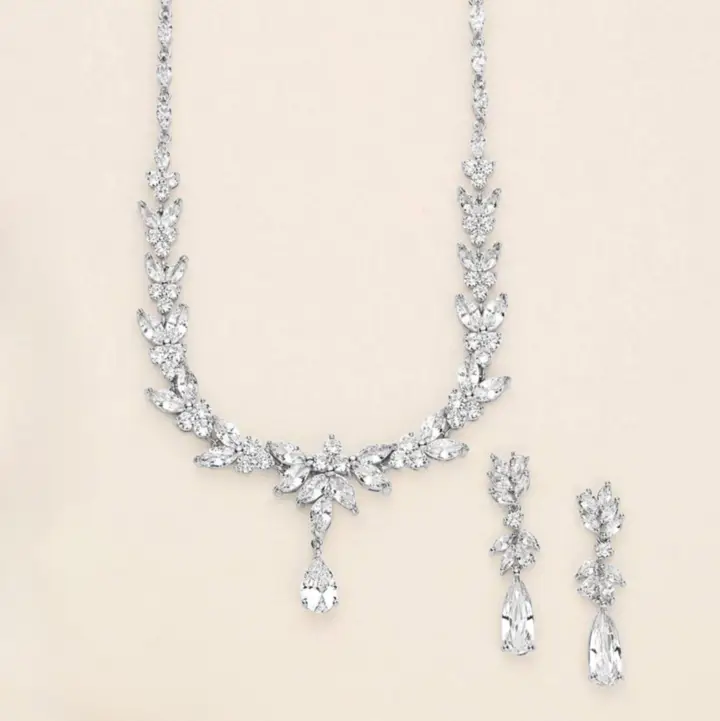
How To Choose Bridal Jewelry Wholesale Suppliers?
-
Reliable bridal jewelry wholesale suppliers ensure quality, fair pricing, and stable delivery for long-term B2B growth.
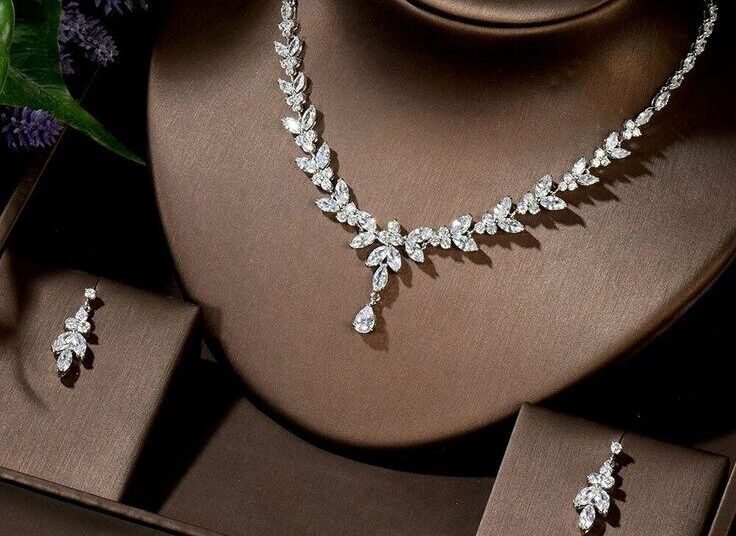
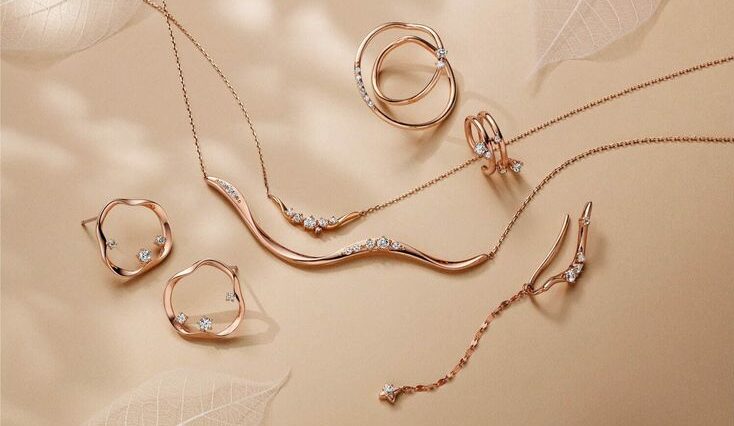
Selecting the right bridal jewelry wholesale partner defines long-term profitability and brand stability. Buyers must verify legal registration, export licenses, and operational history before any transaction. Experienced suppliers often present documented certifications like ISO9001 or SGS inspection reports. These documents confirm standardized production and material compliance. Strong factories maintain in-house quality control teams that inspect plating thickness and stone setting accuracy. Production capacity also matters because seasonal demand spikes require flexible output. Suppliers with scalable lines can handle sudden order increases without delays. Additionally, client references reveal consistency across past transactions. Reliable partners provide transparent communication and structured quotations. Each detail builds trust and reduces sourcing risks for professional buyers.
How Bridal Jewelry Wholesale Pricing Structures Impact Profit Margins
Pricing models in bridal jewelry wholesale directly affect retail margins and inventory turnover. Suppliers usually define minimum order quantities to optimize production efficiency. Lower MOQ often results in higher unit costs, while bulk orders reduce pricing significantly. Material cost remains the largest component, especially for silver or gold-plated items. Labor expenses depend on craftsmanship complexity and stone setting techniques. Customization introduces additional mold and sampling fees, which must be amortized across volume. Logistics costs include packaging, freight, and customs duties, which vary by destination. Hidden expenses can reduce expected profit margins if overlooked. Transparent cost breakdowns help buyers compare offers effectively. Strategic negotiation ensures balanced pricing without compromising product quality or delivery reliability.
Material Quality Standards in Wedding Jewelry Supply Chains
Material quality defines product lifespan, skin compatibility, and perceived value in bridal jewelry wholesale sourcing. Common base materials include brass, sterling silver, and stainless steel, each offering different durability levels. High-quality plating uses thick gold or rhodium layers, measured in microns for accuracy. Thicker plating improves resistance against tarnishing and oxidation during storage or wear. Stones range from cubic zirconia to lab-grown diamonds, each requiring secure setting techniques. Hypoallergenic standards demand nickel-free compositions to prevent skin irritation. Advanced suppliers apply anti-tarnish coatings to extend shelf life. Testing methods include salt spray tests and wear simulations to evaluate durability. Consistent material standards ensure repeat orders and reduce return rates across distribution channels.
Customization Capabilities for Bridal Jewelry Collections
Customization drives differentiation in competitive bridal jewelry wholesale markets. Suppliers offering OEM and ODM services allow brands to create unique collections. The process often begins with CAD design, where detailed digital models define structure and dimensions. Mold development follows, using precision tooling to ensure accurate replication. Sampling stages validate design feasibility and material compatibility before bulk production. Lead time depends on design complexity and production scheduling. Custom orders require clear technical drawings and specification sheets. Effective communication reduces revisions and avoids delays. For example, a luxury fine jewelry set may demand advanced polishing and stone alignment techniques. Skilled manufacturers combine craftsmanship with technology to deliver consistent results at scale.
Supply Chain Stability and Delivery Reliability
Stable supply chains ensure predictable delivery schedules and consistent product availability. Bridal jewelry wholesale operations depend on synchronized material sourcing, production, and logistics. Delays often occur during peak wedding seasons when demand surges globally. Reliable suppliers maintain buffer inventory for key components to avoid disruptions. Production timelines must align with agreed schedules and include contingency planning. Logistics partners play a crucial role in ensuring safe and timely delivery. Air freight offers speed but increases cost, while sea freight reduces cost but extends transit time. Accurate forecasting helps suppliers plan production cycles efficiently. Strong coordination across departments minimizes delays and protects buyer commitments in competitive markets.
Supplier Communication and After-Sales Support
Clear communication builds trust and ensures smooth transactions in bridal jewelry wholesale partnerships. Suppliers should respond quickly and provide detailed answers to technical inquiries. Language clarity reduces misunderstandings during order confirmation and production stages.
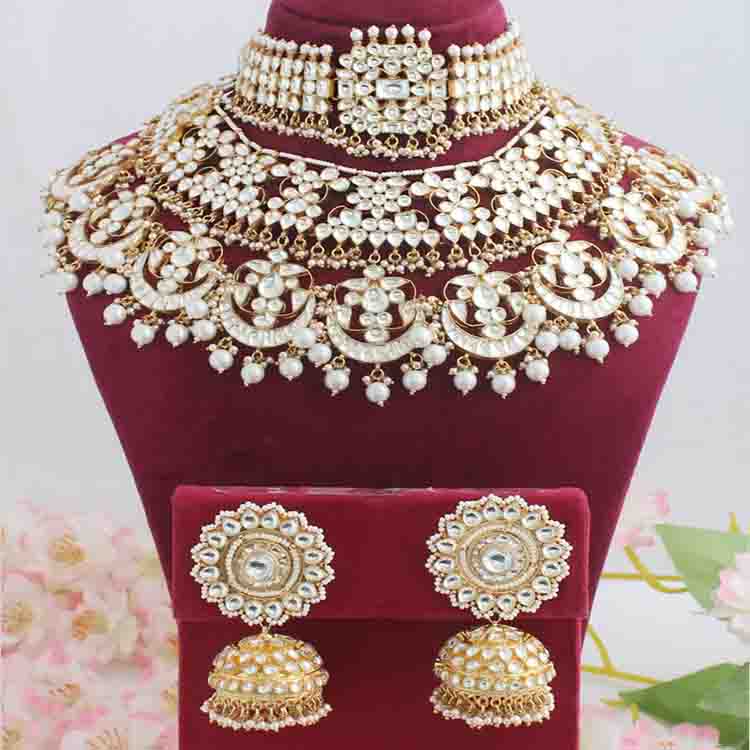
After-sales support includes handling defective items and processing replacements efficiently. Professional suppliers define warranty policies covering manufacturing defects and plating issues. Return procedures should be simple and transparent for international buyers. Consistent updates during production improve visibility and reduce uncertainty. Long-term cooperation often leads to better pricing and priority scheduling. Strong communication systems support sustainable partnerships and enhance operational efficiency for both parties.
Comparing Domestic vs Overseas Wholesale Jewelry Suppliers
Domestic and overseas suppliers offer distinct advantages for bridal jewelry wholesale sourcing strategies. Local suppliers provide faster delivery and easier communication, which suits urgent orders. Overseas manufacturers often offer lower production costs due to labor advantages. However, longer lead times and shipping complexities must be considered. Quality control standards vary across regions, requiring careful verification. Import regulations and duties impact final landed costs significantly. Buyers must evaluate total cost rather than unit price alone. Currency fluctuations also influence procurement budgets over time. A balanced sourcing strategy often combines both domestic and international suppliers. This approach reduces risk and ensures supply continuity across different market conditions.
Key Questions to Ask Before Finalizing a Supplier
- What certifications and compliance documents are available?
- What is the minimum order quantity and pricing flexibility?
- Can samples be provided before bulk production begins?
- What quality control processes are implemented during manufacturing?
- What is the standard production and delivery lead time?
These questions reveal operational transparency and production reliability. Clear answers indicate structured management and professional workflows. Buyers should document responses for comparison across multiple suppliers. Consistent evaluation criteria simplify decision-making and reduce sourcing risks. Thorough questioning ensures alignment between expectations and supplier capabilities. Strong preparation improves negotiation outcomes and long-term collaboration success.
Supplier Comparison Table for Bridal Jewelry Procurement
| Criteria | Supplier A | Supplier B | Supplier C |
|---|---|---|---|
| MOQ | 50 pcs | 100 pcs | 200 pcs |
| Customization | Basic | Advanced | Full OEM/ODM |
| Lead Time | 15 Days | 25 Days | 30 Days |
| Certifications | SGS | ISO9001 | ISO + SGS |
Supplier comparison simplifies complex decisions by presenting structured data. Buyers can quickly evaluate trade-offs between cost, flexibility, and reliability. MOQ differences affect inventory planning and cash flow allocation. Customization levels determine branding opportunities and product uniqueness. Lead time impacts sales cycles and seasonal readiness. Certifications reflect quality assurance and compliance with international standards. Using comparison tables improves clarity and supports objective decision-making in competitive sourcing environments.
Cost Structure Breakdown in Bridal Jewelry Procurement
| Cost Component | Percentage | Description |
|---|---|---|
| Materials | 40% | Base metals, plating, stones |
| Labor | 25% | Crafting, polishing, setting |
| Customization | 15% | Molds, CAD, sampling |
| Logistics | 10% | Shipping, packaging |
| Overhead | 10% | Management and utilities |
Clear cost structure insight helps buyers control expenses and refine pricing strategies. Material costs dominate due to metal and stone selection. Labor reflects craftsmanship complexity and finishing quality. Customization expenses vary based on design uniqueness and tooling requirements. Logistics costs depend on shipping methods and destination markets. Overhead includes operational expenses that support production continuity. Transparent cost visibility enables stronger negotiation and more accurate profit forecasting. Strategic sourcing decisions depend on this detailed financial breakdown.
How to Build Long-Term Partnerships with Jewelry Wholesalers
Long-term partnerships create stability and competitive advantage in bridal jewelry wholesale operations. Consistent collaboration improves trust and operational efficiency over time. Buyers should establish clear contracts defining quality standards and delivery expectations. Regular audits ensure compliance with agreed specifications and production processes. Negotiation strategies should focus on mutual benefits rather than short-term gains. Exclusive designs strengthen brand identity and reduce market competition. For instance, unique items like delicate bamboo shaped earrings can enhance product differentiation. Reliable partnerships often result in priority production scheduling and better pricing terms. Continuous communication supports alignment and prevents misunderstandings. Strong relationships ultimately drive sustainable business growth in competitive markets.
FAQ
What is the typical MOQ for bridal jewelry wholesale suppliers?
Minimum order quantity depends on supplier scale and production capability. Small workshops may accept orders starting at 30 pieces per design. Larger factories often require 100 to 300 pieces to maintain efficiency. MOQ also varies based on customization complexity and material selection. Standard designs usually have lower requirements than custom collections. Buyers can reduce MOQ pressure by combining multiple styles into one order. Long-term cooperation often brings more flexible terms from suppliers. Sampling orders may carry higher unit costs but allow lower quantities. Clear MOQ awareness helps buyers manage inventory levels and reduce financial exposure.
How can buyers verify the quality of wholesale bridal jewelry?
Quality verification requires a combination of documentation, testing, and sample evaluation. Buyers should request certifications such as SGS or ISO compliance reports. These documents confirm adherence to manufacturing and material standards.
Physical samples allow inspection of plating thickness and stone setting accuracy. Laboratory testing can assess metal composition and detect harmful substances. Suppliers should provide detailed quality control procedures for each production stage. Third-party inspections offer unbiased verification before shipment. Consistent quality ensures customer satisfaction and reduces return rates. Reliable verification processes protect brand reputation and support long-term business success.
What factors affect delivery time in bulk jewelry orders?
Delivery time depends on production capacity, order complexity, and logistics arrangements. Large orders require longer manufacturing periods due to assembly and quality checks. Custom designs extend timelines because of mold development and sampling stages. Seasonal demand spikes can delay production schedules significantly. Material availability also influences manufacturing speed and consistency. Shipping methods impact transit time, with air freight being faster than sea freight. Customs clearance procedures vary by country and may introduce delays. Clear communication with suppliers helps set realistic expectations. Proper planning ensures timely delivery and supports stable business operations.