
How To Compare Gold Plated Hoop Earrings OEM Suppliers?
-
Gold plated hoop earrings OEM supplier comparison covering plating, materials, testing, MOQ, customization, packaging, and lead times.
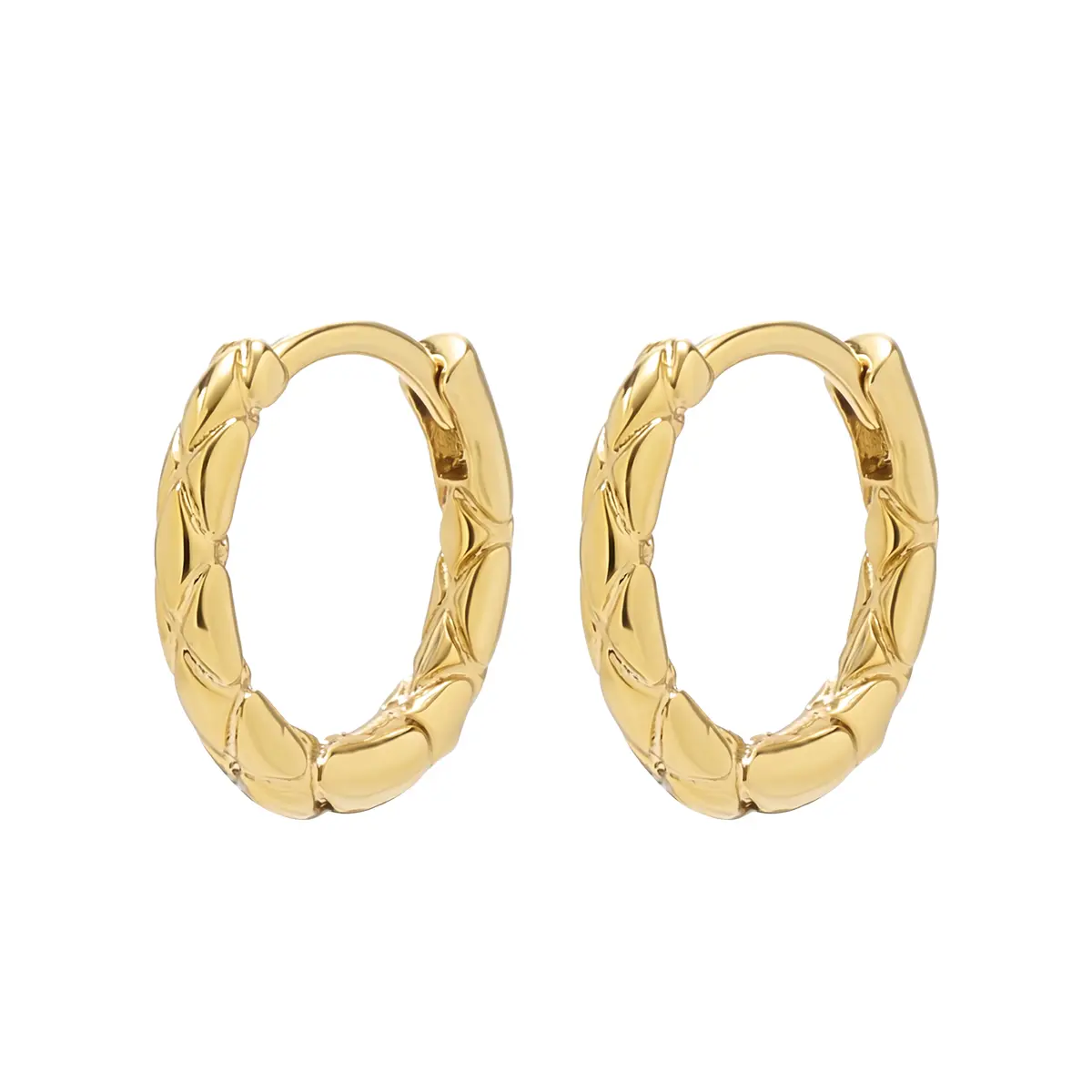
Gold plating quality directly affects appearance, durability, and customer satisfaction. A reliable coating should cover the surface evenly without visible gaps. Uneven plating can create different shades across the same production batch. Thickness also affects how quickly the base metal becomes visible. Buyers should request clear plating specifications before approving bulk production. Common specifications include karat value, coating thickness, and surface finishing. Higher coating thickness generally supports better wear resistance during regular use. However, thickness alone cannot guarantee a durable finished product. Proper cleaning, polishing, and surface preparation also influence coating adhesion. Suppliers should control these processes through defined production procedures. Consistent preparation helps reduce peeling, discoloration, and uneven surfaces. Therefore, buyers evaluating gold plated hoop earrings OEM should assess plating quality alongside manufacturing capabilities.
How To Assess Gold Plated Hoop Earrings OEM Capabilities
OEM capability involves much more than adding a brand logo. A capable supplier should manage design development, sampling, production, and inspection. Engineering teams should translate drawings into practical production specifications. They should also identify structural problems before mass production begins. Mold development can affect dimensions, weight, and production consistency. Skilled technicians should control polishing before the plating process starts. Production teams also need stable procedures for repeated orders. This matters when brands reorder successful designs several times. Reliable factories maintain approved samples as production references. They compare bulk goods against those references during quality inspections. Strong OEM capabilities can therefore reduce unexpected changes between orders. Buyers should evaluate production systems rather than relying on product photographs alone.
Which Base Metals Should OEM Suppliers Offer?
Base metal selection influences strength, weight, cost, and corrosion resistance. Brass remains common because it supports detailed shapes and efficient production. Stainless steel provides stronger corrosion resistance and stable structural performance. Sterling silver offers a premium material position for higher-value collections. Each material also interacts differently with polishing and gold plating. Brass may require careful surface preparation before coating application. Stainless steel often requires specialized treatment for reliable plating adhesion. Sterling silver needs appropriate protection against oxidation and surface discoloration. Buyers should match the material with product positioning and target usage. Lightweight hoops may require thinner structures to improve wearing comfort. Larger hoops need sufficient strength around joints and attachment points. Material decisions should therefore consider both appearance and mechanical performance. A capable supplier should explain these differences before production begins.
How Should You Check Gold Plating Specifications?
Plating specifications should appear clearly in the purchase agreement. Buyers should confirm gold color, karat designation, and coating thickness. Terms such as 14K and 18K describe gold alloy composition. They do not automatically indicate coating thickness or durability. Micron measurements provide a more useful reference for coating thickness. Suppliers should state whether measurements represent target or minimum thickness. Measurement locations also matter because edges may receive different coating levels. High-quality production requires consistent coverage across visible and functional surfaces. Buyers can request coating reports when projects require strict quality control. Independent testing can provide additional verification for larger commercial orders. Surface preparation should also match the selected base metal. Clear specifications reduce disputes between approved samples and bulk goods. Strong documentation creates a measurable standard for production acceptance.
Which Manufacturing Details Affect Hoop Earring Durability?
Hoop construction requires careful attention to joints, clasps, hinges, and connection points. These areas experience repeated movement during wearing and removal. Weak connections can cause deformation even when the plating remains attractive. Tubular hoops need consistent wall thickness throughout their structure. Hinged designs require accurate alignment between moving components. Clasps should close securely without requiring excessive force. Sharp edges should receive proper polishing before final surface treatment. Polishing removes machining marks that could affect appearance and comfort. Production teams should also control soldering or welding where applicable. Excessive heat can change surface conditions around connection areas. Poor finishing may create rough points that catch clothing or irritate skin. Mechanical inspection should therefore accompany visual inspection during quality control. When assessing gold plated hoop earrings OEM, buyers should examine construction before the gold coating reaches the finished product.
How Can You Evaluate OEM Sampling Accuracy?
Sampling accuracy shows how effectively a supplier converts specifications into physical products. Buyers should compare samples against approved drawings and measurements. Important checks include diameter, width, thickness, weight, and closure dimensions. Surface color should also match the approved plating reference. Small dimensional differences can change the appearance of hoop earrings significantly. Sampling should therefore use the same production methods planned for bulk orders. A sample made through temporary processes may not represent mass production. Buyers should ask whether the same molds and finishing procedures will continue. They should also confirm whether plating parameters remain unchanged during production. For example, Bamboo Shaped 18K Gold Plated Hoop Earrings require consistent shaping and surface finishing. Accurate samples reduce the risk of expensive corrections after bulk production. A signed sample can become a practical reference for later inspections.
What Quality Tests Should An OEM Supplier Provide?
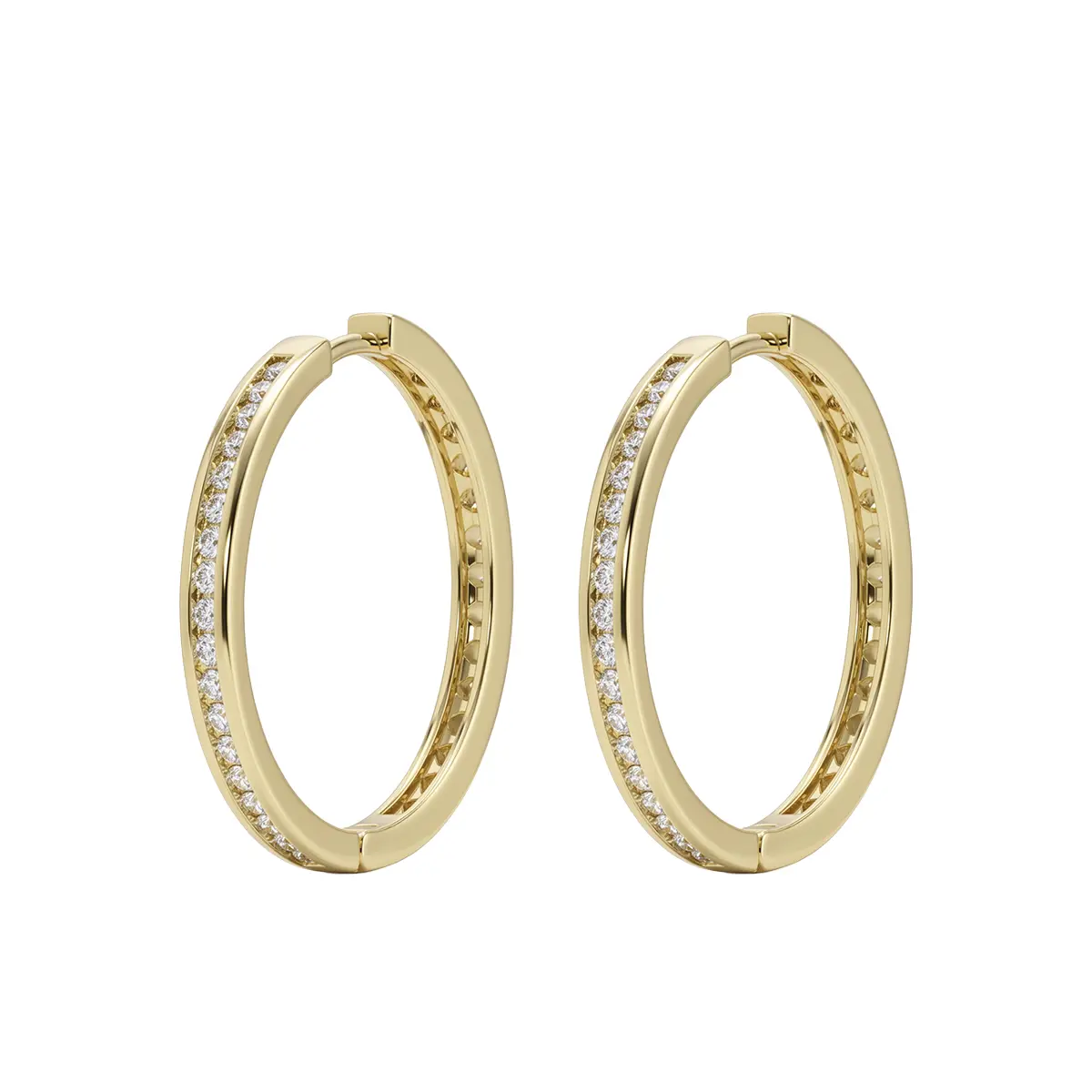
Quality testing should reflect the materials, coating, and intended market. Visual inspection remains important for scratches, pits, stains, and uneven plating. Dimensional inspection verifies that products match approved technical specifications. Coating adhesion testing can identify weaknesses between the surface and plating layer. Abrasion testing can evaluate resistance to repeated surface friction. Tarnish testing may help assess performance under controlled environmental conditions. Nickel release testing can support compliance for markets with relevant restrictions. REACH requirements may apply when products enter the European market. RoHS can become relevant when restricted substances affect applicable product categories. Suppliers should provide test documentation that matches actual production materials. Generic reports may not adequately verify a specific product batch. Buyers should also confirm testing laboratories and report dates. This approach creates stronger evidence for commercial quality decisions.
| Quality Factor | What To Verify | Commercial Importance |
|---|---|---|
| Base Material | Material type and composition | Affects strength, weight, and positioning |
| Gold Plating | Karat and coating thickness | Affects color and wear resistance |
| Dimensions | Diameter, width, and thickness | Supports product consistency |
| Adhesion | Coating bonding performance | Reduces peeling risks |
| Compliance | Applicable laboratory reports | Supports market access |
How Do MOQ And Pricing Affect Supplier Selection?
Minimum order quantity can strongly influence inventory costs and cash flow. A low unit price may still create excessive inventory exposure. Buyers should compare pricing across realistic order quantities. Important cost elements include tooling, sampling, packaging, plating, and shipping. Some suppliers quote lower prices after reaching higher quantity levels. Others maintain fixed pricing across different production volumes. Buyers should calculate the total landed cost before making comparisons. Tooling fees deserve separate attention when developing custom designs. Repeat orders may reduce certain development costs after initial production. Payment terms can also affect the effective cost of purchasing. Brands should consider whether deposits and balances fit their cash flow. Pricing should therefore reflect the entire purchasing structure. The lowest quotation does not always provide the strongest commercial value. A transparent supplier should explain major cost differences clearly.
How Important Are OEM Customization And Packaging Options?
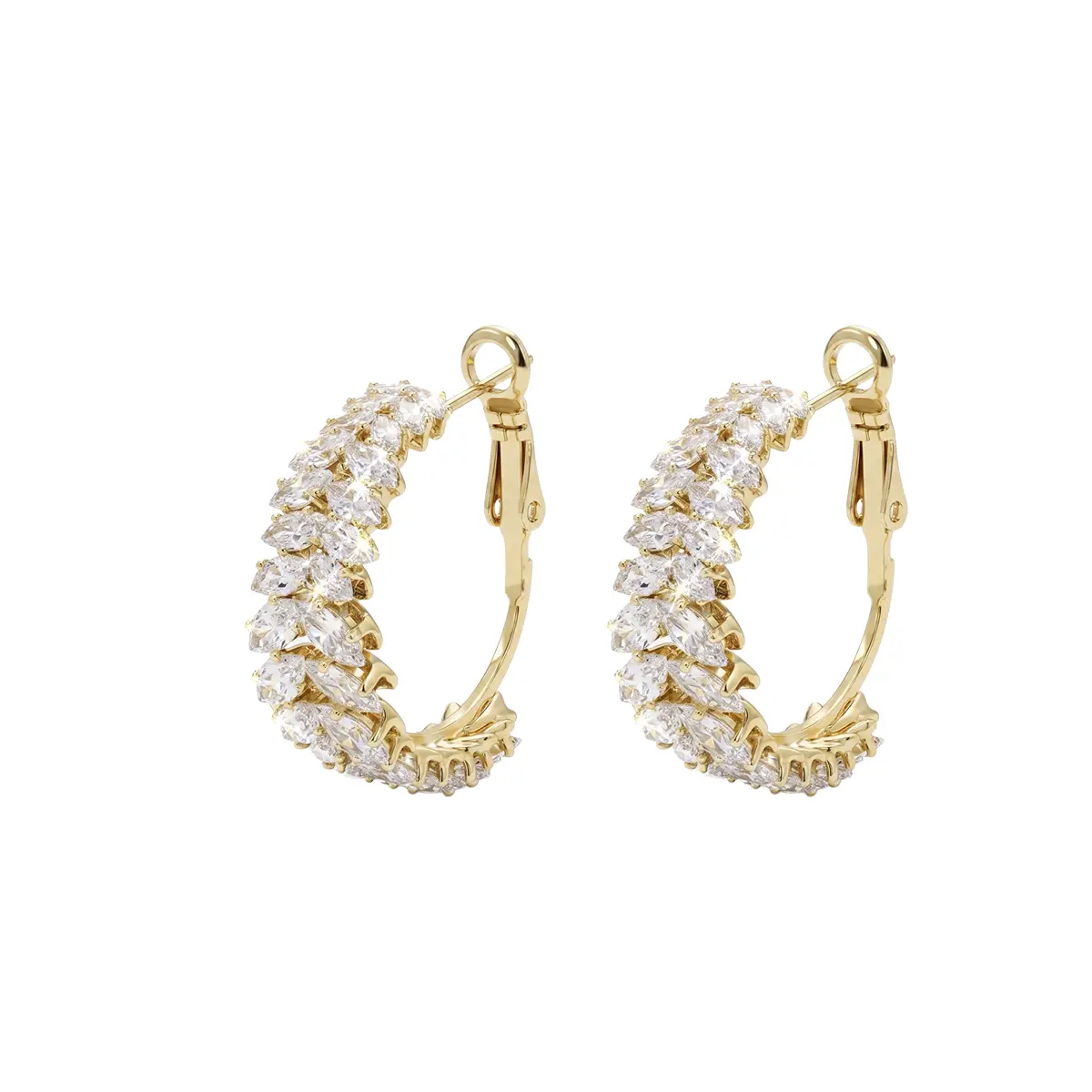
Customization allows brands to create products that match their market positioning. Common options include dimensions, shapes, finishes, stones, logos, and packaging. Stone settings require accurate dimensions to prevent looseness during handling. Logo placement should also remain consistent across repeated production runs. Packaging needs protection against scratches, moisture, and surface friction. Retail packaging may require branded inserts, cards, boxes, or protective pouches. Wholesale packaging can prioritize efficient storage and transportation. Buyers should request packaging samples before approving large orders. Product presentation can influence perceived value even when manufacturing remains identical. OEM Custom CZ Crystal Heart Huggie Hoop Earrings, for example, require coordinated product and packaging specifications. Customization should remain practical for the supplier’s existing production capabilities. Clear artwork files and technical drawings can reduce production misunderstandings. When comparing gold plated hoop earrings OEM suppliers, strong customization support helps brands maintain consistent visual identity.
How Should You Compare Production Lead Times?
Lead time should cover every stage from order confirmation to shipment. Sampling time can vary according to design complexity and material availability. Custom molds may require additional engineering and testing before production. Plating schedules can also affect completion dates during busy periods. Buyers should request separate timelines for sampling and bulk production. Material preparation should receive attention because shortages can delay otherwise ready orders. Quality inspection also needs sufficient time before final shipment. Rushed inspections may increase the risk of missed surface defects. Production capacity matters when suppliers handle multiple large orders simultaneously. Buyers should ask about peak-season capacity and production scheduling. Clear delivery milestones make delays easier to identify and manage. Suppliers should communicate changes before they affect the agreed shipment date. Reliable planning is especially important for seasonal jewelry collections.
| Supplier Factor | Basic Check | Preferred Evidence |
|---|---|---|
| OEM Development | Design and sampling capability | Approved samples and technical drawings |
| Production Capacity | Available manufacturing resources | Production records or facility review |
| Lead Time | Sampling and bulk schedules | Written production timeline |
| Customization | Product and packaging options | Previous customized samples |
| Quality Control | Inspection procedures | Inspection records and test reports |
How Can You Verify An OEM Supplier Before Ordering?
Supplier verification should combine documentation, samples, and production evidence. Buyers can use the following checks before placing a substantial order:
- Confirm material specifications and plating requirements.
- Review production capabilities and customization experience.
- Request representative samples for physical inspection.
- Verify relevant testing and compliance documentation.
- Check MOQ, pricing structure, and payment terms.
- Confirm sampling and bulk production lead times.
- Review packaging specifications and protection methods.
- Request quality inspection procedures and acceptance standards.
These checks create a practical basis for supplier comparison. Buyers should avoid relying only on catalogs or online product images. Factory communication can reveal how suppliers handle technical questions. Detailed answers often indicate stronger process control and engineering support. Sample quality should also match the supplier’s stated manufacturing capabilities. For larger projects, an initial trial order can reduce commercial risk. A structured verification process helps identify weaknesses before scaling production.
How Do You Choose The Right gold plated hoop earrings OEM Partner?
The best supplier should balance quality, customization, capacity, and commercial terms. Product appearance alone cannot determine long-term manufacturing reliability. Buyers should first verify material and plating specifications. Next, they should evaluate structural quality and sampling accuracy. Testing capabilities should match the target market and product requirements. MOQ should fit the brand’s inventory strategy and purchasing volume. Lead times should also match planned launches and promotional schedules. Packaging capabilities matter when products require branded retail presentation. Communication quality deserves attention because technical projects involve frequent specification changes.
Suppliers should respond clearly to drawings, samples, and quality concerns. Strong documentation can reduce misunderstandings during repeat production. The right gold plated hoop earrings OEM partner should support consistent quality across orders. A balanced evaluation creates better conditions for long-term B2B cooperation.
FAQ
What should I check first when comparing OEM hoop earring suppliers?
Start with material specifications, plating requirements, and production capabilities. These factors establish the basic quality level of the finished product. Next, review samples for dimensions, surface finish, closure performance, and structural strength. Ask suppliers to explain their plating process and quality inspection procedures. Documentation should support important claims about materials and compliance. Pricing deserves comparison only after technical specifications become clear. Otherwise, lower quotations may reflect thinner coatings or different base materials. Buyers should also check MOQ and production lead times. These factors directly affect inventory planning and launch schedules. A supplier with clear communication can reduce specification errors during development. Combining samples, documentation, and commercial terms creates a stronger supplier comparison process.
How thick should gold plating be for wholesale hoop earrings?
There is no single thickness suitable for every jewelry project. The appropriate coating depends on product positioning, price, usage, and expected durability. Buyers should request the exact thickness specification from each supplier. Comparing micron values creates a clearer basis than comparing vague terms like premium plating. Surface preparation and adhesion also affect coating performance. A thicker layer cannot compensate for poor polishing or inadequate pretreatment. Buyers should therefore evaluate thickness together with adhesion and abrasion performance. Testing may provide additional evidence for demanding applications. The supplier should also confirm whether the stated thickness represents an average or minimum value. Consistent measurement methods make supplier comparisons more reliable. Clear plating specifications help brands maintain consistent quality across future production batches.
Can OEM suppliers customize hoop earring designs and packaging?
Many OEM suppliers can customize both jewelry designs and packaging. Available options depend on equipment, engineering capabilities, and production experience. Customization may include shapes, dimensions, finishes, stones, logos, and packaging materials. Buyers should provide clear drawings or reference samples during development. Technical specifications should define dimensions, materials, plating, and decorative elements. Packaging requirements should also specify size, branding, inserts, and protective materials. Sample approval should happen before bulk production begins. The approved sample can then serve as a quality reference. Buyers should also confirm which customization options affect MOQ or tooling costs. Clear communication reduces changes after production starts. Strong OEM capabilities can support both small design adjustments and larger private-label collections.