How To Partner With a Gold Plated Jewelry Manufacturer?
-
Gold plated jewelry manufacturer partnerships explained with sourcing strategy, cost control, and quality standards for B2B buyers.
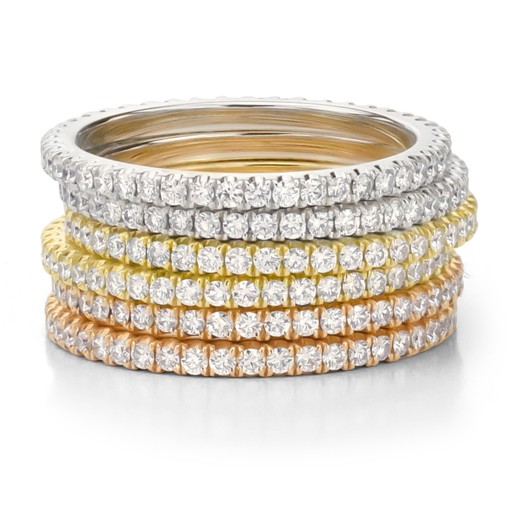

A gold plated jewelry manufacturer plays a central role in modern B2B supply chains. Businesses rely on these partners to balance cost and visual appeal. Gold plated products offer a luxury look at accessible pricing levels. Retailers can scale product lines without high material investments. Demand remains strong across fashion and occasion segments. Many buyers expand catalogs with items like a luxury fine jewelry set to capture premium buyers. Manufacturers also support customization, which strengthens brand identity. Consistent production ensures inventory stability during peak seasons. Reliable suppliers reduce operational risks and improve fulfillment speed. Strong partnerships often lead to better pricing terms and priority production slots. These advantages create long-term competitiveness in global jewelry markets.
Key Criteria for Selecting the Right Gold Plated Jewelry Manufacturer
Choosing a gold plated jewelry manufacturer requires careful evaluation of technical and operational factors. Production capacity must align with projected order volumes. Minimum order quantity should fit both startup and scaling phases. Certifications indicate compliance with environmental and safety standards. Experienced suppliers often provide OEM and ODM services. These services allow brands to develop unique product lines. Quality consistency depends on skilled labor and stable processes. Buyers should review previous project portfolios for design complexity. Transparent communication reflects professional management systems. Reliable partners also provide detailed quotations with cost breakdowns. Factory audits help verify real capabilities beyond marketing claims. Selecting the right partner reduces delays and improves overall product quality.
Material Selection and Gold Plating Technology Standards
Material selection directly affects durability and customer satisfaction. Common base metals include brass, copper, and stainless steel. Each material offers different corrosion resistance levels. Gold plating thickness is measured in microns. Thicker layers provide better wear resistance over time. Standard fashion jewelry often uses 0.5 to 1 micron plating. Premium products may exceed 2 microns for extended durability. Electroplating remains the most widely used method. However, PVD coating offers improved hardness and color retention.
Surface preparation is critical before plating begins. Poor preparation leads to peeling or uneven finishes. A professional gold plated jewelry manufacturer will control every stage precisely. Technical knowledge in plating ensures consistent color and long-lasting shine.
Cost Structure and Pricing Transparency in Manufacturing
Clear visibility into cost components helps buyers manage budgets effectively. Material cost depends on metal type and gold usage. Labor expenses reflect craftsmanship and finishing complexity. Custom designs increase tooling and development costs. Logistics expenses vary based on shipping methods and distance. Overhead costs include energy, equipment, and administrative support. Transparent pricing prevents unexpected financial risks. Some suppliers may hide fees in packaging or sampling stages. Buyers should request detailed quotations for clarity. Negotiation becomes easier when cost structures are visible. Bulk orders often reduce per-unit costs significantly. Working with a gold plated jewelry manufacturer that offers clear pricing improves planning accuracy. This clarity supports long-term profitability and stable pricing strategies.
Custom Design Capabilities and Product Development Process
Custom design services allow brands to differentiate in competitive markets. The process usually begins with concept sketches or reference images. Designers then create CAD models for precise visualization. Prototyping follows to validate structure and aesthetics. Mold creation is required for mass production. Sampling ensures quality meets expectations before bulk orders. Lead times depend on design complexity and factory workload. Communication during this phase must remain clear and detailed. Revisions should be documented to avoid confusion. Skilled manufacturers can produce intricate items like delicate bamboo shaped earrings with high precision. Strong development capabilities reduce errors and improve efficiency. A capable gold plated jewelry manufacturer supports innovation while maintaining production reliability.
Quality Control Systems and Testing Procedures
Quality control ensures consistent output across large production volumes. Inspection begins with raw material verification. Each batch undergoes checks for composition and surface condition. During production, semi-finished items are inspected regularly. Final inspection focuses on plating uniformity and color consistency. Common defects include scratches, bubbles, and uneven coating. Testing may include wear resistance and adhesion checks. International standards guide acceptable tolerance levels. Documentation provides traceability for each production batch. Reliable manufacturers maintain strict internal quality protocols. Third-party inspections add another verification layer. Strong quality systems reduce return rates and protect brand reputation. Consistency remains a key advantage in long-term partnerships.
Supply Chain Coordination and Logistics Planning
Efficient logistics ensures timely delivery and cost control. Packaging must protect items from scratches and oxidation. Bulk shipments require secure and organized packing systems. Air freight offers speed but increases costs. Sea freight reduces expenses but extends delivery timelines. Customs clearance requires accurate documentation and compliance. Delays often occur due to incomplete paperwork. A professional gold plated jewelry manufacturer assists with export procedures. Coordination between production and shipping schedules is essential. Inventory planning helps avoid stock shortages. Reliable logistics partners improve overall supply chain efficiency. Smooth operations reduce risks and support business continuity in competitive markets.
Communication and Relationship Management with Suppliers
Clear communication forms the foundation of successful partnerships. Technical specifications must be detailed and precise. Miscommunication often leads to production errors. Regular updates keep both parties aligned on progress. Feedback loops help resolve issues quickly. Strong relationships build trust over time. Long-term cooperation often results in better pricing terms. Cultural awareness also improves collaboration efficiency. Digital tools support real-time communication across regions. A responsive gold plated jewelry manufacturer demonstrates professionalism and reliability. Managing expectations prevents conflicts and delays. Effective communication enhances overall project success and strengthens business partnerships.
Comparing Global Manufacturing Regions for Jewelry Production
Different regions offer unique advantages in jewelry manufacturing. Some areas provide lower labor costs but limited technical expertise. Others focus on high-end craftsmanship with higher pricing levels. Infrastructure also impacts production efficiency and logistics. Political stability influences supply chain reliability. Currency fluctuations affect overall sourcing costs. Buyers often diversify sourcing to reduce risks. Evaluating regional strengths helps optimize procurement strategies. A gold plated jewelry manufacturer in a developed cluster may offer better quality control. However, emerging regions may provide cost advantages. Strategic selection balances cost, quality, and reliability for long-term success.
Key Questions to Ask Before Signing a Manufacturing Agreement
Before finalizing agreements, buyers must clarify essential terms. Payment structures should be clearly defined in contracts. Intellectual property protection is critical for custom designs. Lead times must be realistic and documented. Warranty and after-sales policies should be specified. Dispute resolution mechanisms reduce legal risks. Production capacity commitments ensure order fulfillment. Confidentiality agreements protect business information. A reliable gold plated jewelry manufacturer will provide transparent answers. Asking the right questions prevents misunderstandings later. Proper due diligence strengthens partnerships and reduces operational uncertainty.
Supplier Evaluation Checklist
- Production capacity and scalability
- Certification and compliance status
- Quality control systems
- Lead time consistency
- Pricing transparency
- Communication responsiveness
- Customization capabilities
- Logistics support services
Manufacturing Comparison Table
| Supplier Type | MOQ | Cost Level | Customization | Lead Time | Quality Control |
|---|---|---|---|---|---|
| Small Workshop | Low | Medium | High | Flexible | Variable |
| Large Factory | High | Low | Medium | Stable | Strong |
| Trading Company | Medium | Higher | Flexible | Moderate | Depends on source |
Cost Breakdown Table
| Cost Component | Description | Impact Level |
|---|---|---|
| Material | Base metal and gold usage | High |
| Labor | Craftsmanship and finishing | Medium |
| Customization | Design and tooling | Medium |
| Logistics | Shipping and handling | Variable |
| Overhead | Operational expenses | Low |
Interpreting Supplier Data for Better Decision-Making
Analyzing supplier data requires balancing multiple factors. Cost should not be the only decision criterion. Quality consistency directly affects brand reputation. Lead time reliability impacts inventory planning. Customization flexibility supports product differentiation. Data from tables helps compare supplier strengths clearly. Buyers should align supplier capabilities with business goals. A gold plated jewelry manufacturer with balanced performance often provides the best value. Decision-making improves when data is structured and transparent. Strategic evaluation reduces sourcing risks and enhances long-term outcomes.
FAQ
What plating thickness is ideal for durability in gold plated jewelry?
Plating thickness determines how long the finish lasts under daily wear. Standard fashion jewelry usually features thin plating layers. These layers often range between 0.5 and 1 micron. Higher-end products use thicker coatings for better durability. A thickness above 2 microns improves resistance to fading and scratches. However, thicker plating increases production costs significantly. Buyers must balance durability and pricing requirements. Usage scenarios also influence the ideal thickness choice. Items exposed to friction need stronger coatings. A reliable gold plated jewelry manufacturer will recommend suitable specifications. Clear communication ensures that product expectations match actual performance in the market.
How can buyers verify a manufacturer’s quality claims?
Verifying quality claims requires both documentation and physical inspection. Buyers should request certifications related to materials and processes. Factory audits provide insight into real production conditions. Sample evaluation helps assess finishing quality and durability.Third-party inspection services add independent verification. Consistency across multiple samples indicates stable production processes.
Communication transparency also reflects operational reliability. A professional gold plated jewelry manufacturer will share detailed quality reports. Testing results should align with international standards. Buyers should also review past client feedback when possible. Combining these methods creates a comprehensive evaluation approach. Reliable verification reduces risks and supports confident purchasing decisions.
What risks should be considered in international jewelry sourcing?
International sourcing involves several potential risks that require careful management. Shipping delays can disrupt inventory planning and sales cycles. Currency fluctuations may affect overall procurement costs. Quality inconsistency can occur without proper inspection systems. Communication barriers sometimes lead to misunderstandings. Regulatory compliance varies across different countries and regions. Intellectual property protection remains a major concern for custom designs. A dependable gold plated jewelry manufacturer helps mitigate many of these risks. Clear contracts and documentation reduce uncertainty significantly. Diversifying suppliers can also improve supply chain resilience. Proactive risk management ensures stable operations and long-term business success.