
How To Source Statement Jewelry Wholesale Suppliers?
-
Statement jewelry wholesale sourcing strategies, supplier evaluation, pricing control, and quality standards for B2B buyers.
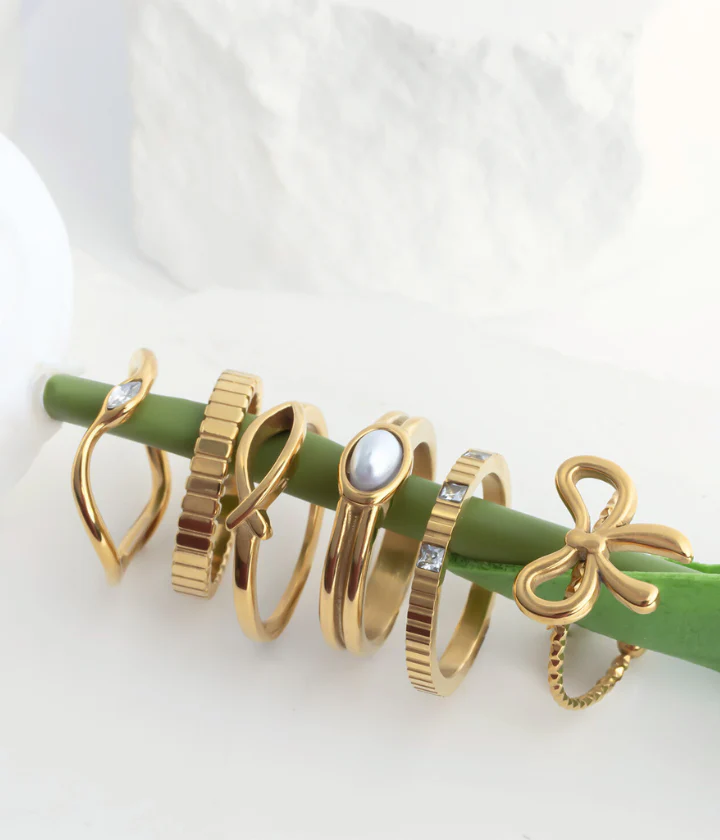

Statement jewelry wholesale plays a central role in modern B2B fashion supply chains. Retailers rely on bold designs to attract attention and increase conversion rates. Distinctive pieces often deliver higher margins than basic accessories. Buyers must align sourcing decisions with brand positioning and target demographics. Market demand continues shifting toward expressive and oversized designs. Competitive advantage depends on supplier reliability and product consistency. Careful sourcing reduces return rates and improves customer satisfaction. Strategic partnerships also support faster product development cycles. Strong supplier networks allow flexible inventory planning and seasonal adaptation.
Key Market Demand Trends in Statement Jewelry Wholesale
Global demand for statement pieces continues growing across online and offline channels. Consumers prefer unique shapes, oversized forms, and mixed materials. Social media exposure drives rapid trend changes and shorter product lifecycles. Retailers must respond quickly to maintain relevance in competitive markets. Seasonal collections now rotate faster than traditional fashion cycles. Buyers often prioritize suppliers with design innovation capabilities. Customization options also attract niche market segments. Demand for men’s accessories continues expanding steadily. Products like hot sale men’s fashion charm bracelet show strong performance in emerging markets. Trend awareness helps buyers reduce unsold inventory risks.
How To Identify Reliable Statement Jewelry Wholesale Suppliers
Reliable suppliers form the foundation of sustainable procurement strategies. Buyers should assess supplier history, client portfolio, and production scale. Factory audits provide insight into operational consistency and quality control. Communication responsiveness indicates long-term partnership potential. Sampling processes reveal actual craftsmanship standards and finishing quality. Transparent pricing structures reduce hidden costs during bulk purchasing. Buyers must verify business licenses and export capabilities. Online platforms offer access to many suppliers, but verification remains essential. Trade shows provide opportunities for direct evaluation and negotiation. Strong supplier selection reduces operational risks and improves supply chain stability.
Evaluating Supplier Capabilities and Production Standards
Production capability determines whether suppliers can meet large order demands. Buyers should evaluate machinery types and automation levels within factories. Skilled labor also influences product consistency and detailing precision. Surface finishing processes require careful inspection during sampling stages. Electroplating lines must ensure uniform thickness and strong adhesion. Poor plating leads to discoloration and customer complaints. Quality control systems should include multi-stage inspections. Packaging standards also affect product protection during shipping. Reliable suppliers maintain documented procedures for every production step. Strong manufacturing systems support consistent output across multiple product lines.
Material Selection and Quality Control in Statement Jewelry Wholesale
Material choice directly affects durability, safety, and product positioning. Common materials include stainless steel, brass, zinc alloy, and precious metals. Plating thickness determines resistance to wear and oxidation. Buyers sourcing factory supplier 18k gold plated bracelets must confirm micron thickness specifications. Base metal composition also impacts skin compatibility and corrosion resistance. Nickel-free standards are critical for sensitive markets. Stone settings require secure mounting to prevent detachment. Surface coatings should resist scratches and environmental exposure. Material testing reports provide additional assurance for bulk orders. High-quality materials reduce return rates and improve brand credibility.
Pricing Structures and Cost Optimization Strategies
Pricing strategies influence profitability across the entire supply chain. Bulk discounts often depend on order volume and product complexity. Buyers should compare quotations from multiple suppliers for transparency. Hidden costs may include molds, packaging, and logistics fees.

Negotiation improves pricing efficiency when order quantities increase. Long-term partnerships often result in better financial terms. Currency fluctuations may affect international transactions. Cost optimization also involves selecting suitable materials without compromising quality. Efficient pricing strategies support sustainable business growth. Balanced cost control ensures competitiveness in crowded retail environments.
Minimum Order Quantity and Inventory Planning
Minimum order quantity affects purchasing flexibility and inventory risk. Suppliers typically set MOQs based on production efficiency requirements. Lower MOQs suit startups and small-scale retailers. Higher MOQs often provide better unit pricing advantages. Buyers must align inventory levels with sales forecasts. Overstocking increases storage costs and capital pressure. Understocking leads to missed sales opportunities and customer dissatisfaction. Demand forecasting tools improve planning accuracy. Seasonal products require careful timing and stock rotation strategies. Balanced inventory management supports steady cash flow and operational stability.
Logistics, Shipping, and Delivery Considerations
Efficient logistics ensure timely product availability in target markets. Shipping methods include air freight, sea freight, and express delivery. Each option offers different cost and speed advantages. Buyers must consider customs clearance procedures and import regulations. Packaging design protects products during long-distance transportation. Insurance coverage reduces financial risk during transit. Lead times should include production and shipping durations. Delays can disrupt sales cycles and marketing campaigns. Reliable suppliers coordinate logistics efficiently with freight partners. Strong logistics planning improves customer satisfaction and delivery reliability.

Certifications and Compliance Requirements in Jewelry Supply
Compliance plays a critical role in global jewelry distribution. Different regions enforce defined regulatory frameworks for chemical and material safety. RoHS Directive 2011/65/EU restricts lead, mercury, cadmium, hexavalent chromium, and certain phthalates in electrical and wearable products, with maximum concentration limits typically 0.1% by weight except cadmium 0.01%. REACH Regulation (EC) No 1907/2006 controls Substances of Very High Concern (SVHC), requiring disclosure when substances exceed 0.1% weight in articles. The EU EN 1811 standard measures nickel release rate below 0.2 µg/cm²/week for prolonged skin contact. Buyers should also request Declaration of Conformity (DoC), Material Safety Data Sheets (MSDS/SDS), and ISO 17025 laboratory test reports. Accredited testing confirms chemical stability and regulatory alignment. Non-compliance can trigger customs rejection, fines, or product recalls. Proper documentation ensures smooth customs clearance and strengthens brand trust in international markets.
Supplier Communication and Relationship Management
Strong communication builds long-term supplier relationships and operational efficiency. Clear specifications reduce misunderstandings during production. Buyers should provide detailed design files and material requirements. Regular updates improve transparency throughout the production process. Problem resolution requires quick and direct communication channels. Cultural differences may affect negotiation and expectations. Trust develops through consistent cooperation and performance. Long-term partnerships often lead to priority production scheduling. Reliable communication enhances overall supply chain coordination. Effective relationship management supports business growth and stability.
| Supplier Evaluation Factor | Key Focus Area | Business Impact |
|---|---|---|
| Material Quality | Metal type and plating thickness | Customer retention |
| Production Capacity | Monthly output capability | Order fulfillment reliability |
| Pricing Structure | Bulk discounts and hidden fees | Profit margin stability |
| Compliance | Certifications and standards | Market access security |
Key Criteria Summary for Supplier Selection
The table above highlights critical factors that influence supplier selection decisions. Material quality directly affects product durability and customer satisfaction. Production capacity ensures consistent delivery for large-scale orders. Pricing structures determine overall profitability and competitiveness. Compliance supports legal entry into international markets. Buyers must balance these factors carefully during evaluation. Strong alignment between supplier capabilities and business goals improves outcomes. Structured evaluation reduces sourcing risks and enhances long-term efficiency.
| Cost Component | Description | Optimization Strategy |
|---|---|---|
| Material Cost | Base metals and plating materials | Select cost-effective alloys |
| Labor Cost | Manufacturing and assembly work | Choose efficient factories |
| Logistics Cost | Shipping and customs fees | Optimize shipping methods |
| Packaging Cost | Boxes and protective materials | Standardize packaging sizes |
Cost Structure Breakdown and Optimization Insights
The second table explains key cost components within jewelry sourcing operations. Material costs often represent the largest portion of total expenses. Labor costs vary depending on factory location and automation levels. Logistics costs fluctuate based on shipping distance and method selection. Packaging costs may increase with premium branding requirements. Buyers can reduce expenses through strategic supplier selection. Consolidated shipments lower transportation costs significantly. Standardized packaging improves efficiency across multiple product lines. Cost control strategies support sustainable profitability and competitive pricing.
Common Mistakes When Sourcing Statement Jewelry Wholesale
Many buyers overlook critical factors during supplier selection processes. Focusing only on price often leads to quality issues later. Ignoring compliance requirements can cause serious legal complications. Poor communication results in production delays and misunderstandings. Skipping sample evaluation increases risk of defective products. Overestimating demand leads to excessive inventory levels. Underestimating lead times disrupts sales planning and marketing campaigns. Lack of supplier diversification creates dependency risks. Buyers should adopt structured evaluation methods to avoid these mistakes. Careful planning improves sourcing efficiency and long-term success.
Future Trends in Statement Jewelry Wholesale Supply Chain
Future developments will reshape sourcing strategies across the jewelry industry. Digital platforms will enhance supplier discovery and communication efficiency. Automation will improve production speed and reduce labor dependency. Sustainable materials will gain importance in global markets. Transparency will become a key factor in supplier evaluation. Blockchain technology may support traceability in supply chains. Customization demand will continue increasing across different segments. Faster design cycles will require agile production capabilities. Buyers must adapt to these changes to remain competitive. Strategic planning ensures readiness for evolving market conditions.
FAQ
What is the typical MOQ for statement jewelry wholesale suppliers?
Minimum order quantity varies depending on supplier scale and product complexity. Small factories may offer flexible MOQs for new buyers. Larger manufacturers often require higher volumes for efficiency. Standard MOQs usually range between 50 and 300 pieces per design. Custom designs may require higher minimum quantities due to mold costs. Buyers should negotiate MOQs based on long-term cooperation potential. Lower MOQs may involve slightly higher unit pricing. Balanced decisions depend on inventory strategy and sales forecasts. Careful planning helps avoid overstocking or supply shortages.
How can buyers verify jewelry plating quality?
Plating quality can be verified through multiple inspection methods and documentation. Suppliers should provide thickness measurements in microns for clarity. Industry standards often recommend at least 0.5 microns for durability. Visual inspection helps identify uneven surfaces or discoloration issues. Laboratory testing reports confirm resistance to wear and corrosion. Adhesion testing ensures plating remains intact during usage. Buyers should request samples before bulk production begins. Third-party inspection services add an extra layer of assurance. Consistent verification reduces risks of product returns and complaints.

What certifications are required for global jewelry distribution?
Certification requirements depend on target markets and material composition. RoHS compliance ensures restricted substances remain within safe limits. REACH regulations apply to chemical safety within European markets. Nickel release testing protects consumers with skin sensitivities. Some regions require additional documentation for precious metals. Suppliers should provide valid certificates from recognized testing agencies. Buyers must verify authenticity of all compliance documents. Proper certification prevents customs delays and legal issues. Compliance also improves brand credibility and consumer trust.