
Is Private Label Necklace Supplier Right For Your Business?
-
Private label necklace supplier helps jewelry brands with OEM/ODM production, customization, and scalable manufacturing solutions.
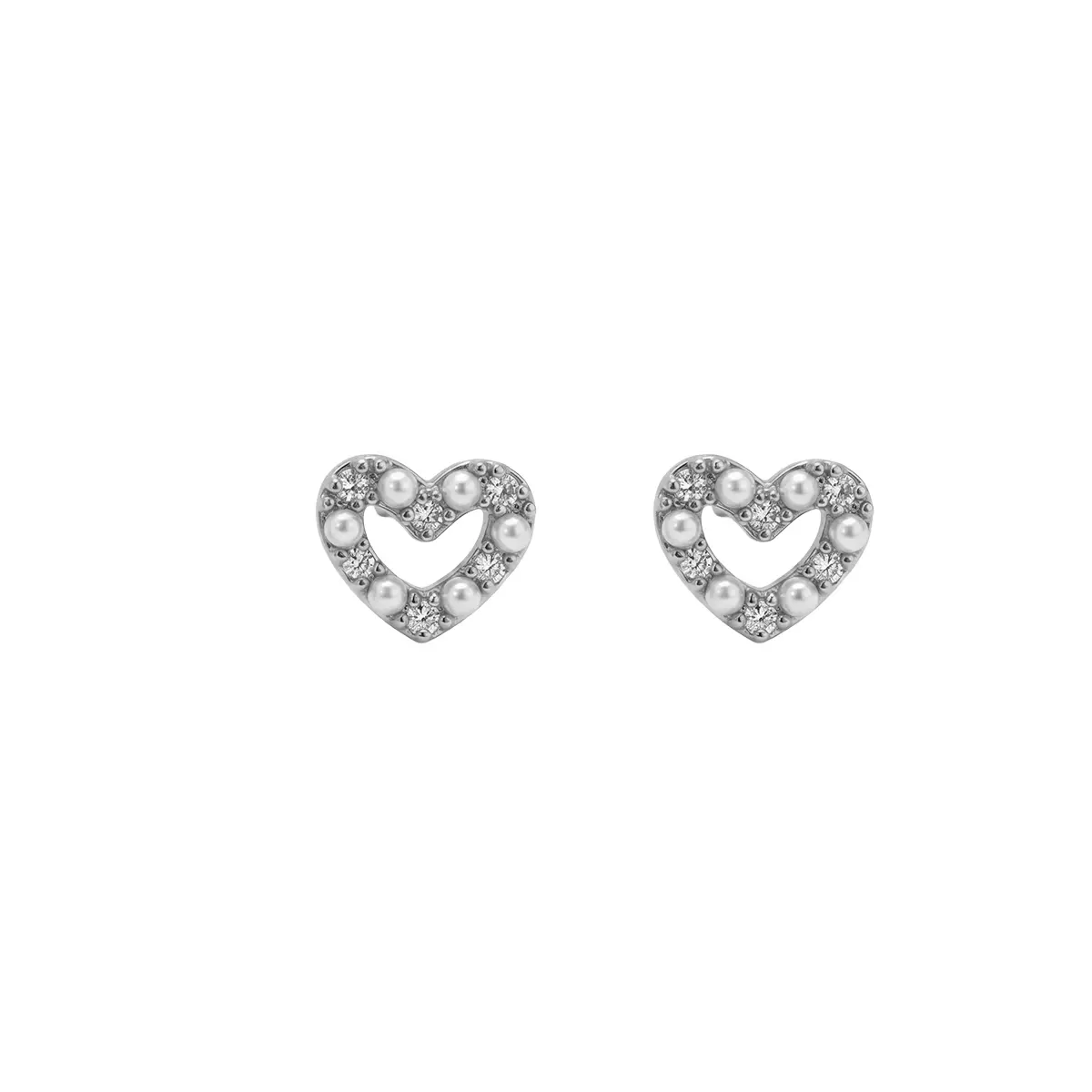
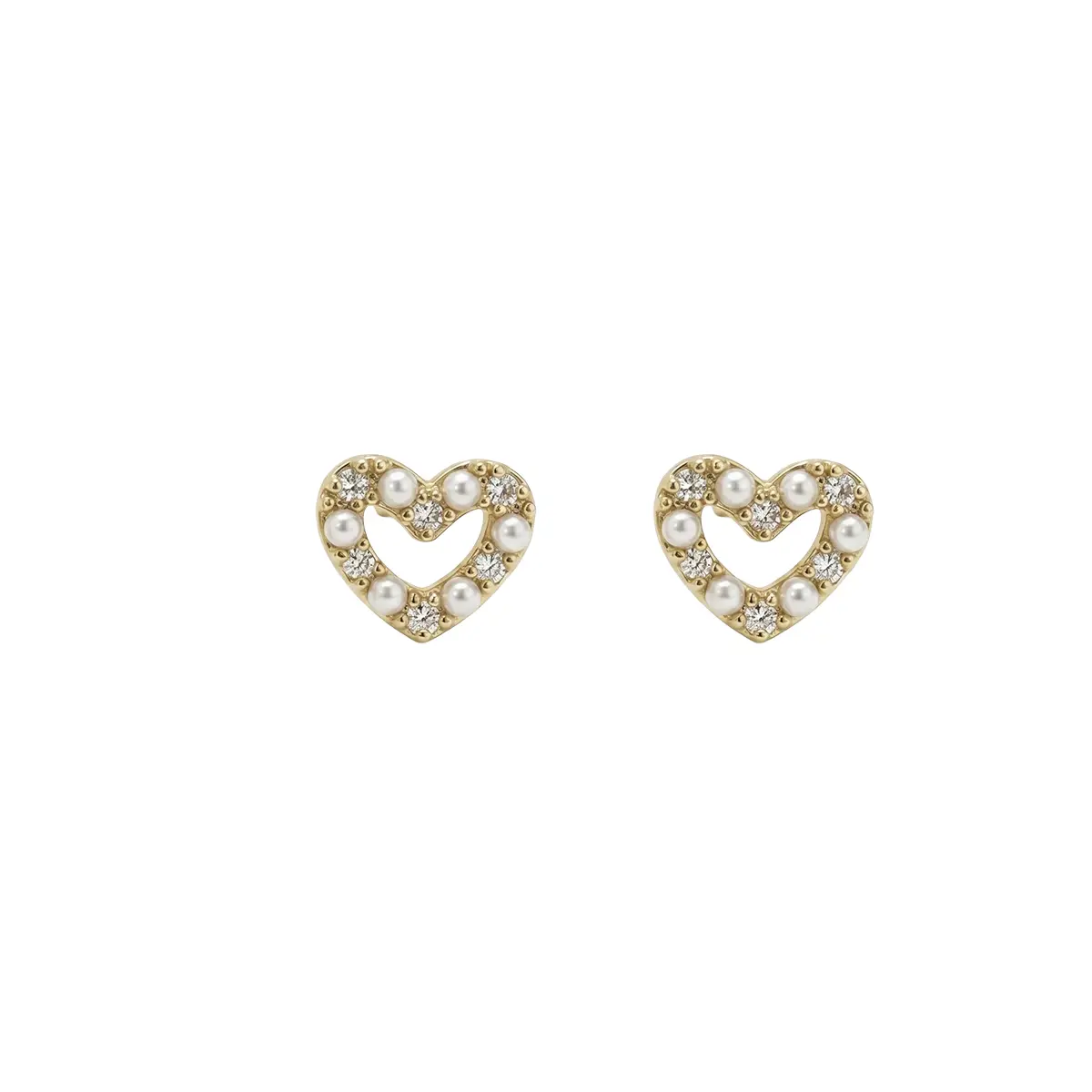
A private label necklace supplier operates by manufacturing jewelry that is sold under a client’s brand identity. The supplier does not promote its own brand on finished products. Instead, it focuses on production, assembly, finishing, and packaging according to client requirements. Brands provide design direction, sketches, or samples. The supplier converts these inputs into manufacturable products through CAD modeling and prototyping. This model reduces the need for in-house factories and technical teams. It is widely used in fashion jewelry industries where branding and speed-to-market are essential for competitiveness and scalable growth.
How Manufacturing Systems Work Behind Jewelry Branding
Modern jewelry production relies on integrated systems combining design software, mold engineering, and surface treatment technology. A supplier typically begins with CAD conversion to ensure dimensional accuracy. Mold creation follows using precision casting methods. Materials such as stainless steel, brass, and sterling silver are selected based on durability and cost structure. Surface finishing processes like polishing and electroplating enhance appearance and resistance. Quality inspection occurs at multiple stages to ensure consistency. These controlled systems reduce defects and ensure stable output for large-scale jewelry manufacturing operations.
Private Label Necklace Supplier and Brand Growth Strategy Integration
A supplier plays a key role in brand identity development by enabling customization of jewelry collections. Brands can define logos, packaging styles, and plating colors to create a consistent visual identity. This strengthens recognition in competitive retail environments. Custom design flexibility allows companies to adapt quickly to seasonal fashion trends. It also supports niche positioning strategies such as minimalist or luxury jewelry lines. By collaborating closely with a private label necklace supplier, brands can launch collections faster and improve customer loyalty through distinctive design presentation.
Cost Structure Analysis in Jewelry Production Partnerships
Working with a supplier involves multiple cost components including sampling fees, tooling charges, and mass production expenses. Initial prototypes are usually more expensive due to design adjustments and mold creation. Once production scales, unit costs decrease significantly. Material selection directly influences pricing, with stainless steel offering cost efficiency and silver representing premium positioning. Custom packaging and engraving add additional expenses. Shipping and logistics costs vary depending on destination and volume. Each cost element must be mapped precisely to support structured budgeting decisions and maintain financial stability during product development cycles.
Cost structure clarity improves decision-making in jewelry sourcing. Sampling verifies design feasibility before mass production begins. Tooling investment impacts long-term production efficiency and mold durability. Mass production benefits from economies of scale, reducing per-unit expenses.
Transportation and packaging further influence final pricing structures across different markets. Strategic financial planning across these layers helps maintain profitability while working with manufacturing partners in global supply chains and reduces exposure to unexpected cost fluctuations.
Risk Management Factors in Jewelry Supply Chains
Global jewelry sourcing includes several operational risks that require structured management. Quality variation may occur if production standards are not strictly controlled. Communication gaps between brands and suppliers can delay project timelines. Intellectual property protection is also critical when sharing proprietary designs. Supply chain disruptions, such as raw material shortages, may impact delivery schedules. A private label necklace supplier with strong inspection systems reduces defect rates and improves stability. Clear contracts and documentation help minimize misunderstandings. Regular audits ensure consistent output and reduce long-term operational uncertainty.
Private Label Necklace Supplier Evaluation Criteria for Reliable Partnerships
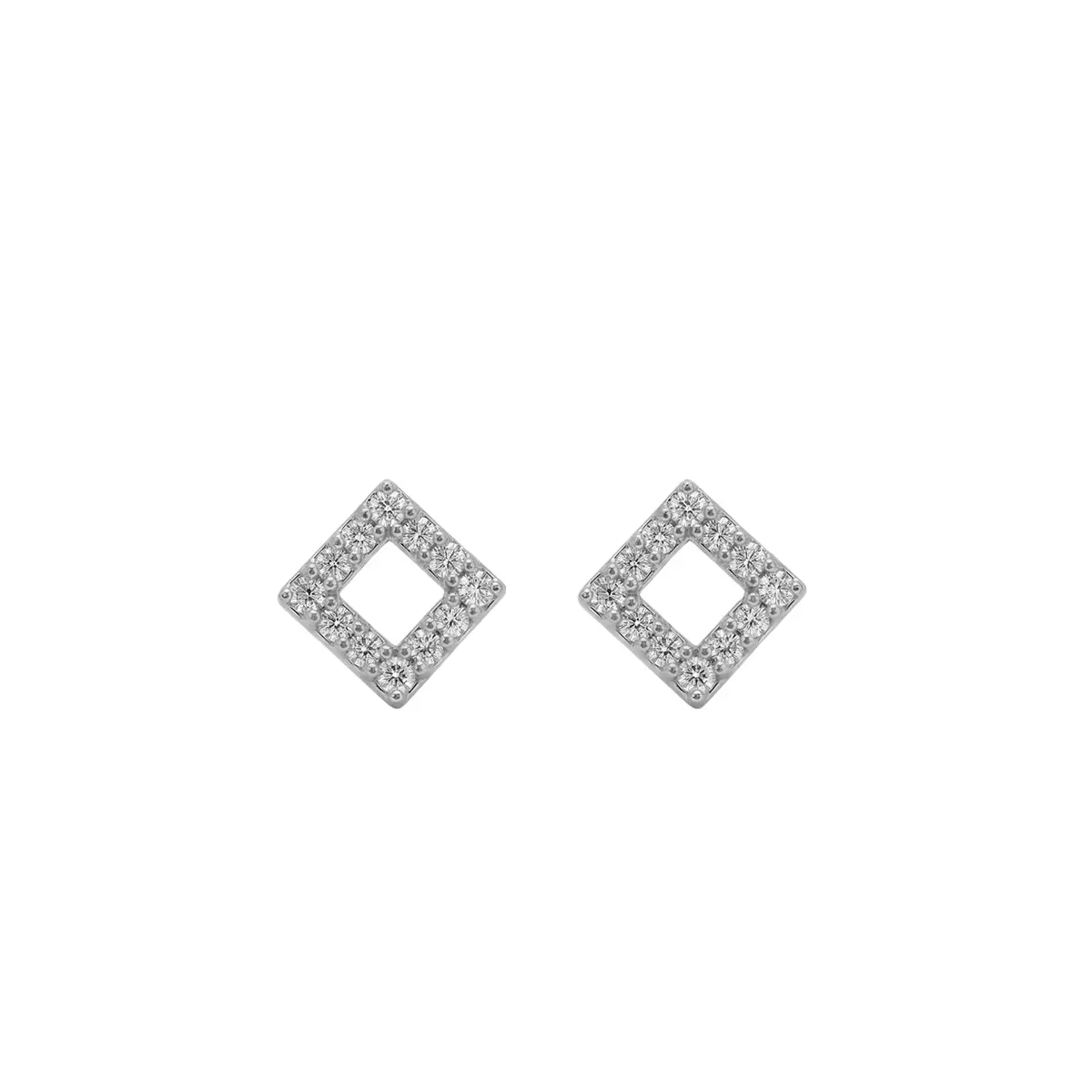
A private label necklace supplier should be evaluated based on production capacity, certification standards, and quality control systems. Certifications such as ISO or Sedex indicate compliance with international manufacturing requirements. Sample evaluation is essential to verify craftsmanship and material quality before bulk orders. Communication responsiveness reflects supplier reliability and professionalism. Scalable production capability ensures support for growing demand. Financial and operational stability also play a role in long-term cooperation. Brands should compare multiple suppliers and conduct factory audits to ensure consistent product quality and sustainable manufacturing partnerships.
Jewelry Market Positioning Through Supplier Collaboration
A supplier supports brand positioning by enabling full customization of jewelry collections. This includes control over materials, finishes, and packaging design. Strong visual identity improves recognition in competitive retail environments. Flexible production allows brands to align with seasonal trends and consumer preferences. Inventory risk is reduced through demand-based manufacturing. Suppliers also help brands test new designs with minimal investment. This collaborative approach strengthens market adaptability and supports long-term growth in fashion jewelry industries across both digital and physical sales channels.
Material Selection and Surface Engineering in Jewelry Manufacturing
Material selection is a critical factor in jewelry performance and appearance. Stainless steel offers durability and corrosion resistance, making it suitable for long-term wear. Brass provides design flexibility and cost efficiency. Sterling silver is often used for premium product positioning. Surface engineering techniques such as electroplating and PVD coating enhance color stability and scratch resistance. Polishing processes improve shine and texture smoothness. In product development examples such as Delicate Bamboo Shaped Earrings, material choice directly influences the final visual delicacy and structural balance. Each material and treatment combination affects both visual appeal and structural strength. Proper selection ensures commercial durability and aesthetic performance.
Cost Structure and Manufacturing Investment Table
| Cost Component | Description | Impact on Pricing |
|---|---|---|
| Sampling Cost | Prototype development and adjustments | High initial cost |
| Tooling Cost | Mold creation for production | One-time investment |
| Mass Production | Large-scale manufacturing | Lower unit cost |
Cost structure clarity improves decision-making in jewelry sourcing. Sampling ensures design feasibility before mass production begins. Tooling investment affects long-term production efficiency. Mass production benefits from economies of scale. Transportation and packaging further influence final pricing. Businesses that optimize these layers can better control budgeting and reduce financial risk. Strategic planning helps maintain profitability while working with manufacturing partners across global supply chains.
Strategic Decision Framework for Business Adoption
- Evaluate supplier certifications and production capacity
- Review sample quality before bulk ordering decisions
- Assess customization flexibility for branding needs
- Check communication efficiency and responsiveness
A structured evaluation framework reduces sourcing risks and improves decision accuracy. Supplier certification ensures compliance with international manufacturing standards. Sample testing verifies material quality and craftsmanship consistency. Customization flexibility supports brand differentiation strategies. Communication efficiency affects production coordination and delivery timelines. This systematic approach allows businesses to select reliable partners and build stable long-term relationships in jewelry manufacturing supply chains.
Technical Production Insights for High-End Jewelry Manufacturing
High-end jewelry manufacturing requires precise control over casting, polishing, and plating processes. Temperature regulation during metal processing ensures structural stability. Mold accuracy directly affects product consistency across batches. Automated polishing systems enhance surface uniformity and shine. Skilled technicians perform final adjustments to maintain quality standards. Durability testing includes coating adhesion and tensile strength evaluation. These technical processes ensure that finished jewelry meets commercial and aesthetic requirements. Bohemian 18K Gold Plated Stainless Steel Big Leaf Pendant Drop Earrings demonstrate how advanced plating enhances visual richness and design complexity.
Final Business Assessment for Private Label Jewelry Strategy
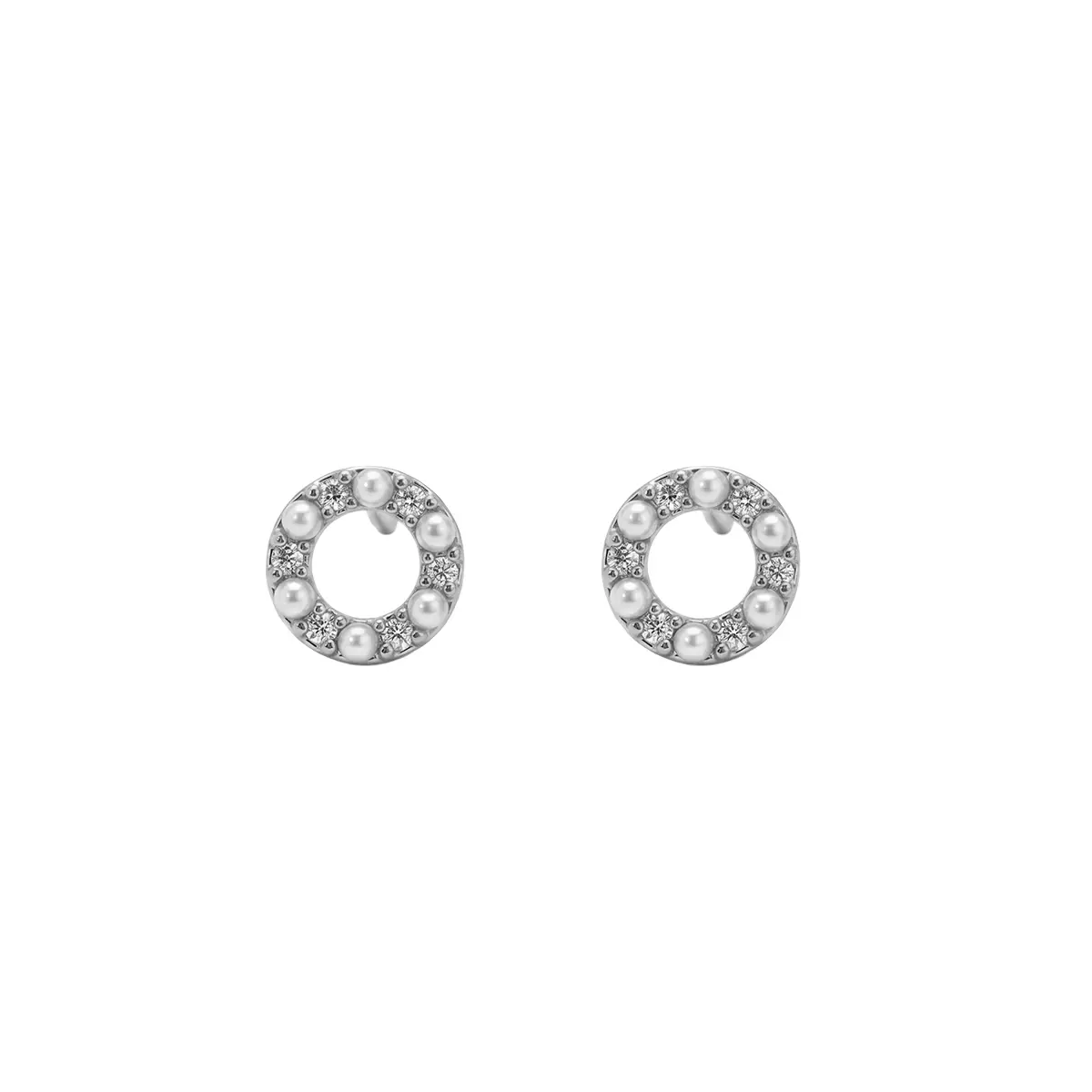
Long-term success depends on balancing cost efficiency, design control, and supplier reliability. Brands must align production capabilities with target market positioning. Consistent product quality strengthens customer trust and brand reputation. Flexible manufacturing systems support scalability during growth phases. Strong supplier partnerships reduce operational risks and improve responsiveness to market changes. A structured sourcing strategy enables sustainable development in competitive jewelry industries while maintaining profitability and brand differentiation.
FAQ
What is a private label necklace supplier?
A private label necklace supplier is a manufacturer that produces jewelry sold under a brand’s own label rather than its own factory brand. The supplier manages production, finishing, and packaging based on client requirements, while the brand controls design, marketing, and sales. This model allows companies to enter the jewelry market without investing in production facilities. It also provides flexibility in design customization, packaging, and branding. Businesses benefit from faster product development cycles and reduced operational complexity while focusing on building customer-facing brand value and market positioning strategies.
What is the difference between OEM and private label?
OEM and private label differ mainly in customization depth and production control. OEM production involves manufacturing products strictly based on a client’s technical drawings and specifications, often requiring detailed engineering input. Private label production focuses more on branding existing or semi-custom designs under a company’s name. OEM allows greater structural modification and technical control, while private label emphasizes speed, branding, and market readiness. Companies choose OEM for highly unique product development, while private label is preferred for faster launches, lower development complexity, and efficient branding-focused business strategies.
How do I choose the right supplier for jewelry branding?
Choosing the right supplier requires evaluating production capability, quality control systems, and communication efficiency. Certifications such as ISO 9001 quality management system and Sedex SMETA ethical audit indicate compliance with internationally recognized manufacturing and social responsibility standards. Sample evaluation is critical to confirm material quality, plating durability, and craftsmanship precision. Reliable suppliers also demonstrate stable production capacity and scalability for future growth. Communication responsiveness ensures smooth coordination during development and production phases. Businesses should also compare pricing structures and conduct factory audits when possible. A structured selection process reduces risks and ensures consistent product quality for long-term jewelry branding success.