
Jewelry Factory Vs Trading Company: Pros And Cons Explained
-
How to choose the right jewelry supplier for online store success with tips on quality, lead times, customization, and e-commerce pricing strategies.

Understanding Jewelry Factory vs Trading Company
When sourcing jewelry for your business, one of the most important decisions you’ll face is choosing between a jewelry factory vs trading company. Both options offer distinct advantages and challenges, and the best choice for your business depends on your specific needs. Jewelry factories focus on the production process, providing custom designs and large-scale manufacturing. Trading companies, on the other hand, act as intermediaries, offering a variety of pre-made jewelry from multiple manufacturers. In this article, we will explore the differences between a jewelry factory and trading company to help you make an informed decision.
What is a Jewelry Factory?
A jewelry factory is a manufacturing facility where jewelry pieces are produced from raw materials like gold, silver, and diamonds. Factories focus on producing custom designs or mass-producing specific jewelry types. If your business requires bespoke or large-volume orders, working with a jewelry factory might be the best option. Factories also provide better control over quality and manufacturing timelines, giving you the opportunity to create unique pieces tailored to your specifications.
What is a Jewelry Trading Company?
A jewelry trading company is an intermediary that sources finished jewelry from various manufacturers and supplies it to businesses or retailers. These companies typically do not handle production themselves but focus on distribution, product variety, and market responsiveness. They offer a wide selection of ready-made items, including pieces like an 18k gold plate stainless steel bracelet, allowing buyers to quickly access trending or in-demand designs. Trading companies are ideal for businesses that prioritize flexibility, diverse product options, and fast turnaround times. By acting as a bridge between manufacturers and customers, they simplify procurement and reduce sourcing complexity.
Comparison of Jewelry Factory vs Jewelry Trading Company
The jewelry factory vs trading company debate comes down to key differences in their operations and the services they offer. While jewelry factories focus on manufacturing, offering custom designs and control over production, trading companies act as distributors, providing quick access to ready-made jewelry from different manufacturers. Below is a comparison table to help you understand their unique qualities:
| Aspect | Jewelry Factory | Jewelry Trading Company |
|---|---|---|
| Production | Manufactures jewelry based on specific designs and materials | Sources ready-made jewelry from various manufacturers |
| Customization | Offers custom designs and production capabilities | Limited customization, focuses on pre-made designs |
| Cost | Generally lower cost for large volumes | May be more expensive due to added margins |
| Turnaround Time | Longer lead times for production and customization | Faster delivery of ready-made products |
| Minimum Order Quantity | Usually higher minimum order requirements | Lower minimum order requirements, more flexible |
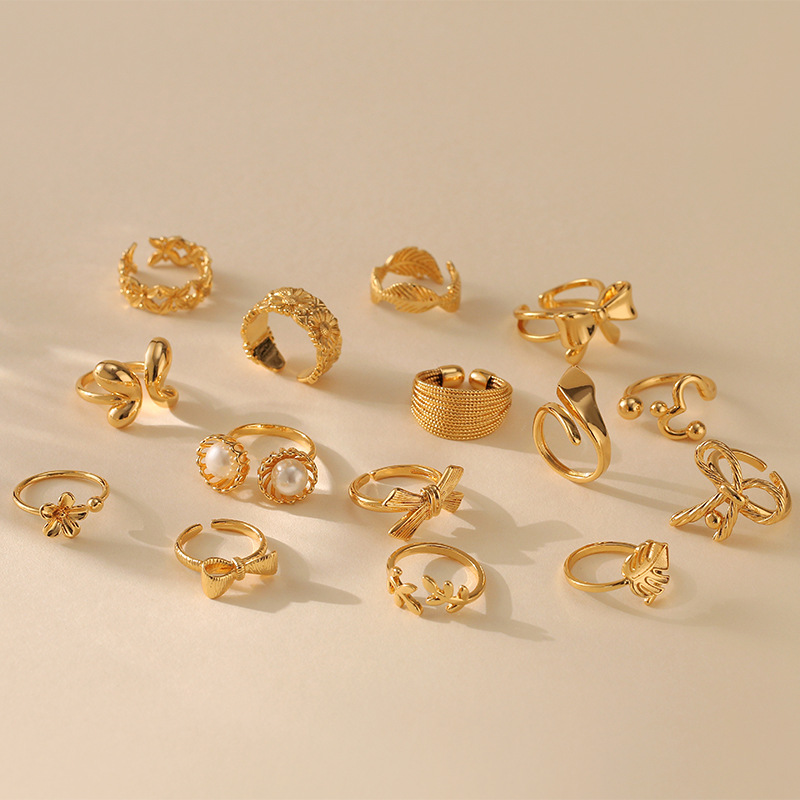
Faster turnaround times are another key benefit, as trading companies typically supply ready-made products, reducing lead times. Furthermore, they often support lower minimum order quantities, making them ideal for small businesses or those testing new markets with limited budgets.
Disadvantages of Jewelry Factories
- Higher Minimum Order Quantities: Jewelry factories usually require larger orders, which might not be feasible for small businesses.
- Longer Lead Times: Customization and large orders can take time, meaning that businesses must plan ahead to avoid delays.
- Limited Variety: A factory may not offer the same variety of pre-made designs as a trading company, restricting product choices.

Disadvantages of Jewelry Trading Companies
- Limited Customization: A jewelry trading company often offers fewer customization options compared to factories, as they mainly distribute pre-made designs.
- Higher Costs: Trading companies typically mark up the prices of jewelry, as they act as intermediaries.
- Less Control Over Quality: Since trading companies source from various manufacturers, there may be less oversight over product quality, which could lead to inconsistency.
Which Option Is Best for Your Business?
Deciding between a jewelry factory vs trading company depends on your business needs. A factory is ideal for large-volume orders, custom designs, or better control over production processes. On the other hand, a trading company offers flexibility, faster turnaround times, and access to a wide variety of ready-made products. For businesses with limited budgets or smaller orders, a trading company may be the better option.
Factors to Consider When Choosing Between a Jewelry Factory vs Trading Company
- Business Size and Volume: Larger businesses with high-volume orders will benefit more from working with a jewelry factory, while smaller businesses may prefer the flexibility offered by a trading company.
- Design Needs: If your business requires custom designs, a jewelry factory is likely your best bet.
- Product Range and Variety: If you need a broad selection of jewelry styles, a trading company may be more suitable.
- Budget and Pricing: Jewelry factories often offer better pricing for larger orders, while trading companies may be more expensive due to added margins but offer lower minimum order quantities.
Final Recommendations for Your Online Sourcing Plan
Choosing a jewelry supplier for online store success requires a balanced, data-driven approach. Prioritize product quality and material safety above all other financial considerations. Fast lead times and robust customization support are essential for scaling your digital brand. Use tiered pricing models to maximize your profit margins as your order volume grows. Always vet your partners using a strict checklist to ensure compliance and reliability. A professional manufacturing partner is an extension of your own e-commerce team. Focus on building long-term relationships rather than seeking one-time cheap deals. Start building your high-quality jewelry inventory and grow your business today.
FAQ
What is the main difference between a jewelry factory and a trading company?
The primary difference between a jewelry factory vs trading company lies in their roles. Jewelry factories manufacture custom jewelry and offer control over production and quality. Trading companies, however, source finished jewelry from multiple manufacturers and serve as intermediaries. While a factory is ideal for creating bespoke pieces, a trading company provides quicker access to ready-made jewelry and is suitable for businesses needing flexibility and fast delivery.
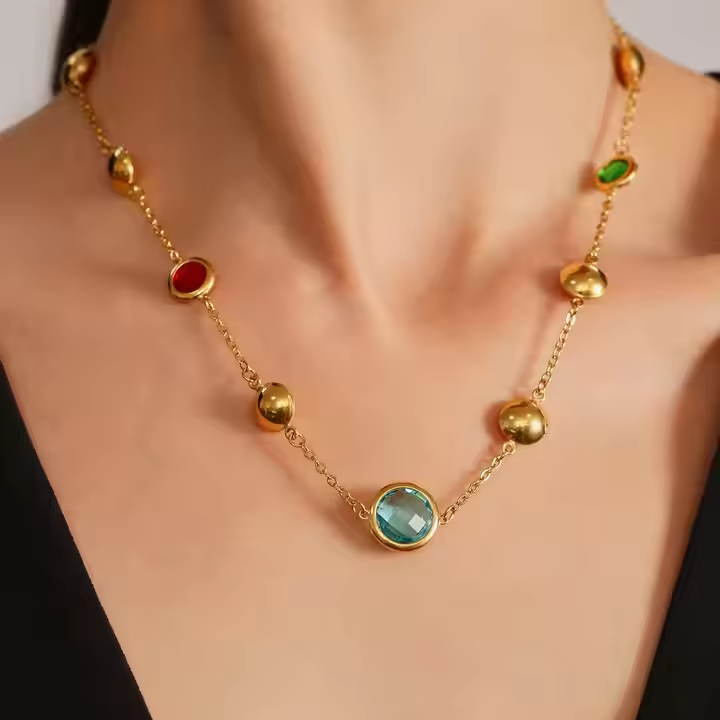
Can a jewelry trading company provide custom designs like a factory?
A jewelry trading company generally focuses on distributing pre-made jewelry and may offer limited customization options. However, factories are specialized in creating custom pieces based on specific designs and materials. If your business requires bespoke or exclusive designs, a factory is generally the better choice, as they provide full customization services and control over design execution.
Which is more cost-effective, a jewelry factory or a trading company?
In terms of cost, a jewelry factory vs trading company depends on order size and customization. Jewelry factories generally offer lower prices, particularly for large orders, because they cut out intermediaries and provide direct manufacturing. However, they may require higher minimum order quantities. Trading companies, on the other hand, may be more expensive due to added margins, but they often have lower minimum order requirements and quicker delivery times, making them a better option for businesses with smaller budgets or faster inventory needs.