
What Affects Jewelry Manufacturing Lead Time for Brands?
-
Understand what affects jewelry manufacturing lead time, from design complexity to seasonal peaks, and learn how to optimize your production schedule today.
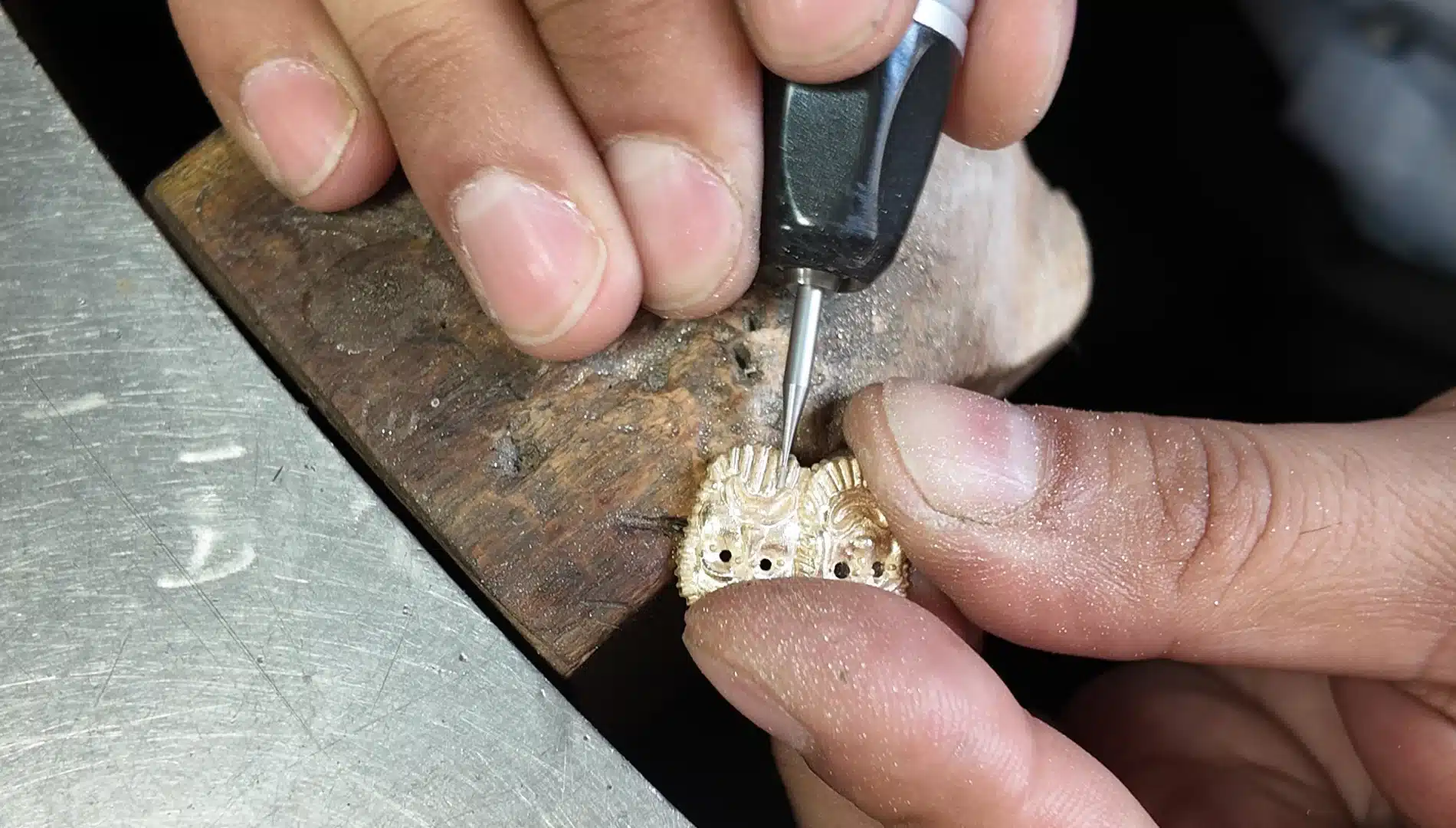
Understanding the factors that influence jewelry manufacturing lead time is essential for effective inventory planning and product launches. Many brands face significant delays because they underestimate the complexity of the production cycle, which involves multiple stages from CAD design to final plating. Lead times can vary drastically depending on the season, the complexity of the design, and the manufacturer’s current capacity. A predictable supply chain allows you to meet customer demand and maintain a professional reputation in a competitive market. By gaining transparency into the factory’s scheduling logic, you can better manage your project timelines and avoid costly stockouts.
Standard Production Cycles for Modern Jewelry Brands
A typical production cycle for established jewelry items usually spans between 15 and 30 days. This period begins once the sample is approved and the deposit is paid, moving into the mold-making and casting phases. Stone setting and manual polishing are the most time-consuming elements, as they require high precision and skilled labor. Plating and final quality control checks add another few days before the goods are ready for shipping. For new designs that require custom tooling, you should add an additional 7 to 14 days to the initial estimate. Understanding these milestones helps you set realistic expectations for your marketing and retail teams.
The Impact of Seasonal Peaks and Global Holidays
Global demand and regional holidays play a massive role in shifting delivery schedules throughout the year. For example, the weeks leading up to Christmas and Valentine’s Day see a significant surge in orders, which can double the standard jewelry manufacturing lead time. Additionally, major manufacturing hubs like China experience complete shutdowns during the Lunar New Year, lasting up to three weeks. Brands that do not plan for these predictable pauses often find themselves without stock during their busiest sales periods. To mitigate this, savvy retailers place their holiday orders at least three to four months in advance. Planning around these peaks is critical for supply chain stability.
Key Factors Influencing Jewelry Production Timelines
| Factor | Impact on Delivery | Management Strategy |
|---|---|---|
| Design Complexity | High (+10-15 days) | Simplify components for faster casting |
| Order Volume | Medium (+5-10 days) | Request "Partial Shipments" for urgent stock |
| Plating Requirements | Low (+2-4 days) | Group items by finish (Gold/Silver/Rose) |
| Material Availability | Variable (+7-30 days) | Stockpile core materials during low season |
Strategies for Accelerating Delivery Without Sacrificing Quality
The table above illustrates how different variables can stretch your delivery window and offers practical ways to manage them. If you are facing an urgent deadline, requesting partial shipments can get your most popular items into the hands of customers while the rest of the order is completed, especially for collections like retro style jewelry. Simplifying intricate details or utilizing “ready-stock” components such as chains and clasps can also shave days off the production schedule. Manufacturers are often willing to prioritize your project if you provide clear, error-free technical drawings and timely communication. By working within the factory’s existing workflows, you can optimize for both speed and precision.

The Role of Factory Scheduling and Capacity Planning
Manufacturers operate on a strict “first-in, first-out” scheduling system, but larger clients often get priority during busy periods. Your lead time is also influenced by how many “steps” your jewelry needs to take within the factory. If your designs require specialized hand-setting or unique enameling, your order will sit in more queues than a simple stamped silver piece. Maintaining a consistent order volume throughout the year helps the factory plan their labor requirements around your brand. This consistency makes you a “preferred partner,” leading to more stable and often shorter delivery windows. A steady production rhythm is the secret to long-term supply chain efficiency.
-
Submit final CAD approvals within 48 hours to prevent queue loss.
-
Use a “Master Production Schedule” shared between your team and the factory.
-
Consolidate orders to reduce the number of separate production setups.
-
Provide early “forecasts” of your 12-month production needs to the supplier.
Implementing a Proactive Production Management Framework
The list provided offers a framework for brands looking to take control of their supply chain timelines. Fast CAD approvals are particularly important, as even a 24-hour delay can cause you to lose your slot in the casting queue. Sharing a production forecast allows the manufacturer to pre-order raw materials and schedule labor well in advance of your actual purchase order. These proactive steps reflect a high level of professional competence and ensure that your brand remains a top priority for the manufacturer. Consistency and early communication are your best tools for managing a complex production schedule.

How Material Sourcing Can Cause Unexpected Delays
Sometimes, delays are not caused by the factory itself but by the availability of specific gemstones or rare metals, which can also affect products like a hot sale men’s fashion charm bracelet. If your design requires a custom-cut stone that is currently out of stock at the lapidary, your entire order will be held up. To avoid this, consider using “calibrated” stones that are readily available in standard sizes. Alternatively, you can pre-purchase and stockpile your most-used gemstones at the factory to ensure they are always ready for production. This strategic approach to material management eliminates one of the most common causes of supply chain friction. Knowing your materials is as important as knowing your manufacturer.
Importance of Quality Control in the Production Timeline
While everyone wants faster delivery, rushing the final quality control (QC) stage is a major mistake that leads to high return rates. A professional manufacturer will dedicate at least 48 hours to final inspections and “stress tests” of the jewelry pieces. This includes checking stone security, clasp functionality, and plating thickness. It is much more cost-effective to wait an extra two days for a perfect shipment than to deal with the logistical nightmare of defective goods. Brands that prioritize QC as a non-negotiable step in the timeline build more trust with their end-users. Quality is the ultimate measure of a successful production cycle.
Final Thoughts on Optimizing Your Production Schedule
Managing jewelry manufacturing lead time effectively requires a balance of early planning, clear communication, and technical understanding. By recognizing the impact of design complexity and seasonal peaks, you can build a more resilient and predictable supply chain. Utilizing tiered scheduling and proactive forecasting will ensure that your brand stays at the front of the production queue. Remember that your manufacturer is a partner in your growth; clear expectations lead to better results for everyone involved. You deserve a production process that is transparent, reliable, and perfectly timed for your market’s needs. Embrace these management strategies to secure your brand’s future today.
FAQ
Why do some jewelry orders take 4 weeks while others take 2 weeks?
The variance is usually due to the “pathway” the item takes through the factory. A 2-week order often involves simple stamping or casting of designs with no stones and standard plating. A 4-week order typically involves complex hand-setting of multiple stones, multi-layer plating, or intricate hand-polishing. If your order requires a custom mold that hasn’t been made yet, that adds significant time. The factory’s current “backlog” or workload also plays a major role; a busy factory will naturally have longer queues for every stage of production.
Can I pay a “rush fee” to get my jewelry manufactured faster?
Many manufacturers do offer a rush service for an additional fee, typically 10% to 20% of the order value. This fee covers overtime labor costs and allows your order to jump to the front of the queue in various departments like casting and polishing. However, keep in mind that “rushing” the physical process of plating or drying cannot be bypassed without affecting quality. Always ask exactly which stages will be accelerated and ensure that the final quality control check remains as thorough as a standard order.

How does the location of the manufacturer affect my total lead time?
While the manufacturing time itself might be the same, the “total lead time” includes shipping and customs clearance. If your manufacturer is overseas, you must add 3 to 7 days for air freight and potential customs inspections. Using a domestic manufacturer can reduce shipping time to 1 or 2 days, but they often have higher labor costs. Savvy brands calculate their “total landed lead time” and keep a “buffer” of at least one week to account for any shipping delays or customs hold-ups.