
What Are The Benefits Of Eco Friendly Jewelry Wholesale?
-
Eco friendly jewelry wholesale boosts sustainability, reduces costs, and strengthens brand value for global B2B jewelry supply chains.

Eco friendly jewelry wholesale is reshaping global B2B sourcing decisions today. Retailers increasingly prioritize responsible materials and ethical production systems. Demand growth is driven by environmental awareness and stricter supply chain expectations. Wholesalers benefit from stronger buyer loyalty and repeat orders. Sustainable positioning also improves access to premium retail networks. Many distributors now integrate sustainability into procurement policies. This shift encourages long term contracts and stable revenue streams. Global jewelry buyers also evaluate environmental performance before price. As a result, suppliers aligning with sustainability gain competitive traction. Market signals show continuous expansion in ethical product categories. Brands adopting responsible sourcing reduce reputational risk significantly. This environment supports long term structural growth for wholesalers globally.
Cost Structure Optimization In Eco Friendly Jewelry Wholesale Operations
Eco friendly jewelry wholesale provides measurable cost advantages over time. Recycled materials often reduce raw material volatility in procurement cycles. Production systems focus on minimizing waste during casting and polishing stages. Energy efficient manufacturing lowers operational overhead across large batches. Transportation optimization further reduces logistics expenses for bulk shipments. Suppliers also benefit from improved yield rates in standardized production runs. Reduced defect rates contribute to lower return and replacement costs. Long term contracts stabilize pricing structures for both buyers and vendors. Inventory planning becomes more predictable under sustainable sourcing systems. Financial efficiency improves as supply chains mature and scale. Many wholesalers report better margin consistency under green procurement models. These advantages strengthen financial resilience in competitive jewelry markets.
Material Innovation And Performance Enhancement In Wholesale Jewelry Supply
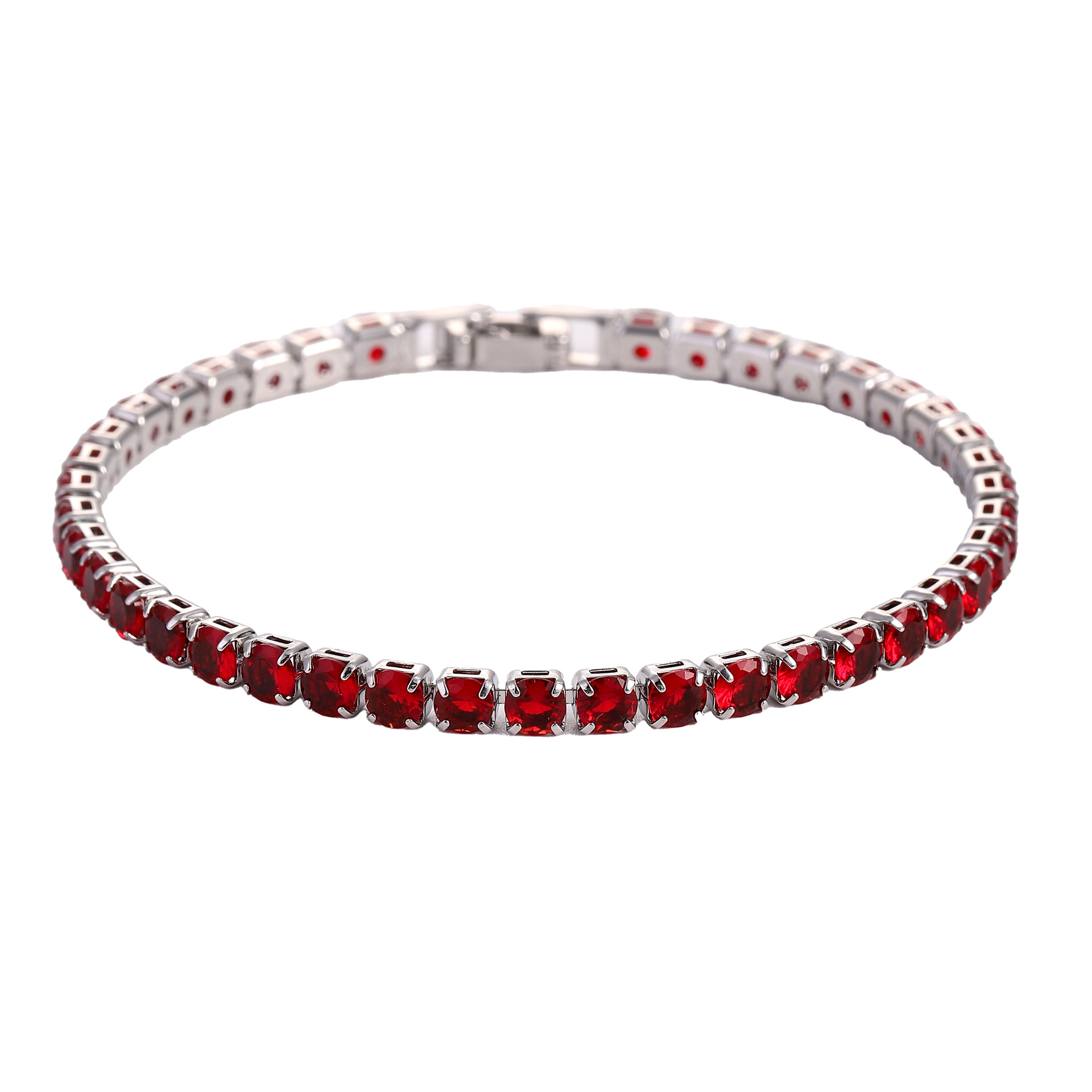
Modern jewelry production relies heavily on advanced material engineering techniques. Recycled sterling silver and certified gold reduce environmental extraction pressure. Bio-based coatings enhance durability while maintaining visual appeal. Alloy optimization improves resistance against tarnish and corrosion. Testing procedures ensure consistent performance across bulk manufacturing batches. Material science innovations also support lightweight yet durable designs. These advancements improve product lifecycle performance significantly. In some collections, designers incorporate flexible construction for better wearability. A popular example includes oem three layer colorful crystal bracelet used in bulk fashion lines. Such designs balance aesthetics with scalable manufacturing requirements. Material consistency remains critical for maintaining wholesale quality standards. Innovation continues to define competitive differentiation in supply networks.
Brand Differentiation Through Eco Friendly Jewelry Wholesale Positioning
Strong brand positioning depends on transparency and sustainability commitments today. Retailers prefer suppliers who demonstrate ethical sourcing and production clarity. Eco friendly jewelry wholesale enhances perceived brand value significantly in B2B markets. Buyers associate sustainability with higher trust and long term reliability. Clear documentation strengthens credibility during procurement negotiations. Visual storytelling also supports marketing alignment across retail channels. Brands using responsible materials gain stronger social media engagement. Certifications reinforce authenticity in competitive distribution environments. Supplier reputation improves through consistent ethical performance delivery. This positioning supports premium pricing strategies in wholesale contracts. Long term brand equity becomes more stable under sustainable frameworks. Market perception increasingly rewards responsible manufacturing practices globally.
Compliance Systems And Certification Standards In Global Jewelry Trade
Regulatory compliance plays a critical role in international jewelry distribution. Eco friendly jewelry wholesale suppliers must comply with EU REACH Regulation (EC No 1907/2006), which restricts hazardous chemical substances in finished goods, and meet U.S. CPSIA requirements for lead and heavy metal safety in accessories. Many manufacturers implement ISO 14001 Environmental Management System to control environmental impact and ISO 9001 Quality Management System to ensure consistent product quality. Ethical sourcing is verified through Responsible Jewellery Council (RJC) certification, which audits mining origin, labor conditions, and supply chain integrity. OECD Due Diligence Guidance supports conflict-free mineral sourcing practices. Documentation such as MSDS reports, supplier declarations, and traceability records is required for customs and regulatory approval. Blockchain traceability enhances transparency from raw materials to finished jewelry. Regular audits and inspections ensure ongoing compliance, reducing legal risks and strengthening buyer confidence in long term partnerships.

Supply Chain Visibility And Traceability Systems In Jewelry Wholesale
Digital tracking technologies improve transparency in jewelry supply chains. Blockchain systems record material origin and processing history. Eco friendly jewelry wholesale benefits from real time data monitoring. Suppliers can identify inefficiencies and improve production workflows. Traceability systems also support ethical sourcing verification processes. Buyers gain confidence through transparent documentation access. Supplier audits ensure consistency across multiple production facilities. Data driven insights help optimize inventory distribution strategies. Risk management improves through early detection of supply disruptions. Digital systems reduce administrative overhead in compliance reporting. Technology integration strengthens operational efficiency across global networks. Transparency remains a key driver of competitive advantage in wholesale markets.
Production Efficiency And Low Impact Manufacturing Methods
Manufacturing efficiency directly influences sustainability performance in jewelry production. Energy efficient machines reduce carbon emissions during casting processes. Water recycling systems minimize industrial waste output significantly. Precision tooling improves material utilization rates in production cycles. Eco friendly polishing techniques replace traditional chemical intensive methods. Factories adopt closed loop systems for waste management optimization. Quality control ensures minimal defect rates in mass production. Automated systems increase consistency across large order volumes. Environmental impact reduction enhances brand value perception globally. Scalable production supports growing wholesale demand efficiently. Manufacturers continuously invest in cleaner production technologies. Operational improvements strengthen long term sustainability goals.
List of Key Sustainability Advantages in Jewelry Wholesale Operations
- Reduced material waste through optimized production systems
- Lower environmental footprint across manufacturing stages
- Improved product lifecycle durability and performance
- Enhanced buyer trust through transparent sourcing
- Stronger compliance with international regulations
- Better scalability for bulk orders and long term contracts
The structured advantages above highlight operational improvements across supply networks. Each factor contributes to long term business stability and efficiency. Waste reduction techniques improve both environmental and financial outcomes. Compliance alignment ensures smoother global trade execution. Scalability supports expanding wholesale demand in competitive markets. These combined benefits strengthen strategic positioning for suppliers.
Eco Friendly Jewelry Wholesale Material Comparison And Market Performance
| Category | Traditional Materials | Sustainable Alternatives |
|---|---|---|
| Raw Material Source | New mining extraction | Recycled certified metals |
| Environmental Impact | High resource depletion | Reduced ecological footprint |
| Cost Stability | Market volatility | More stable procurement pricing |
| Brand Perception | Standard market value | Premium ethical positioning |
The comparison above shows clear structural advantages for sustainable sourcing. Material origin strongly influences environmental and financial outcomes. Recycling systems reduce dependency on mining operations significantly. Stable pricing improves long term forecasting accuracy. Brand perception also shifts positively under sustainable frameworks. These combined effects support stronger wholesale competitiveness.
Certification Standards And Compliance Verification Table In Jewelry Trade
| Standard | Purpose | Benefit |
|---|---|---|
| ISO Environmental Standard | Production control | Operational consistency |
| REACH Regulation | Chemical safety | Consumer protection |
| Traceability Certification | Supply chain tracking | Transparency assurance |
| Ethical Sourcing Audit | Material verification | Trust enhancement |
Certification systems ensure consistent global compliance across jewelry manufacturing. Each standard addresses specific operational and safety requirements. Verification systems reduce risks during international trade processes. Transparency improves buyer confidence in wholesale agreements. Compliance frameworks also support long term business sustainability.
Regulatory interpretation shows increasing global alignment in jewelry standards. Suppliers must maintain updated documentation for continuous compliance. Auditing cycles ensure ongoing adherence to requirements. Certification integration improves supply chain resilience. These systems form the backbone of responsible wholesale operations.
Product Integration And Design Application In Wholesale Jewelry Lines
Modern wholesale collections often combine innovation with scalable design. Fashion demand encourages flexible production across multiple styles. The OEM three layer colorful crystal bracelet represents layered design trends in bulk fashion jewelry. Such products support high volume manufacturing without compromising visual quality.
Design standardization improves production efficiency across factories. Material selection ensures durability during mass distribution. Wholesale buyers prioritize consistency in repeated production cycles. Design adaptability supports seasonal market shifts effectively. Manufacturers optimize tooling for repeatable precision output. These factors enhance competitiveness in global distribution networks.
Market Trends And Product Diversification In Jewelry Wholesale Supply
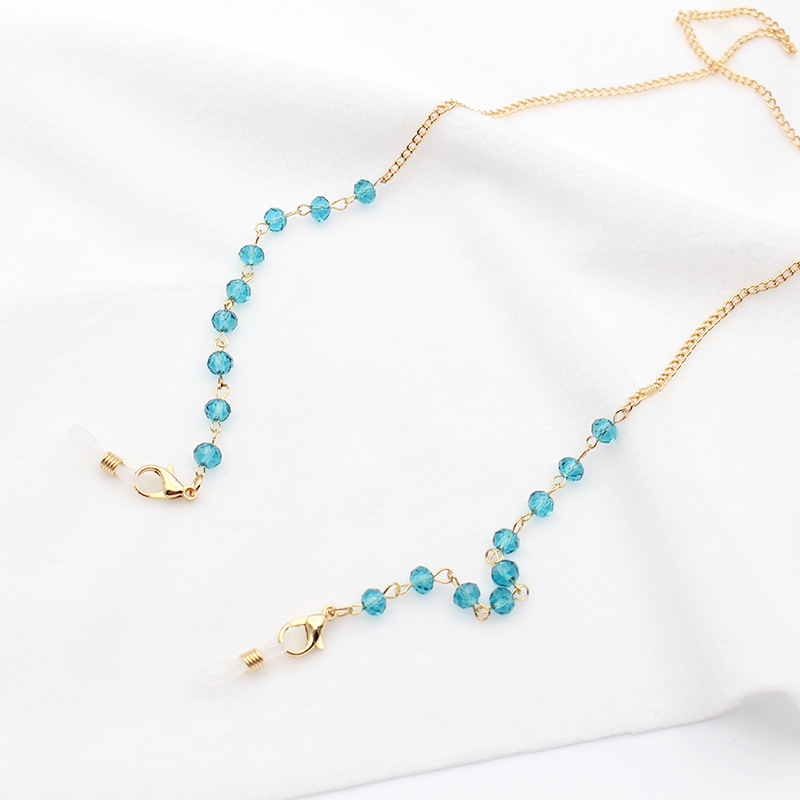
Consumer preferences continue shifting toward sustainable fashion accessories. The 18k pvd gold plated waterproof snake chain reflects durability and modern styling demand. Waterproof finishing improves product lifespan in daily wear conditions. PVD coating technology enhances scratch resistance and color retention. Wholesale suppliers benefit from offering diversified product portfolios. Market segmentation allows targeting different retail categories effectively. Ethical production also influences purchasing decisions significantly. Retailers prioritize suppliers with consistent design innovation. Demand forecasting becomes more accurate with diversified catalogs. Product variety strengthens long term wholesale partnerships globally.
Future Outlook For Sustainable Jewelry Wholesale Industry Development
The jewelry industry is moving toward fully traceable supply ecosystems. Innovation in materials will continue driving product transformation. Regulatory pressure will increase adoption of green manufacturing systems. Digital integration will enhance transparency across global supply chains. Eco friendly jewelry wholesale will remain central to B2B growth strategies. Automation will further improve production efficiency and consistency. Market expansion will favor suppliers with verified sustainability credentials. Investment in clean technology will define competitive advantage. Long term growth depends on continuous innovation and compliance. Industry evolution supports stronger alignment between ethics and profitability.
FAQ
What defines eco friendly jewelry wholesale in global supply chains?
Eco friendly jewelry wholesale refers to bulk jewelry production using sustainable materials and responsible manufacturing systems. It emphasizes recycled metals, low impact processes, and ethical sourcing verification. Suppliers must follow environmental regulations and maintain transparent documentation. This approach reduces ecological damage while supporting scalable B2B trade. Buyers prefer such suppliers due to improved compliance and brand value. Production systems often integrate energy efficient machinery and waste reduction techniques. Certification ensures consistency across international markets. These combined factors define its role in modern jewelry distribution networks globally.
How does eco friendly jewelry wholesale improve profitability for businesses?
Profitability improves through reduced material waste and stable sourcing costs. Recycling systems lower dependency on volatile raw material markets. Energy efficient production reduces operational expenses significantly over time. Long term contracts create predictable revenue streams for wholesalers. Fewer defects reduce return costs and improve customer satisfaction. Inventory planning becomes more efficient under stable production cycles. Brand positioning also allows premium pricing strategies in retail markets. Compliance reduces legal risks and associated financial penalties. These combined factors create stronger financial resilience for suppliers. Sustainable systems therefore support both cost control and revenue growth simultaneously.
What certifications are required in eco friendly jewelry wholesale markets?