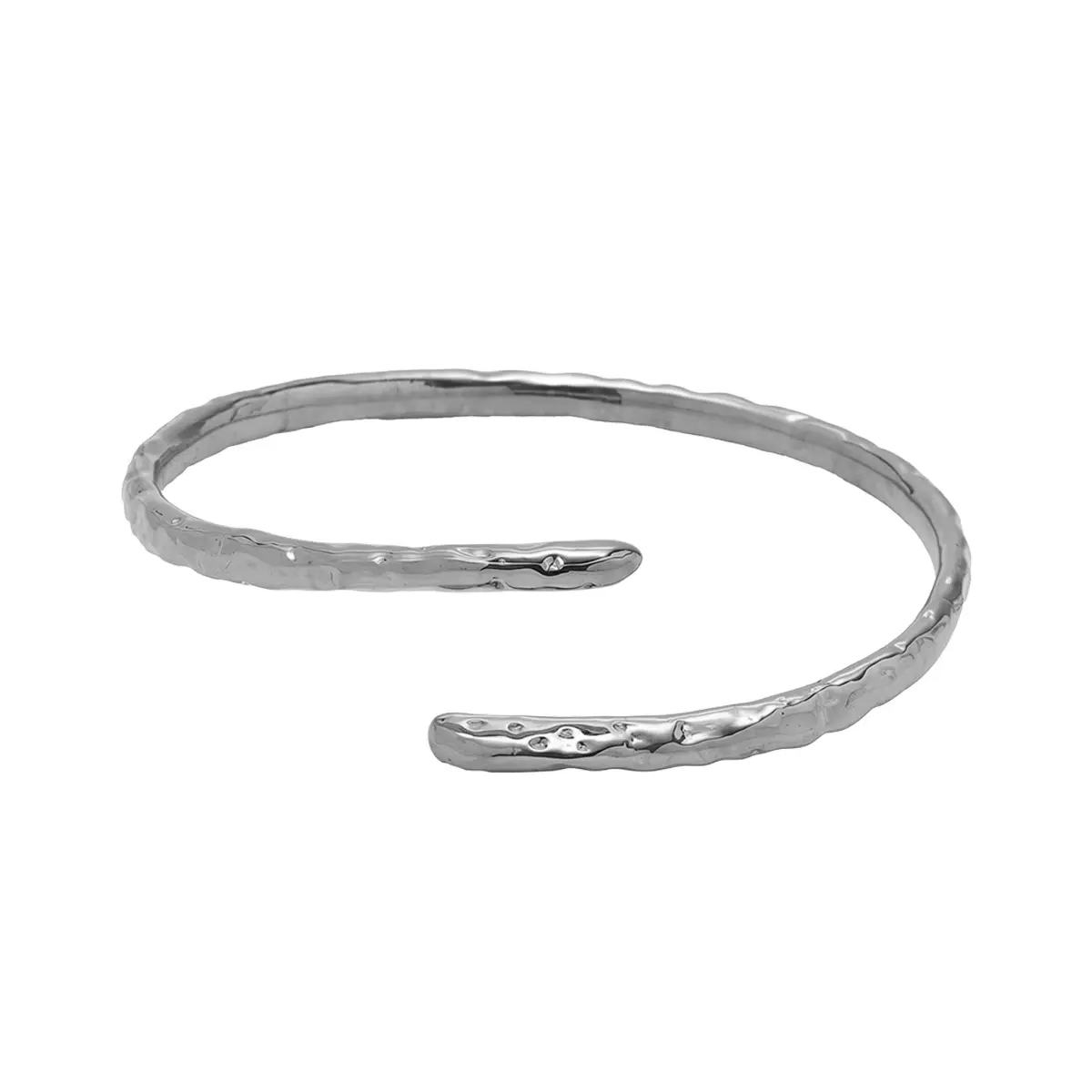
What Are The Benefits Of Open Bangle Jewelry OEM?
-
What are the benefits of open bangle jewelry OEM? Compare customization, materials, quality control, branding, and production flexibility.
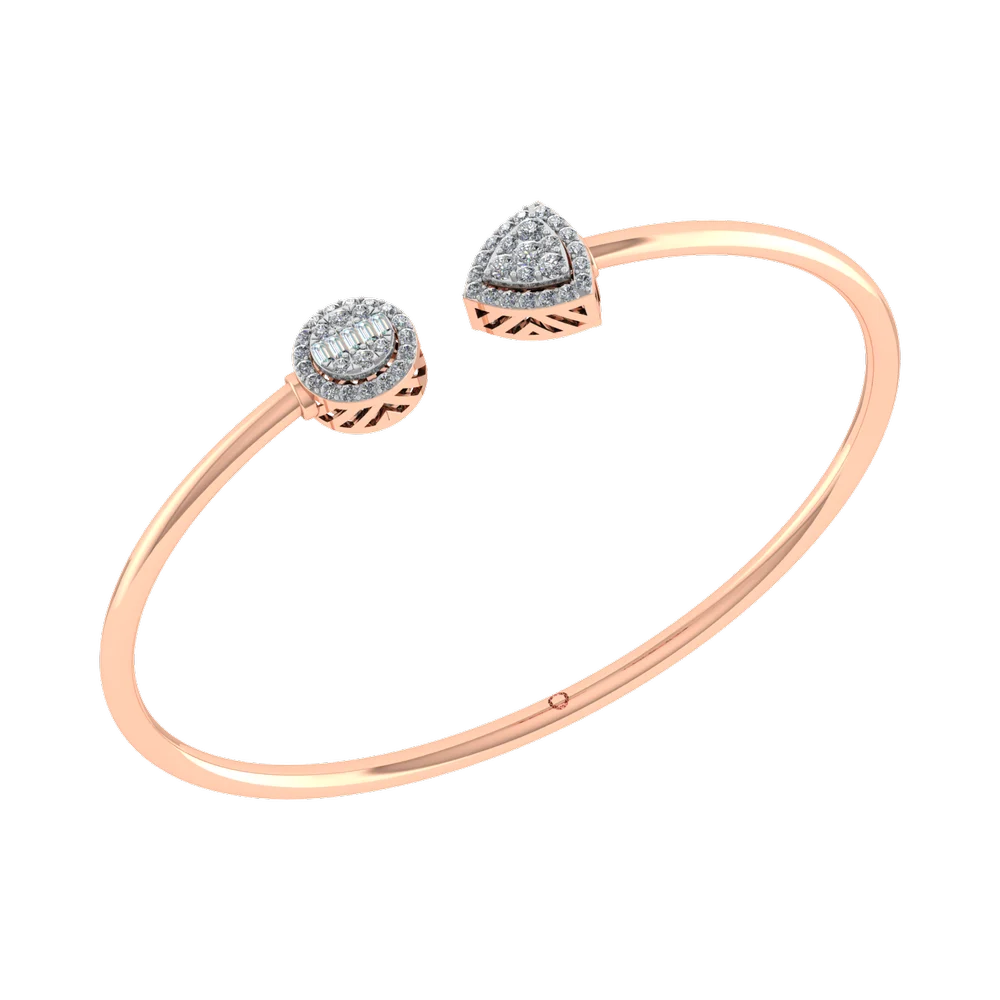
Open bangle jewelry OEM gives jewelry brands greater control over product design and manufacturing requirements. Open bangles use a separated structure instead of a fully closed circular form. This design creates a contemporary appearance and supports easier wrist placement. Brands can adjust the diameter, opening width, thickness, and decorative details. Manufacturers can develop samples before producing larger quantities. This process helps brands test proportions and wearing comfort before production. Material choices can support different retail positions and customer expectations. Surface treatments can create distinct visual identities across collections. Custom packaging can reinforce consistent branding at retail level. Production specifications also help maintain consistency between approved samples and repeat orders. These advantages make customized open bangles useful for brands seeking distinctive jewelry collections with controlled manufacturing requirements.
How Does Custom Design Improve Bangle Product Differentiation?
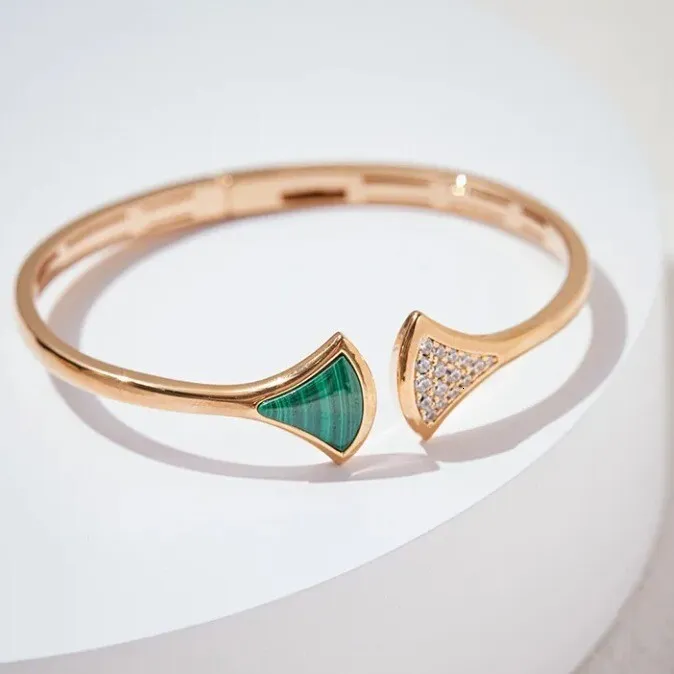
Custom design allows brands to create recognizable features instead of relying on standard catalog products. Designers can modify the bangle profile, opening distance, thickness, and end shape. Rounded ends can create a softer appearance and smoother wrist contact. Geometric ends can produce a sharper contemporary style. Asymmetric structures can add visual interest without changing the basic wearing method. Brands can incorporate logos, engraving, stones, textures, or sculpted details. Surface geometry affects how light reflects across polished metal. Stone placement can create focal points while maintaining overall design balance. Manufacturers can evaluate these details during sample development. Early testing helps identify uncomfortable edges or unstable proportions. A clear specification also reduces unnecessary revisions after sample approval. Custom design therefore provides a practical way to create recognizable collections.
Which Materials and Finishes Suit Custom Bangle Collections?
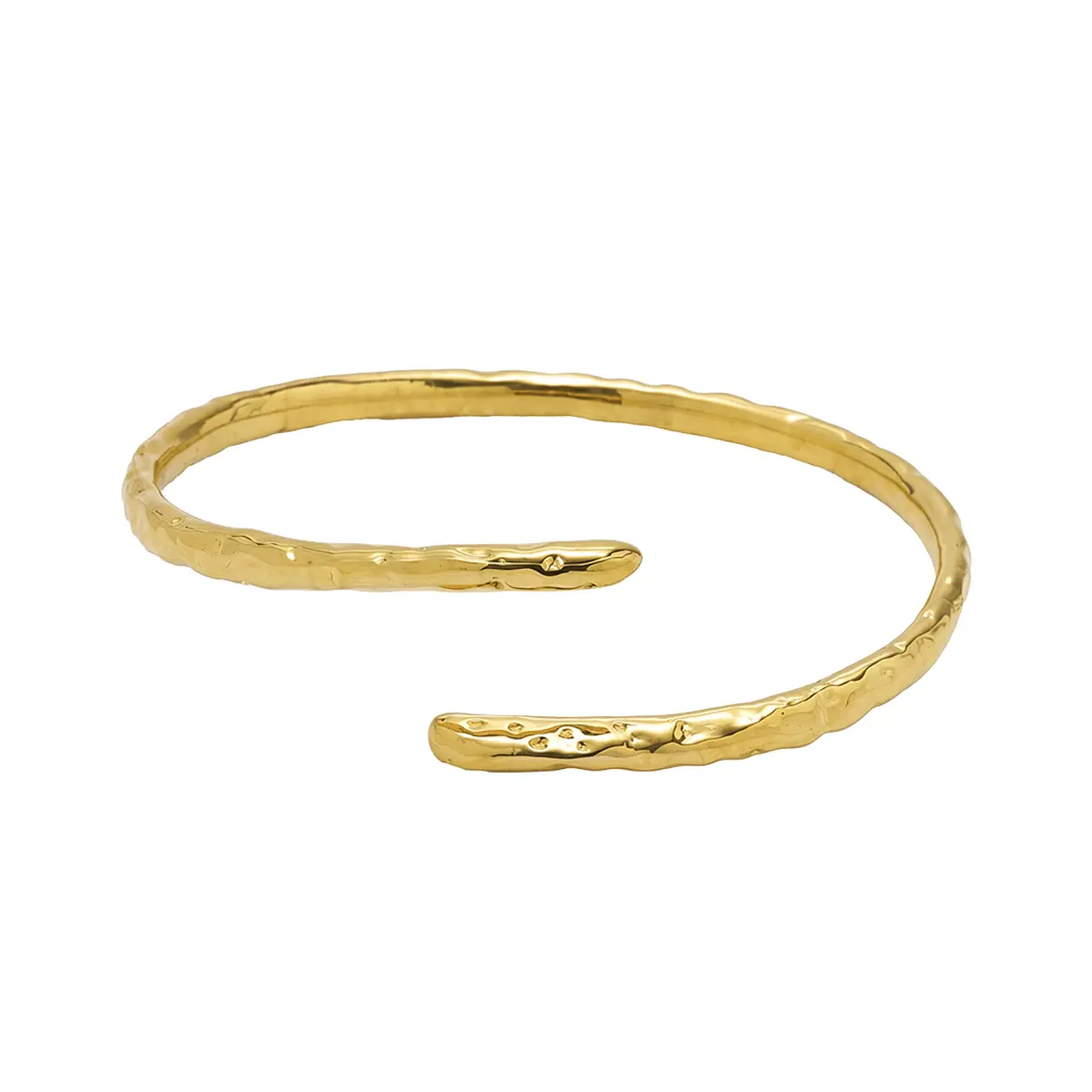
Material selection affects durability, weight, appearance, and retail positioning. 316L stainless steel provides strong corrosion resistance and structural stability. Standard stainless steel offers another practical option for everyday fashion jewelry. Brass supports various forming processes and decorative plating treatments. Sterling silver creates a higher-value position with a traditional precious-metal appearance. Surface treatments can further change the character of each design. Gold plating creates a warm metallic appearance for luxury-inspired collections. PVD finishing can provide durable coloration on suitable stainless steel products. Polishing creates stronger reflections, while brushing produces a softer texture. Cubic zirconia can add visual sparkle without requiring expensive gemstones. Stone settings need accurate positioning and secure attachment. Brands should match each material with customer expectations, target pricing, and expected wearing conditions. open bangle jewelry OEM projects can therefore use different material combinations for distinct market positions.
| Material | Main Property | Suitable Positioning |
|---|---|---|
| 316L Stainless Steel | Corrosion resistance and strength | Premium everyday jewelry |
| Stainless Steel | Stable structure and durability | Fashion jewelry |
| Brass | Good forming and plating flexibility | Decorative collections |
| 925 Silver | Precious-metal appearance | Higher-value collections |
How Does Open Bangle Jewelry OEM Improve Product Development?
OEM production connects design concepts with structured manufacturing processes. Brands can provide drawings, measurements, reference samples, or digital specifications. Manufacturers can then create physical samples for evaluation. Sampling allows teams to inspect dimensions, weight, surface finishing, and stone placement. Designers can request adjustments before approving larger production quantities. This reduces the risk of producing large volumes with unsuitable proportions. Production records can document approved materials and finishing requirements. Repeat orders become easier when manufacturers retain consistent technical specifications. Related designs can use shared materials and similar production processes. This approach may simplify purchasing and production scheduling. Brands can also develop seasonal variations without redesigning every structural element. Efficient development depends on clear communication during every approval stage. Strong documentation supports faster revisions and more reliable repeat production.
How Should Brands Control Bangle Quality and Performance?
Quality control should cover materials, dimensions, surface condition, structure, and decorative components. Incoming inspections should verify the specified metal grade and material dimensions. Production checks should examine forming, cutting, polishing, plating, and assembly. Open ends require special attention because rough edges can affect wearing comfort. Internal surfaces should remain smooth where they contact the wrist. Inspectors should also check opening width against approved specifications. Stone settings require checks for alignment, stability, and visible gaps. Plating inspections should identify uneven color, exposed base metal, scratches, and surface marks. Final inspections can compare finished products against approved samples. Brands should establish measurable quality requirements before production begins. Clear standards make communication more efficient when manufacturers address defects. Consistent inspections also help protect product quality across repeat orders. Strong quality systems are essential for reliable open bangle jewelry OEM production.
| Inspection Area | Key Requirement | Common Risk |
|---|---|---|
| Dimensions | Diameter, thickness, and opening | Poor fit |
| Edges | Smooth and rounded surfaces | Wrist discomfort |
| Plating | Consistent color and coverage | Uneven appearance |
| Stone Setting | Accurate position and firmness | Stone movement |
| Surface | Clean finish without major defects | Reduced product appeal |
What Customization Options Can Brands Request?
Customization can cover visible design features and practical product specifications. Brands should prioritize options that create meaningful differences within their target market. Material grade establishes the foundation for durability and perceived value. Dimensions determine wrist fit, visual proportion, and wearing comfort. Surface treatment controls color, reflection, texture, and visual depth. Decorative components can include stones, metal shapes, engraving, or branded elements. Logo placement should remain proportional to the overall design. Packaging can also reinforce collection identity after production. Useful customization options include:
- Material grade and metal thickness
- Inner diameter and opening width
- Plating color and surface finish
- Stone type, size, and placement
- Logo or engraving position
- Decorative end design
- Individual packaging and labeling
- Outer carton requirements
These choices allow brands to balance appearance, production complexity, and commercial positioning. Not every customization option provides equal market value. Brands should focus on features that customers can recognize or appreciate. A controlled specification also makes supplier comparison more accurate. Manufacturers can quote more consistently when requirements remain specific. Design teams can compare samples against measurable production criteria. This approach supports better decisions before larger orders begin. Well-planned customization can also strengthen the consistency of open bangle jewelry OEM collections.
How Can Brands Evaluate an OEM Jewelry Manufacturer?
Supplier evaluation should include production capability, sampling quality, materials, inspection procedures, and communication. Product photographs alone cannot confirm manufacturing consistency. Brands should review physical samples whenever customized designs require specific dimensions or finishes. Production equipment should match required forming, polishing, plating, and stone-setting processes. Skilled workers should handle detailed finishing areas carefully. Manufacturers should also explain material sourcing and quality inspection procedures. Buyers should confirm whether suppliers can maintain approved specifications during repeat orders. Production capacity matters when successful products require regular replenishment. Packaging capability can reduce the need for additional suppliers. Communication speed also matters during sample revisions and production approvals. Brands should compare quality, flexibility, capacity, pricing, and delivery reliability together. A balanced evaluation provides stronger protection against production problems later.
How Can OEM Production Support Competitive Pricing?
Pricing depends on material costs, processing requirements, finishing methods, labor, packaging, and order quantities. Stainless steel designs can offer attractive pricing when brands prioritize durability. Premium finishes can increase perceived value without changing the basic structure. Stone decoration may add labor requirements depending on setting complexity. Custom packaging can also affect total product costs. Brands should request quotations based on complete specifications rather than simple descriptions. Different quantities may produce different unit costs because production efficiency changes with volume. However, larger orders can increase inventory exposure for untested designs. Smaller initial orders may reduce risk during market testing. Successful products can later move into larger replenishment cycles. Cost planning should consider both unit economics and inventory requirements. This approach can support competitive retail pricing without sacrificing important product features. For many brands, open bangle jewelry OEM provides useful flexibility when balancing design costs and order quantities.
What Should Brands Confirm Before Placing an OEM Order?
Before production starts, brands should confirm every specification affecting the finished product. The approved sample should match the written purchase requirements. Material documentation should identify the required metal grade. Dimensions should include diameter, thickness, opening width, and decorative measurements. Finishing requirements should specify color, polish, texture, or plating treatment. Stone specifications should identify type, size, quantity, and placement. Packaging documents should describe labels, inserts, individual bags, and outer cartons. Buyers should also confirm sampling charges and production lead times. Quality inspection requirements should appear before mass production begins. Delivery schedules should account for sampling, manufacturing, inspection, and packing. Clear documentation creates one reference point for both parties. This reduces avoidable changes and helps manufacturers reproduce approved products consistently.
How Can OEM Bangles Support Long-Term Collection Growth?
Long-term collection growth depends on reliable quality and flexible product development. A successful bangle structure can support multiple finishes, stones, and decorative variations. Seasonal colors can refresh existing designs without changing core dimensions. Different materials can create separate price levels within one product family. Brands can introduce new end shapes while retaining recognizable collection structures. Sales performance can determine which variations deserve larger production quantities. Repeat orders become more efficient when approved specifications remain available. Consistent production records can reduce repeated sample development for established designs. Customized production can therefore support gradual assortment expansion. Brands can introduce new variations while maintaining a consistent design language. This strategy reduces unnecessary product complexity and supports stronger collection coherence. Reliable manufacturing also helps brands respond faster when certain designs gain market traction.
Which Product Details Can Strengthen a Customized Collection?
Specific product concepts demonstrate how material and design choices create different market positions. Waterproof Stainless Steel Cubic Zircon Open Cuff Bangle combines a practical metal structure with decorative stone elements. Its open cuff construction creates a contemporary appearance with a clear visual focal point. Stainless steel also suits customers seeking durable jewelry for regular wear. Another concept uses 18K Gold Plated 316L Stainless Steel Water Drop Zircon Bangle for a warmer luxury appearance. Its water-drop zircon detail introduces a softer decorative element. The gold-colored surface can coordinate with other warm-tone jewelry pieces. These examples show how structure, material, finish, and stone design influence product identity. Brands can adapt similar principles across different collections. Effective customization connects every visible detail with a specific customer expectation. That approach creates products with clearer positioning and stronger commercial purpose.
FAQ
What Is the Main Advantage of OEM Open Bangles?
The main advantage comes from greater control over product specifications and brand presentation. Brands can select materials, dimensions, finishes, decorations, and packaging requirements. This flexibility supports collections with stronger visual consistency. Manufacturers can develop samples before larger quantities enter production. Sampling allows designers to adjust proportions, comfort, surface quality, and decorative placement. Buyers can therefore reduce risks linked to unsuitable product designs. Production specifications also support consistency during repeat orders. Different finishes can create several price levels from related structures. Brands can respond to market preferences without depending entirely on standard catalog products. This flexibility makes customized open bangles practical for both new collections and established jewelry lines.
Is OEM Suitable for Small Jewelry Brands?
OEM production can suit smaller jewelry brands when order planning remains realistic. Buyers should match initial quantities with expected market demand. Sampling allows brands to test designs before committing to larger production volumes. Simple structures can reduce development complexity and related costs. Brands should confirm minimum order quantities before choosing a manufacturer. They should also request clear sample pricing and customization charges. Packaging requirements can remain simple during early product testing. Successful designs can later move into larger replenishment orders. Smaller brands can gradually expand collections through related materials, finishes, and decorative variations.
Careful planning helps balance product variety, production costs, and inventory exposure. This approach can make customized jewelry development more manageable for growing brands.
What Should Brands Confirm With an OEM Supplier?
Brands should confirm product specifications, production capabilities, quality standards, and delivery expectations. Material grades should match approved product documentation. Dimensions should remain consistent with the approved physical sample. Plating requirements should specify color, finish, and coverage expectations. Stone specifications should identify size, type, quantity, and placement. Buyers should also confirm logo methods and packaging requirements. Quality inspections should define important checkpoints before shipment. Production schedules should include sampling, manufacturing, inspection, and packing stages. Clear communication reduces errors during customized production. Complete specifications also provide a reliable reference for repeat orders. Strong preparation supports consistent quality and smoother cooperation throughout the product lifecycle.