
What Defines A Top Jewelry Gift Market Supplier?
-
Jewelry gift market supplier defines quality, pricing, QC, and customization for reliable B2B sourcing partnerships worldwide.


A jewelry gift market supplier plays a central role in B2B sourcing decisions. Buyers depend on stable production, consistent quality, and scalable customization. A jewelry gift market supplier supports brands with design accuracy and delivery reliability. Market competition forces suppliers to improve materials, service speed, and compliance systems. Buyers evaluate suppliers based on durability, pricing transparency, and export readiness. In global trade, even small deviations in quality can affect brand reputation. Therefore, supplier selection impacts long-term profitability and customer satisfaction. Modern sourcing also demands digital integration and faster communication channels. Many businesses now prioritize suppliers who can balance creativity with manufacturing efficiency. A well-structured partnership reduces operational risk and strengthens supply chains across different regions and retail environments.
Product Quality Standards in A jewelry gift market supplier System
A jewelry gift market supplier must maintain strict product quality standards across all production stages. Material selection determines durability and market acceptance. Stainless steel, brass, and alloy bases are widely used in fashion jewelry. Surface finishing techniques such as electroplating improve visual appeal and corrosion resistance. Quality control teams inspect stone setting accuracy and polishing consistency. International compliance standards ensure safe usage in different markets. For example, REACH regulation (Registration, Evaluation, Authorisation and Restriction of Chemicals) in the European Union controls hazardous substances in consumer products, while CPSIA (Consumer Product Safety Improvement Act) in the United States regulates lead content, phthalates, and mandatory safety testing for children’s products. A jewelry gift market supplier with strong material expertise reduces defect rates significantly. Consistency in craftsmanship also improves brand trust among wholesale buyers. Reliable sourcing depends on controlled production environments and trained technicians who monitor every batch carefully for uniform output.
Production Examples and Material Application
Manufacturing capability is often proven through product engineering detail. A stainless steel pvd gold-plated bracelet demonstrates advanced coating stability under vacuum conditions. This process improves color retention and wear resistance in competitive retail environments. Temperature control remains critical during deposition stages. Polishing cycles refine surface smoothness and reduce microscopic defects. Each stage requires technical precision to maintain consistency across batches. Suppliers who master these processes gain stronger buyer confidence. Material science directly influences perceived product value and long-term durability. Strong technical execution reduces returns and strengthens retail performance. Engineering depth often separates advanced manufacturers from basic assembly workshops in global jewelry production networks.
Supply Chain Stability in A jewelry gift market supplier Operations
A jewelry gift market supplier must maintain stable supply chains to support consistent order fulfillment. Production planning systems help manage raw material flow and manufacturing schedules. Large factories coordinate multiple production lines to handle seasonal demand fluctuations. Inventory control systems reduce delays and ensure faster dispatch cycles. Efficient logistics partnerships support international shipping requirements. Buyers expect predictable lead times and minimal disruption risks. Supplier resilience also depends on backup sourcing strategies for raw materials. Strong supply chain design reduces operational bottlenecks and improves delivery reliability. In competitive markets, stability often matters more than pricing alone because delays can affect entire retail cycles.
Customization Capability in A jewelry gift market supplier Strategy
A jewelry gift market supplier with strong customization capability provides OEM and ODM services for global brands. Design teams analyze fashion trends and translate them into market-ready products. Digital modeling tools accelerate sample development and reduce revision cycles. Packaging customization also enhances brand identity and customer appeal. Suppliers often collaborate with buyers to refine product aesthetics and structural design. Trend forecasting helps align collections with seasonal demand shifts. Communication between designers and clients ensures accurate execution of creative concepts. Flexibility in production allows brands to differentiate themselves in crowded markets. Customization has become a critical factor in selecting long-term manufacturing partners.
Pricing Transparency in A jewelry gift market supplier Framework
A jewelry gift market supplier must maintain clear and transparent pricing systems to earn long-term buyer confidence. Wholesale pricing is shaped by material expenses, labor complexity, and production volume. Detailed cost explanations help buyers see how each stage contributes to final value.
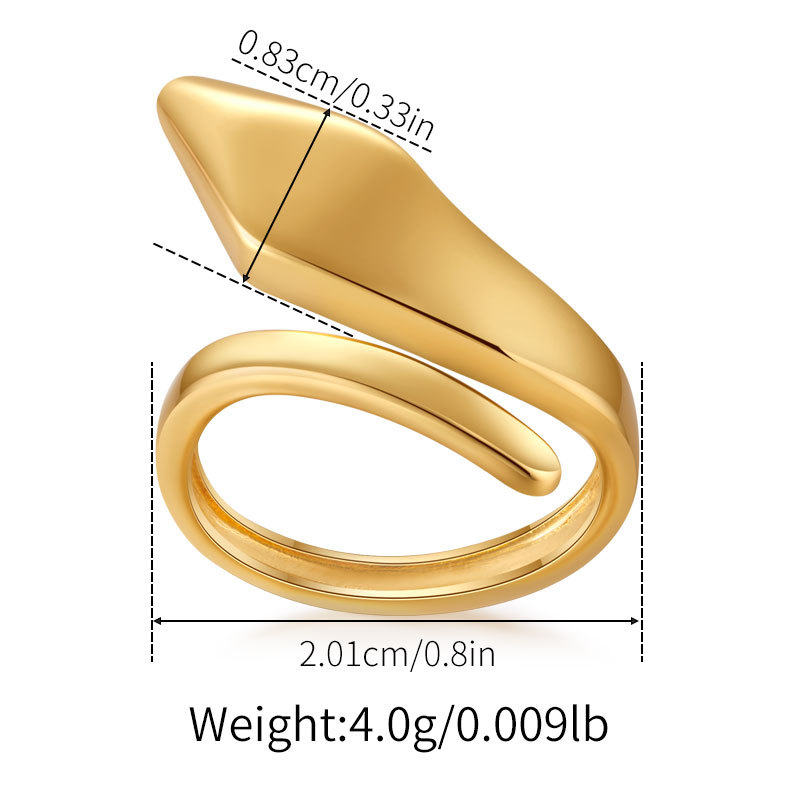
Competitive pricing strategies do not necessarily indicate reduced quality, as efficiency gains can eliminate unnecessary operational waste. Suppliers that streamline workflows often achieve stronger profit margins without compromising standards. Flexible negotiation models further strengthen long-term cooperation between partners. Buyers generally favor suppliers who avoid hidden fees and maintain stable pricing logic across orders. Open financial communication supports smoother collaboration and significantly lowers sourcing uncertainty in global trade environments.
Quality Control Systems in A jewelry gift market supplier Operations
A jewelry gift market supplier relies on structured quality control systems to maintain product consistency. Inspection processes include pre-production checks, in-line monitoring, and final sampling audits. Each stage ensures defect prevention before shipment. Advanced factories also use third-party testing for certification validation. Skilled inspectors evaluate surface finish, stone alignment, and structural durability. Statistical quality control methods track defect trends across batches. Real-time monitoring improves production accuracy and reduces waste. Reliable quality systems enhance buyer confidence and reduce return rates. Consistent inspection standards also support brand reputation in global retail channels.

What Defines A Top jewelry gift market supplier? Global Market Experience
A jewelry gift market supplier with extensive international exposure is familiar with regional compliance frameworks and varied consumer expectations. Export documentation accuracy ensures smooth customs clearance processes. Different markets require specific labeling and packaging standards. Suppliers with international exposure adapt quickly to regulatory changes. Experience across multiple regions improves risk management capabilities. Communication with global buyers also strengthens operational coordination. A bling zircon jewelry set reflects how suppliers adjust design aesthetics for diverse cultural markets. Such adaptability increases competitiveness and supports long-term expansion. Global expertise remains a key indicator of supplier maturity and operational reliability in international jewelry trade.
Communication Efficiency in A jewelry gift market supplier Partnership
A jewelry gift market supplier must ensure fast and accurate communication with buyers. Dedicated account managers improve response consistency. Multilingual support reduces misunderstanding in cross-border transactions. Digital platforms enable real-time order tracking and updates. Clear communication prevents production errors and delivery delays. Suppliers who respond quickly build stronger buyer trust. Regular updates during production cycles improve transparency. Efficient communication also supports faster decision-making processes. Strong interaction systems reduce operational friction and enhance long-term collaboration stability. Communication quality often determines partnership success in international sourcing relationships.
Evaluation Framework for A jewelry gift market supplier Selection
A jewelry gift market supplier evaluation framework highlights operational flexibility and production control. Buyers assess MOQ levels to determine scalability potential. Lead time consistency affects retail planning and seasonal launches. Quality control depth ensures defect reduction and product stability. Customization capability defines brand differentiation strength in competitive markets. Suppliers with structured systems perform better in long-term partnerships. This framework helps buyers compare suppliers objectively across multiple dimensions. It reduces sourcing risks by standardizing evaluation criteria. Clear benchmarking improves decision-making efficiency and strengthens procurement strategy in global jewelry trade environments.Key Evaluation Checklist for Buyers
- Material consistency across production batches
- Stable manufacturing capacity during peak demand
- Strong customization and branding support
- Fast and accurate communication response
- Export compliance and documentation readiness
- Sustainable and ethical production systems
This checklist helps buyers structure sourcing decisions. Each factor influences long-term supplier reliability. Consistent evaluation reduces procurement uncertainty. Strong alignment improves operational efficiency across global supply chains.
Comparison Table: Supplier Performance Factors
| Factor | Advanced Supplier | Basic Supplier |
|---|---|---|
| MOQ Flexibility | Adjustable for market testing | Fixed high requirement |
| Lead Time | Optimized production cycles | Unstable scheduling |
| Quality Control | Multi-stage inspection system | Final inspection only |
| Customization | Full OEM/ODM capability | Limited design options |
This comparison highlights operational differences between supplier levels. Advanced systems improve scalability and consistency. Strong QC and customization increase buyer competitiveness. Structured evaluation supports better sourcing decisions in global markets.
Quality Control Breakdown in Jewelry Manufacturing
| Stage | Focus Area | Result |
|---|---|---|
| Pre-Production | Material inspection | Approved raw inputs |
| In-Process | Craft accuracy | Defect correction |
| Final Stage | Appearance and durability | Shipment approval |
Structured QC ensures consistent output quality. Early inspection reduces downstream defects. Process monitoring improves manufacturing precision. Final checks guarantee retail readiness before export.
FAQ
How to verify a jewelry gift market supplier’s credibility?
Verification requires multiple layers of assessment. Buyers should check certifications, factory audits, and production history. A reliable jewelry gift market supplier provides transparent documentation for materials and processes. Third-party inspection reports add additional trust. Communication responsiveness also reflects organizational maturity. Long-term customer references strengthen credibility evaluation. Export records demonstrate operational consistency across markets. Sample accuracy compared to mass production is another key indicator. Combining these factors reduces sourcing risks significantly and improves supplier selection confidence in global trade environments.
What minimum order quantity is typical in this industry?
Minimum order quantity depends on material type and customization level. Standard fashion jewelry often requires 100 to 500 pieces per design. A flexible jewelry gift market supplier may offer lower MOQ for trial orders. Custom designs increase MOQ due to tooling and setup costs. Bulk production reduces per-unit manufacturing expenses significantly. Seasonal demand can also influence MOQ adjustments. Negotiation plays an important role in final agreements. Buyers should align MOQ with business scale and inventory planning. Strategic ordering improves cost efficiency and market testing capability.
How do suppliers ensure consistent product quality?
Consistency is achieved through structured quality systems and trained personnel. A jewelry gift market supplier applies multi-stage inspection from raw material to final shipment. Standard operating procedures ensure uniform production steps. Real-time monitoring detects deviations early in the process. Equipment calibration maintains production accuracy over time. Third-party audits verify internal control systems. Feedback from buyers improves continuous refinement. Statistical quality tracking reduces defect trends across batches. These combined systems ensure stable output quality and strengthen long-term buyer confidence in global supply chains.