What Is A Private Label Jewelry Supplier?
-
Private label jewelry supplier enables custom branding, flexible design, and scalable production with quality control and cost efficiency.
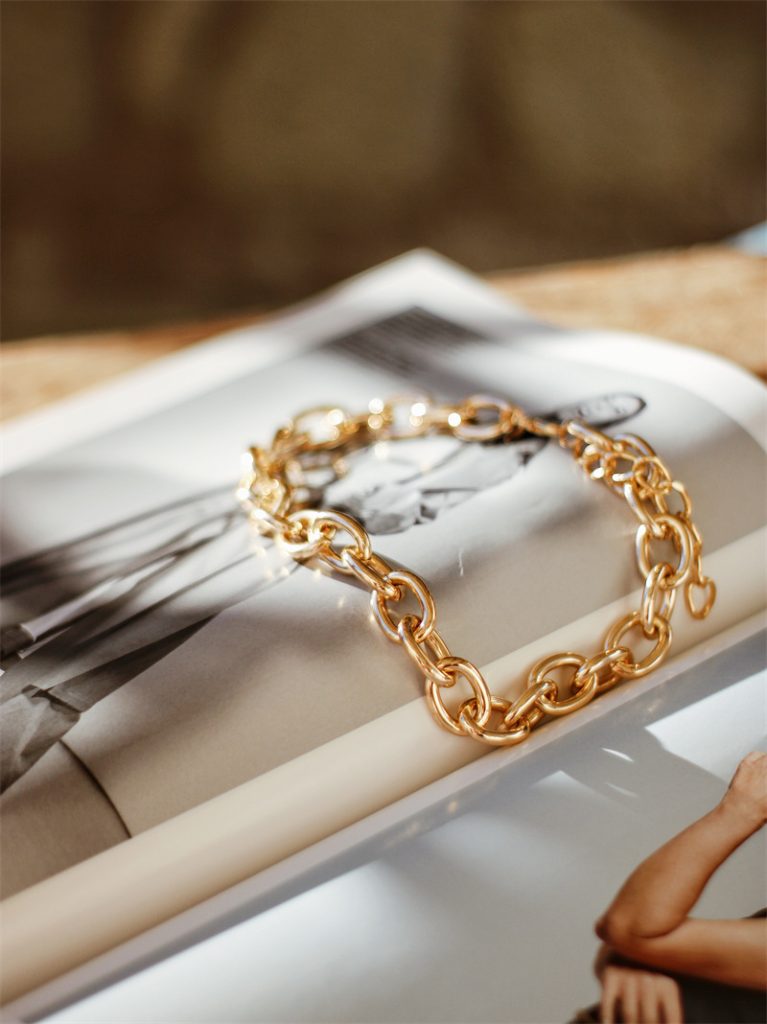
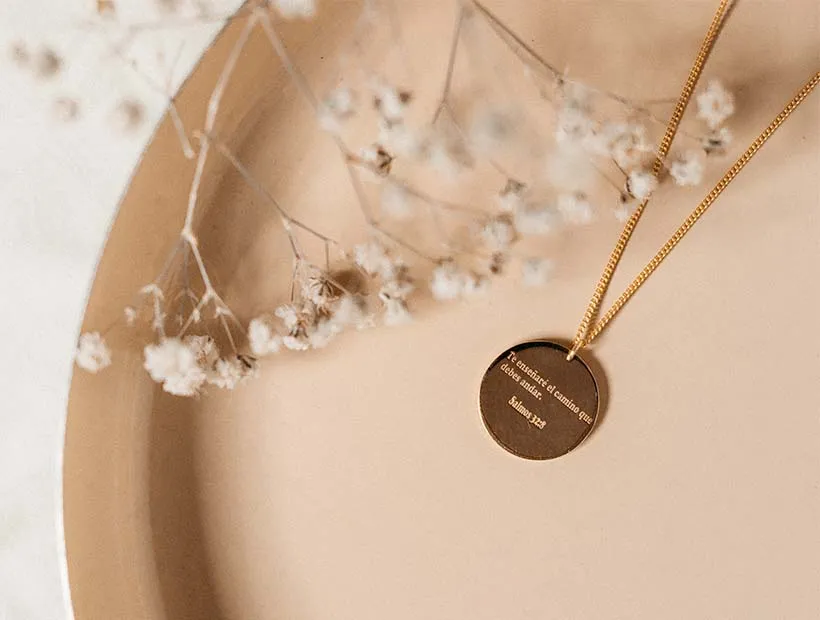
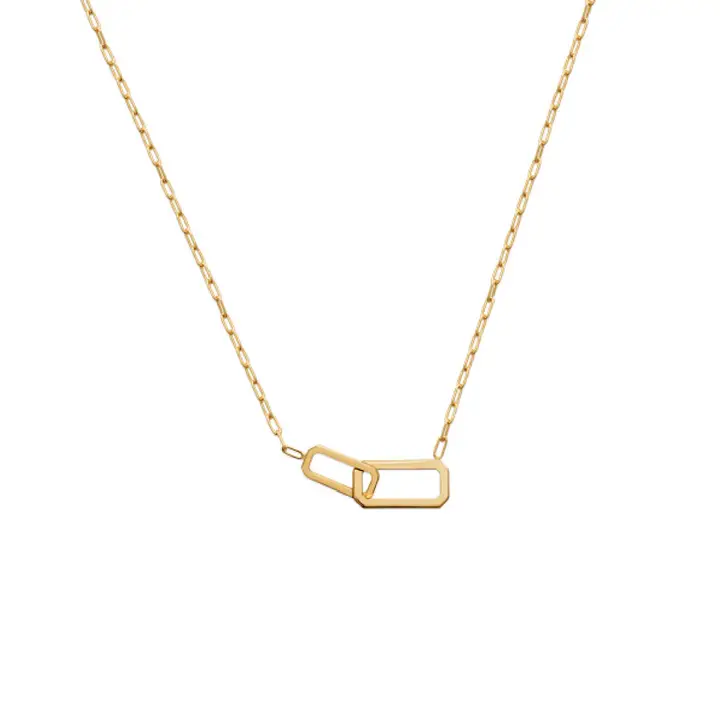
A private label jewelry supplier provides manufacturing and branding services for custom jewelry lines. Businesses sell products under their own brand names through this model. It supports flexible design control and clear market positioning strategies. Unlike traditional wholesalers, suppliers offer customization in materials and packaging. Many brands build exclusive collections through specialized manufacturing partnerships. Strong collaboration improves consistency and long-term scalability for growing businesses. E-commerce expansion continues driving demand for tailored jewelry production worldwide. Retailers gain competitive advantages without investing in factories or equipment. This structure enables smaller brands to compete with established companies effectively. Strategic sourcing ensures durability, quality, and appealing aesthetics across product lines.
Key Functions of a Private Label Jewelry Supplier
A private label jewelry supplier manages several production stages for jewelry businesses. Design teams create prototypes based on brand requirements and target audiences. Engineers refine structures to ensure comfort and long-term durability. Material specialists select metals, stones, and coatings with precision. Production teams handle casting, polishing, and finishing processes carefully. Inspectors evaluate each piece to maintain strict quality standards. Packaging teams apply logos, labels, and branding elements professionally. Logistics departments coordinate global shipping and inventory distribution efficiently. Each function supports consistent output and operational reliability. Strong coordination ensures timely delivery and alignment with brand identity goals.
Materials and Manufacturing Standards in Jewelry Production
Jewelry production uses materials with unique physical and chemical properties. Stainless steel offers excellent corrosion resistance and structural strength. A stainless steel jewelry set highlights durability and low maintenance benefits clearly. Sterling silver provides elegance but requires anti-tarnish treatment solutions. Brass enables affordable designs and supports effective plating applications. Gold plating enhances visual appeal and improves surface durability significantly. Finishing techniques include polishing, brushing, and electroplating for texture variety. Plating thickness directly influences wear resistance and long-term performance. Regulations control nickel release to protect consumer health and safety. Certifications confirm compliance with environmental and industry quality standards.
Benefits of Working with a Private Label Jewelry Supplier
A private label jewelry supplier helps brands create distinct product identities. Unique designs strengthen brand recognition in highly competitive markets. Bulk manufacturing reduces costs and improves overall efficiency. Suppliers offer scalable solutions that support business expansion over time. Faster development cycles allow brands to respond quickly to trends. Custom packaging enhances customer experience and perceived product value. Outsourcing production reduces operational complexity and associated risks. Flexible design adjustments help brands remain relevant in changing markets. Reliable partners maintain consistent quality across all production batches. These advantages contribute to stronger profitability and sustainable business growth.
How to Choose the Right Private Label Jewelry Supplier
Choosing the right partner requires evaluating several critical factors carefully. Businesses must review technical capabilities and production experience thoroughly. Quality control systems should meet recognized international standards. Minimum order quantities affect inventory planning and financial strategies. Lead times influence product launches and seasonal sales opportunities.
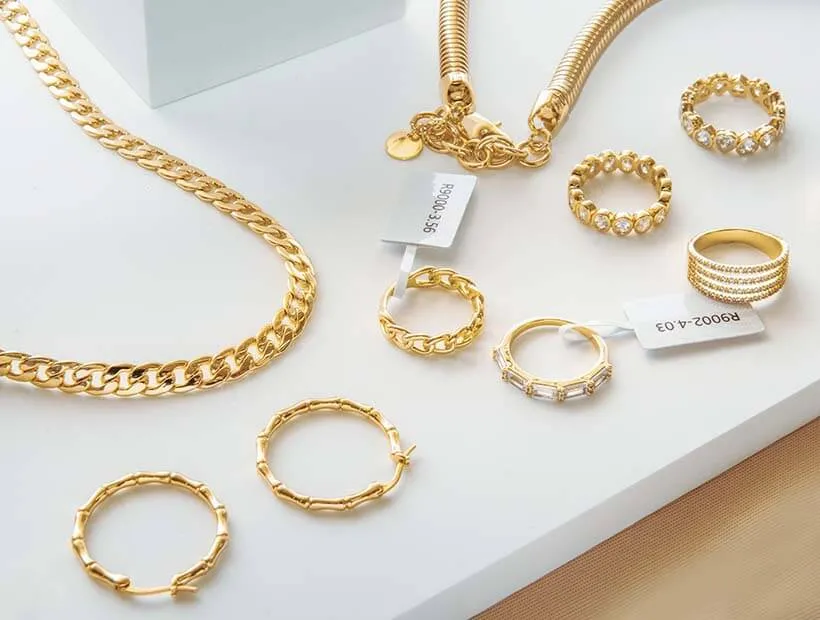
Clear communication ensures accurate execution of design requirements. Sample testing verifies craftsmanship, durability, and finishing quality effectively. Compliance documents confirm adherence to safety and environmental regulations. Supplier reputation reflects reliability and long-term partnership potential. A structured evaluation process minimizes risks and improves operational stability.
Production Workflow and Order Process
The production workflow starts with concept design and approval stages. Designers create digital models and physical prototypes for evaluation. Engineers optimize structural details for durability and comfort. Manufacturing teams perform casting, shaping, and assembly operations. Polishing and plating enhance visual quality and surface protection. A luxury fine jewelry set often requires precise gemstone setting techniques. Quality inspections occur at multiple checkpoints to prevent defects. Packaging integrates brand identity through logos and customized labels. Logistics teams manage shipping based on delivery requirements and timelines. Efficient coordination ensures consistent results and reduces production delays significantly.
Private Label vs Wholesale Jewelry
| Feature | Private Label Jewelry | Wholesale Jewelry |
|---|---|---|
| Branding | Custom brand identity | Generic branding |
| Customization | High flexibility | Limited options |
| Cost Structure | Higher initial cost | Lower upfront cost |
| Exclusivity | Unique designs | Common designs |
| Production Control | Full control | Minimal control |
Key Differences Explained in Jewelry Sourcing Models
A private label jewelry supplier offers greater control over branding and design strategies. Businesses tailor products to match specific customer preferences effectively. Wholesale sourcing provides convenience but limits differentiation opportunities. Customization enables brands to build unique value propositions in crowded markets. Higher initial investment often results in stronger brand positioning. Wholesale models suit businesses seeking quick market entry with simplicity. Strategic decisions depend on goals, budgets, and growth expectations. Understanding sourcing differences helps companies select suitable operational models. Alignment between sourcing strategy and brand vision improves market performance. Careful planning ensures long-term competitiveness and consistent product development success.
Key Considerations Before Starting a Jewelry Brand
Launching a jewelry brand requires thoughtful planning and strategic decision making. Trademark registration protects intellectual property and brand identity effectively. Market research identifies customer preferences and pricing expectations accurately. Product positioning defines target audiences and competitive advantages clearly. Pricing strategies must balance production cost and perceived value.
Inventory management reduces risks related to overstock and cash flow issues. Supplier relationships directly influence product quality and delivery consistency. Marketing strategies should emphasize design uniqueness and storytelling elements. Long-term planning supports sustainable growth in evolving market environments. Clear business strategies improve operational efficiency and profitability over time.
Common Challenges and Solutions in Private Label Jewelry
Quality inconsistency may occur without strict control measures during production. Businesses should implement detailed standards and inspection procedures consistently. Supply chain delays can disrupt product availability and launch schedules. Diversifying suppliers reduces dependency and operational risks effectively. Communication gaps often lead to design errors and manufacturing issues. Clear documentation improves coordination between all involved parties. Maintaining brand consistency requires standardized design and packaging guidelines. Continuous monitoring ensures alignment with brand identity across collections. Proactive solutions strengthen supplier relationships and operational resilience. Effective management reduces risks and enhances long-term business stability significantly.
Conclusion: Strategic Value of a Private Label Jewelry Supplier
A private label jewelry supplier supports modern jewelry brands with flexible production solutions. Businesses gain customization, scalability, and efficient manufacturing capabilities. Strong partnerships improve product quality and operational performance consistently. Competitive markets require unique designs and consistent brand identity. Private label strategies enable long-term differentiation and sustainable growth. Careful partner selection ensures compliance with industry standards and regulations. Market demand continues increasing for personalized jewelry products globally. Companies adopting this model can strengthen their competitive positions effectively. Strategic execution remains essential for maximizing long-term business success and profitability.
FAQ
How does a private label jewelry supplier work?
A private label jewelry supplier manages the entire production process for branded jewelry. Businesses provide design ideas, technical specifications, and branding requirements. Suppliers create prototypes and adjust them based on feedback. Manufacturing begins after approval and includes casting and finishing steps. Quality inspections ensure products meet defined standards consistently. Packaging incorporates logos and customized branding elements professionally. Final products are shipped to warehouses or customers directly. This approach allows businesses to focus on marketing and sales activities. Efficient coordination ensures timely delivery and consistent product quality across orders.
What materials are best for private label jewelry?
Material selection depends on pricing strategy and target customer segments. Stainless steel offers durability and resistance to corrosion effectively. Sterling silver provides a premium look but needs proper maintenance. Brass supports cost-efficient designs and works well with plating techniques.
Gold plating enhances appearance while maintaining affordability advantages. Hypoallergenic materials improve safety for sensitive skin users. Each material presents unique benefits in durability, cost, and design flexibility. Careful selection ensures product quality and customer satisfaction. Strong material choices support brand positioning and long-term market success.
How to ensure quality when working with suppliers?
Ensuring quality requires structured processes and continuous monitoring efforts. Businesses should define clear specifications for materials and finishes. Sample testing validates craftsmanship before large-scale production begins. Regular inspections detect defects early and reduce production risks. Third-party audits provide independent verification of supplier capabilities. Clear communication ensures alignment on technical and quality requirements. Documentation supports consistency across different production batches effectively. Long-term partnerships encourage accountability and continuous improvement. Strong quality control systems protect brand reputation and customer trust successfully.